Sauces: Cornstarch vs Arrowroot Slurries
Creating the perfect sauce is an art that relies on thickening agents like cornstarch and arrowroot. Both are plant-derived starches used to transform runny mixtures into luscious, velvety sauces. Cornstarch, derived from the endosperm of corn, is a kitchen staple known for its thickening power. Arrowroot, extracted from the roots of the Maranta arundinacea plant, is a gluten-free alternative that boasts clarity and a glossy finish. While both can thicken sauces, they differ in texture, flavor, and behavior under heat. Understanding these differences empowers home cooks to choose the right thickener for their culinary creations. Cornstarch creates opaque sauces with a slightly cloudy appearance, ideal for dishes like gravy or pie fillings. Arrowroot, however, yields translucent sauces that maintain a vibrant color, perfect for fruit-based sauces or Asian-inspired dishes. Temperature plays a crucial role in activating these starches: cornstarch needs to reach 140°F to thicken, while arrowroot activates at a lower temperature around 149°F. However, prolonged exposure to high heat can break down arrowroot, leading to a loss of thickening power. This guide will walk you through the nuances of making slurries with both cornstarch and arrowroot, ensuring you can elevate your sauces with confidence and precision.
Notes
The thickening power of cornstarch and arrowroot comes from their ability to gelatinize in the presence of heat and water. This process causes the starch granules to swell and form a network that traps liquid, creating a thicker consistency. A common mistake is adding the slurry to a sauce that's boiling vigorously, which can cause the starch to clump. Always add the slurry to a gently simmering sauce. Additionally, arrowroot is sensitive to acidic ingredients like lemon juice or vinegar, which can inhibit its thickening ability. For safety, ensure your sauce reaches a safe temperature to kill any bacteria. Both slurries can be made ahead and stored in the refrigerator for a day; whisk again before use to recombine any settled starch.
Steps
- 1 Measure out 1 tablespoon of cornstarch or arrowroot.
- 2 Place the starch in a small bowl.
- 3 Add 2 tablespoons of cold water to the bowl.
- 4 Whisk the mixture vigorously until smooth, breaking up any lumps.
- 5 Set the slurry aside while you prepare your sauce.
- 6 Bring your sauce to a simmer over medium heat.
- 7 Slowly pour the slurry into the sauce, whisking constantly.
- 8 Continue to cook and stir until the sauce thickens.
- 9 For cornstarch, cook until the sauce reaches 140°F.
- 10 For arrowroot, cook until the sauce reaches 149°F, but avoid boiling for too long.
- 11 Remove the sauce from heat once it reaches the desired consistency.
- 12 Taste and adjust seasoning if necessary.
- 13 Strain the sauce through a fine-mesh sieve if a perfectly smooth texture is desired.
Ingredients to explore
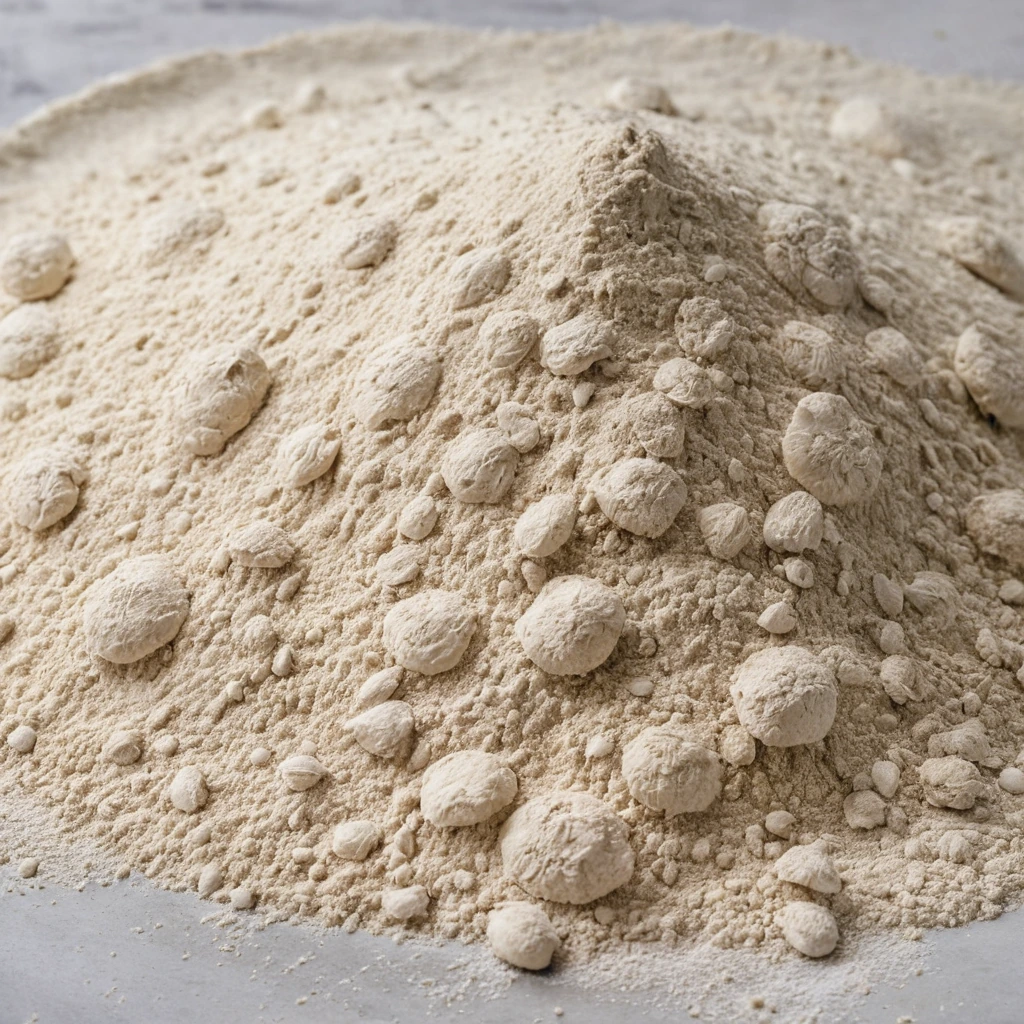
00 Pizza Flour
00 pizza flour is a finely milled Italian flour prized for its versatility in creating authentic Neapolitan-style pizza crusts. Originating from Italy, it is milled to a very fine consistency, which is reflected in its name, 'doppio zero,' indicating its fine grind. This flour has a balanced flavor profile, offering a mild, slightly sweet taste with a subtle nuttiness. Its texture is silky and smooth, contributing to a tender yet chewy crust when used in pizza making. In cooking, 00 pizza flour is known for its ability to hydrate quickly and develop a desirable gluten structure, resulting in a light and airy crust that can withstand high-heat cooking without becoming overly crispy or hard.
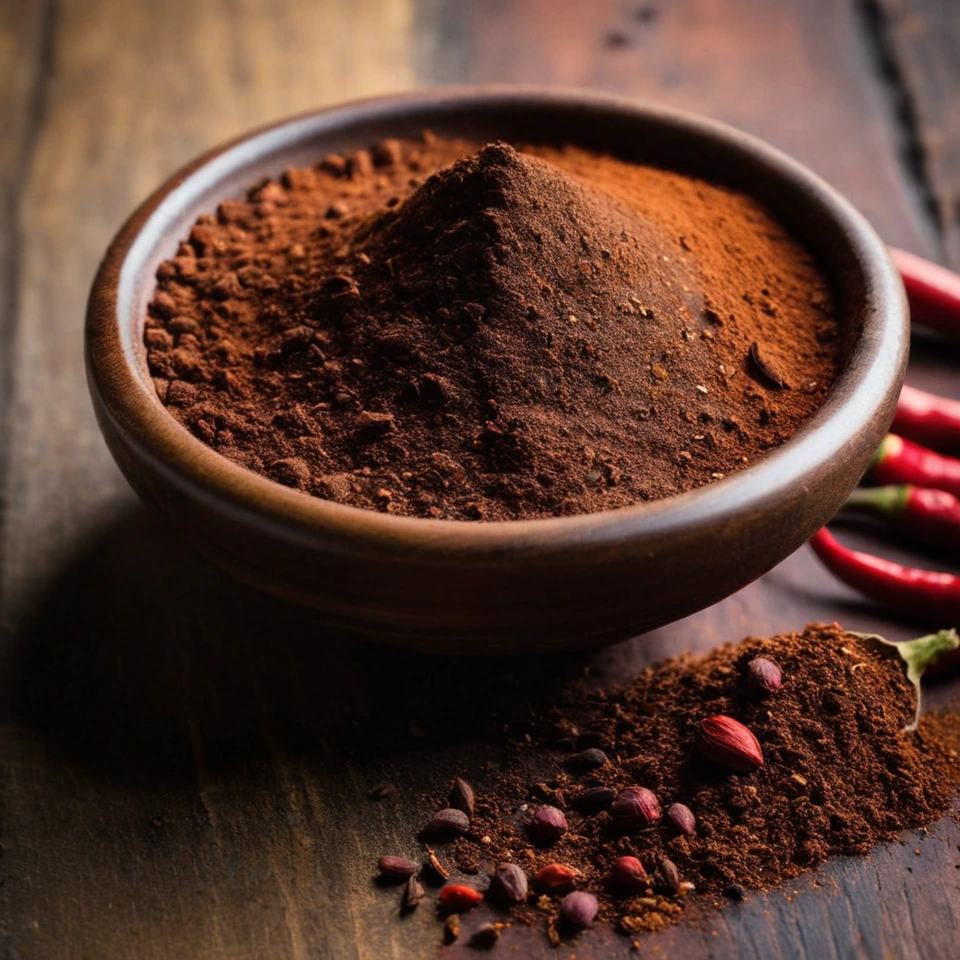
Ancho Chili Powder
Ancho chili powder offers a deep, smoky sweetness with hints of dried fruit and cocoa, reminiscent of its origin as dried poblano peppers from Mexico. Its aroma is warm and inviting, with a mild heat that lingers gently. The texture is fine and velvety, making it easy to incorporate into a variety of dishes. This powder is prized for its ability to add complexity without overwhelming spice, ideal for enriching both traditional Mexican moles and contemporary global cuisines.
Recipes to try
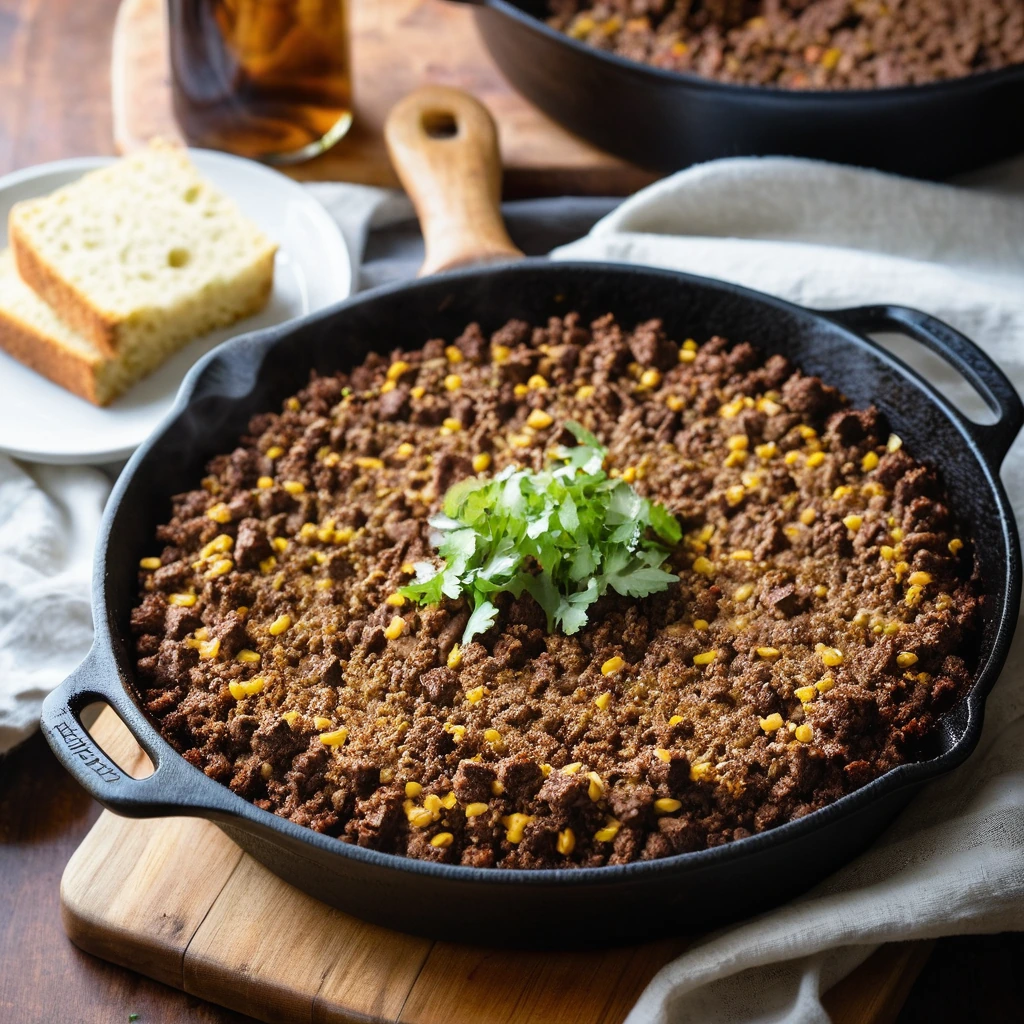
Smoky BBQ Ground Beef and Cornbread Skillet
Imagine the rich smokiness of BBQ sauce mingling with tender ground beef atop golden, crumbly cornbread in a skillet.
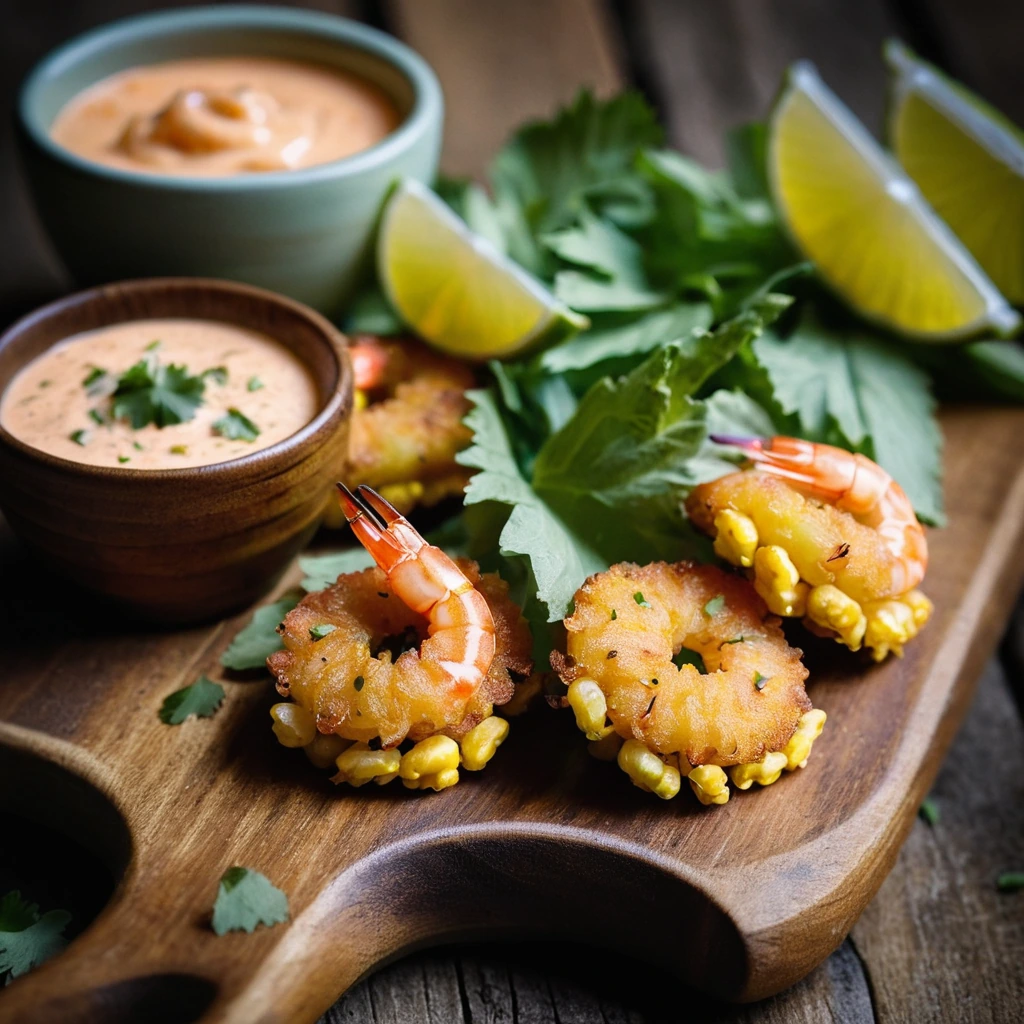
Shrimp and Corn Fritters with Chili Aioli
Crispy on the outside, tender on the inside, these golden fritters pack a punch with juicy shrimp and sweet corn, all topped with a zesty chili aioli.