Sauces: Beurre Blanc Step by Step
Beurre blanc is a luxurious, velvety sauce that adds a touch of elegance to any dish. Its name translates to 'white butter,' and this sauce is beloved for its rich, buttery flavor and silky texture. Unlike its more famous cousin, hollandaise, beurre blanc doesn't require egg yolks, making it a simpler yet equally indulgent option. The key to mastering this sauce lies in the emulsification process, which relies on whisking vinegar and shallots into a reduced, tangy base before incorporating cold butter piece by piece. Achieving the perfect beurre blanc requires patience and attention to detail. The sauce can break if not handled correctly, but with a little know-how, even novice cooks can create this restaurant-worthy condiment. This guide will walk you through the technique, offering tips to ensure your sauce is smooth and luscious every time. Whether you're drizzling it over fresh seafood or using it to elevate a simple roasted chicken, beurre blanc is sure to impress.
Notes
The science behind beurre blanc is emulsification, where fat (butter) is dispersed in a liquid (vinegar reduction) with constant whisking. This creates a stable mixture that's smooth and creamy. A common mistake is adding butter too quickly, which can break the sauce. To avoid this, incorporate butter slowly and ensure each piece is fully melted before adding the next. Safety is key: always use a clean, dry whisk to prevent any water from destabilizing the sauce. Beurre blanc is best served immediately but can be made ahead and gently rewarmed over low heat. Store any leftovers in an airtight container in the refrigerator for up to 2 days, whisking gently when reheating.
Steps
- 1 Prepare a small bowl with ice water.
- 2 In a small saucepan, combine 1/4 cup white wine vinegar and 1/4 cup shallot (finely chopped) over medium heat.
- 3 Bring the mixture to a gentle simmer and cook until reduced by half, about 5 minutes.
- 4 Lower the heat to medium-low and whisk in 8 ounces of cold, diced unsalted butter, one piece at a time.
- 5 Ensure each piece of butter is fully melted and incorporated before adding the next.
- 6 Continue whisking until the sauce thickens and becomes emulsified.
- 7 Season the sauce with salt and white pepper to taste.
- 8 If the sauce becomes too thick, gently warm it over low heat, whisking constantly.
- 9 If the sauce starts to break, remove it from heat and whisk in a teaspoon of cold water to stabilize it.
- 10 Keep the saucepan off direct heat to maintain the sauce's texture, placing it over a warm (not hot) water bath if needed to keep it warm.
Ingredients to explore
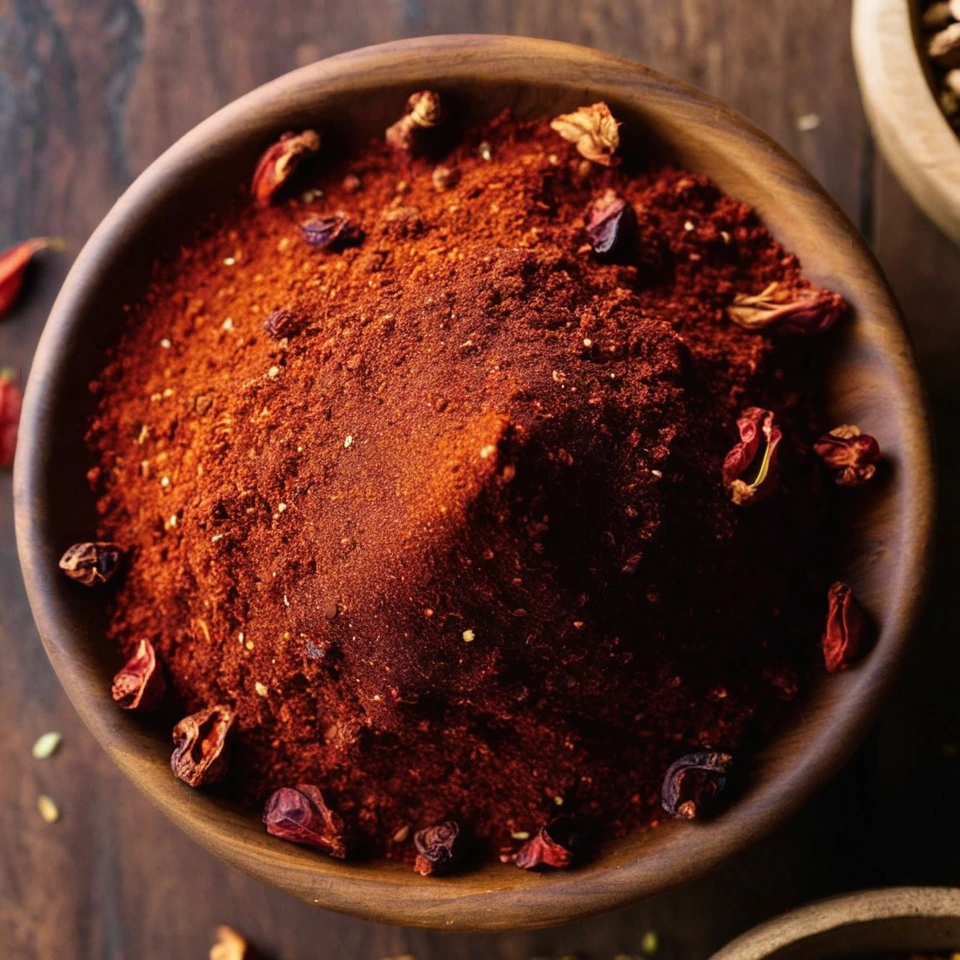
Aleppo Pepper
Aleppo pepper offers a harmonious balance of heat and sweetness, with a subtle fruity aroma reminiscent of sun-dried tomatoes and currants. Originating from the region around Aleppo, Syria, it has a fine, slightly coarse texture that shatters easily between fingers. Its mild yet complex flavor profile makes it a prized seasoning for enhancing dishes without overwhelming them. Valued for its versatility, it bridges the gap between spice and seasoning, bringing a touch of warmth and depth to a variety of cuisines.
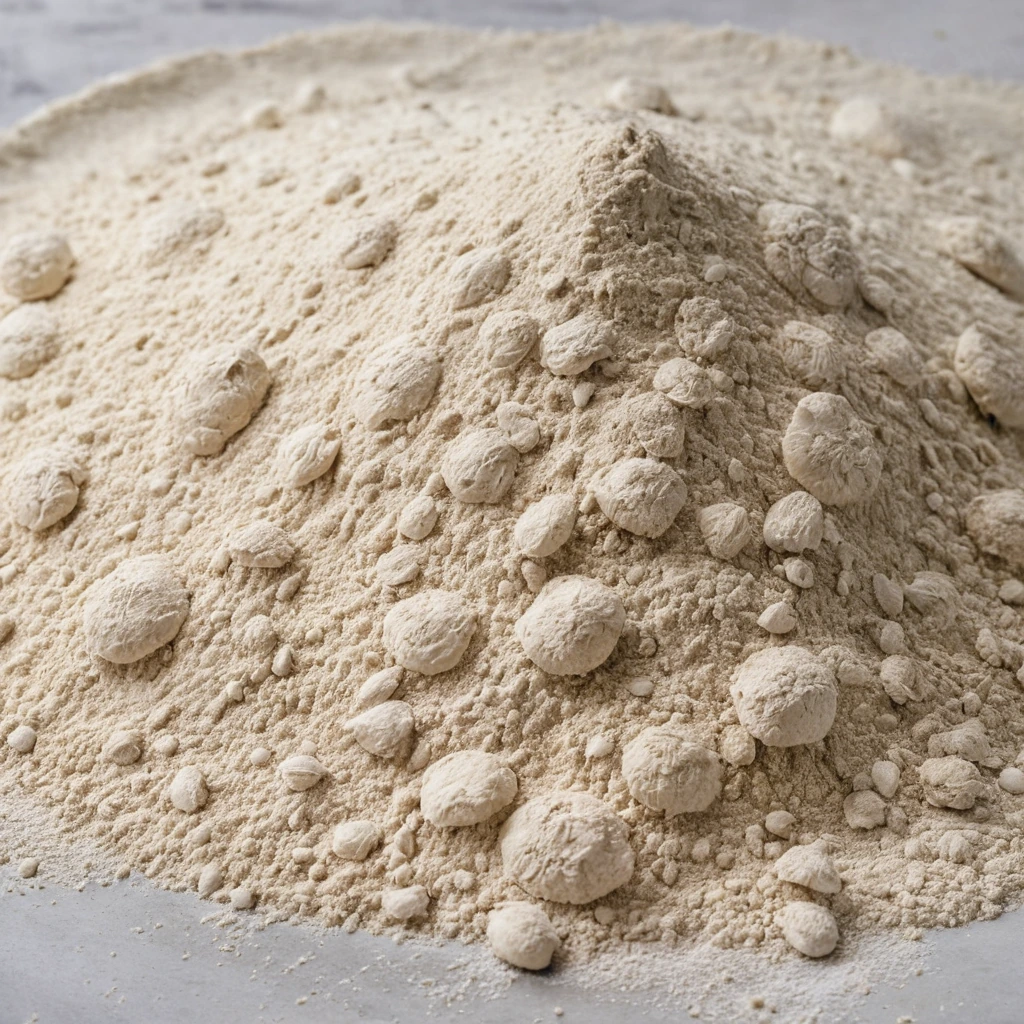
00 Pizza Flour
00 pizza flour is a finely milled Italian flour prized for its versatility in creating authentic Neapolitan-style pizza crusts. Originating from Italy, it is milled to a very fine consistency, which is reflected in its name, 'doppio zero,' indicating its fine grind. This flour has a balanced flavor profile, offering a mild, slightly sweet taste with a subtle nuttiness. Its texture is silky and smooth, contributing to a tender yet chewy crust when used in pizza making. In cooking, 00 pizza flour is known for its ability to hydrate quickly and develop a desirable gluten structure, resulting in a light and airy crust that can withstand high-heat cooking without becoming overly crispy or hard.
Recipes to try
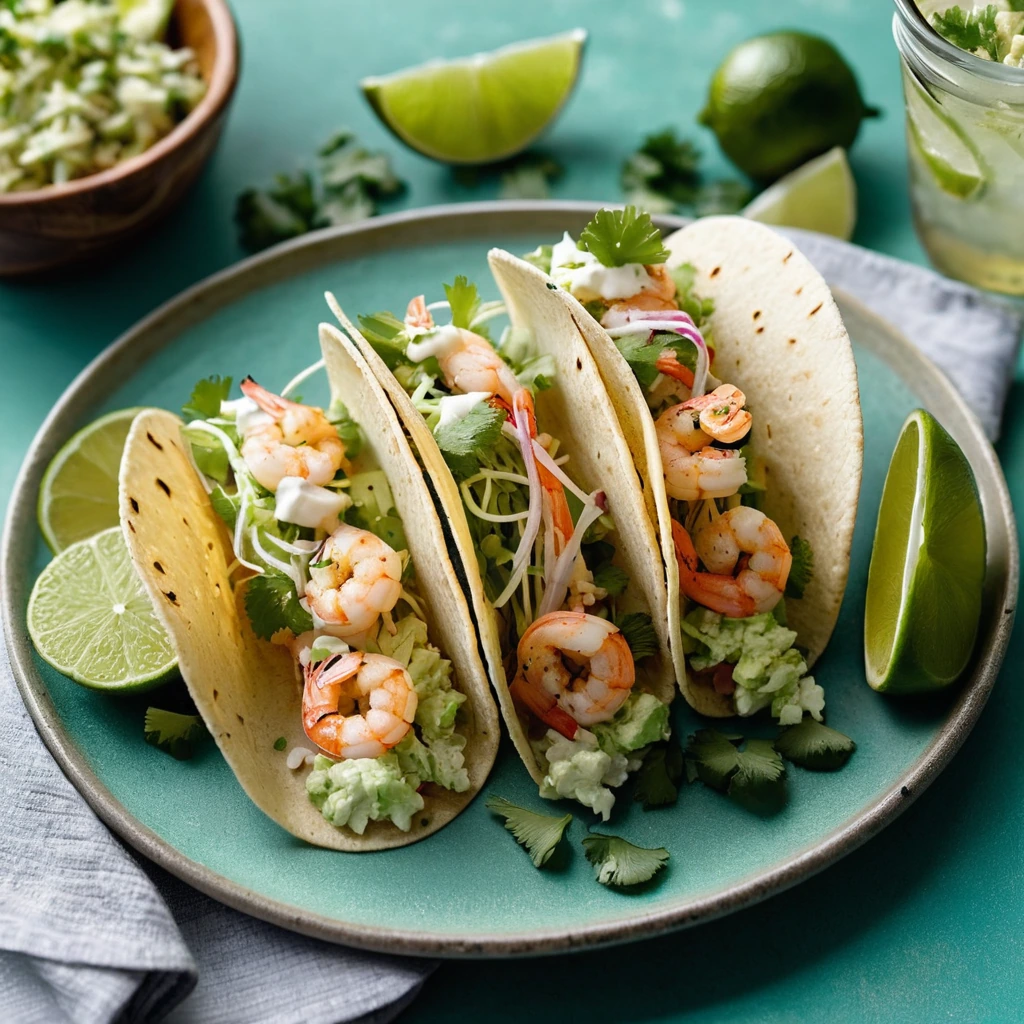
Shrimp Tacos with Cilantro Lime Slaw
Juicy grilled shrimp nestled in warm tortillas, topped with a vibrant cilantro lime slaw that's as refreshing as a sea breeze.
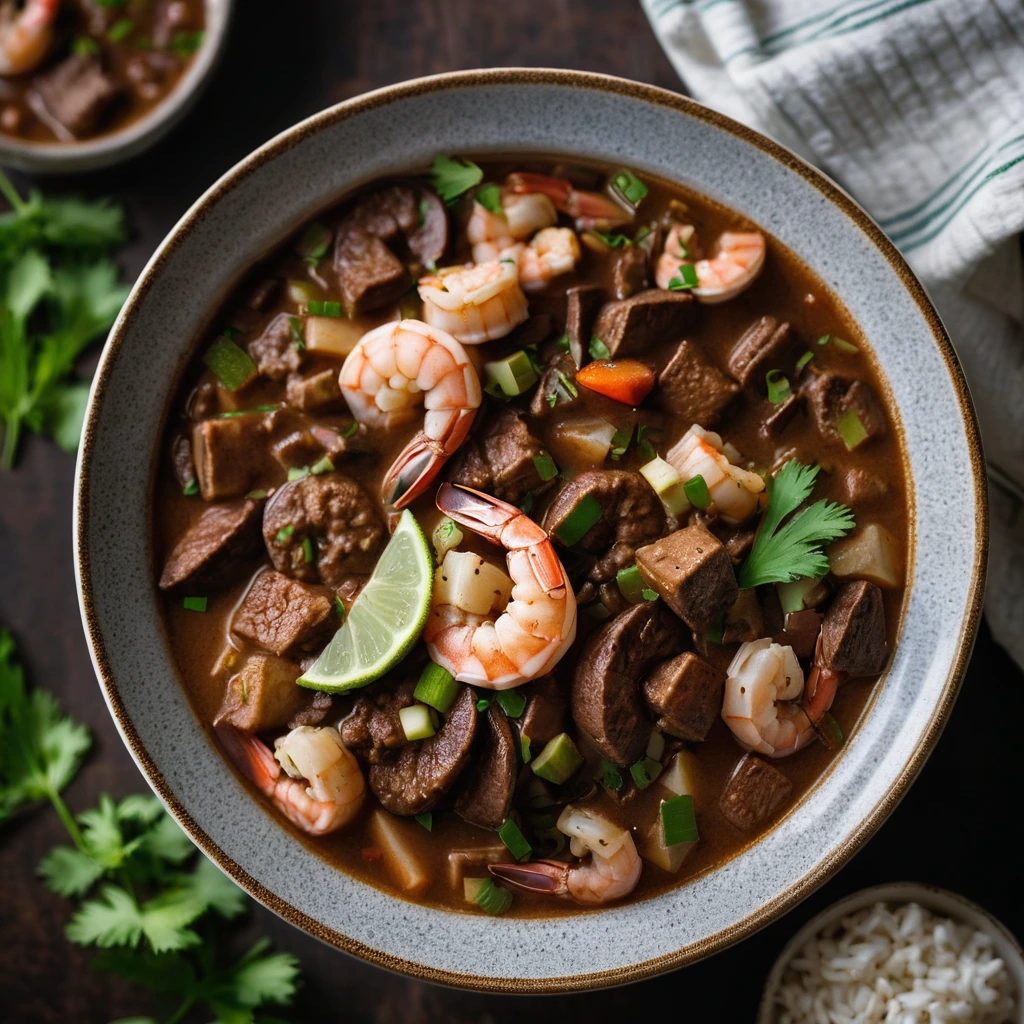
Shrimp and Sausage Gumbo Style Stew
A hearty, soul-warming stew packed with plump shrimp, spicy sausage, and a rich, dark roux-based broth.