Sauce Technique: Splitting a Batch into Mild and Spicy Variations
Creating two distinct sauce variations from a single batch is a smart way to cater to diverse palates at your dinner table. Whether you're making a classic marinara, a creamy alfredo, or a zesty salsa, this technique allows you to serve both mild and spicy options without doubling your effort. The key lies in timing and ingredient management. Begin by preparing your base sauce, ensuring it has a well-balanced flavor profile that can stand alone as the mild version. Once your base is ready, you'll reserve a portion for those who prefer a gentler kick. The remaining sauce is where the magic happens—here, you introduce heat through chilies, hot sauce, or chili flakes, customizing the intensity to your liking. Understanding the nuances of heat distribution and the varying levels of spiciness in different peppers is crucial. Additionally, you'll learn how to properly incorporate these spicy elements to achieve a harmonious blend without overpowering the original flavors. This method not only saves time but also streamlines your cooking process, ensuring you can enjoy your meal without sacrificing flavor diversity.
Notes
This technique works by capitalizing on the principle that heat can be introduced at any stage of cooking, allowing for customization without compromising the original flavor profile. When working with fresh chilies, wear gloves to avoid skin irritation, and never touch your face or eyes. Remember that different chilies have varying heat levels; for instance, jalapeños are milder than habaneros. If your sauce becomes too spicy, balance it with a touch of sweetness or acidity. For make-ahead convenience, store each sauce separately to maintain their individual character. Always use clean containers to avoid contamination, and label clearly to prevent mix-ups. By mastering this technique, you can confidently cater to a crowd with differing spice preferences.
Steps
- 1 Prepare your base sauce recipe, ensuring balanced seasoning.
- 2 Taste and adjust the mild sauce for flavor before splitting.
- 3 Once the base sauce is complete, measure out the desired amount for the mild version and set it aside.
- 4 Determine the level of heat you want for the spicy variation and select your spicy ingredient accordingly.
- 5 For fresh chilies, finely chop or blend to desired consistency.
- 6 Slowly stir the spicy ingredient into the remaining sauce, starting with a small amount.
- 7 Taste and adjust the heat level by adding more spice if needed, remembering it intensifies upon cooling.
- 8 Simmer the spicy sauce for an additional 5-10 minutes to meld the flavors.
- 9 Check the consistency of both sauces; adjust with a bit of water or thickening agent if necessary.
- 10 Season both sauces to taste, ensuring each is well-balanced.
- 11 Allow both sauces to cool before serving or storing.
- 12 Serve the mild sauce alongside the spicy version, giving guests a choice.
- 13 Label and store sauces separately in airtight containers in the refrigerator for up to 5 days.
- 14 Reheat gently before serving to preserve texture and flavor.
Ingredients to explore
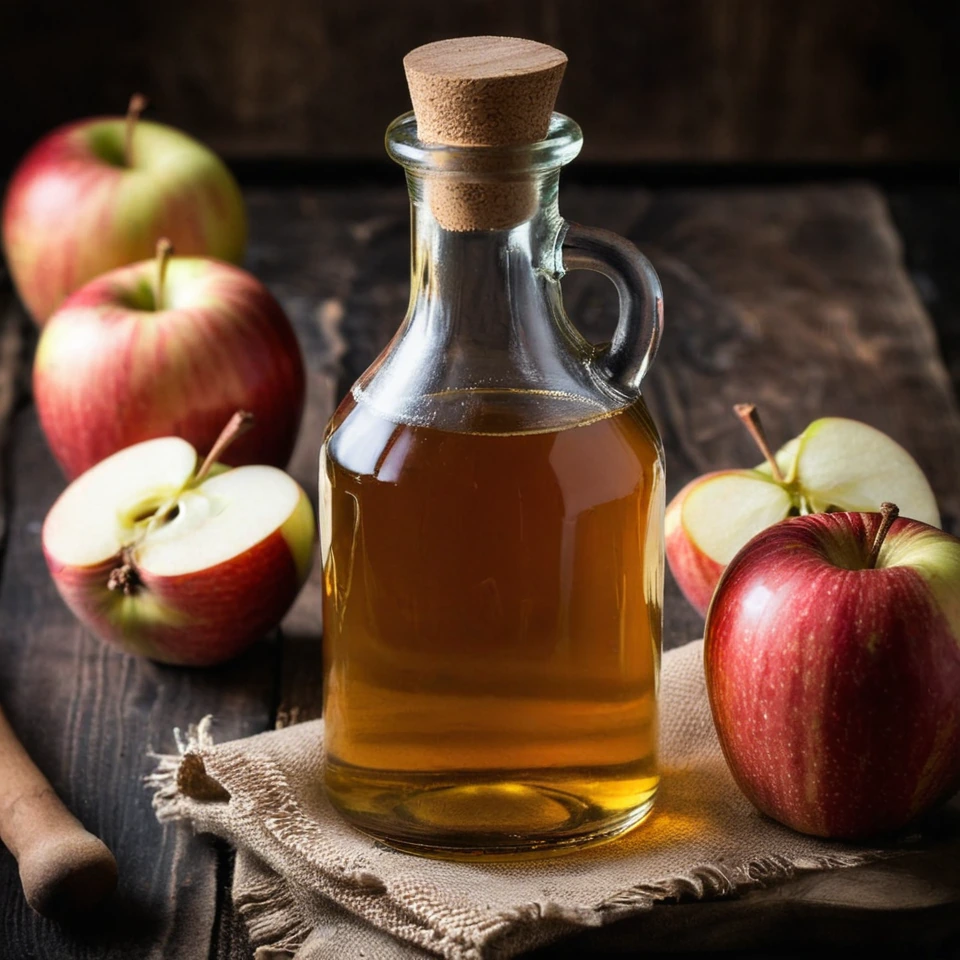
Apple Cider Vinegar
Apple cider vinegar is a type of vinegar made through the fermentation of apple cider, resulting in a tangy, slightly sweet liquid with a pale to medium amber color.
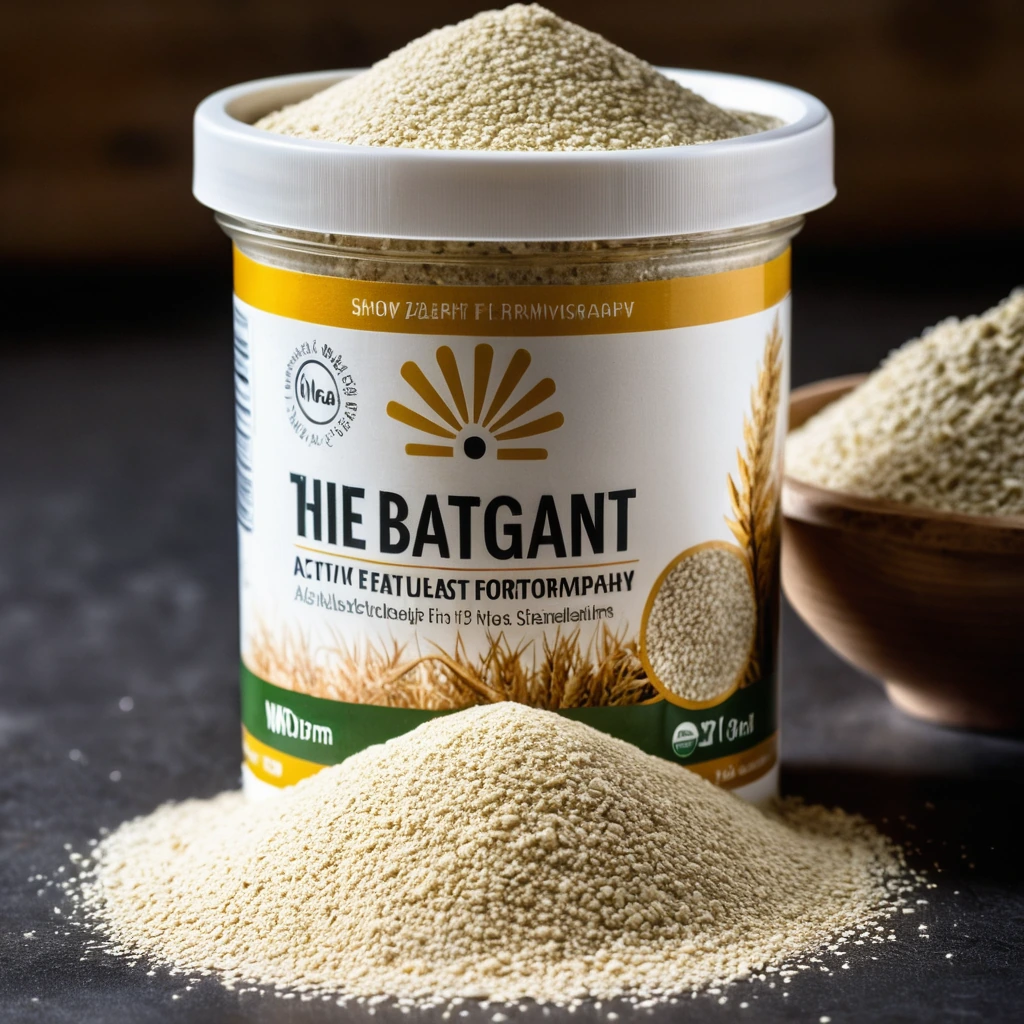
Active Dry Yeast
A fine, granulated leavening agent that brings baked goods to life with its gentle fermentation magic.
Recipes to try
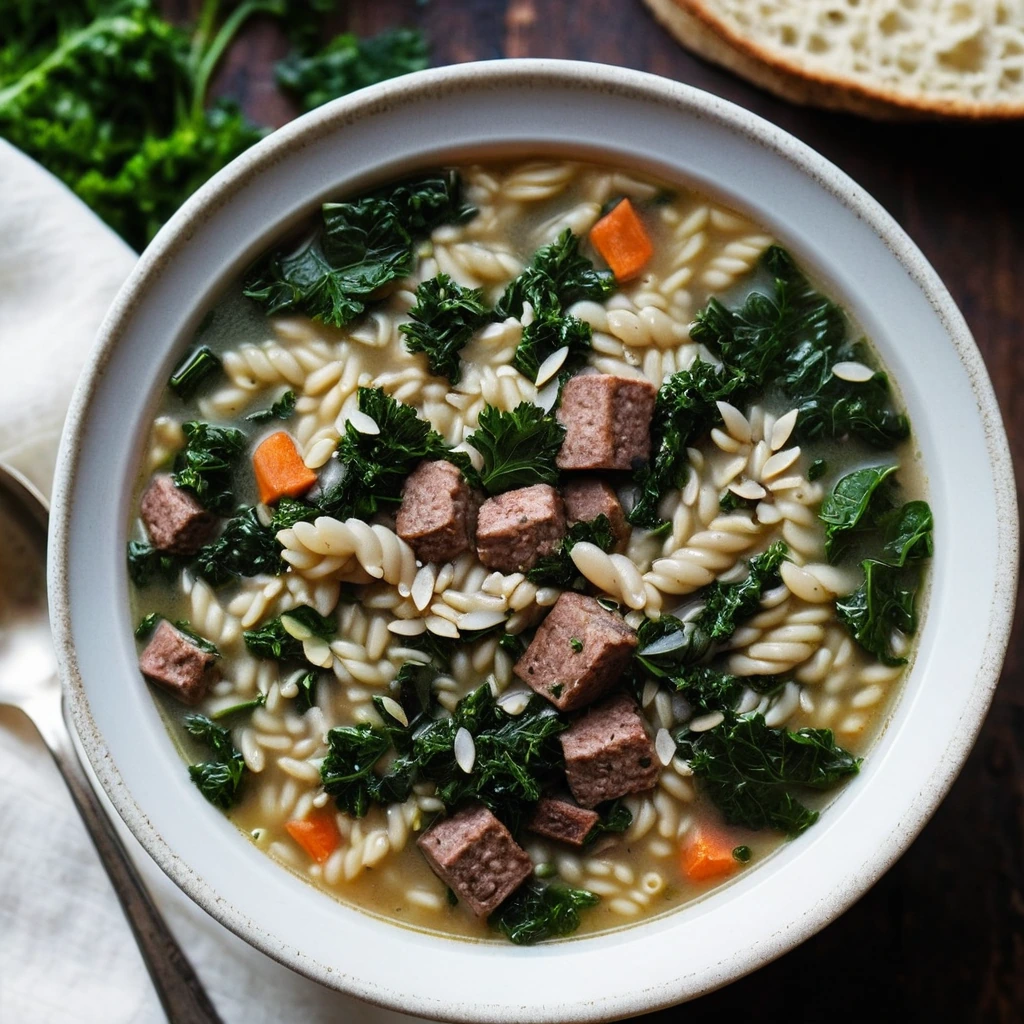
Sausage, Kale, and White Bean Orzo Soup
This hearty soup is a cozy hug in a bowl, brimming with smoky sausage, tender kale, and creamy white beans in a savory broth.
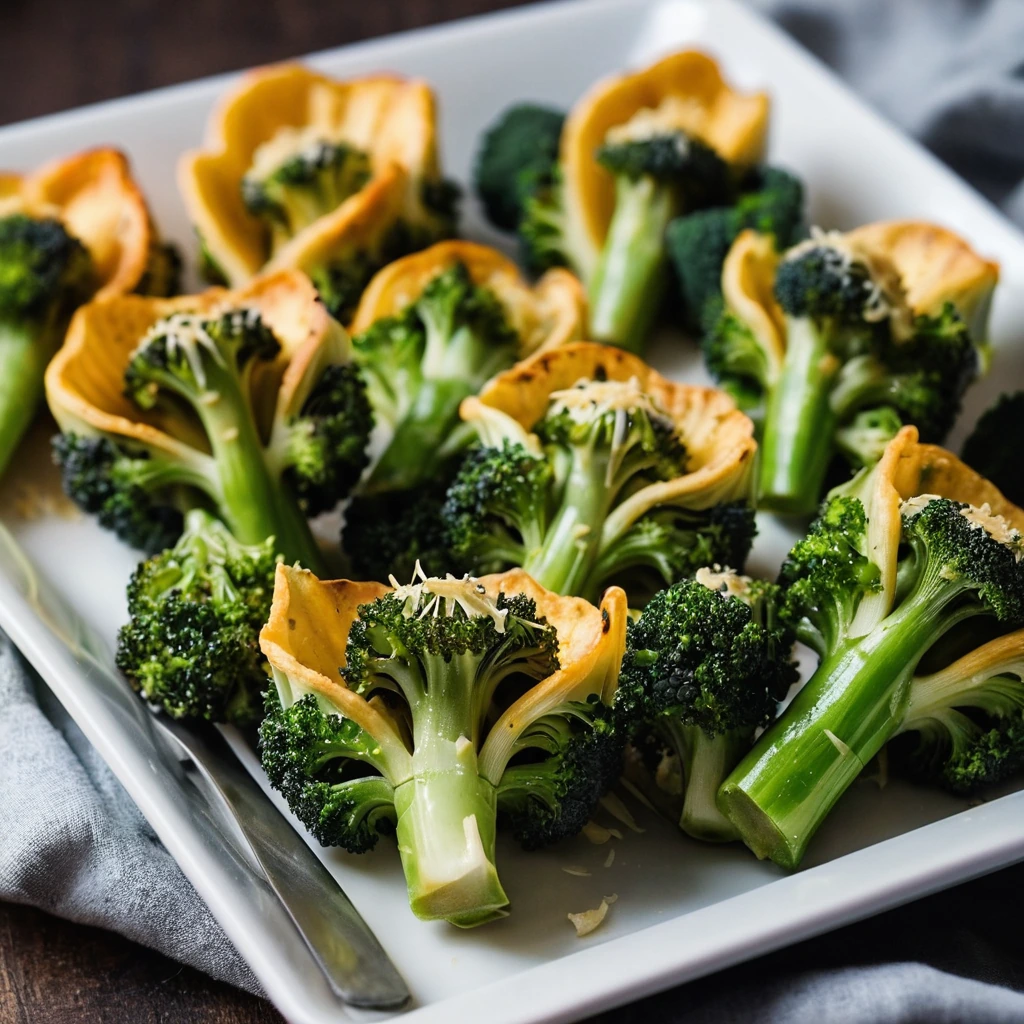
Roasted Broccoli and Cheddar Stuffed Shells
Creamy cheddar cheese and roasted broccoli unite in tender pasta shells for a veggie-packed, cheesy masterpiece.