Sauce Technique: Roasting Bones for Ultra-Rich Brown Sauce
Creating an ultra-rich brown sauce starts with roasting bones, a foundational technique that amplifies flavor through caramelization and the Maillard reaction. This method is crucial for making stocks, gravies, and sauces that boast deep, complex tastes. Begin by selecting the right bones: marrow-rich beef or veal bones are ideal. The roasting process transforms raw ingredients into a flavor powerhouse by breaking down proteins and sugars, creating a rich, golden-brown crust. Patience is key here; rushing the roast can lead to burnt bones, which impart bitterness. Properly roasted bones form the backbone of classic French cuisine, providing a base for sauces like Espagnole or Demi-Glace. Understanding the nuances of temperature control and timing ensures that your sauce will have that professional depth of flavor. This technique requires attention to detail, but the results are well worth the effort, offering a sauce that elevates any dish from ordinary to extraordinary. The aroma alone will tell you that you're on the right track. Remember, the goal is to develop layers of flavor, not just to brown the bones. With the right approach, you'll unlock a world of culinary possibilities, making your homemade sauces stand out with their richness and complexity.
Notes
The science behind roasting bones lies in the Maillard reaction, a chemical process that occurs when proteins and sugars react under heat, creating complex flavors. To troubleshoot common mistakes, ensure bones are dry before roasting to promote browning rather than steaming. Avoid overcrowding the pan, which can lead to steaming instead of roasting. Safety is paramount; always handle hot pans with oven mitts and be cautious of splatters when deglazing. For make-ahead and storage, allow the sauce to cool completely before refrigerating for up to 5 days or freezing for up to 3 months. Properly stored, your brown sauce will maintain its robust flavor for future culinary adventures.
Steps
- 1 Preheat oven to 450°F.
- 2 Rinse bones under cold water and pat dry with paper towels.
- 3 Place bones in a single layer on a heavy-duty roasting pan.
- 4 Roast bones, stirring occasionally, for about 45 minutes.
- 5 After 30 minutes, reduce oven temperature to 400°F to prevent burning.
- 6 Check bones for deep golden-brown color; avoid charring.
- 7 Remove pan from oven and let bones cool slightly.
- 8 Transfer bones to a stockpot for making your sauce or stock.
- 9 Deglaze roasting pan with a bit of water or wine, scraping up browned bits.
- 10 Add deglazed liquid to the stockpot with bones.
- 11 Cover bones with cold water and bring to a simmer.
- 12 Skim off any impurities that rise to the surface.
- 13 Simmer gently for several hours to extract maximum flavor.
- 14 Strain the liquid and reduce for a concentrated brown sauce.
Ingredients to explore
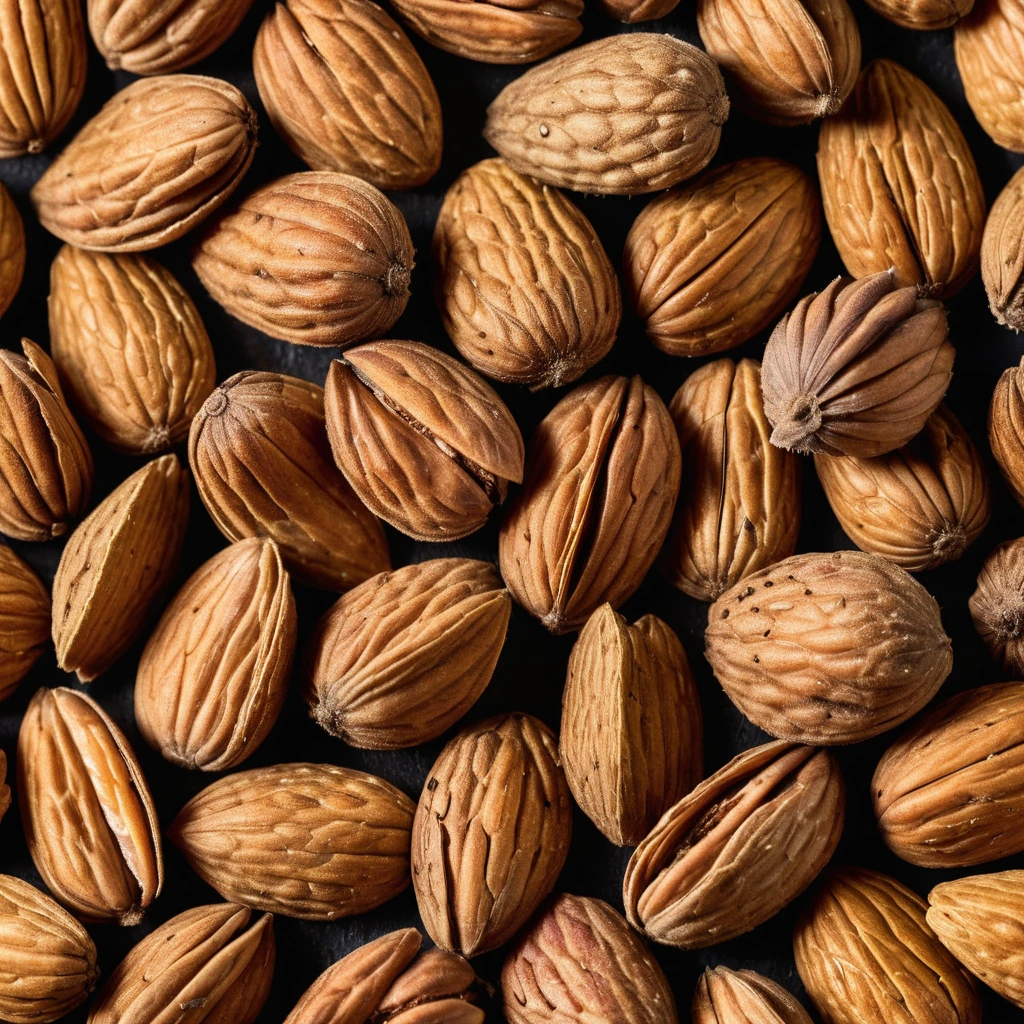
Almonds
With their golden-brown hue and delicate, edible skin, almonds are a crunchy delight. These versatile nuts boast a rich, buttery flavor that adds depth to both sweet and savory dishes.
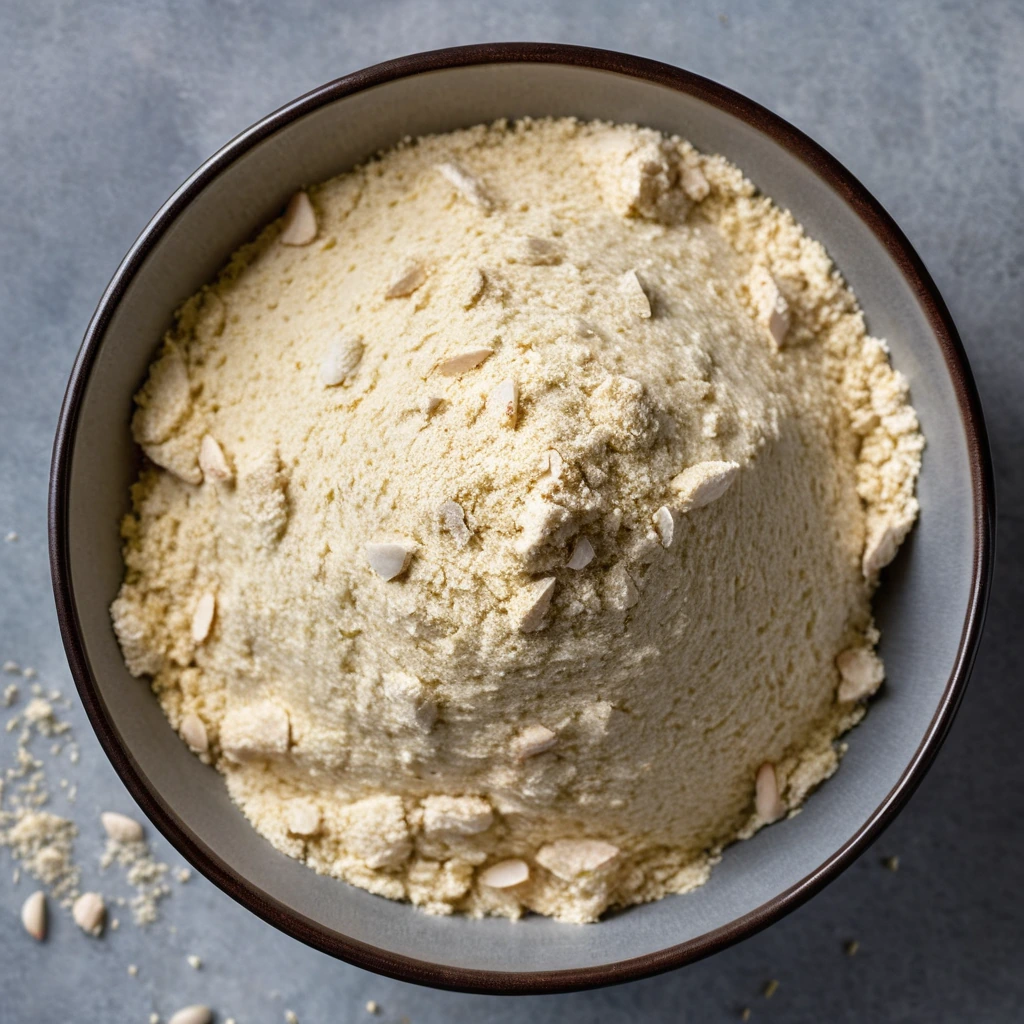
Almond Flour
A finely ground flour made from blanched almonds, offering a delicate nutty aroma and a tender crumb to your baked goods.
Recipes to try

Vanilla Yogurt Parfaits with Roasted Berries
Creamy vanilla yogurt layers kissed by sweet, smoky roasted berries create a parfait that's both comforting and refreshing.
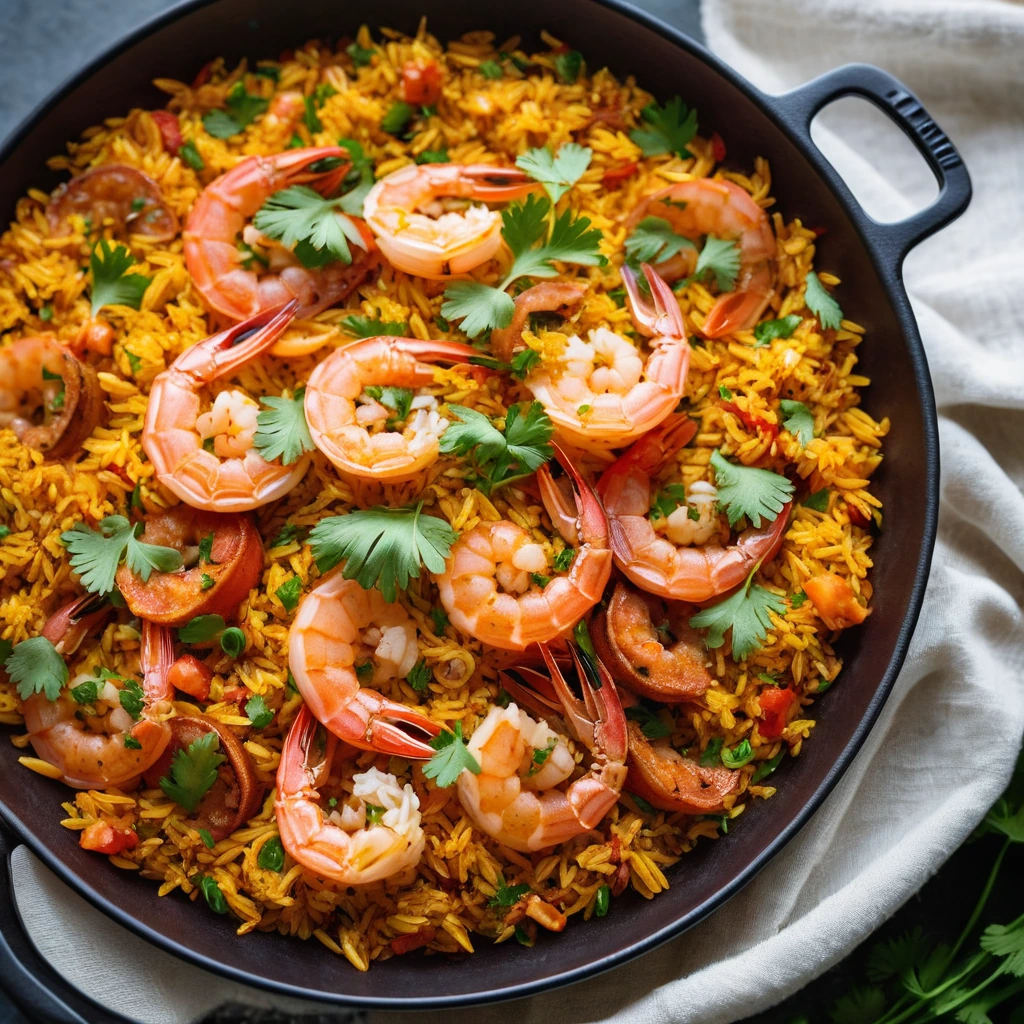
Shrimp and Chorizo Rice Skillet
A zesty, one-pan wonder where plump shrimp and smoky chorizo mingle with fragrant rice, creating a fiesta in every bite.