Sauce Technique: Making a Stable Vinaigrette by Hand
Creating a stable vinaigrette by hand is an art that transforms ordinary salads into culinary masterpieces. The key lies in balancing the ratio of oil to acid, typically three parts oil to one part vinegar or lemon juice. Emulsification is the process by which these two immiscible liquids are combined into a smooth, homogenous mixture. Achieving this balance requires patience and attention to detail. The choice of oil impacts the flavor and texture, with extra virgin olive oil offering a robust taste, while neutral oils like grapeseed provide a lighter touch. Acid components, such as red wine vinegar or champagne vinegar, add brightness and tanginess. Mustard serves as an emulsifier, helping to stabilize the mixture, while seasonings like salt, pepper, and herbs personalize the vinaigrette to your taste. Mastering the hand-whisking technique allows you to control the vinaigrette's texture and stability, ensuring it doesn't separate too quickly. With practice, you'll find that making vinaigrette by hand is not only rewarding but also incredibly versatile, allowing for endless flavor combinations to elevate your dishes.
Notes
The science behind a stable vinaigrette lies in the emulsification process. Mustard contains proteins and mucilage that help bind oil and water molecules together, creating a stable mixture. Common mistakes include adding the oil too quickly, which can lead to separation, or not whisking vigorously enough to incorporate air into the mixture. To troubleshoot separation, simply whisk the vinaigrette again before use. For safety, always use fresh ingredients and store your vinaigrette in the refrigerator to prevent spoilage. This vinaigrette can be made ahead and will keep for up to a week when stored in an airtight container in the fridge.
Steps
- 1 Gather your ingredients: 3 parts oil, 1 part acid, a teaspoon of mustard, and your desired seasonings.
- 2 In a small bowl, whisk the mustard and acid together until well combined.
- 3 Add a pinch of salt and pepper to the mixture, whisking until dissolved.
- 4 Begin whisking vigorously while slowly drizzling in the oil in a thin, steady stream.
- 5 Continue whisking until all the oil is incorporated and the mixture thickens.
- 6 Taste the vinaigrette and adjust the seasoning or acidity as needed.
- 7 For added flavor, whisk in minced garlic, shallots, or fresh herbs.
- 8 Transfer the vinaigrette to a jar or bottle for storage.
- 9 Before serving, give the vinaigrette a good shake to ensure it is well mixed.
Ingredients to explore
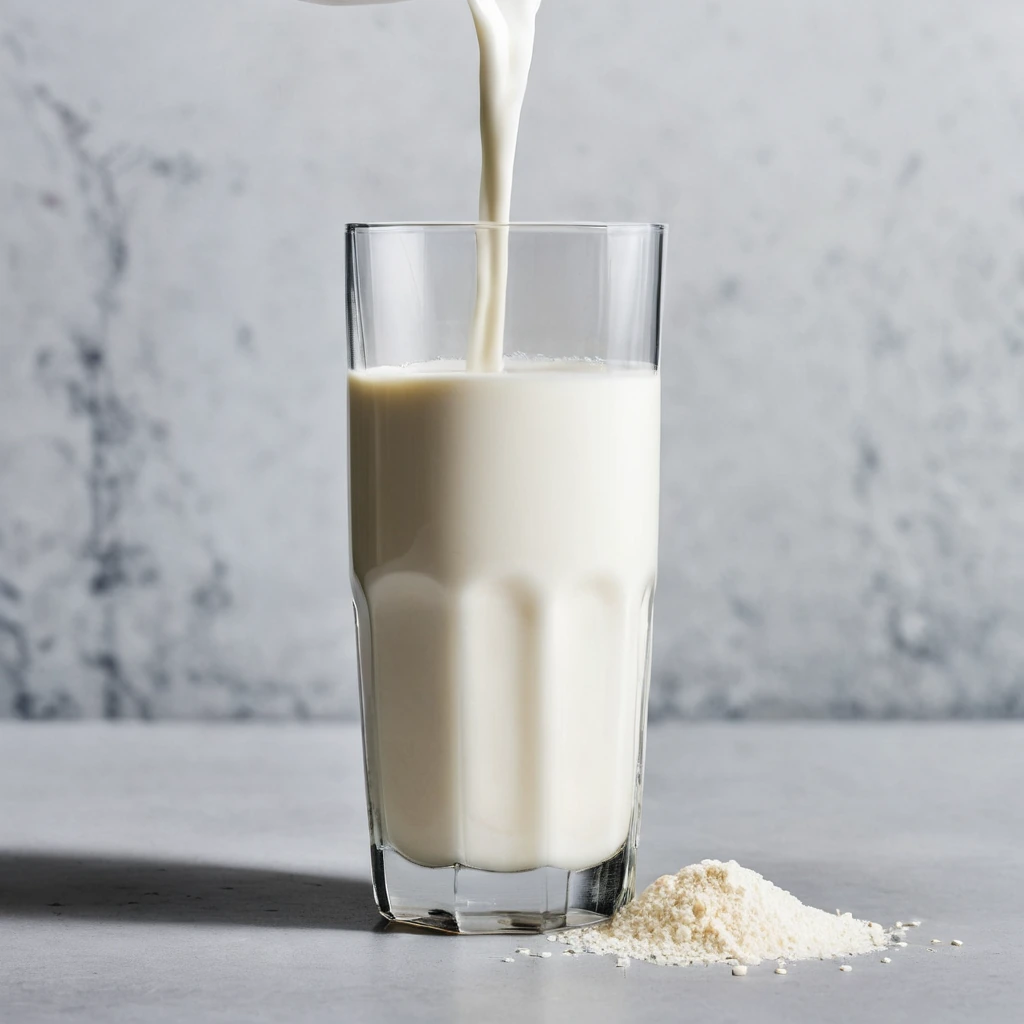
2% Milk
Creamy and just a touch lighter than whole milk, 2% milk offers a perfect balance of richness and reduced fat. Its smooth texture and subtle sweetness make it a delightful choice for sipping or cooking.

Anaheim Peppers
Anaheim peppers are a mild chili pepper variety named after Anaheim, California, where they were first cultivated commercially. Originating from the New Mexico region, these peppers are celebrated for their versatility and gentle heat. They possess a flavor that is mildly sweet with a subtle tang, and a pleasant vegetal note reminiscent of green bell peppers, but with a hint of spice. Their texture is firm and crisp when fresh, becoming tender and slightly smoky when roasted or cooked. In cooking, Anaheim peppers behave well across a range of techniques, from grilling and roasting to stuffing and sautéing, contributing a nuanced depth without overwhelming other ingredients with heat.