Sauce Technique: Layering Soy, Vinegar, and Sesame for Stir-Fry
Creating a stellar stir-fry sauce is an art that balances depth, tang, and nuttiness. This technique focuses on layering three essential ingredients: soy sauce, vinegar, and sesame oil. Soy sauce forms the salty backbone, while vinegar adds a sharp tang that cuts through richness. Finally, sesame oil lends a toasty, aromatic finish. Together, these elements create a sauce that clings to your stir-fry, enhancing every bite. Start by understanding the role of each component: soy sauce for its umami punch, vinegar for its acidity, and sesame oil for its fragrant notes. The order in which you add these ingredients matters—it impacts how their flavors meld and balance. Achieving the perfect stir-fry sauce requires attention to proportions and timing. Too much soy can overpower, while too little vinegar might leave your sauce flat. Sesame oil is potent, so a little goes a long way. This technique also considers the importance of cooking order: starting with aromatics, adding the soy sauce early to integrate its flavor, followed by vinegar to brighten, and finishing with sesame oil to preserve its delicate aroma. By layering these ingredients thoughtfully, you can elevate your home cooking to restaurant standards. Experiment with different types of vinegar and sesame oil to discover your preferred flavor profile. Remember, the key is balance—harmonizing salty, sour, and nutty elements into a cohesive whole. This technique empowers you to craft a versatile sauce that complements a variety of stir-fry dishes, from classic beef and broccoli to adventurous tofu and vegetable medleys. Embrace this method, and you’ll be well on your way to stir-fry mastery.
Notes
The science behind this technique lies in how each ingredient interacts with heat and the others. Soy sauce contains amino acids that break down under heat, enhancing umami. Vinegar's acidity not only balances the soy's saltiness but also helps preserve the dish. Sesame oil, rich in aromatic compounds, is best added last to avoid losing its delicate flavor. Common mistakes include overheating sesame oil, which can lead to bitterness, and under-seasoning the sauce, leaving it bland. To troubleshoot, always taste as you go. For storage, let the sauce cool before refrigerating in an airtight container for up to a week. Make-ahead tip: Prepare the sauce base without sesame oil and store separately; add the sesame oil when ready to serve to maintain its freshness.
Steps
- 1 Begin by heating 1 tablespoon of neutral oil in a wok or large skillet over medium-high heat.
- 2 Add minced garlic and ginger, sautéing until fragrant, about 30 seconds.
- 3 Pour in 3 tablespoons of soy sauce, stirring to combine with aromatics.
- 4 Let the soy sauce cook for 1 minute to deepen its flavor.
- 5 Add 2 tablespoons of rice vinegar, stirring to integrate.
- 6 Allow the vinegar to reduce slightly, about 30 seconds.
- 7 Drizzle in 1 teaspoon of sesame oil, stirring quickly to distribute.
- 8 Remove from heat immediately to preserve the sesame oil's aroma.
- 9 Taste and adjust seasoning with additional soy sauce or vinegar if needed.
- 10 Incorporate a touch of sugar, about 1 teaspoon, to balance acidity and saltiness.
- 11 For thickness, whisk in 1 teaspoon of cornstarch mixed with 2 tablespoons of water, if desired.
- 12 Simmer for 1-2 minutes until sauce reaches your desired consistency.
- 13 Pour sauce over your prepared stir-fry ingredients and toss to coat evenly.
Ingredients to explore
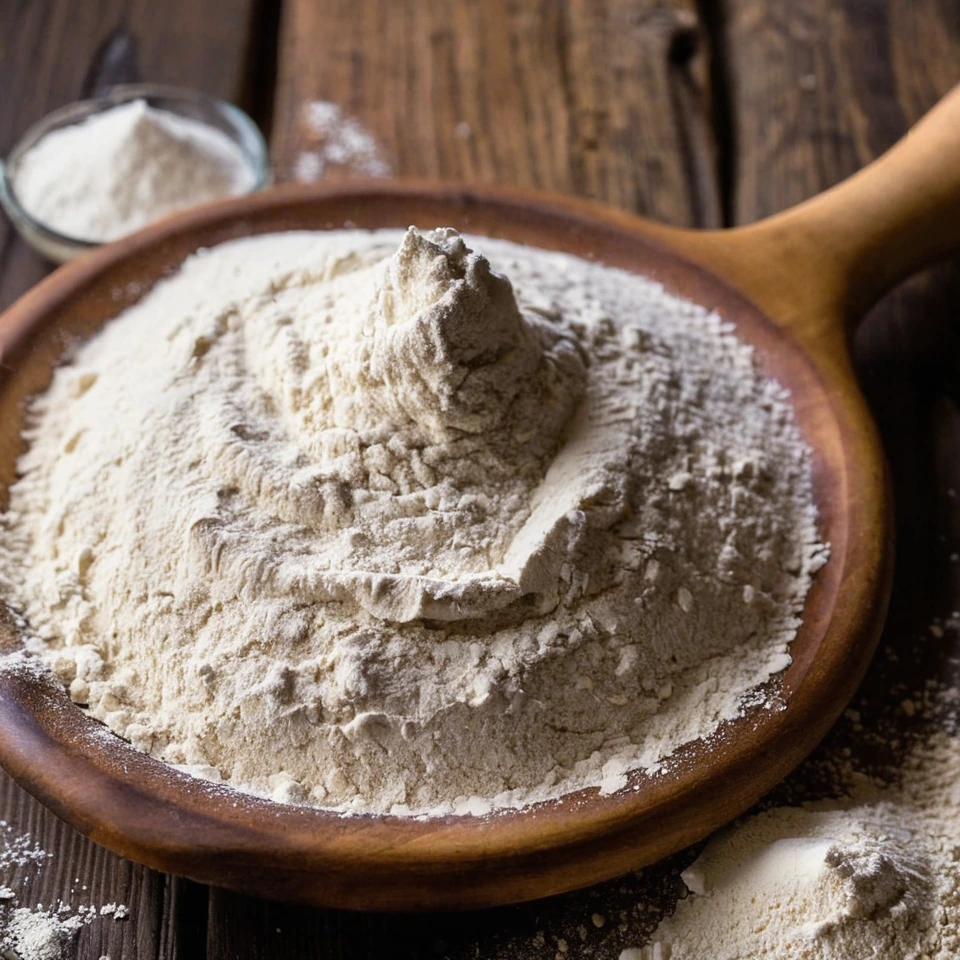
All-Purpose Flour
All-purpose flour is a versatile wheat flour that contains a moderate level of protein and gluten, making it suitable for a wide range of baking and cooking needs.
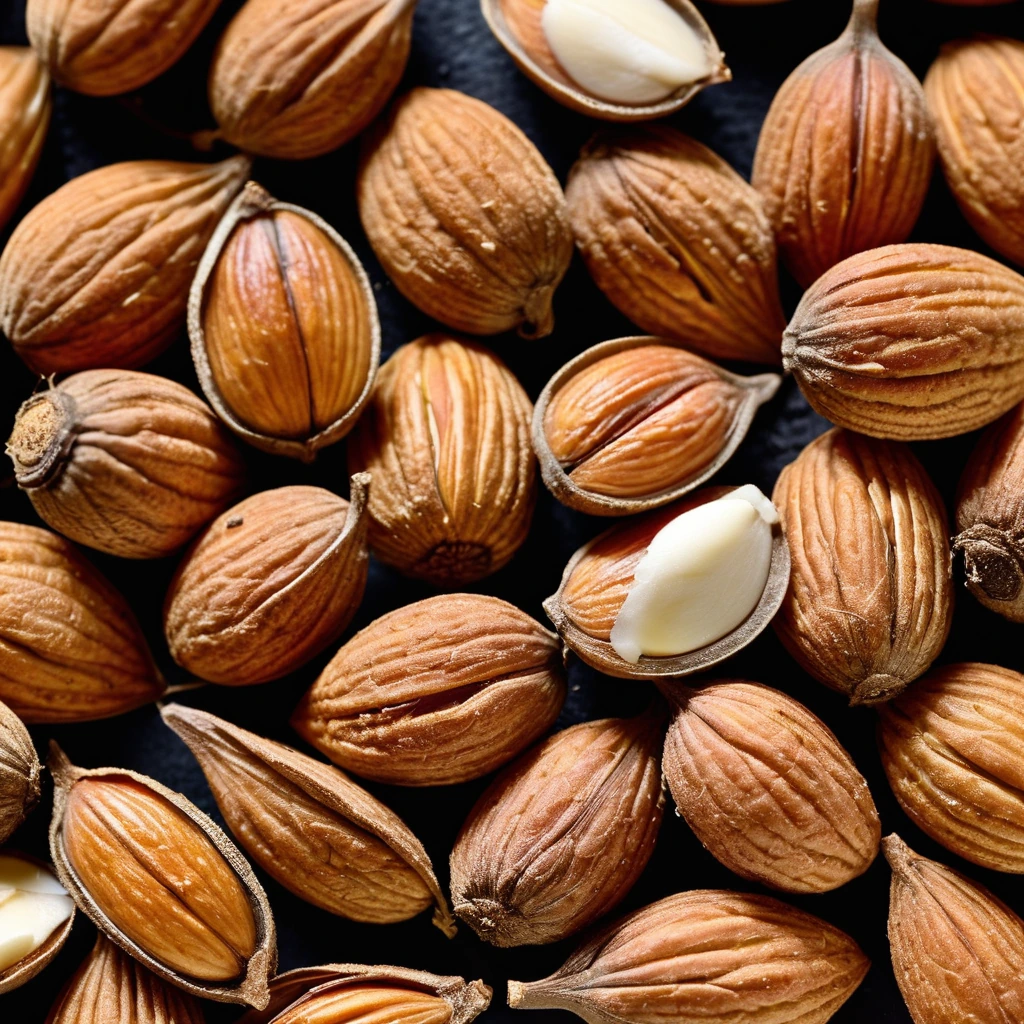
Almond Extract
A fragrant, golden elixir that captures the essence of freshly ground almonds, almond extract is a pantry staple that brings a rich, nutty aroma to your culinary creations.
Recipes to try
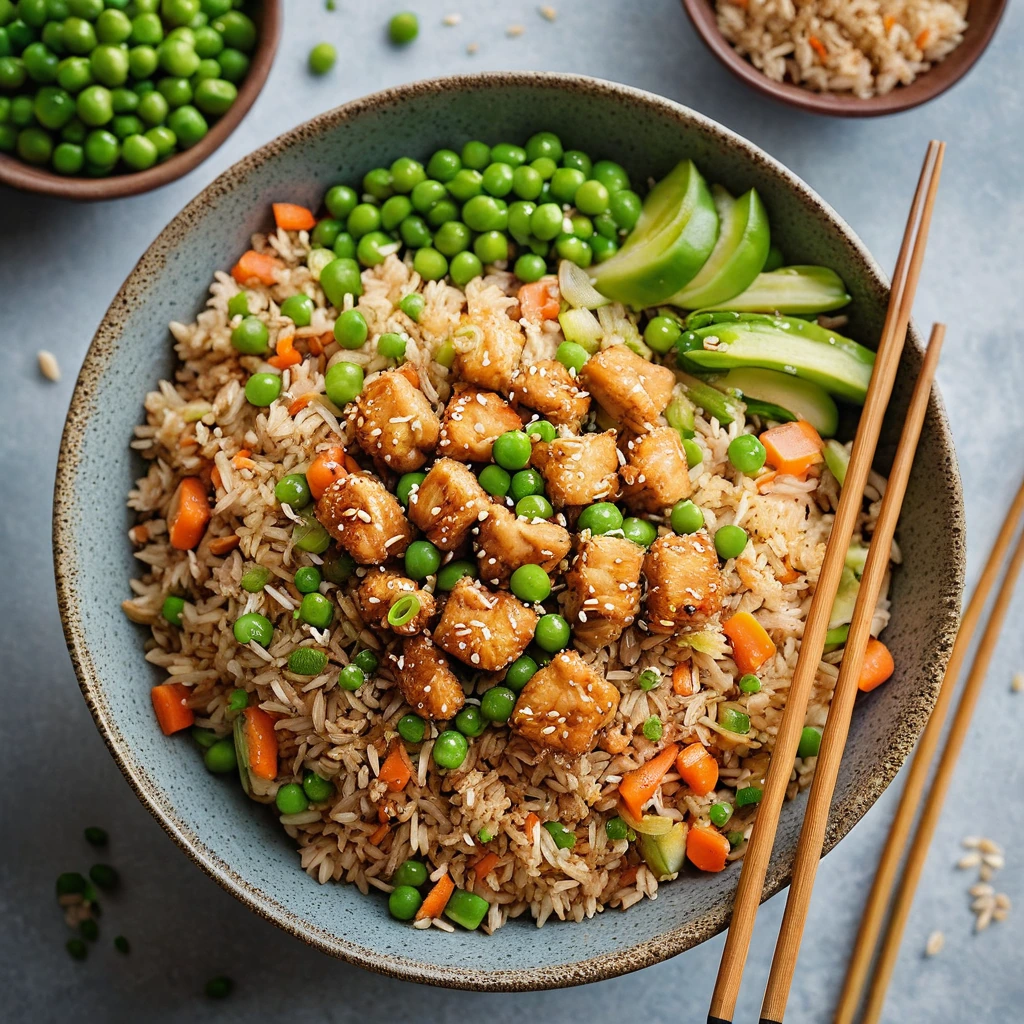
Sesame Chicken Fried Rice with Veggies
Savory fried rice packed with tender chicken, colorful veggies, and toasted sesame seeds for an irresistible nutty crunch.
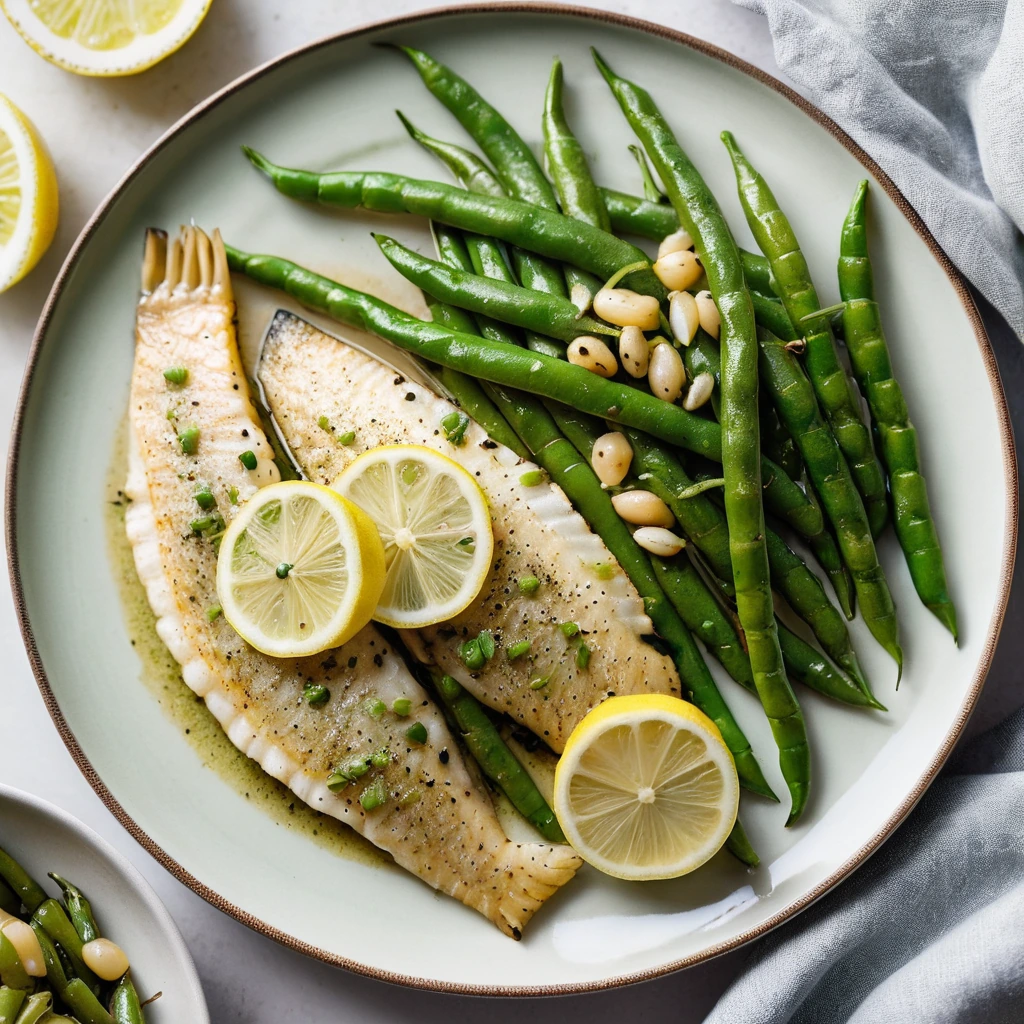
Lemon Pepper Tilapia with Garlic Green Beans
Zesty lemon pepper tilapia fillets served with garlicky, tender-crisp green beans make for a bright and satisfying weeknight meal.