Sauce Technique: Emulsifying Olive Oil and Citrus Without Mustard
Creating a smooth, stable emulsion with olive oil and citrus without mustard is an art that requires patience and precision. Emulsification is the process of combining two liquids that normally wouldn't mix, like oil and water. In this technique, we'll harness the natural emulsifiers found in citrus juice to create a bright, flavorful sauce perfect for salads, seafood, or roasted vegetables. The key is to slowly drizzle in the oil while whisking vigorously to ensure each droplet of oil is enveloped by the citrus juice. This method doesn't rely on mustard, a common emulsifier, making it ideal for those who prefer a purer citrus taste or have dietary restrictions. Understanding the science behind this process helps in troubleshooting common issues like breaking the emulsion or achieving the desired consistency. With practice, you’ll be able to whip up a silky, tangy sauce that elevates any dish with its vibrant flavor and glossy finish.
Notes
The science behind this technique lies in the lecithin found in egg yolks and the natural pectin in citrus juice, which act as emulsifiers. However, in this recipe, we're relying solely on the citrus. To prevent breaking the emulsion, ensure you add the oil very slowly at first. If the sauce does break, you can start over with a small amount of the citrus juice and slowly whisk in the broken sauce. This technique is best performed with room temperature ingredients to avoid shocking the emulsion. Store your sauce in an airtight container in the refrigerator for up to 5 days. Always bring it back to room temperature and whisk before serving to restore its silky texture.
Steps
- 1 Juice one lemon or orange to yield about 1/4 cup of fresh citrus juice.
- 2 Pour the citrus juice into a medium mixing bowl.
- 3 Whisk the juice vigorously to introduce air and start breaking down the natural pectin.
- 4 Slowly drizzle in 1/2 cup of olive oil while whisking constantly in a circular motion.
- 5 Ensure the oil is added drop by drop at first to stabilize the emulsion.
- 6 Once the sauce starts to thicken, you can add the oil in a thin, steady stream.
- 7 Taste and adjust seasoning with salt and pepper to your preference.
- 8 For extra flavor, whisk in a minced garlic clove or a pinch of herbs like parsley or basil.
- 9 Check the consistency; if too thick, whisk in a teaspoon of water or additional citrus juice.
- 10 Transfer the sauce to a serving container.
- 11 Cover and refrigerate until ready to use.
- 12 Before serving, give the sauce a good whisk to recombine any separated elements.
Ingredients to explore
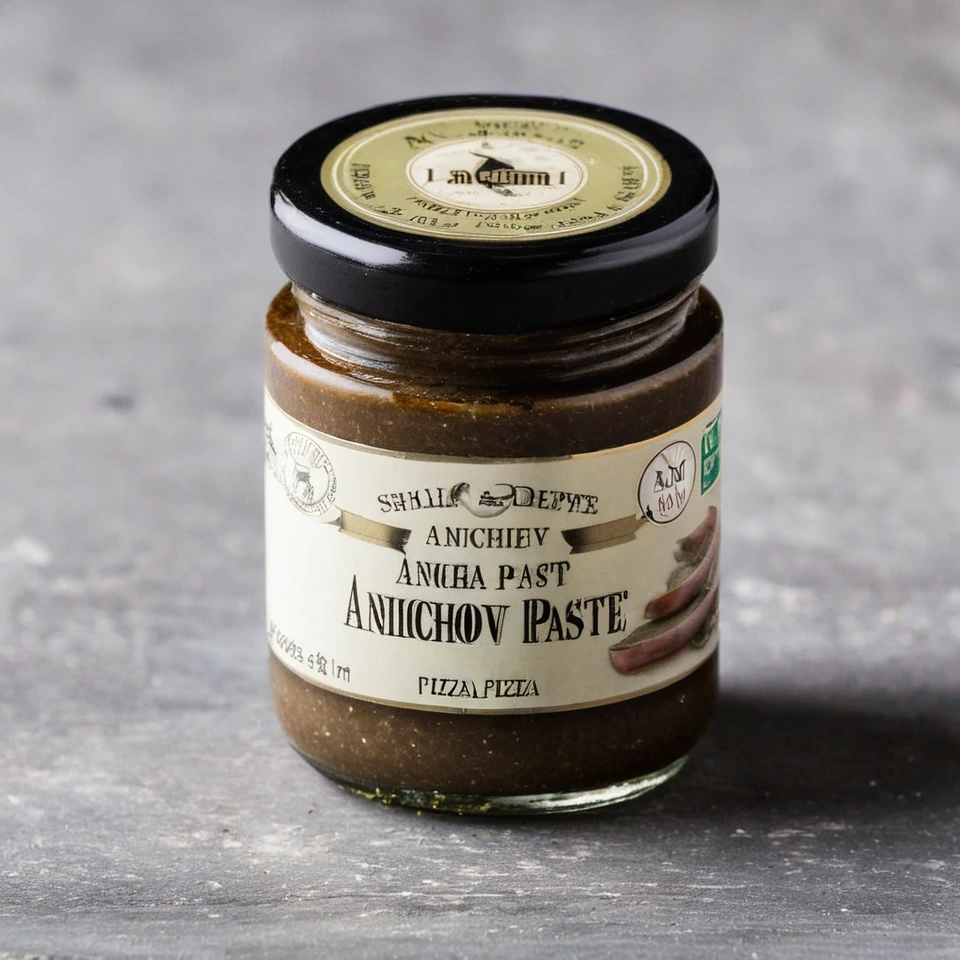
Anchovy Paste
Anchovy paste is a rich, salty spread made from finely ground anchovies, salt, and sometimes olive oil. It offers a deep umami flavor that enhances a variety of dishes.
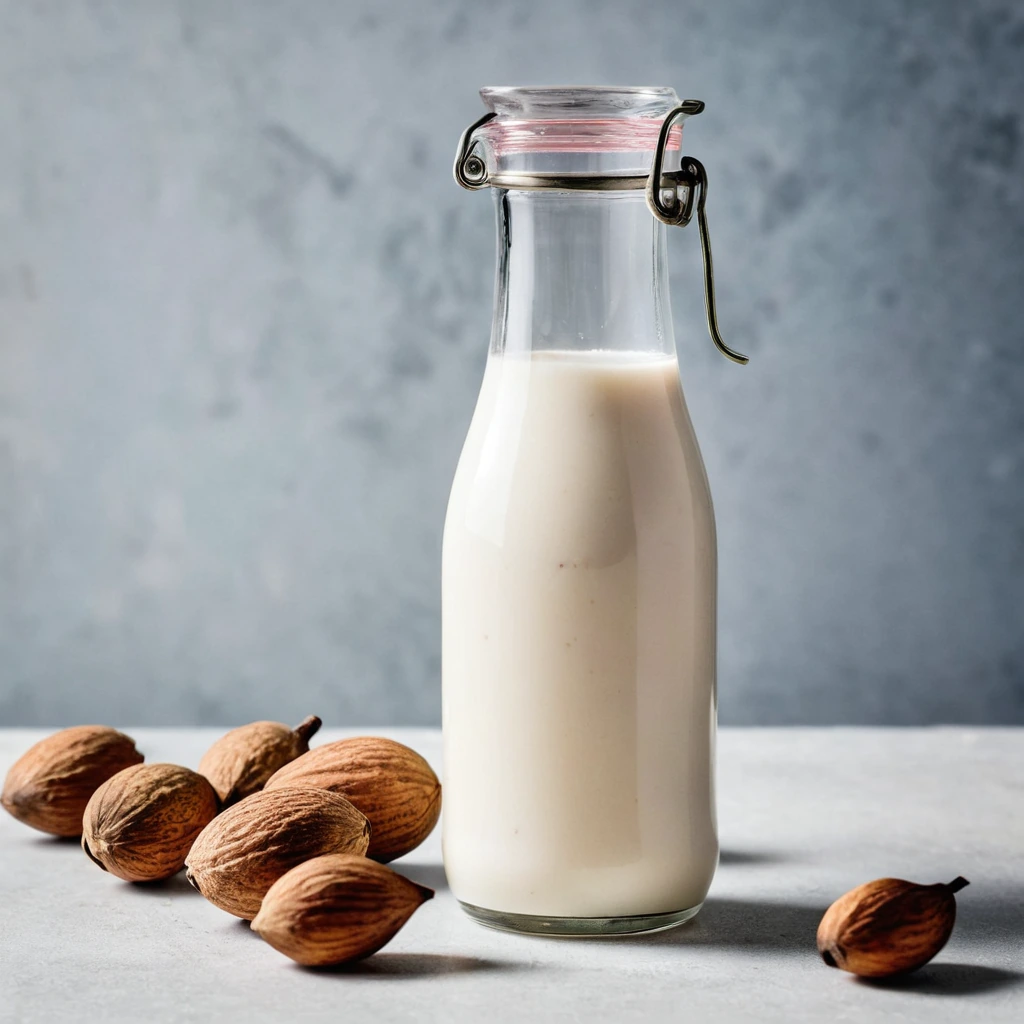
Almond Milk
Almond milk is a plant-based milk alternative made from ground almonds and water. Originating from traditional recipes in medieval Europe and the Middle East, it has gained widespread popularity in modern times as a dairy-free option. Almond milk has a subtly nutty flavor with a mild sweetness, and its aroma is reminiscent of fresh almonds. Its texture is smooth and creamy, though typically lighter than dairy milk. In cooking, almond milk behaves well in both savory and sweet applications, though it does not brown or caramelize like dairy milk. It is often used in cereals, smoothies, and baking, where its delicate flavor complements rather than overpowers other ingredients.
Recipes to try

Pumpkin Spice Cheesecake Swirl Brownies
Indulge in the cozy combo of fudgy brownies with a creamy pumpkin cheesecake swirl - autumn's dream dessert come to life.
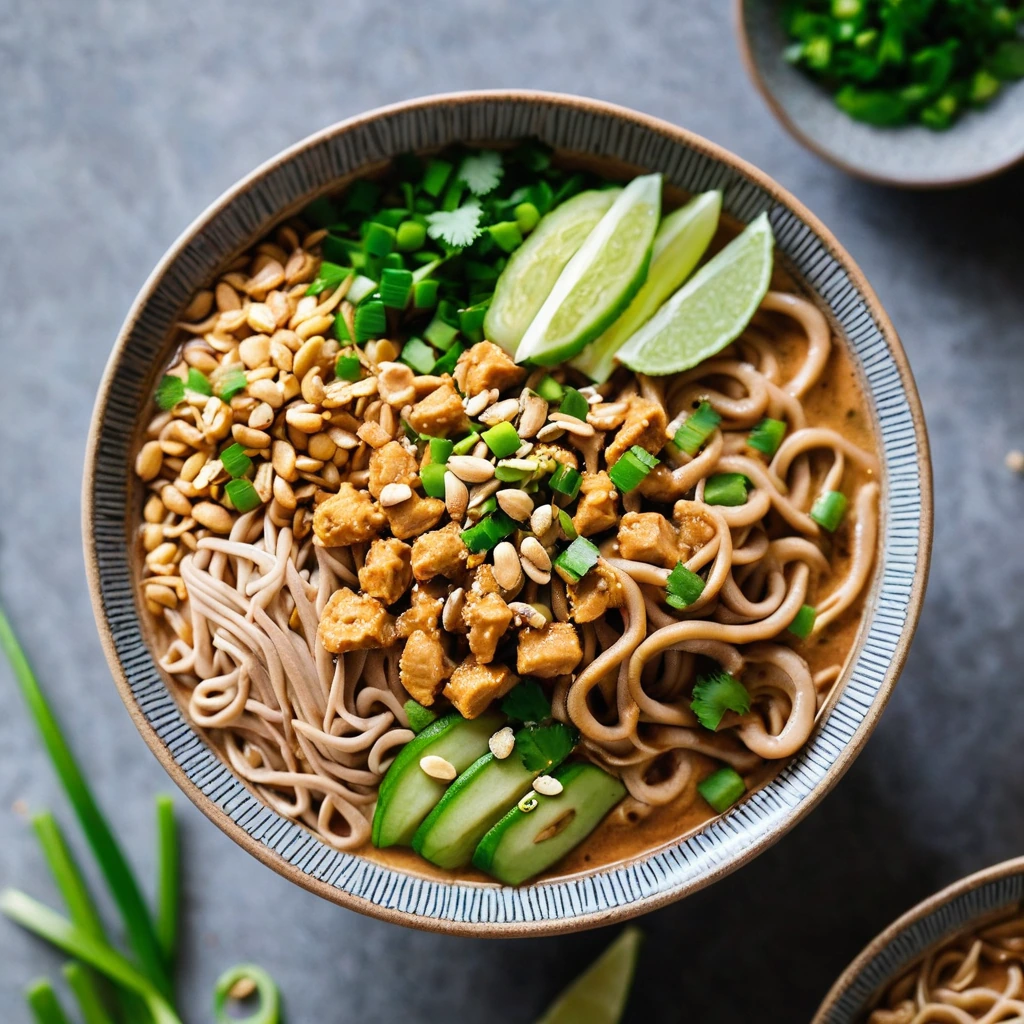
Spicy Peanut Chicken Noodle Bowls
Creamy peanut sauce clings to tender chicken and chewy noodles in a vibrant, fiery bowl that's comfort food on steroids.