Sauce Technique: Creating Yogurt-Based Sauces Without Curdling
Creating a smooth, creamy yogurt-based sauce is an art that requires finesse and attention to detail. Yogurt, with its tangy flavor and rich texture, is a versatile base for sauces that can elevate everything from curries to roasted vegetables. However, the delicate proteins in yogurt can easily curdle when exposed to heat, leading to a broken sauce. Fear not, for with the right technique, you can create luscious yogurt sauces that remain smooth and velvety. This technique involves tempering the yogurt, which gradually raises its temperature to prevent curdling. Understanding the science behind this process is key: when yogurt proteins are heated too quickly, they tighten and separate. By slowly introducing warm liquids or fats into the yogurt, you give these proteins time to adjust, maintaining their structure. Additionally, incorporating acidic ingredients like lemon juice or vinegar requires care, as they can destabilize the proteins further. This guide walks you through each step with precision, ensuring your yogurt sauce is a creamy success every time.
Notes
The science behind this technique lies in the gradual temperature increase, which prevents the yogurt proteins from seizing up and curdling. A common mistake is adding yogurt directly to a hot pan, which almost guarantees a broken sauce. Always temper your yogurt to ensure a smooth outcome. When storing, keep the sauce refrigerated in an airtight container for up to 3 days. To reheat, do so gently over low heat or in short bursts in the microwave, stirring frequently. Safety-wise, ensure all ingredients are fresh and use pasteurized yogurt to avoid any risk of foodborne illness.
Steps
- 1 Choose a high-quality, full-fat plain yogurt for the best texture and flavor.
- 2 Measure out the amount of yogurt needed for your recipe.
- 3 Prepare a small saucepan with the warm liquid or fat you plan to mix with the yogurt, heating it to about 160°F.
- 4 Whisk a portion of the warm liquid into the yogurt gradually, a little at a time, to begin tempering it.
- 5 Continue whisking until about half of the warm liquid has been incorporated into the yogurt.
- 6 Slowly pour the tempered yogurt mixture back into the saucepan with the remaining warm liquid.
- 7 Whisk continuously over low heat, ensuring the sauce does not exceed 180°F to avoid curdling.
- 8 Add any additional seasonings or acids gradually, tasting as you go.
- 9 Remove the sauce from heat once it reaches your desired consistency and flavor.
- 10 Let the sauce cool slightly before serving to allow flavors to meld.
Ingredients to explore
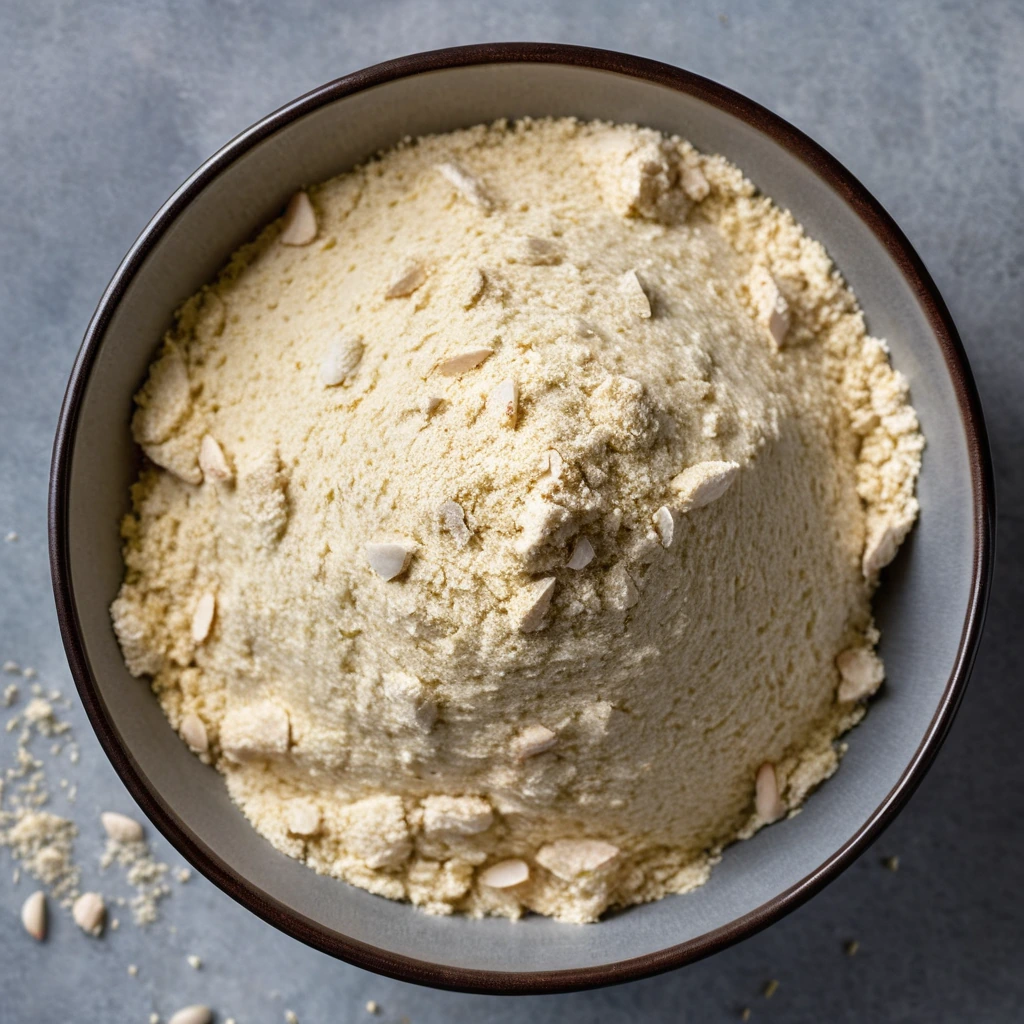
Almond Flour
A finely ground flour made from blanched almonds, offering a delicate nutty aroma and a tender crumb to your baked goods.
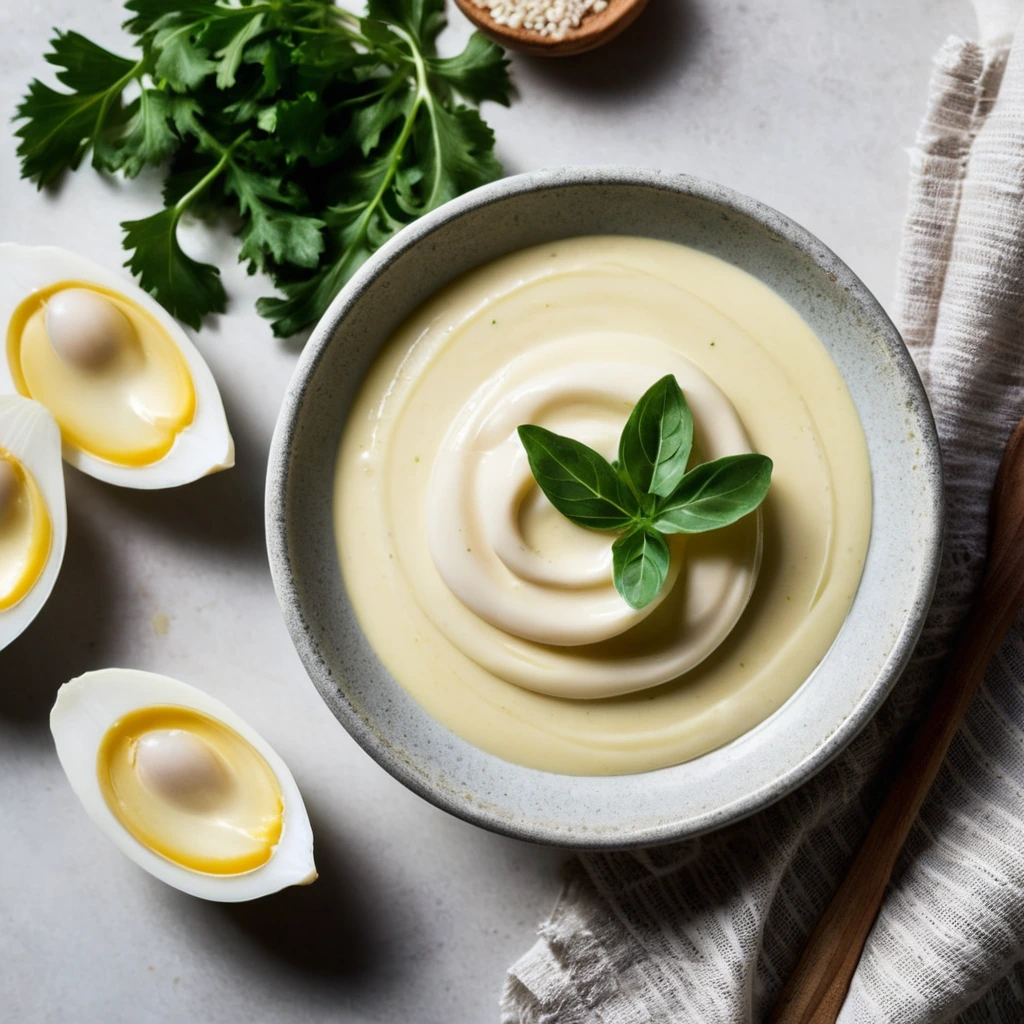
Aioli
A luscious, velvety emulsion of garlic and olive oil, aioli is a rich and aromatic sauce that dances on the palate with its creamy texture and bold, pungent flavor.
Recipes to try

Shrimp Alfredo Stuffed Pasta Shells
Creamy, cheesy alfredo sauce stuffed into plump pasta shells and topped with succulent shrimp—comfort food at its finest.
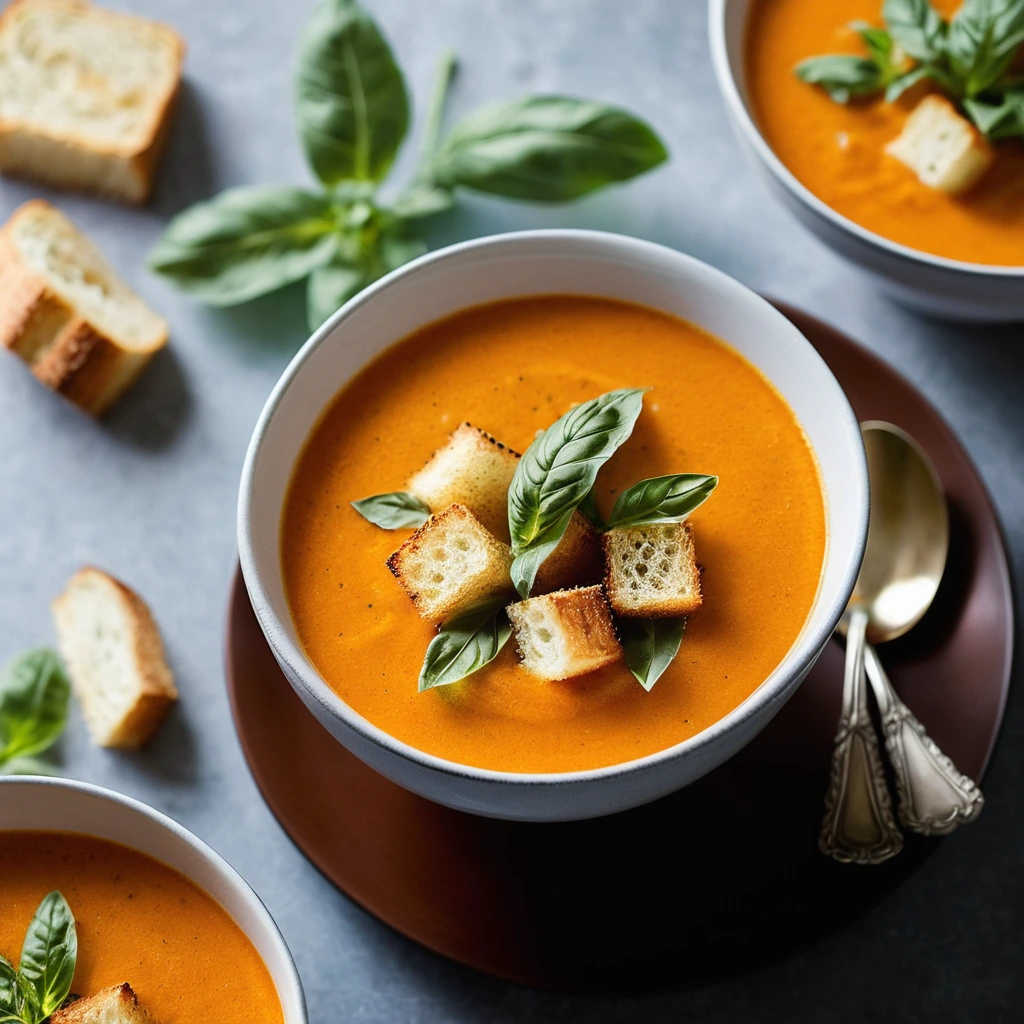
Roasted Garlic and Tomato Basil Soup with Croutons
Creamy, fragrant, and bursting with roasted garlic sweetness, this soup is comfort in a bowl, crowned with golden, crunchy croutons.