Sauce Technique: Blooming Tomato Paste for Deeper Color
Unlocking the full potential of tomato paste can transform your sauces from ordinary to extraordinary. Blooming tomato paste is a technique that amplifies its color and flavor, making it a must-know for any home cook aiming to elevate their culinary creations. This method involves gently cooking the tomato paste in fat before adding other ingredients. The process caramelizes the sugars in the paste, deepening its hue and intensifying its rich, savory taste. Beyond just aesthetics, this technique also enhances the overall flavor profile of your sauce, adding layers of complexity that store-bought options can't match. Whether you're making a classic marinara, a robust Bolognese, or a simple tomato sauce for pasta, blooming tomato paste is a simple yet powerful step that shouldn't be overlooked. Understanding the science behind this technique can help you appreciate why it works so well: the Maillard reaction, which occurs when amino acids and reducing sugars react under heat, is responsible for the browning and flavor development. By taking the time to properly bloom tomato paste, you're setting the stage for a sauce that's not only visually appealing but also bursting with flavor. This guide will walk you through the process, offering tips to avoid common pitfalls and ensuring your sauce turns out perfectly every time.
Notes
Blooming tomato paste works because it allows the sugars and compounds within the paste to undergo the Maillard reaction, enhancing both color and flavor. Common mistakes include using too high of heat, which can burn the paste, or not stirring frequently enough, leading to uneven browning. To avoid burning, keep the heat at a gentle medium and stay attentive. This technique is versatile and can be used with any fat, such as butter or oil, depending on the recipe. For make-ahead meals, prepare your sauce up to the point of adding fresh herbs or delicate ingredients, then store it in an airtight container in the refrigerator for up to 5 days or freeze for up to 3 months.
Steps
- 1 Heat 2 tablespoons of olive oil in a large skillet over medium heat.
- 2 Once the oil is shimmering, add 2 tablespoons of tomato paste.
- 3 Stir the tomato paste constantly with a wooden spoon.
- 4 Continue stirring for 2-3 minutes, watching for the paste to darken and become aromatic.
- 5 The paste should start to release a rich, roasted aroma.
- 6 Ensure the paste doesn't burn; lower the heat if necessary.
- 7 Once the paste has deepened in color, add your other sauce ingredients.
- 8 Stir well to combine and continue cooking your sauce as desired.
Ingredients to explore
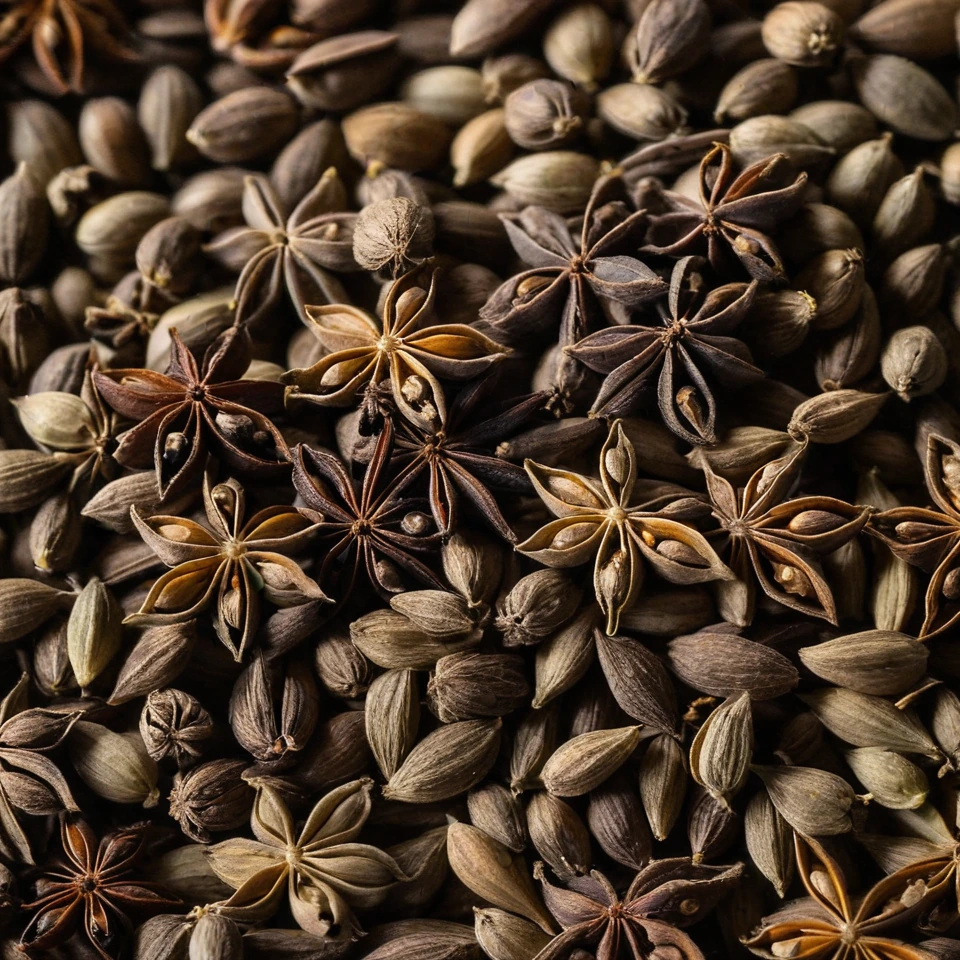
Anise Seeds
Anise seeds are small, oval seeds with a sweet, licorice-like flavor. They are commonly used in both sweet and savory dishes, offering a warm, aromatic taste.
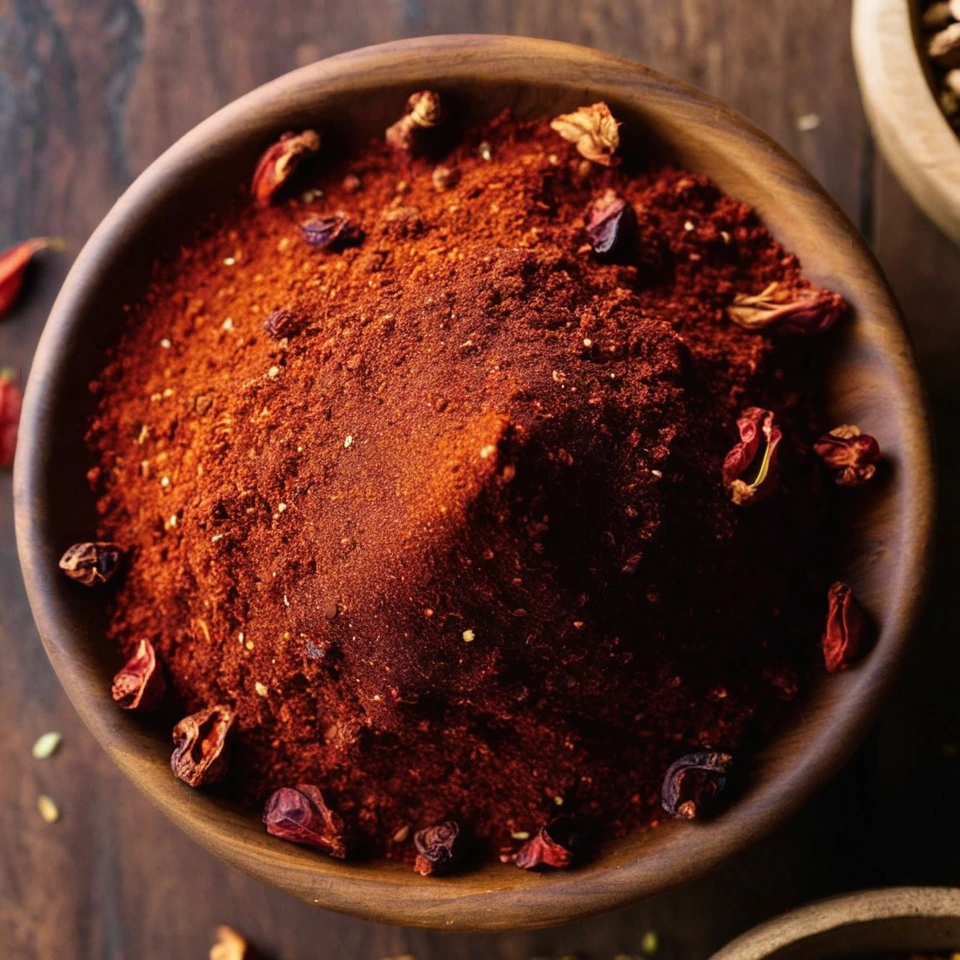
Aleppo Pepper
Aleppo pepper offers a harmonious balance of heat and sweetness, with a subtle fruity aroma reminiscent of sun-dried tomatoes and currants. Originating from the region around Aleppo, Syria, it has a fine, slightly coarse texture that shatters easily between fingers. Its mild yet complex flavor profile makes it a prized seasoning for enhancing dishes without overwhelming them. Valued for its versatility, it bridges the gap between spice and seasoning, bringing a touch of warmth and depth to a variety of cuisines.
Recipes to try

Smoky Black Bean and Corn Soup with Lime
This soup is a tangy, smoky hug in a bowl, with the fresh zing of lime cutting through rich black beans and sweet corn.
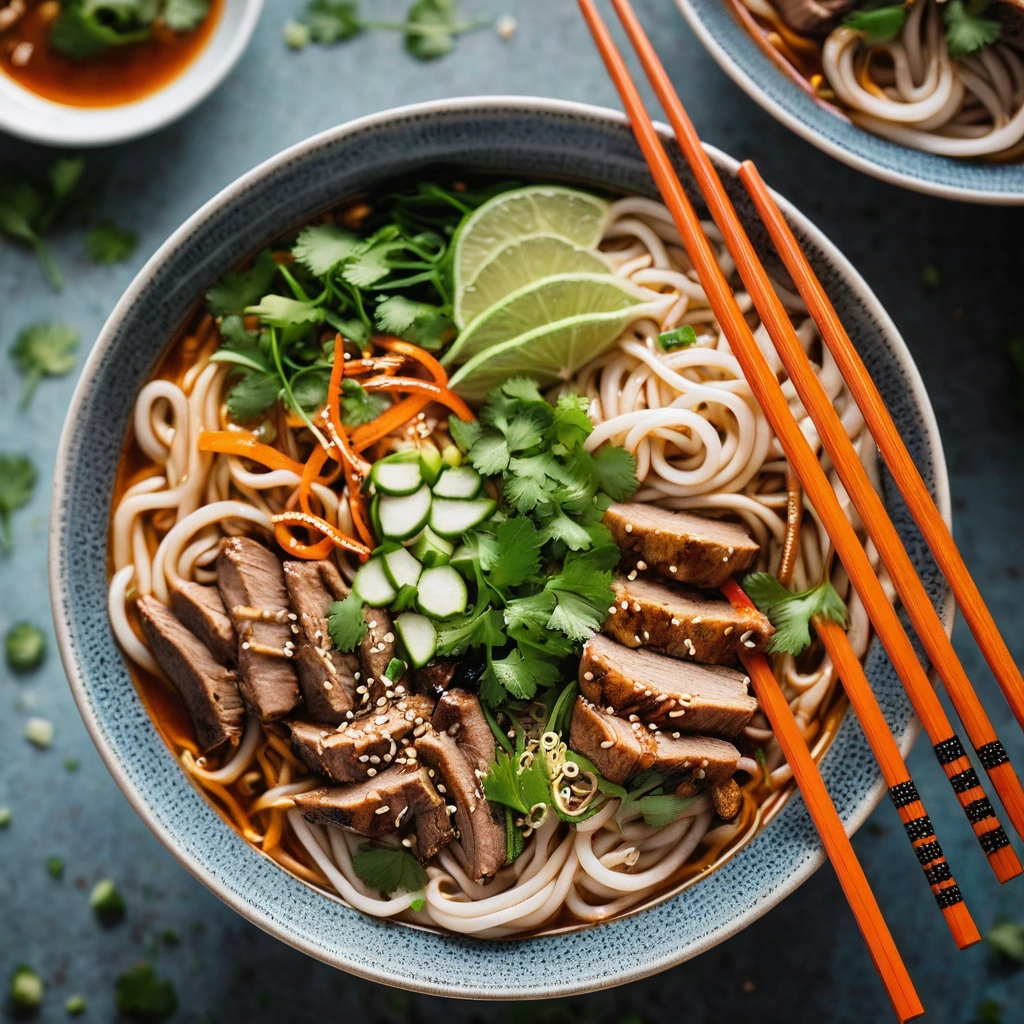
Sweet Chili Pork Noodle Bowls
Tender pork and chewy noodles are smothered in a tangy, sweet chili sauce that'll have you coming back for seconds.