Sauce Technique: Blooming Spices in Oil Before Adding Liquids
Creating a flavorful sauce starts with understanding how to properly bloom spices in oil. This technique is crucial for releasing the essential oils and aromatic compounds in spices, ensuring that your sauce is bursting with flavor. By gently heating spices in oil before adding any liquids, you unlock a depth of taste that transforms ordinary dishes into extraordinary ones. This method is particularly effective for spices like cumin, coriander, mustard seeds, and curry powders. The process is simple yet requires attention to detail to avoid burning the spices, which can lead to bitterness rather than the desired aromatic profile. Blooming spices also helps in creating a cohesive sauce where the flavors are well integrated and balanced. Whether you're making a classic Indian curry, a Moroccan tagine, or a simple Italian tomato sauce, mastering this technique will elevate your culinary creations. Understanding the science behind why spices behave the way they do in oil can demystify the process and make you feel more confident in your cooking endeavors. Let’s dive into how this technique works and how you can incorporate it into your cooking routine.
Notes
The science behind blooming spices is rooted in their volatile compounds, which are released when heated gently. This process enhances the flavor profile by activating these compounds, which are then carried by the oil throughout your sauce. A common mistake is using too high of heat, which can quickly lead to burnt spices and a bitter taste. To avoid this, always start with a low to medium heat setting. Another mistake is overcrowding the pan, which can cause uneven heating and result in some spices burning while others remain undercooked. For storage, allow the sauce to cool completely before refrigerating in an airtight container for up to a week. Alternatively, freeze portions for longer storage. Always ensure the sauce is fully cooled before freezing to maintain texture and flavor.
Steps
- 1 Select a heavy-bottomed saucepan to ensure even heat distribution.
- 2 Add 2 to 3 tablespoons of neutral oil to the pan over medium-low heat.
- 3 Allow the oil to warm up gently, just until it shimmers.
- 4 Add whole spices first, if using, such as cumin seeds or mustard seeds.
- 5 Listen for the spices to begin to pop, signaling they are releasing their aroma.
- 6 After 30 seconds to 1 minute, add ground spices like coriander or turmeric.
- 7 Stir constantly to prevent the spices from burning, for about 1 to 2 minutes.
- 8 Look for a change in color and intensified aroma as indicators of blooming.
- 9 Once fragrant, immediately proceed to add your liquid ingredients.
- 10 Adjust heat as necessary to prevent scorching once liquids are added.
- 11 Simmer gently, allowing the flavors to meld together.
- 12 Taste and adjust seasoning as needed.
- 13 Finish the sauce with fresh herbs or a squeeze of lemon for brightness, if desired.
Ingredients to explore

American Cheese Slices
Those iconic, perfectly pliable slices of creamy, mild American cheese. Each slice boasts a smooth, melt-in-your-mouth texture that brings comfort to any dish.
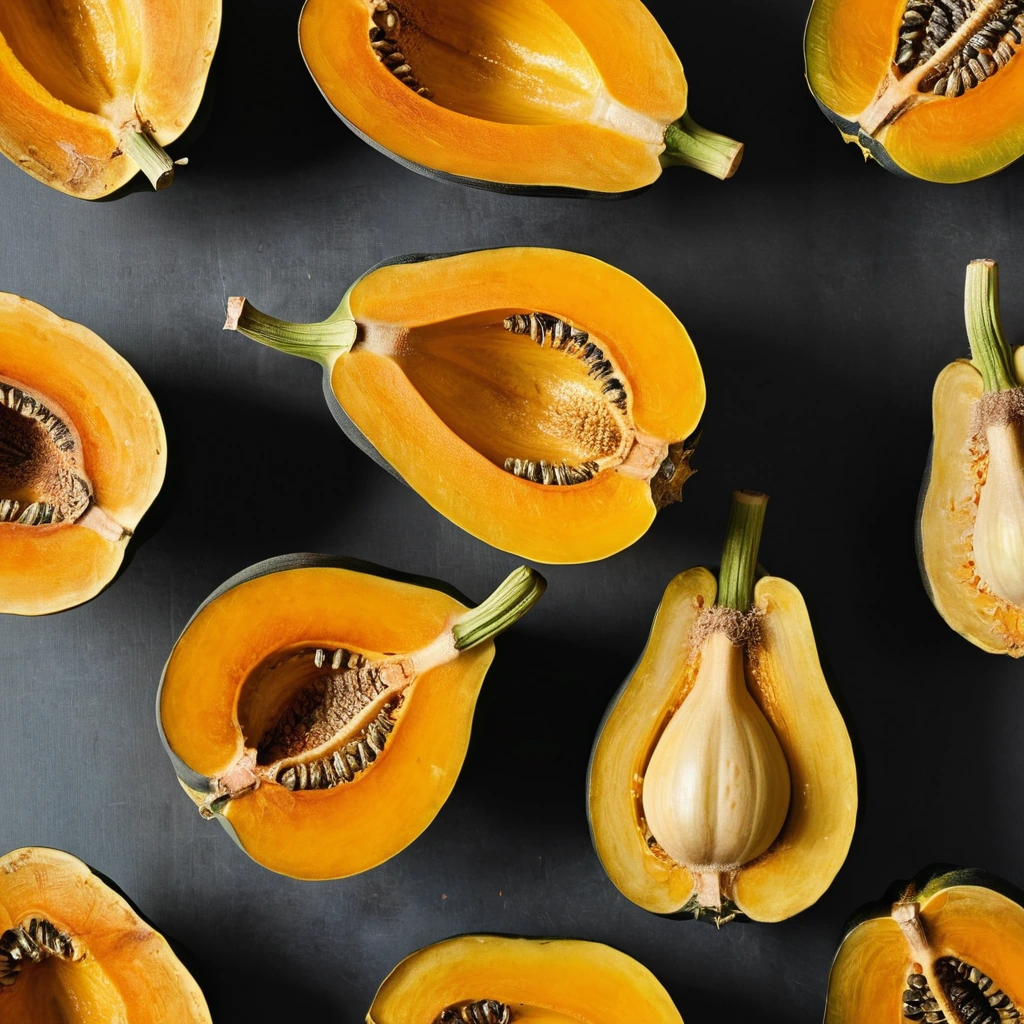
Acorn Squash
Acorn squash is a winter squash variety known for its distinctive teardrop shape and deep ridges resembling the texture of an acorn shell. Originating in the Americas, it has been cultivated for centuries and is a staple in autumn cuisine. The flesh is sweet and nutty with a hint of earthiness, offering a delightful contrast to savory dishes. Its texture is dense yet tender when cooked, making it ideal for roasting or pureeing. In cooking, acorn squash holds its shape well and absorbs flavors from herbs and spices, enhancing both its taste and versatility in recipes.
Recipes to try
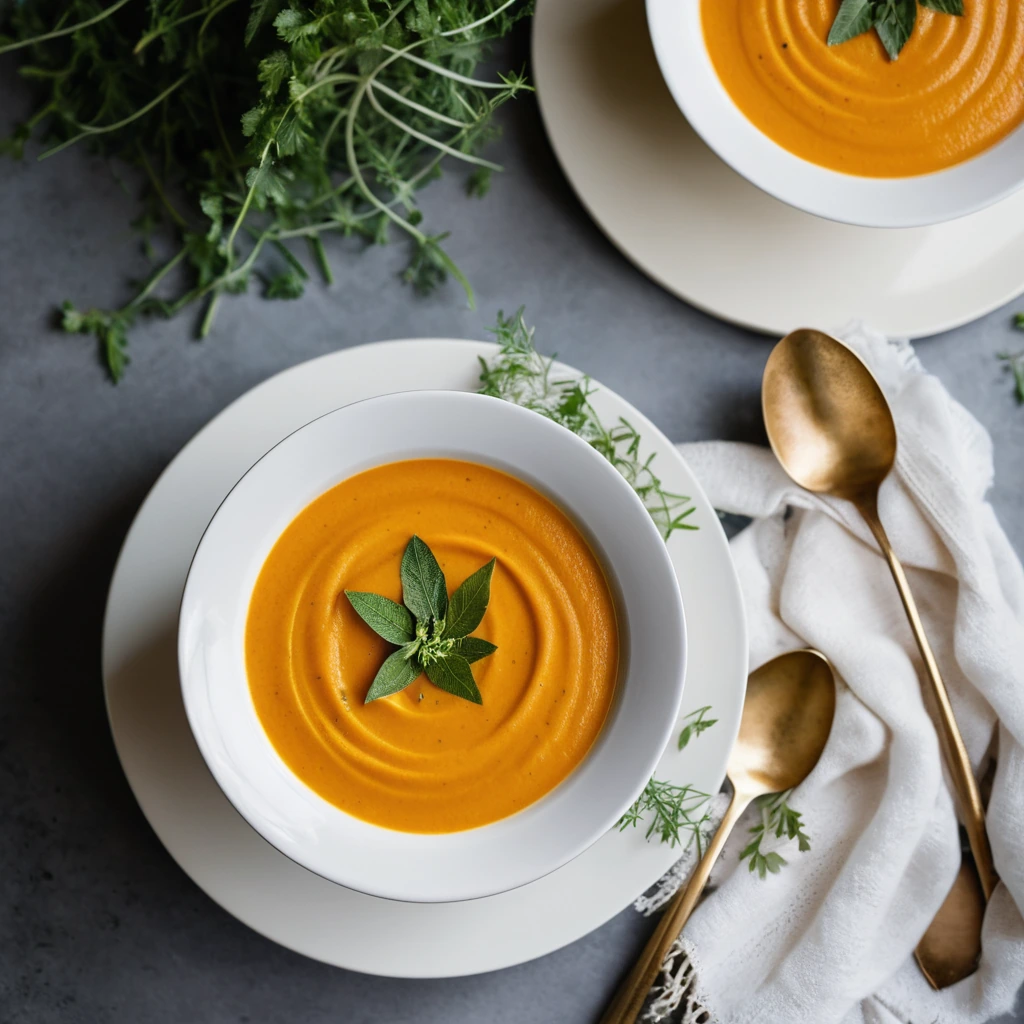
Pumpkin and Sweet Potato Bisque
Creamy and comforting, this bisque marries the earthy sweetness of pumpkin with the subtle nuttiness of sweet potato.
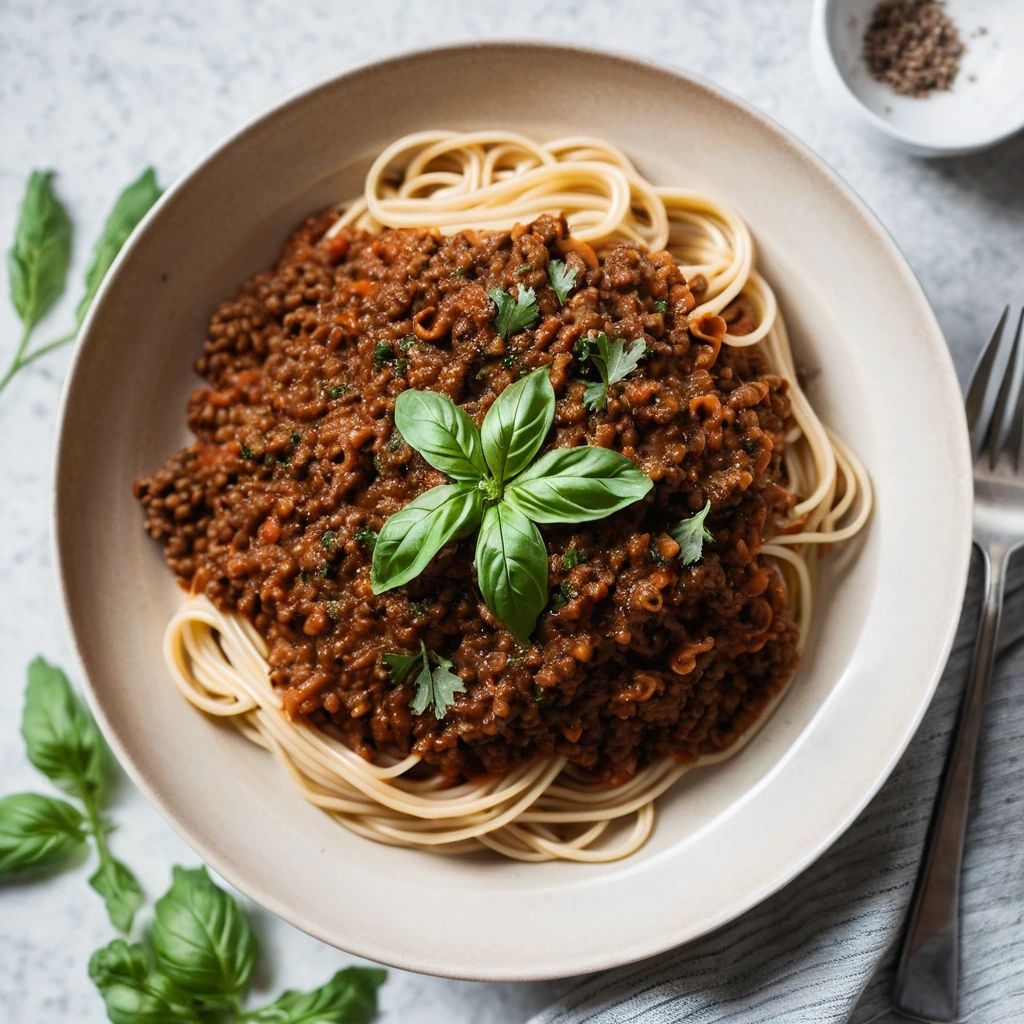
Mushroom and Lentil Bolognese over Spaghetti
A hearty, savory Bolognese packed with earthy mushrooms and protein-rich lentils, served over perfectly al dente spaghetti.