Sauce Technique: Blending Smooth Puree Soups Without Gluey Texture
Creating a smooth, velvety soup is an art that many home cooks aspire to master. The key to achieving this lies in understanding the nuances of blending techniques that prevent the dreaded gluey texture. This technique focuses on how to transform cooked vegetables or legumes into a silky soup without ending up with a paste-like consistency. Firstly, it's important to cook your ingredients until they are very tender, as this breaks down the cell walls and makes blending easier. Secondly, adding liquid in stages helps control the texture and prevents the blender from becoming overworked. Thirdly, consider the temperature of your soup before blending; hot liquids can create pressure build-up in blenders, leading to potential hazards. Fourthly, use the right tool for the job—immersion blenders are fantastic for soups because they allow you to blend directly in the pot, reducing the risk of spills and burns. Fifthly, if using a countertop blender, blend in batches to avoid overcrowding. Sixthly, adding a small amount of oil or butter before blending can help create a smoother texture by coating the ingredients and reducing friction. Seventhly, strain your soup through a fine-mesh sieve to catch any stubborn fibers or skins that could contribute to a gluey texture. Lastly, remember that patience is key; take your time to ensure each step is done correctly for the best results. With these insights, you'll be blending soups like a seasoned chef in no time.
Notes
The science behind this technique lies in breaking down plant cell walls through cooking and mechanical force. The addition of liquid and fat helps to lubricate and separate fibers, preventing them from clumping together and creating a gluey texture. Common mistakes include overcrowding the blender, which can lead to uneven blending and potential safety hazards, and not allowing the soup to cool sufficiently before blending, which can cause splatters. For safety, always use a towel to cover the blender lid when processing hot liquids to prevent any accidents. As for make-ahead and storage, smooth soups can be refrigerated for up to 3 days or frozen for up to 3 months. When reheating, do so gently to avoid breaking the emulsion and causing separation.
Steps
- 1 Cook your vegetables or legumes until they are fork-tender.
- 2 Reserve some of the cooking liquid before draining.
- 3 Allow the soup to cool slightly to prevent splattering when blending.
- 4 Use an immersion blender directly in the pot for convenience, or transfer small batches to a countertop blender.
- 5 If using a countertop blender, fill it no more than halfway to allow room for expansion.
- 6 Add a drizzle of oil or a pat of butter before blending to aid smoothness.
- 7 Blend until completely smooth, using the reserved cooking liquid to achieve desired consistency.
- 8 Strain the soup through a fine-mesh sieve to remove any remaining fibers or skins.
- 9 Reheat the soup gently, adding more liquid if necessary to reach your preferred texture.
- 10 Taste and adjust seasoning, remembering that flavors will intensify upon reheating.
Ingredients to explore
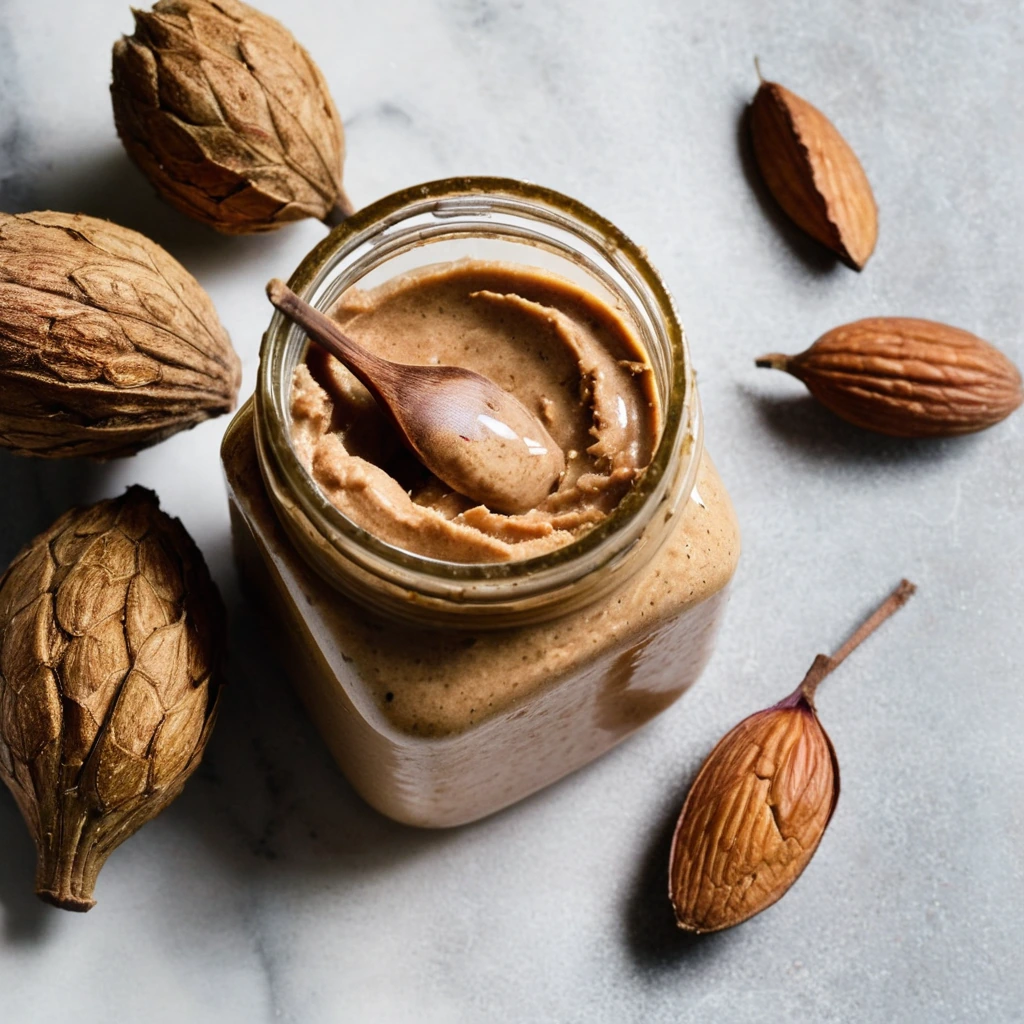
Almond Butter
A velvety, nutty spread crafted from finely ground almonds, offering a rich and satisfying flavor that's both comforting and indulgent.
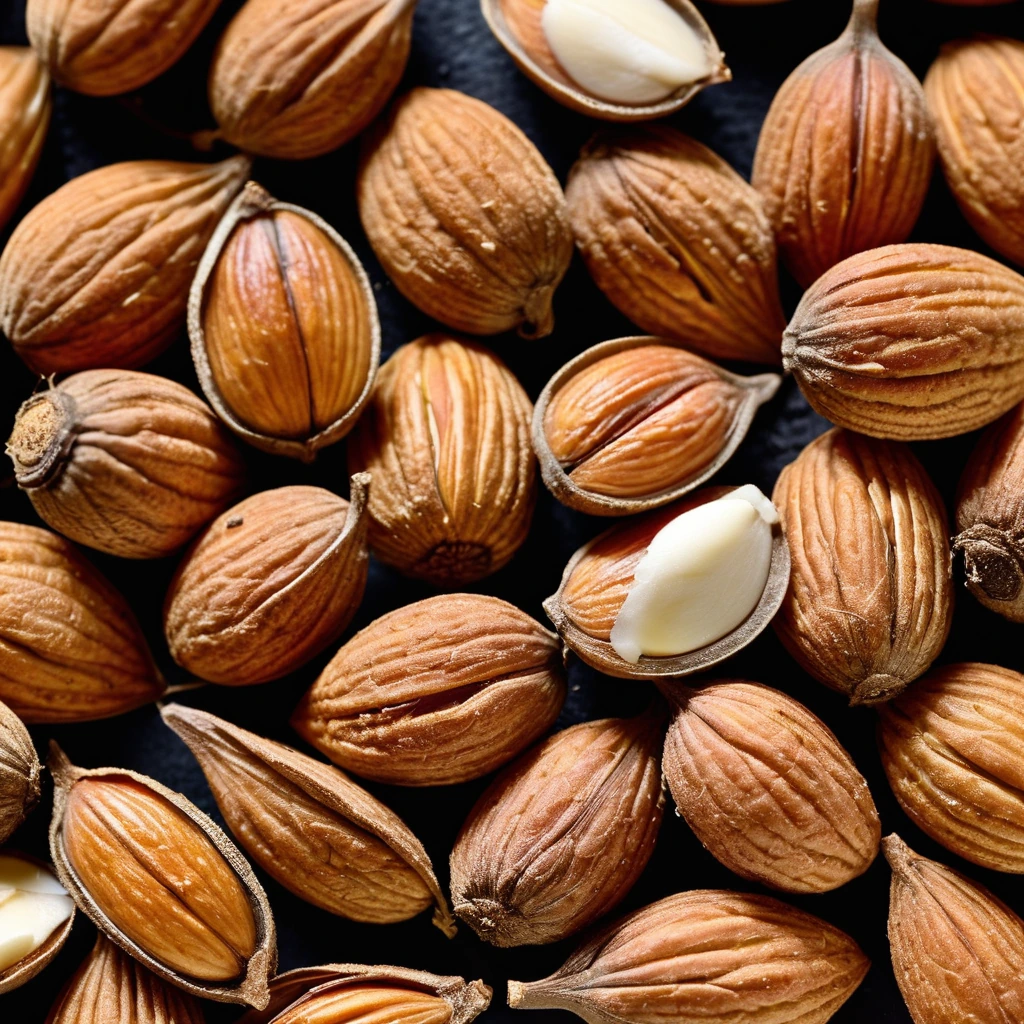
Almond Extract
A fragrant, golden elixir that captures the essence of freshly ground almonds, almond extract is a pantry staple that brings a rich, nutty aroma to your culinary creations.
Recipes to try
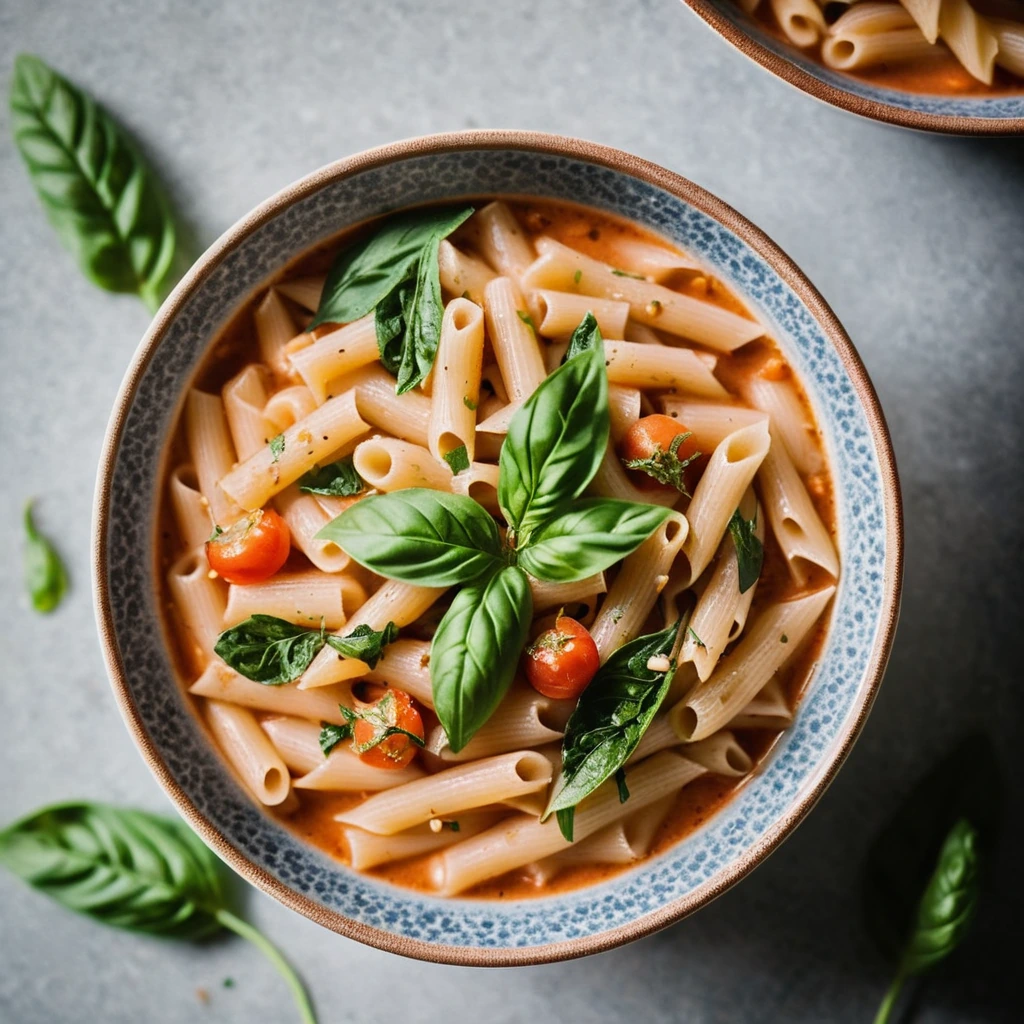
One-Pot Tuscan White Bean and Pasta Stew
Warm up with this hearty stew where tender pasta mingles with creamy cannellini beans in a rich, garlicky tomato broth.
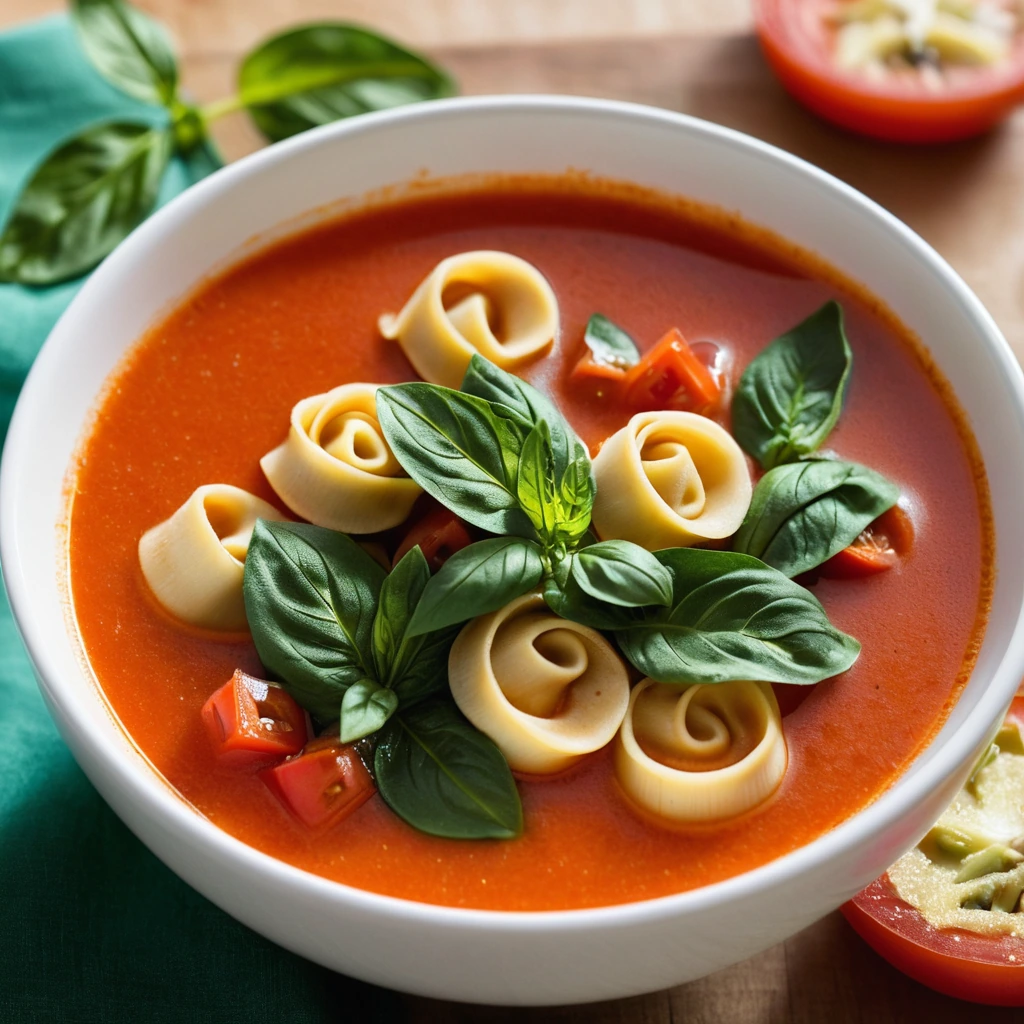
Tomato Tortellini Soup with Spinach
Warm up with this hearty, vibrant soup that's brimming with juicy tomatoes, tender tortellini, and a lush swirl of spinach.