Sauce Technique: Blending Hot Sauces with Fresh Herbs After Cooling
Creating a vibrant, flavorful sauce by blending hot sauces with fresh herbs is a technique that brings a burst of freshness and complexity to any dish. This method allows home cooks to harness the boldness of hot sauces while infusing them with the aromatic qualities of fresh herbs. The key to this technique is timing: waiting until the sauce has cooled before blending ensures that the herbs retain their color, texture, and flavor. This guide will walk you through the process step-by-step, offering insights into why cooling is crucial and how to avoid common pitfalls. Whether you're enhancing a simple pasta dish or adding a zesty kick to grilled meats, mastering this sauce technique will elevate your cooking game.
Notes
The science behind cooling before blending lies in preserving the volatile compounds in fresh herbs that contribute to their aroma and taste. When herbs are exposed to heat, these compounds can dissipate, leading to a less vibrant sauce. Troubleshooting common mistakes includes ensuring herbs are dry before blending to prevent water dilution and avoiding over-blending, which can turn the sauce bitter. Safety is paramount; always use a heat-resistant container for cooling and allow ample time for the sauce to reach room temperature to prevent burns. For make-ahead convenience, store the sauce in an airtight container for up to one week. Proper storage maintains freshness and prevents spoilage.
Steps
- 1 Prepare your hot sauce by simmering it gently on the stove until heated through.
- 2 Remove the hot sauce from the heat and let it cool to room temperature.
- 3 Meanwhile, wash and dry fresh herbs thoroughly; choose herbs like cilantro, basil, or parsley.
- 4 Once the sauce has cooled, transfer it to a blender or food processor.
- 5 Add the fresh herbs to the blender or food processor with the cooled sauce.
- 6 Blend the mixture until smooth, scraping down the sides as needed.
- 7 Taste the sauce and adjust seasoning with salt, pepper, or additional hot sauce if desired.
- 8 Strain the sauce through a fine-mesh sieve if a completely smooth texture is preferred.
- 9 Transfer the finished sauce to a clean container for storage.
- 10 Refrigerate the sauce until ready to use, ensuring it stays fresh and flavorful.
Ingredients to explore

Andouille Sausage
Andouille sausage is a coarse-grained, smoked pork sausage with a rich history rooted in French cuisine, particularly from the Alsace region. It was adapted in Louisiana, where it became a staple in Cajun and Creole cooking. The sausage is known for its robust, smoky flavor with hints of garlic, pepper, and other spices, creating a spicy and savory profile. Its texture is firm yet slightly chewy, making it a hearty addition to dishes. When cooked, andouille sausage maintains its shape well and infuses dishes with its distinctive smoky essence, enhancing stews, soups, and rice dishes.
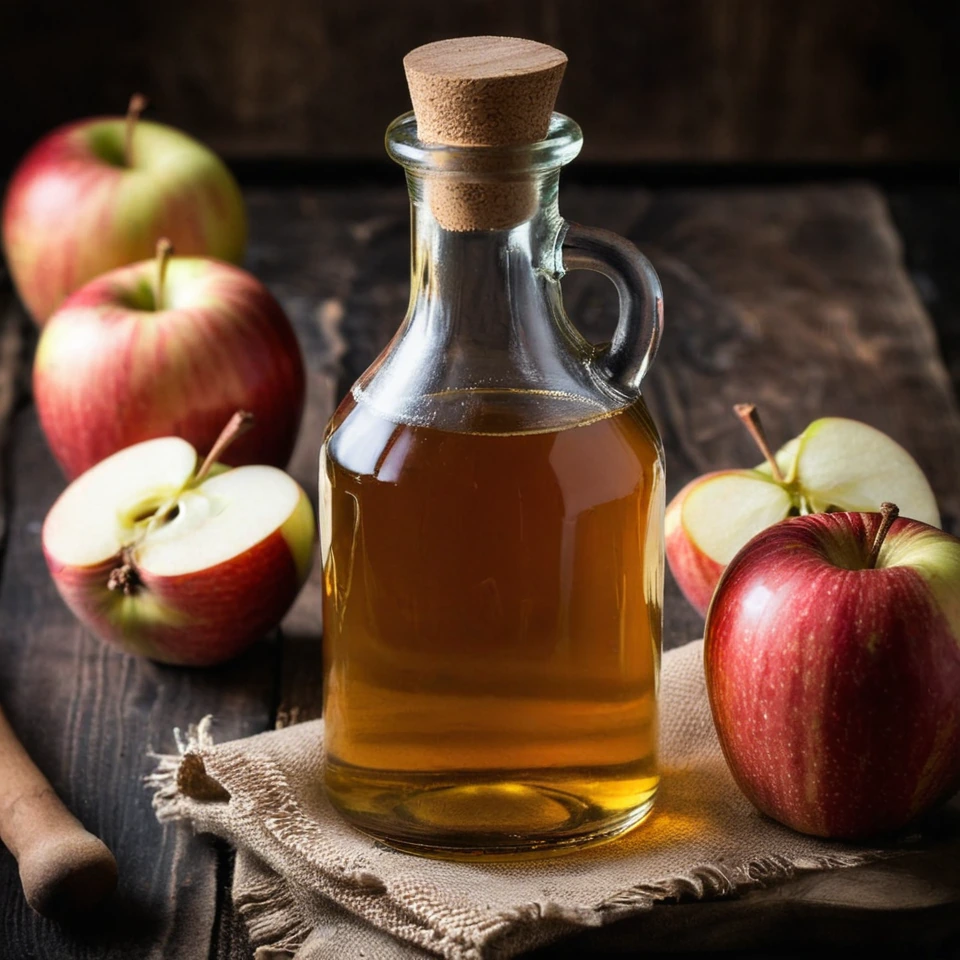
Apple Cider Vinegar
Apple cider vinegar is a type of vinegar made through the fermentation of apple cider, resulting in a tangy, slightly sweet liquid with a pale to medium amber color.
Recipes to try
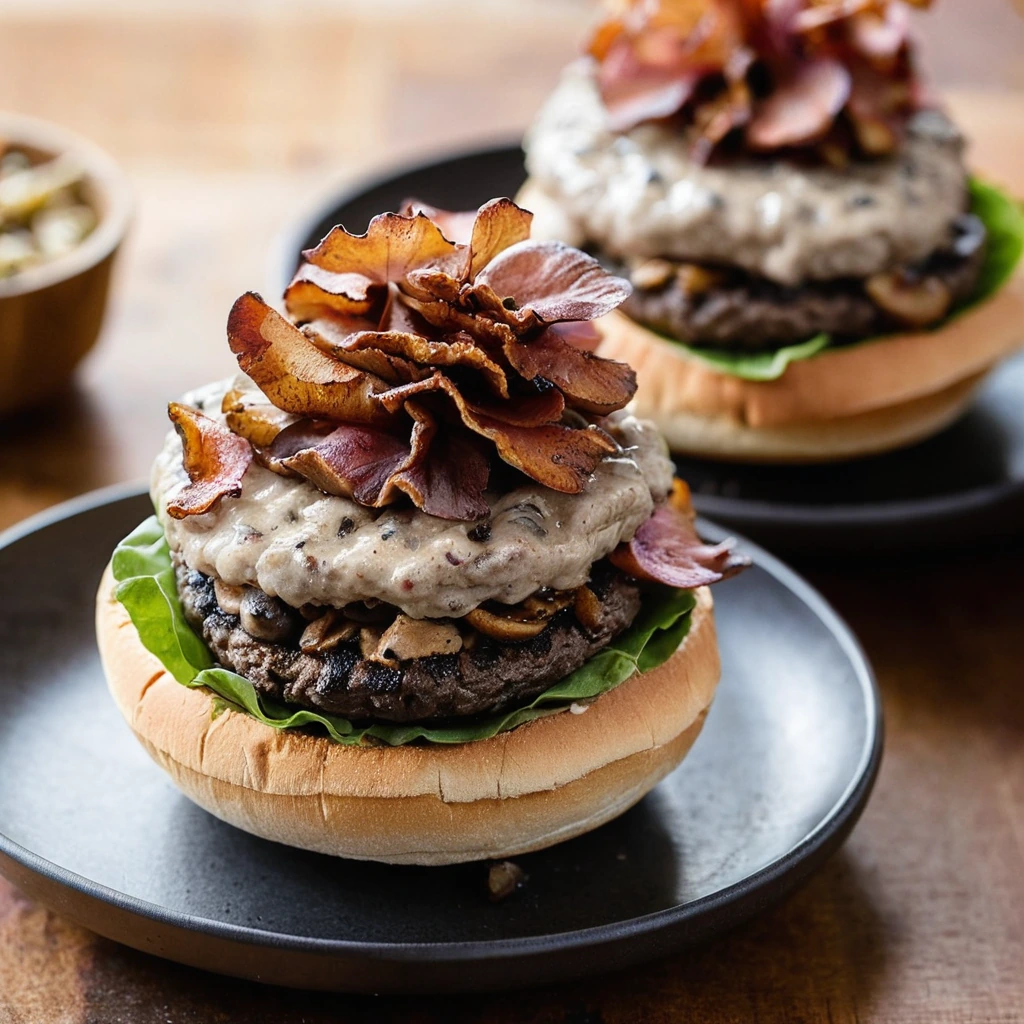
Maple Bacon Mushroom Burger Bowls
Sweet, smoky, and savory come together in these hearty bowls, where juicy burger patties meet crispy bacon and earthy mushrooms.
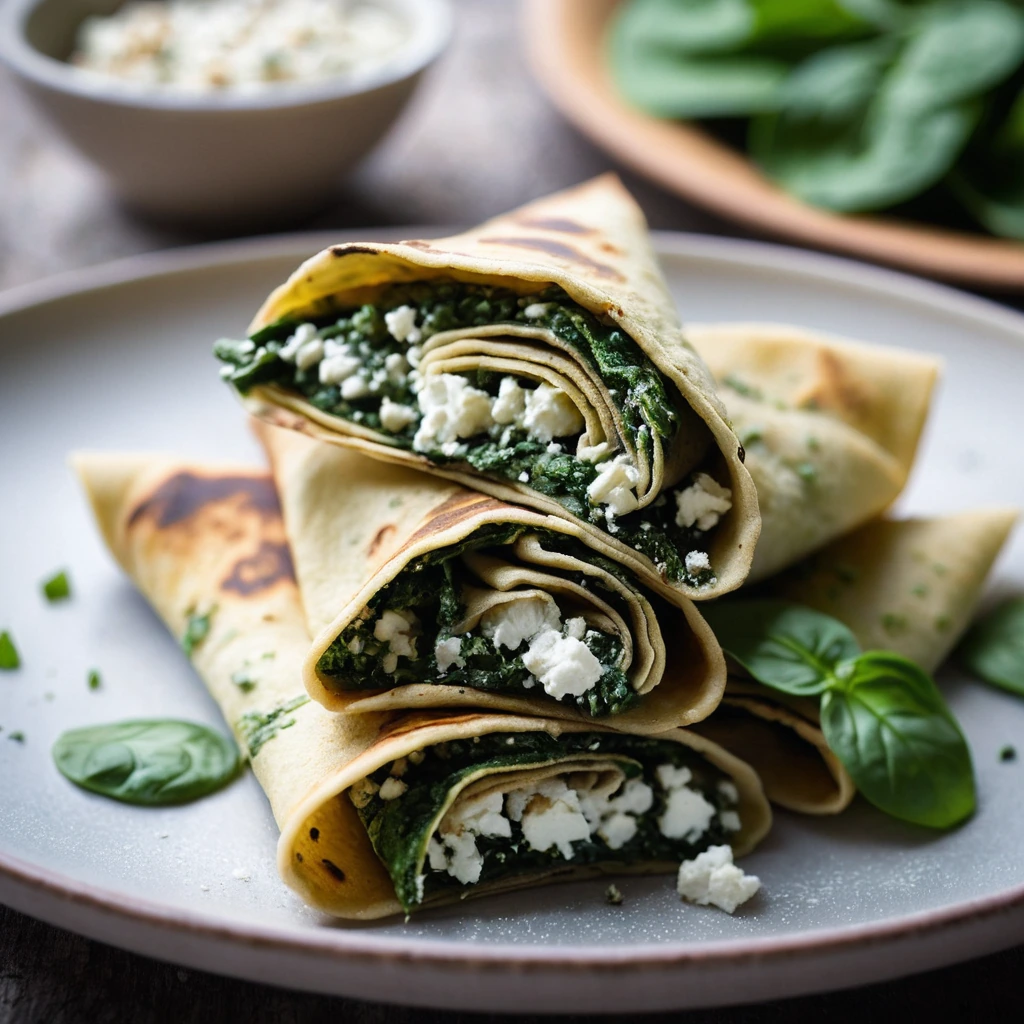
Spinach, Mushroom, and Feta Stuffed Crepes
Golden crepes envelop a savory blend of earthy mushrooms, tender spinach, and tangy feta for a satisfying vegetarian treat.