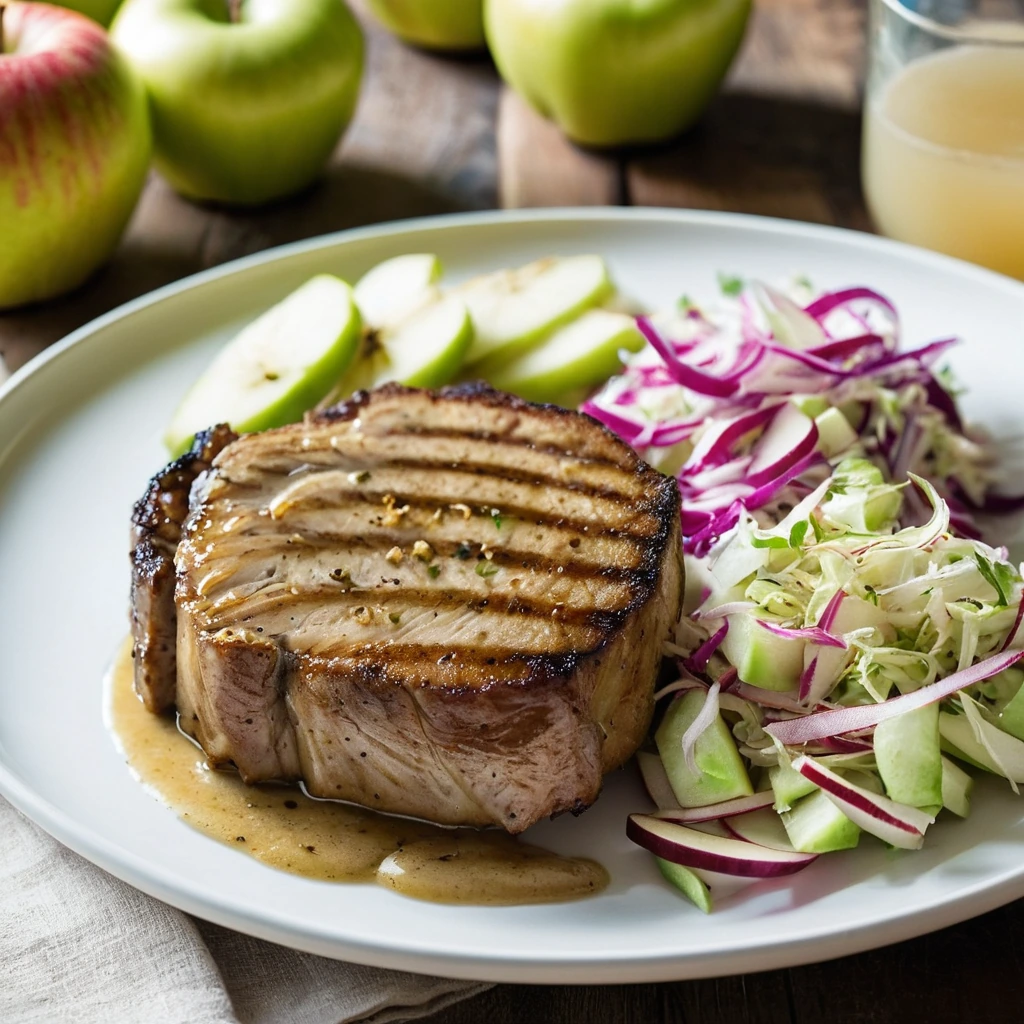
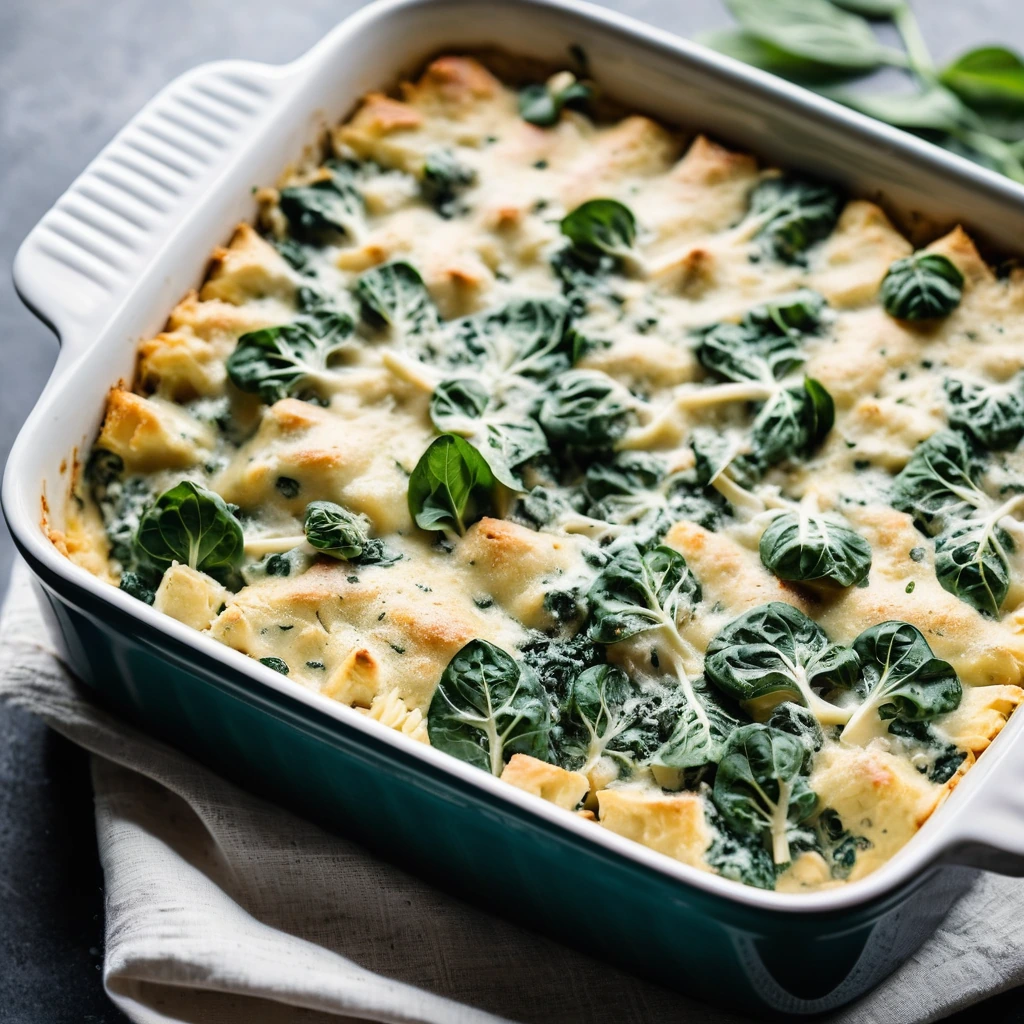
Sauce Technique: Balancing Chili Heat with Fat and Sugar
Creating a perfectly balanced sauce starts with understanding the interplay between heat, fat, and sugar. Chili peppers bring the fiery kick, but their heat can overwhelm a dish if not properly managed. Enter fat and sugar, two ingredients that play crucial roles in tempering spice. Fat coats your tongue, creating a barrier that mutes the intensity of capsaicin, the compound responsible for chili's heat. Sugar, on the other hand, offers sweetness that contrasts and complements the spice, creating a harmonious flavor profile. Balancing these elements is an art that requires patience and a keen palate. Start by selecting your chili peppers wisely—consider the Scoville scale to gauge their heat level. Fresh chilies can be adjusted more easily than dried ones. Next, incorporate fat such as butter, oil, or cream, to smooth out the edges of the heat. Sugar, whether granulated, brown, or honey, adds layers of complexity and helps round out the sauce. Achieving balance isn’t just about adding these ingredients; it’s about understanding their roles and adjusting proportions accordingly. Taste as you go, making incremental adjustments to avoid overshooting. Finally, consider the sauce's intended use, as different dishes may require different levels of heat. Mastering this technique allows you to craft sauces that are nuanced, exciting, and perfectly suited to your palate.
Notes
The science behind balancing chili heat lies in how fat and sugar interact with capsaicin. Fat creates a physical barrier on your tongue, reducing the sensation of heat. Sugar, a flavor enhancer, distracts the palate with sweetness. Common mistakes include adding too much sugar, which can mask other flavors, or not enough fat, leaving the heat unbalanced. To avoid this, adjust ingredients gradually and taste frequently. For safety, be cautious when handling chilies; wear gloves to prevent skin irritation. This sauce can be made ahead and stored in the refrigerator for up to a week or frozen for longer storage. Reheat gently to maintain its balance.
Steps
- 1 Select your chili peppers based on desired heat level.
- 2 Toast whole spices in a dry pan over medium heat for 1-2 minutes.
- 3 Add 2 tablespoons of oil to a saucepan and heat to medium.
- 4 Sauté minced aromatics like garlic and onion until translucent.
- 5 Add chopped chilies and cook for 1-2 minutes to release their oils.
- 6 Stir in 1 tablespoon of sugar and cook until it starts to dissolve.
- 7 Incorporate 1/2 cup of fat, such as cream or coconut milk, stirring constantly.
- 8 Simmer the mixture gently for 10-15 minutes to meld flavors.
- 9 Taste and adjust heat by adding more chilies or fat as needed.
- 10 Balance sweetness by adding sugar in small increments.
- 11 Blend the sauce until smooth using an immersion blender.
- 12 Season with salt and additional spices to taste.
- 13 Let the sauce rest for 10 minutes before serving to allow flavors to settle.
- 14 Reheat gently before using to preserve texture and balance.
Ingredients to explore
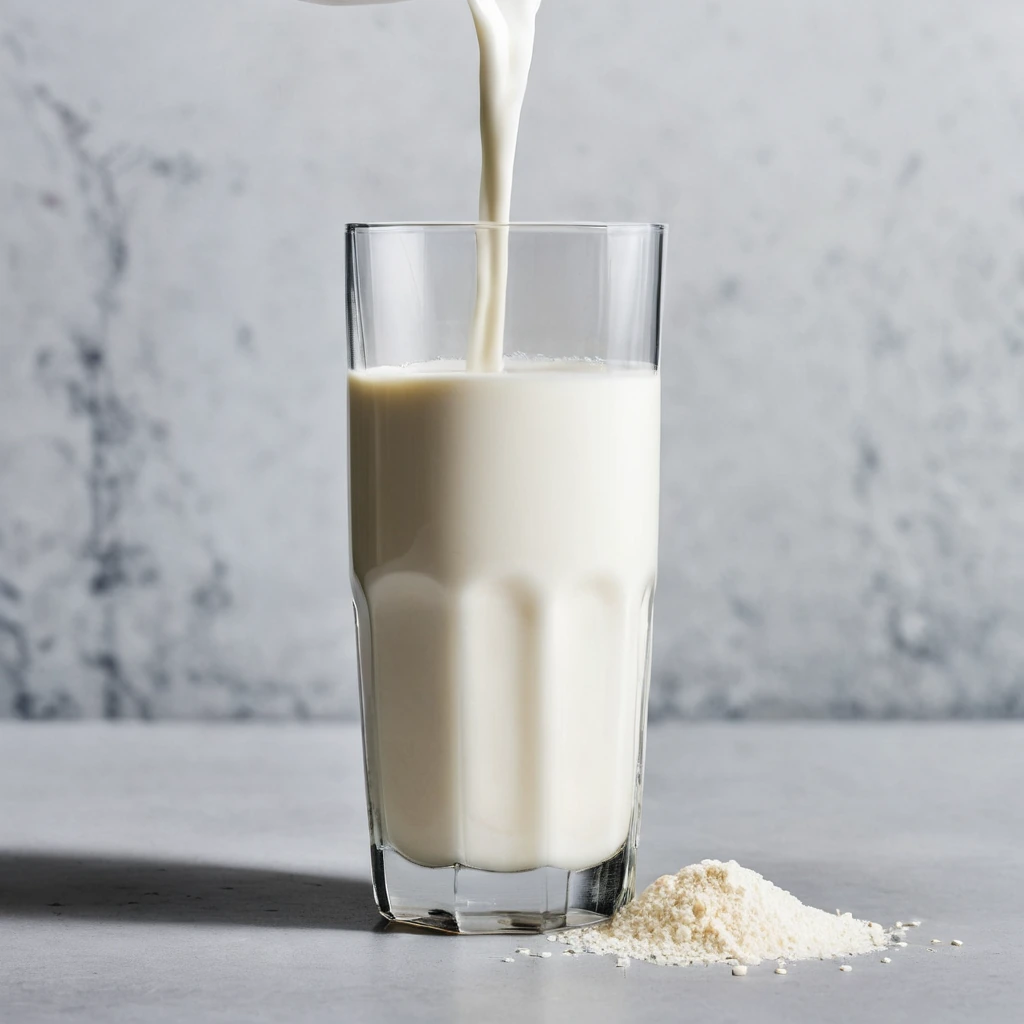
2% Milk
Creamy and just a touch lighter than whole milk, 2% milk offers a perfect balance of richness and reduced fat. Its smooth texture and subtle sweetness make it a delightful choice for sipping or cooking.
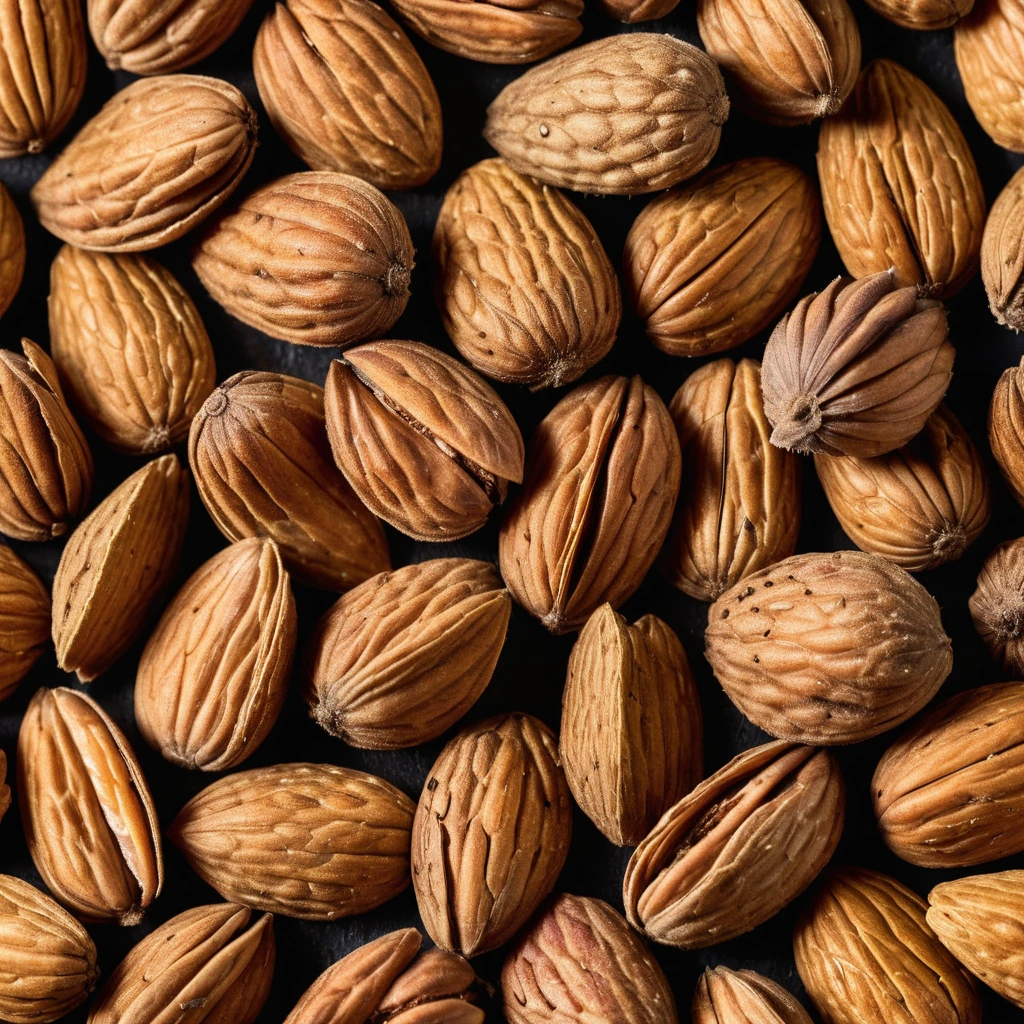
Almonds
With their golden-brown hue and delicate, edible skin, almonds are a crunchy delight. These versatile nuts boast a rich, buttery flavor that adds depth to both sweet and savory dishes.