Sauce Technique: Balancing Acidity, Salt, and Sweetness
Creating a perfectly balanced sauce is an art that combines the science of flavor with the intuition of a seasoned cook. Acidity, salt, and sweetness are the three pillars that underpin a harmonious sauce, each playing a crucial role in enhancing the overall taste. Acidity adds brightness and cuts through richness, salt amplifies and balances flavors, while sweetness rounds out harsh edges and adds depth. Understanding how these elements interact is key to mastering sauce-making. Start by tasting your base sauce – whether it's a reduction, a roux-thickened gravy, or a simple vinaigrette – and identifying what it needs. Too often, home cooks shy away from tasting as they go, fearing the use of too much of any ingredient. However, tasting is essential to achieving balance. When adjusting acidity, consider lemon juice, lime juice, or vinegar, each imparting unique flavor profiles. Salt is your flavor enhancer; use fine sea salt or kosher salt for precise control. For sweetness, granulated sugar is a go-to, but honey or maple syrup can add complexity. The interplay of these elements requires patience and a keen palate. Remember, balance is subjective; what works for one sauce might not suit another. Experiment with different ratios until your taste buds signal satisfaction. Keep in mind that sauces will taste stronger when hot, so adjust accordingly. Achieving balance is a skill that improves with practice, and with each attempt, you’ll gain confidence in your ability to craft sauces that sing with flavor.
Notes
The science behind balancing a sauce lies in how each component interacts with our taste receptors. Acids stimulate our taste buds, making flavors pop, while salt enhances sweetness and suppresses bitterness. Sugar, on the other hand, can mask excessive acidity and add body to a sauce. A common mistake is adding too much of an ingredient at once, leading to an unbalanced sauce. To troubleshoot, always adjust in small increments. Safety is generally straightforward with sauces, but be mindful of high heat to avoid splatters. For storage, let your sauce cool completely before refrigerating in an airtight container for up to a week. Make-ahead sauces can benefit from a day in the fridge, allowing flavors to deepen and integrate further.
Steps
- 1 Start with your base sauce recipe, ensuring it is at a simmer.
- 2 Taste the sauce and note its predominant flavors.
- 3 If the sauce tastes flat, add 1/4 teaspoon of salt, stir, and taste again.
- 4 To brighten the sauce, introduce 1 teaspoon of lemon juice or vinegar and taste.
- 5 If the sauce is too sharp, add 1 teaspoon of sugar or honey and stir well.
- 6 Continue adjusting in small increments, tasting after each addition.
- 7 Once balanced, check the consistency and adjust with a starch slurry if needed.
- 8 Simmer gently for 2-3 minutes to meld the flavors.
- 9 Remove from heat and let the sauce rest for 5 minutes before final seasoning.
Ingredients to explore
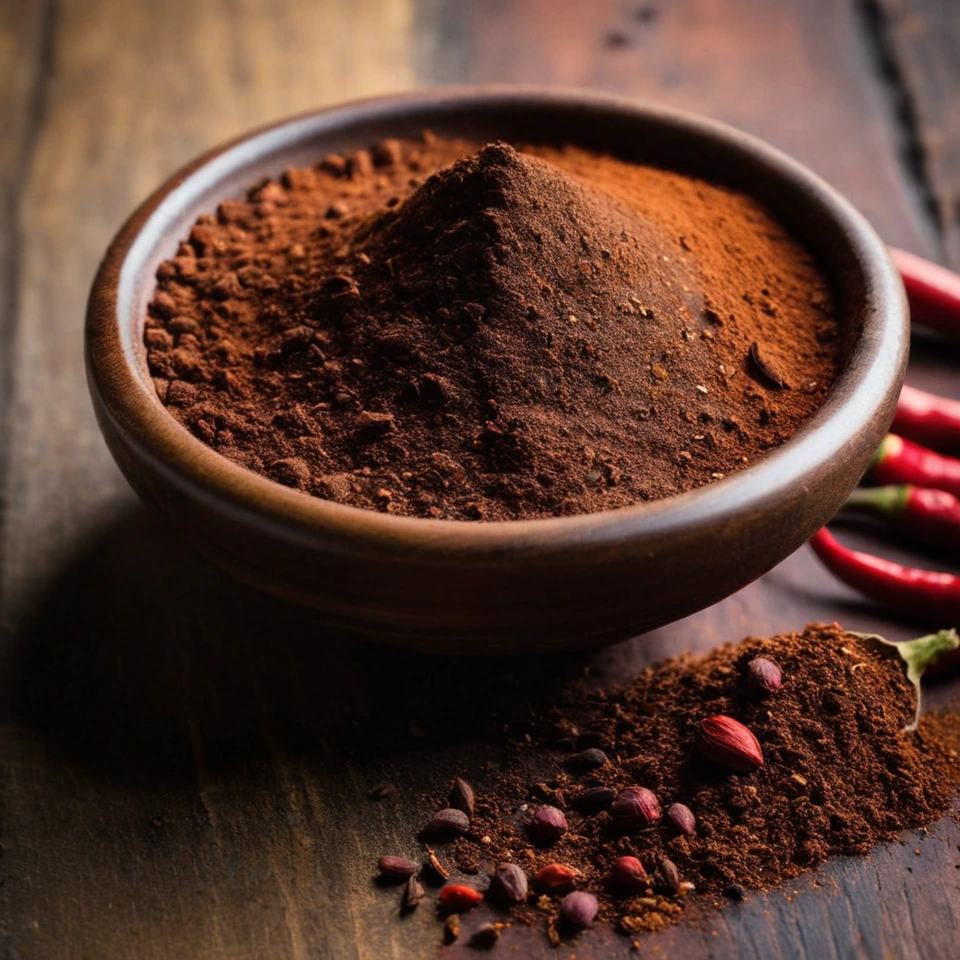
Ancho Chili Powder
Ancho chili powder offers a deep, smoky sweetness with hints of dried fruit and cocoa, reminiscent of its origin as dried poblano peppers from Mexico. Its aroma is warm and inviting, with a mild heat that lingers gently. The texture is fine and velvety, making it easy to incorporate into a variety of dishes. This powder is prized for its ability to add complexity without overwhelming spice, ideal for enriching both traditional Mexican moles and contemporary global cuisines.
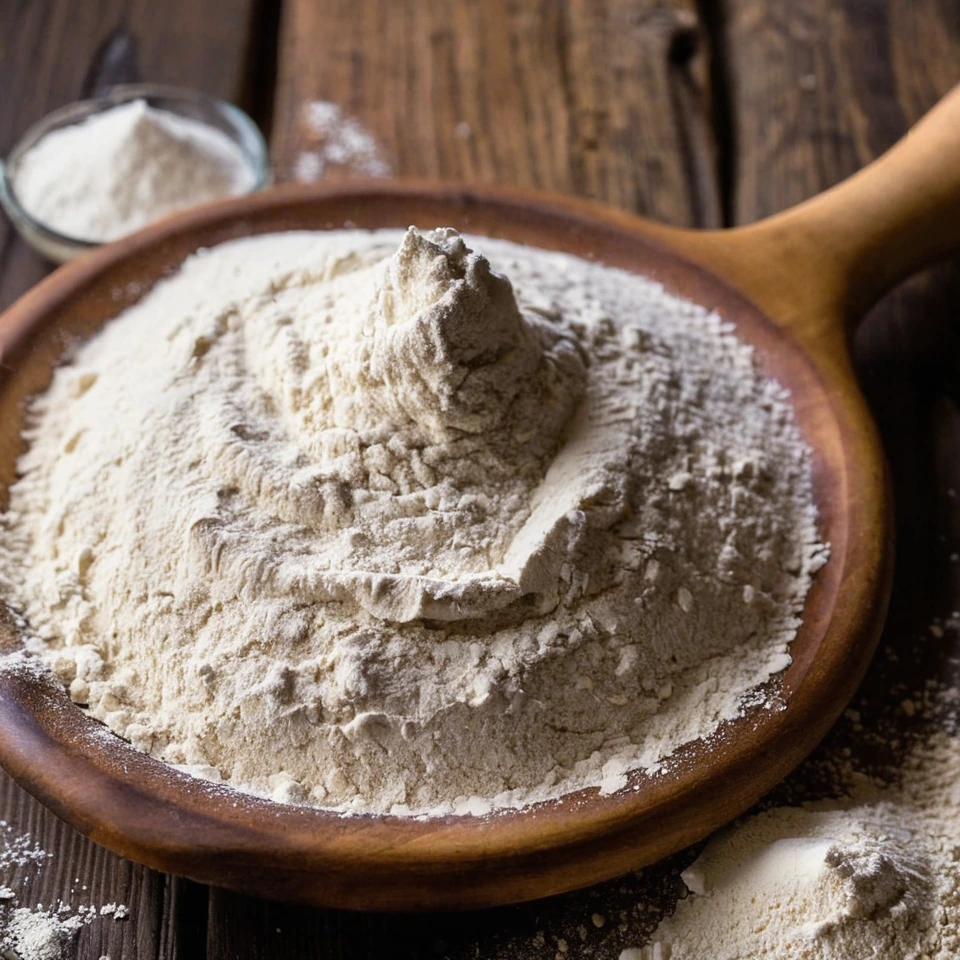
All-Purpose Flour
All-purpose flour is a versatile wheat flour that contains a moderate level of protein and gluten, making it suitable for a wide range of baking and cooking needs.
Recipes to try
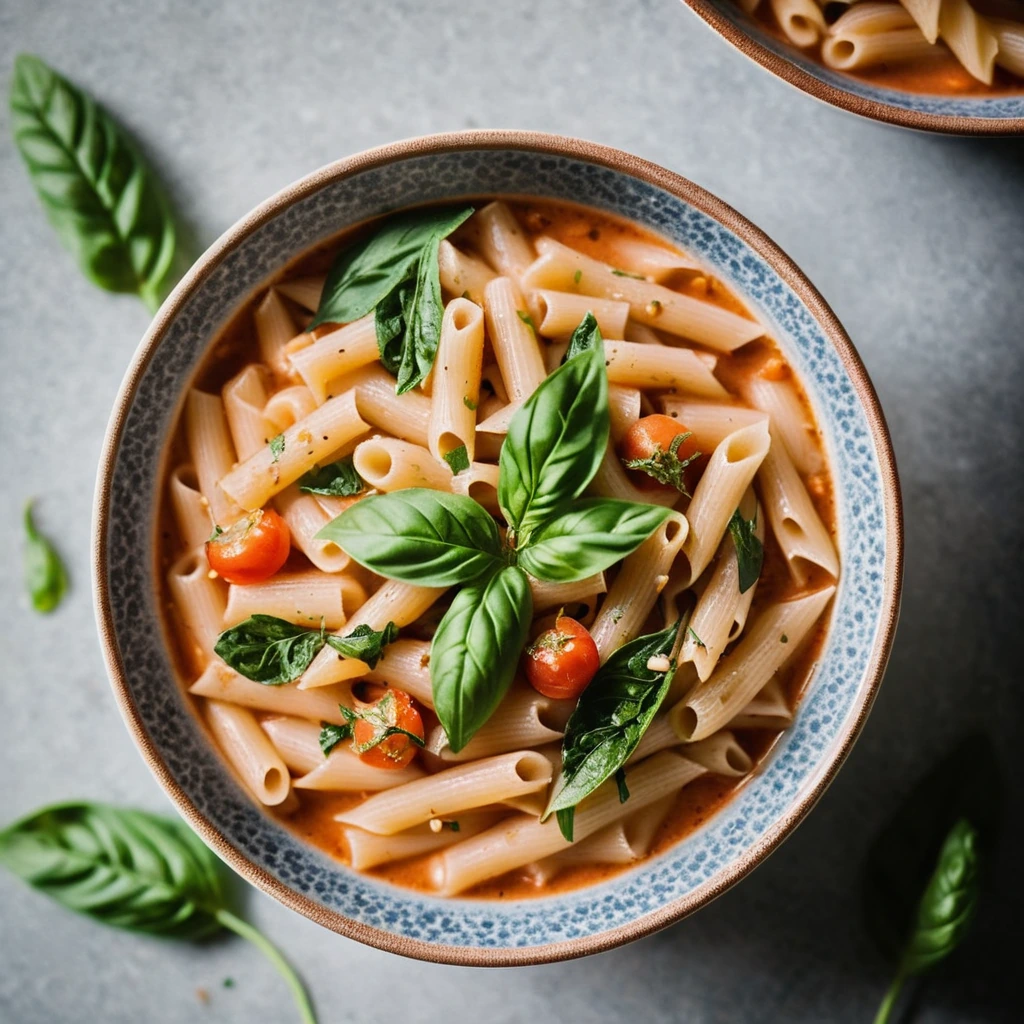
One-Pot Tuscan White Bean and Pasta Stew
Warm up with this hearty stew where tender pasta mingles with creamy cannellini beans in a rich, garlicky tomato broth.

Sweet and Sour Pork with Pineapple and Peppers
Tangy, sweet, and a touch sour, this pork dish is a carnival of flavors with juicy pineapple chunks and crisp bell peppers.