Sauce Technique: Adjusting Vinaigrette Ratios by Taste, Not Recipe
Creating the perfect vinaigrette is less about following a strict recipe and more about understanding balance and personal preference. A vinaigrette is essentially an emulsion of oil and vinegar, but the magic lies in tweaking the ratio to suit your palate. Traditionally, a 3:1 ratio of oil to vinegar is recommended, but this can vary widely depending on the acidity of the vinegar, the flavor intensity of the oil, and your taste. Learning to adjust vinaigrette ratios by taste empowers you to craft dressings that perfectly complement your dishes. Start with a base recipe but be ready to experiment. Taste as you go, balancing the tang of the vinegar with the richness of the oil. Consider the other ingredients in your salad or dish – a peppery arugula might call for a milder vinaigrette, while robust kale benefits from a more assertive dressing. Dive into the world of flavor with confidence, armed with tips on how to achieve harmony in every bottle.
Notes
Understanding the science behind vinaigrettes helps you adjust with confidence. Oil and vinegar naturally want to separate because they are immiscible liquids. Emulsifiers like mustard or honey help stabilize the mixture. Taste is subjective, so don't be afraid to deviate from traditional ratios. Common mistakes include adding too much acid or oil at once, which can throw off the balance. To avoid this, adjust incrementally. For storage, keep your vinaigrette in an airtight container in the fridge for up to a week, but remember to give it a good shake before use as separation is natural. Safety tip: always use clean utensils and containers to prevent contamination.
Steps
- 1 Start with 3 parts oil to 1 part vinegar in a small bowl.
- 2 Whisk together to combine.
- 3 Taste a small amount; note the balance of tang and richness.
- 4 If too acidic, add oil in teaspoon increments, whisking after each addition.
- 5 If too oily, add vinegar in teaspoon increments, whisking after each addition.
- 6 Season with salt and freshly ground pepper, tasting after each addition.
- 7 Consider adding a teaspoon of honey or mustard to balance flavors, if desired.
- 8 Whisk until emulsified and check the balance again.
- 9 Adjust with herbs, shallots, or garlic for complexity.
- 10 Taste one last time before serving.
Ingredients to explore
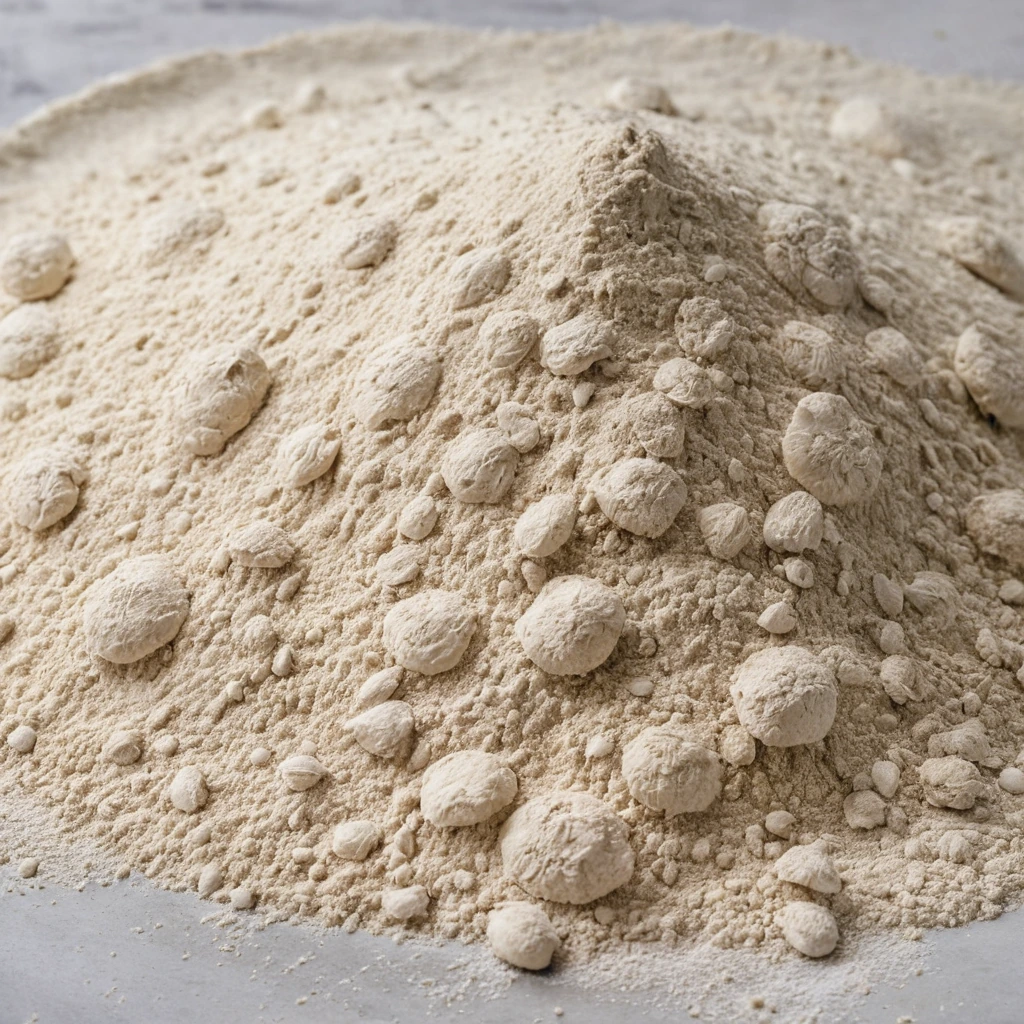
00 Pizza Flour
00 pizza flour is a finely milled Italian flour prized for its versatility in creating authentic Neapolitan-style pizza crusts. Originating from Italy, it is milled to a very fine consistency, which is reflected in its name, 'doppio zero,' indicating its fine grind. This flour has a balanced flavor profile, offering a mild, slightly sweet taste with a subtle nuttiness. Its texture is silky and smooth, contributing to a tender yet chewy crust when used in pizza making. In cooking, 00 pizza flour is known for its ability to hydrate quickly and develop a desirable gluten structure, resulting in a light and airy crust that can withstand high-heat cooking without becoming overly crispy or hard.
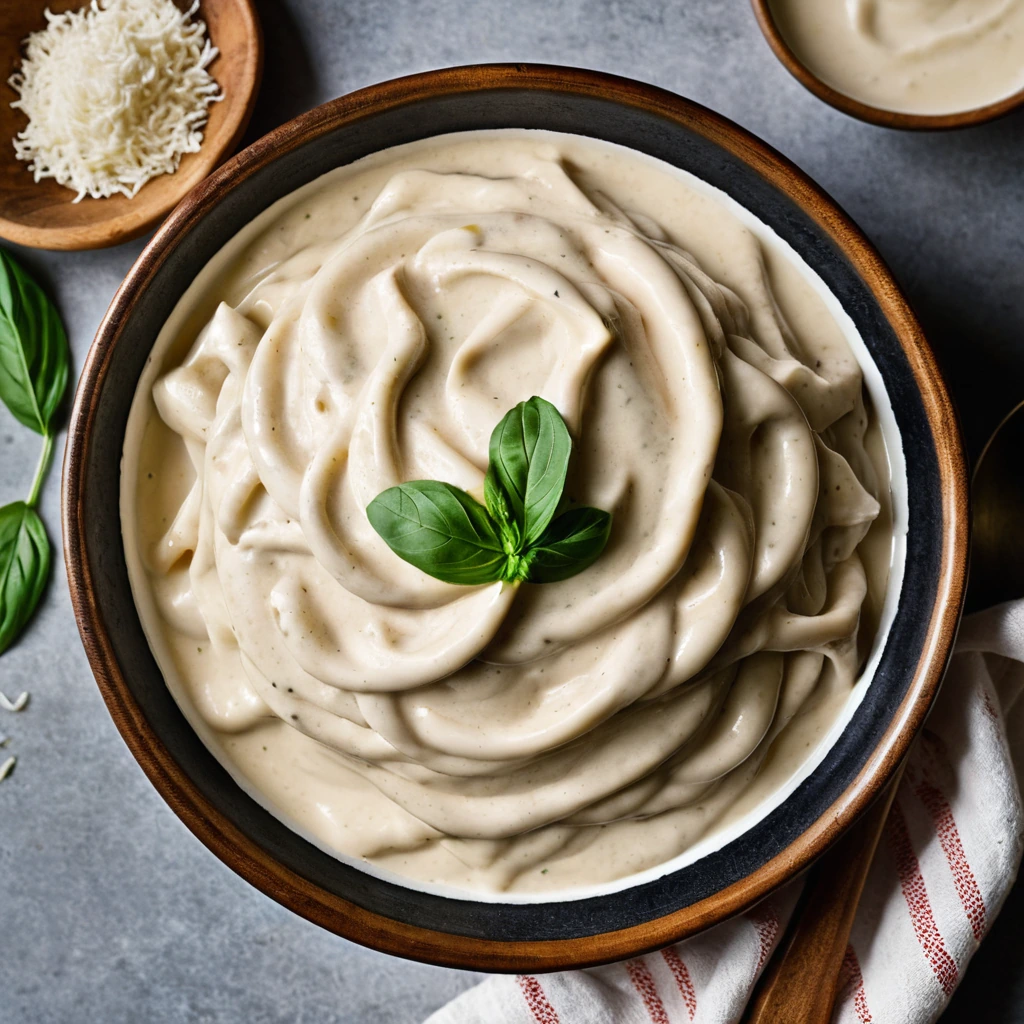
Alfredo Sauce
Creamy, rich, and utterly indulgent, Alfredo sauce is a dreamy blend of butter, heavy cream, and Parmesan cheese. Its velvety texture and savory depth make it a beloved staple in Italian-American cuisine.
Recipes to try
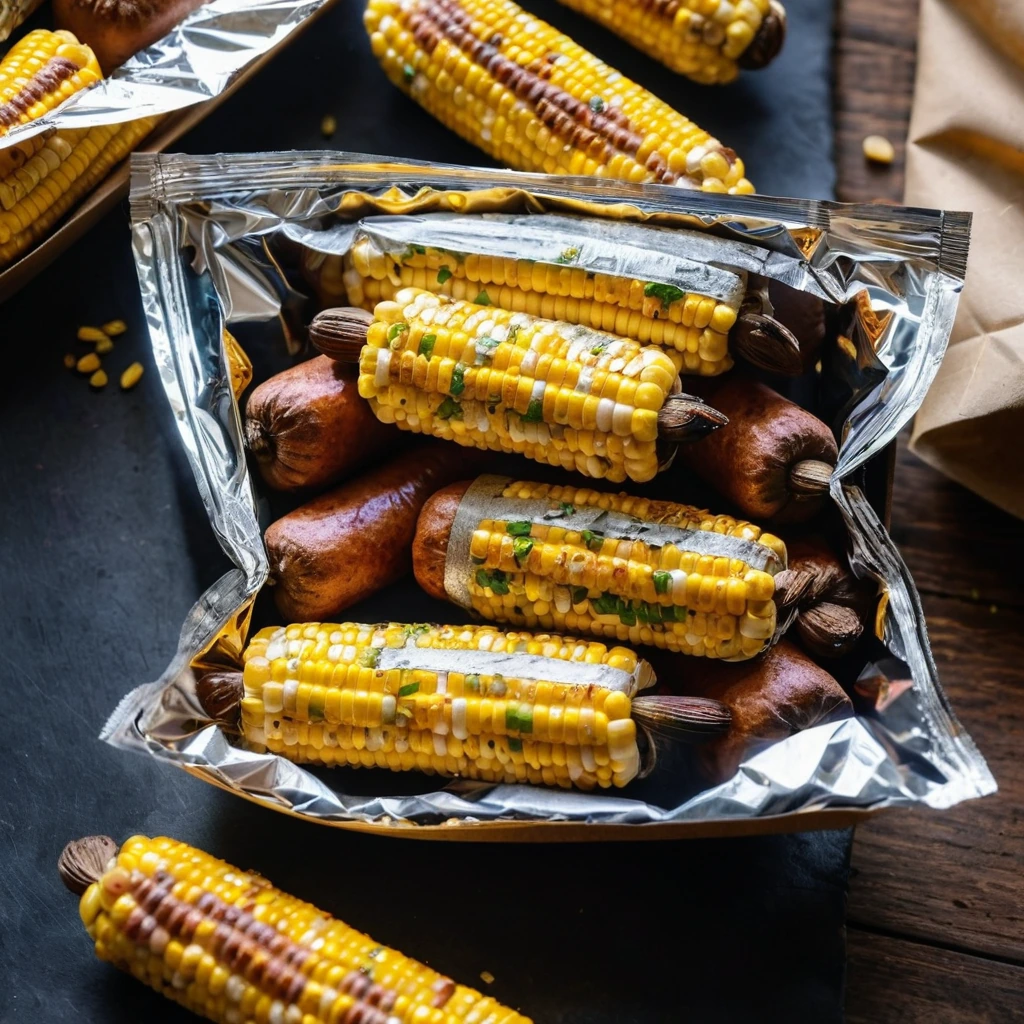
Smoky Sausage, Corn, and Potato Foil Packets
Imagine the smoky aroma of grilled sausage mingling with sweet corn and tender potatoes, all wrapped up in a neat foil packet.
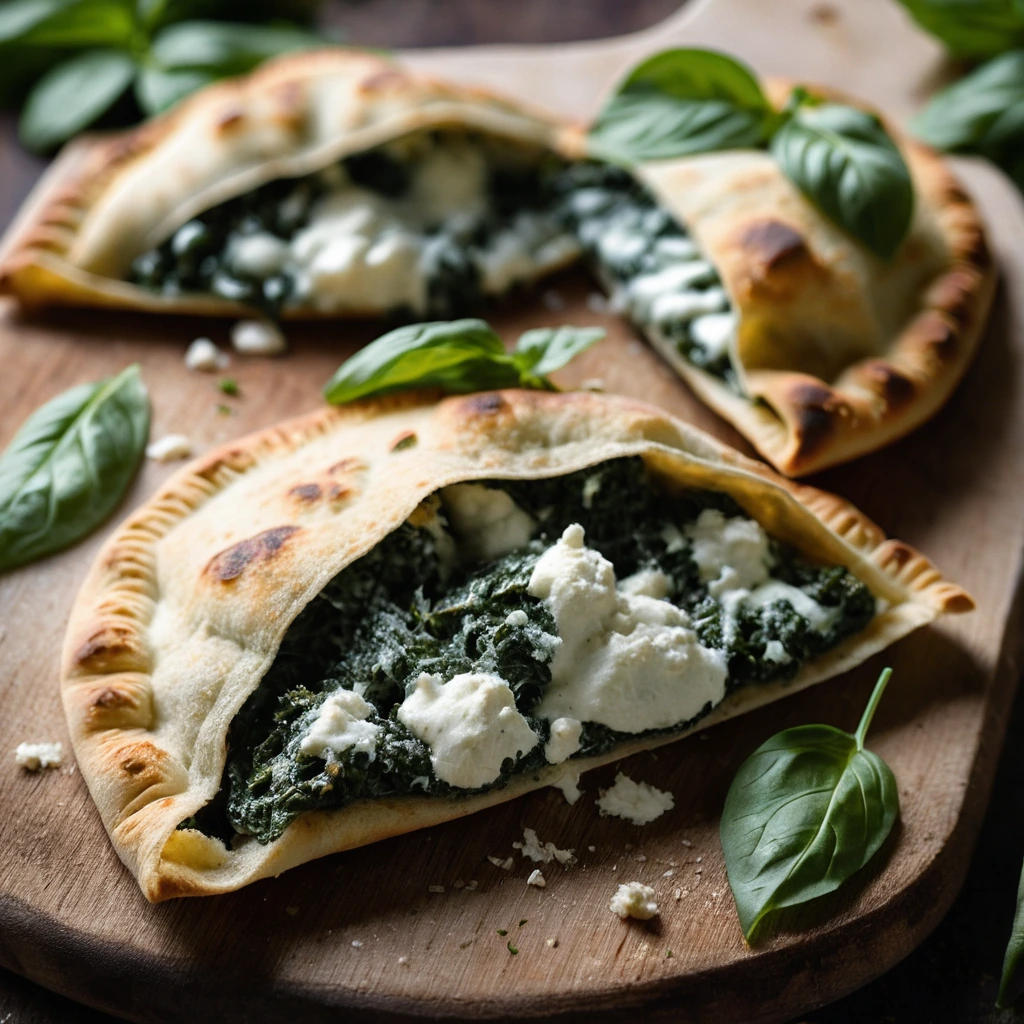
Spinach and Ricotta Stuffed Pizza Pockets
Golden, crispy pockets filled with a creamy ricotta and spinach blend that'll have you reaching for seconds.