Salads: Tossing Greens Without Bruising
Creating a vibrant salad starts with properly handling your greens. The art of tossing greens without bruising is essential to maintain their texture and visual appeal. Bruised greens can turn limp and unappetizing, detracting from the overall experience of your salad. The key is gentle handling and understanding the delicate nature of leafy vegetables. Different greens have varying levels of resilience; for instance, sturdy romaine can handle more than tender butter lettuce. Learning to toss your greens with care ensures that each leaf remains crisp and intact, preserving the salad's freshness and crunch. This technique is crucial for both home cooks and professional chefs alike, as it guarantees that your salads will be as appealing to the eye as they are to the palate. By employing the right tools and techniques, you can master the gentle art of salad tossing, elevating your dishes to a new level of presentation and taste. Understanding the science behind why greens bruise helps avoid common pitfalls, ensuring your salads always shine.
Notes
The science behind this technique lies in the structure of the greens. Their cell walls are delicate and can rupture when subjected to rough handling, leading to oxidation and browning—what we perceive as bruising. To avoid this, always ensure your greens are dry before tossing, as moisture can exacerbate bruising. A common mistake is overdressing the salad; start with less dressing than you think you'll need and add more to taste. For storage, it's best to dress the salad just before serving to maintain the greens' crispness. If you need to prepare ahead, store undressed greens in a sealed container in the fridge and keep the dressing separate.
Steps
- 1 Start with dry, chilled greens straight from the refrigerator.
- 2 Gently tear larger leaves into bite-sized pieces if necessary.
- 3 Use a large salad bowl to give the greens ample space.
- 4 Lightly toss greens with clean, dry hands or salad servers.
- 5 Lift and turn the greens rather than pressing down on them.
- 6 Add dressing to the greens in small increments.
- 7 Toss gently after each addition of dressing until evenly coated.
- 8 Check for desired coating and adjust seasoning if needed.
- 9 Transfer the salad to serving plates immediately after tossing.
Ingredients to explore
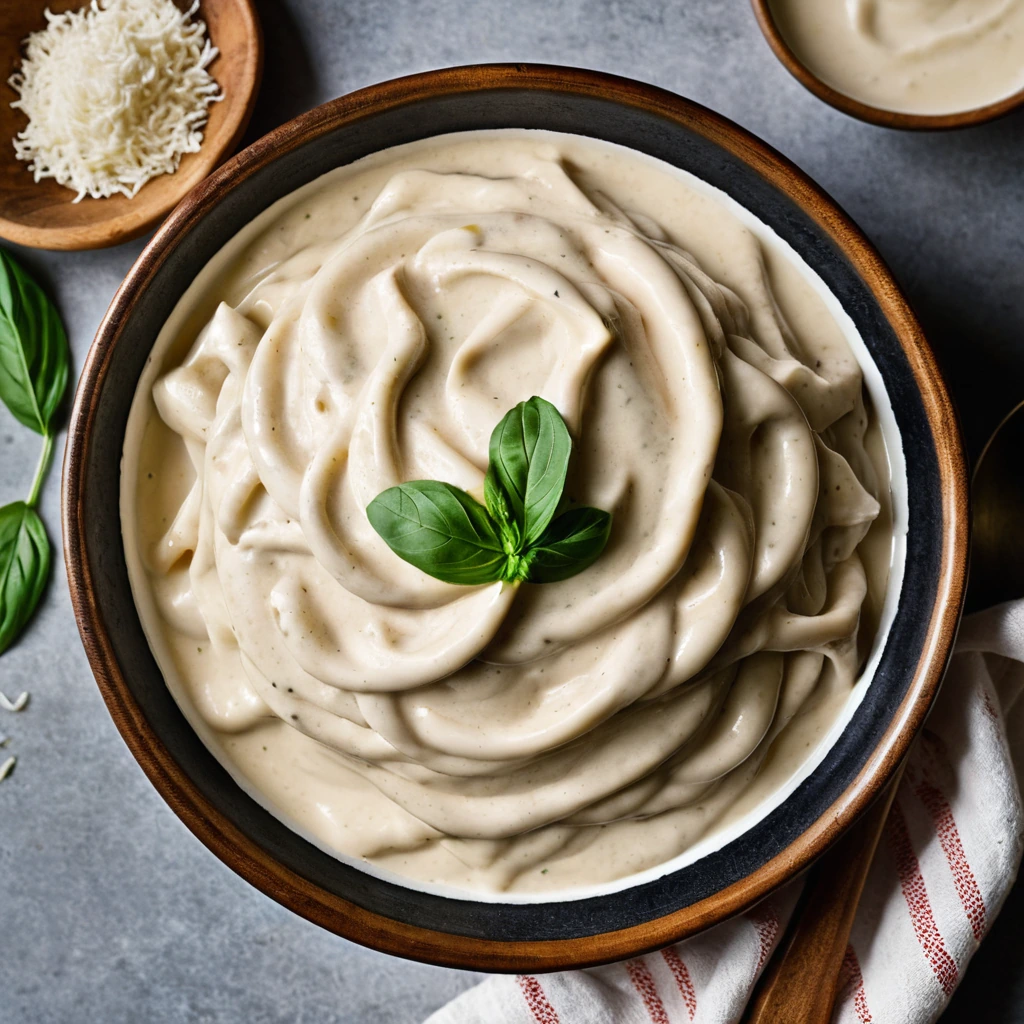
Alfredo Sauce
Creamy, rich, and utterly indulgent, Alfredo sauce is a dreamy blend of butter, heavy cream, and Parmesan cheese. Its velvety texture and savory depth make it a beloved staple in Italian-American cuisine.
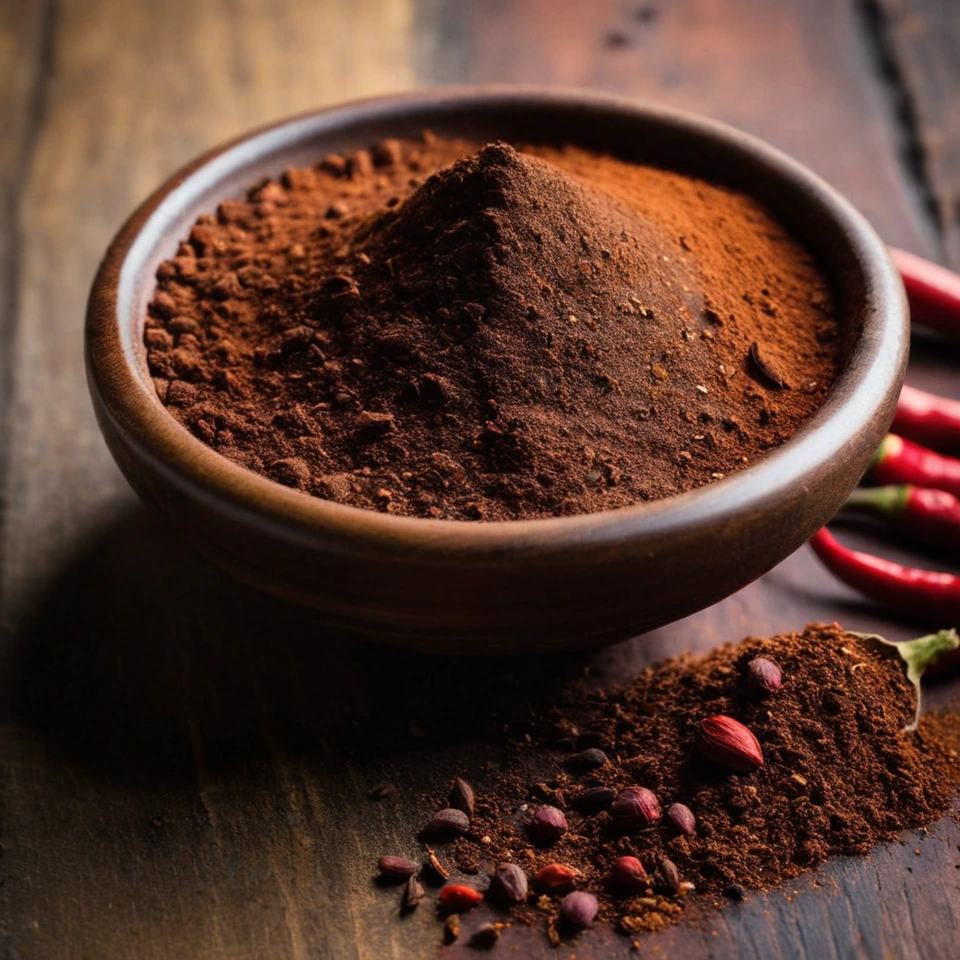
Ancho Chili Powder
Ancho chili powder offers a deep, smoky sweetness with hints of dried fruit and cocoa, reminiscent of its origin as dried poblano peppers from Mexico. Its aroma is warm and inviting, with a mild heat that lingers gently. The texture is fine and velvety, making it easy to incorporate into a variety of dishes. This powder is prized for its ability to add complexity without overwhelming spice, ideal for enriching both traditional Mexican moles and contemporary global cuisines.
Recipes to try

Spicy Sausage and Roasted Red Pepper Rigatoni
A zesty dance of spicy sausage and smoky roasted red peppers twirled in al dente rigatoni.

Pork Schnitzel with Lemon and Parsley Slaw
Golden, crispy pork schnitzel served with a refreshing, zesty lemon and parsley slaw that'll brighten your dinner table.