Salad & Cold Prep: Layering Ingredients to Avoid Soggy Greens
Creating a salad that stays fresh and crisp from the fridge to the table is an art. The key lies in how you layer your ingredients. This technique ensures your greens remain vibrant and crunchy, even when prepped hours ahead. The secret is understanding moisture management and ingredient density. Dressings, for example, are often the culprits behind wilted greens. By strategically placing components based on their water content and texture, you can enjoy a salad that tastes as fresh at dinner time as it did at lunchtime. Start by choosing the right greens – sturdy varieties like romaine or kale are ideal. Then, consider the order of your layers. Ingredients that release moisture should be kept away from the greens. This method not only preserves texture but also enhances presentation. When guests see a beautifully layered salad, they know care and technique went into its preparation. Plus, layering allows for a stunning display of colors and textures that can elevate any meal. With a few simple adjustments, your salads can be both practical and visually appealing, offering a delightful experience with every bite.
Notes
This technique works because it minimizes direct contact between moisture-rich ingredients and your greens, preserving their crispness. The science lies in understanding osmosis and capillary action – essentially, how water moves between ingredients. Troubleshooting soggy salads often comes down to ensuring greens are completely dry before assembling and using dressings sparingly. For storage, always keep your salad in an airtight container to protect it from absorbing other fridge odors. This method is perfect for make-ahead meals; just remember to drizzle dressing just before serving to maintain that desired crunch. Adjust layering based on the ingredients you have – denser items at the bottom, more delicate on top.
Steps
- 1 Select sturdy greens like romaine or kale and wash thoroughly.
- 2 Dry greens completely using a salad spinner or clean kitchen towels.
- 3 Place a bed of greens at the bottom of your serving container.
- 4 Add denser, less moisture-prone vegetables like cherry tomatoes or cucumbers next.
- 5 Layer cheese or cooked proteins such as grilled chicken or hard-boiled eggs.
- 6 Sprinkle with crunchy elements like nuts or seeds to add texture.
- 7 Store dressing in a separate container or drizzle sparingly over the top layer just before serving.
- 8 Finish with delicate herbs or edible flowers for garnish.
- 9 Cover and refrigerate until ready to serve.
- 10 Gently toss the salad just before serving to combine flavors and textures.
Ingredients to explore
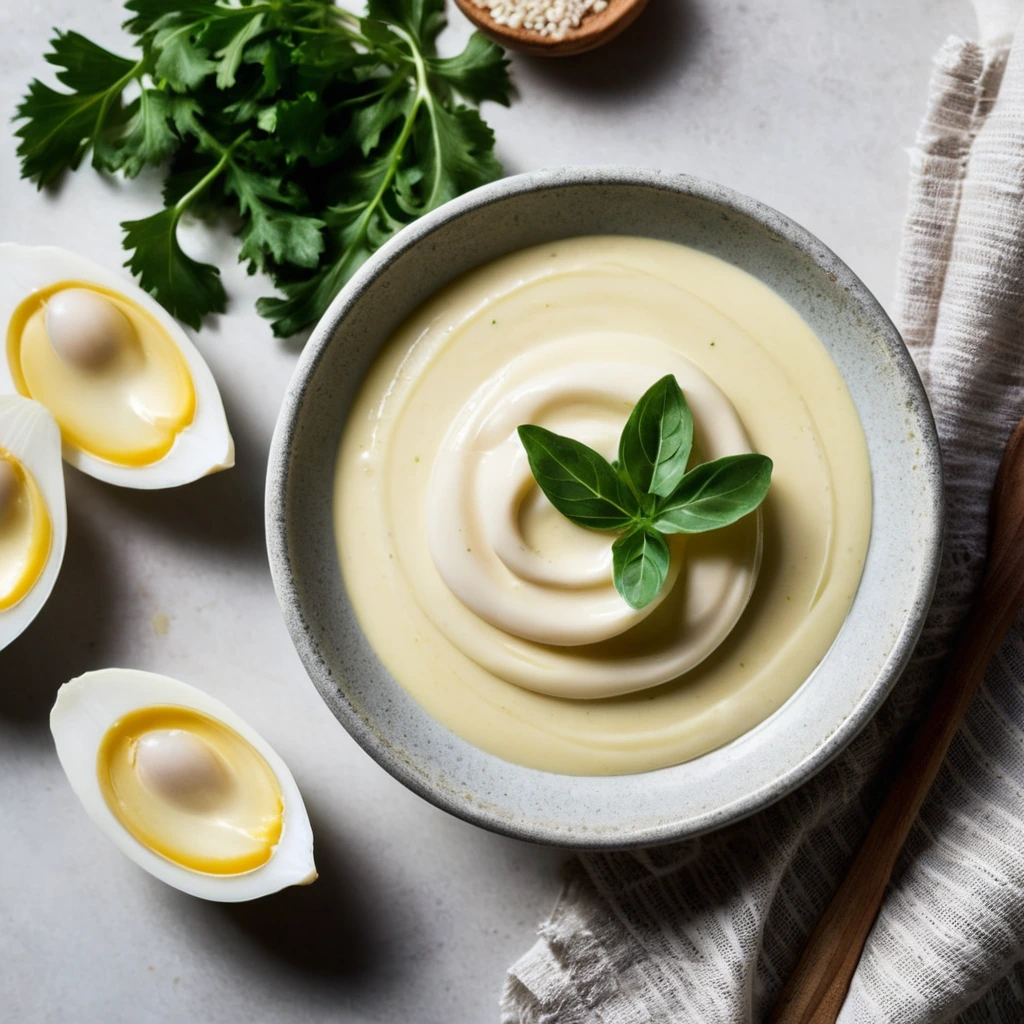
Aioli
A luscious, velvety emulsion of garlic and olive oil, aioli is a rich and aromatic sauce that dances on the palate with its creamy texture and bold, pungent flavor.
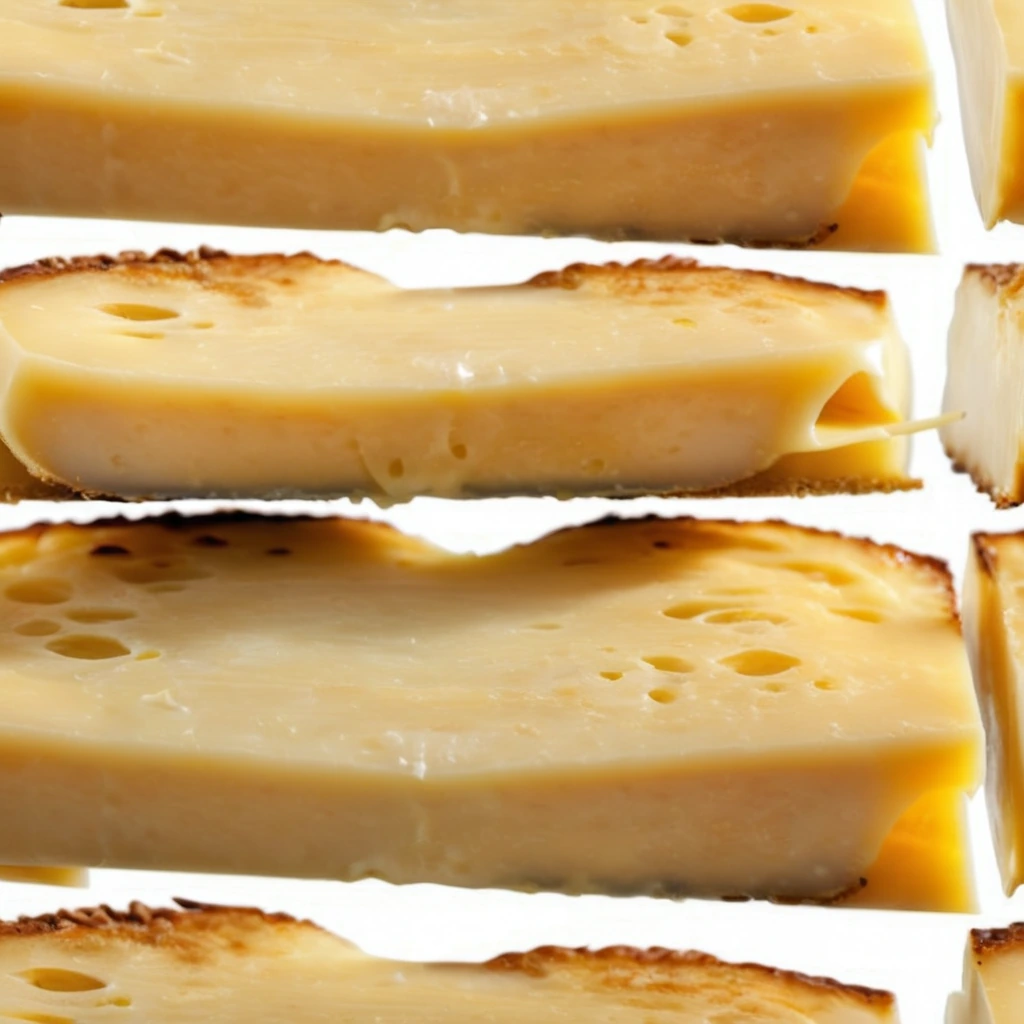
American Cheese Slices
Those iconic, perfectly pliable slices of creamy, mild American cheese. Each slice boasts a smooth, melt-in-your-mouth texture that brings comfort to any dish.
Recipes to try
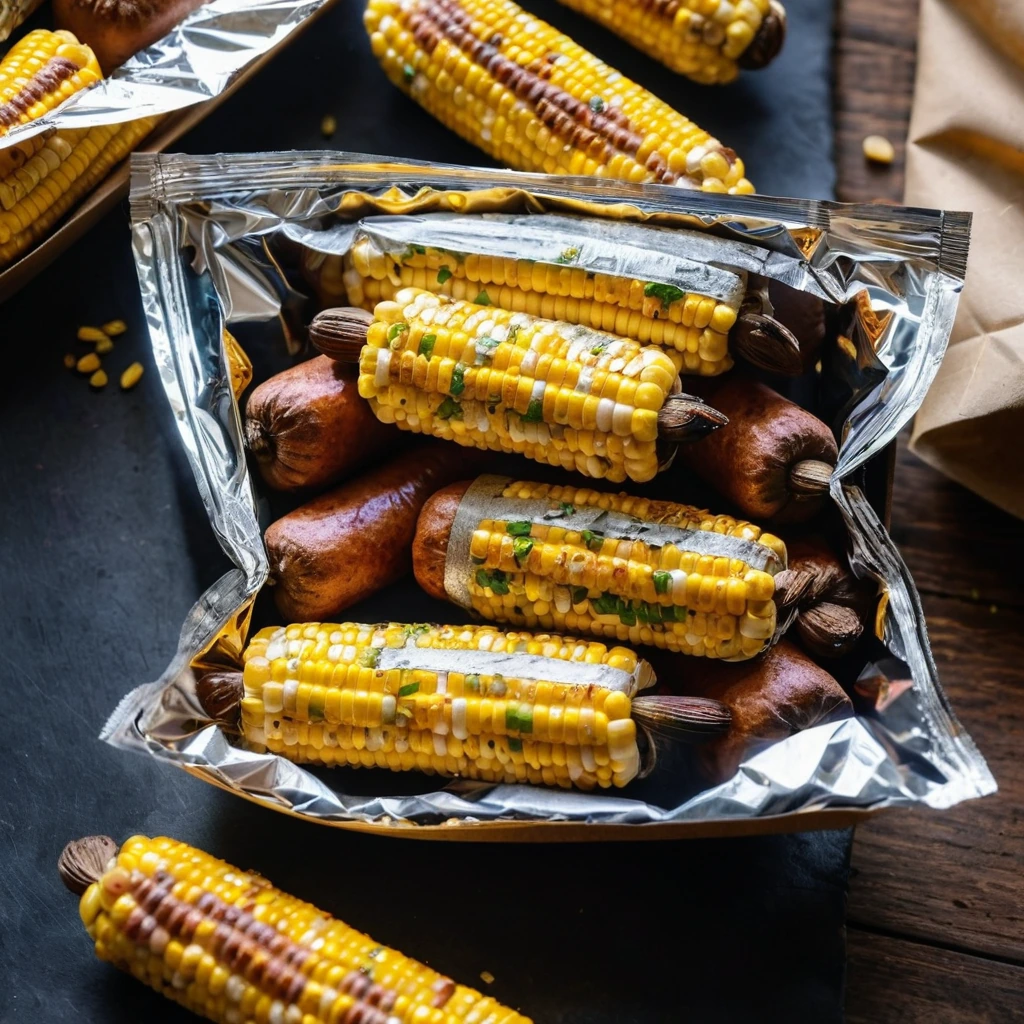
Smoky Sausage, Corn, and Potato Foil Packets
Imagine the smoky aroma of grilled sausage mingling with sweet corn and tender potatoes, all wrapped up in a neat foil packet.
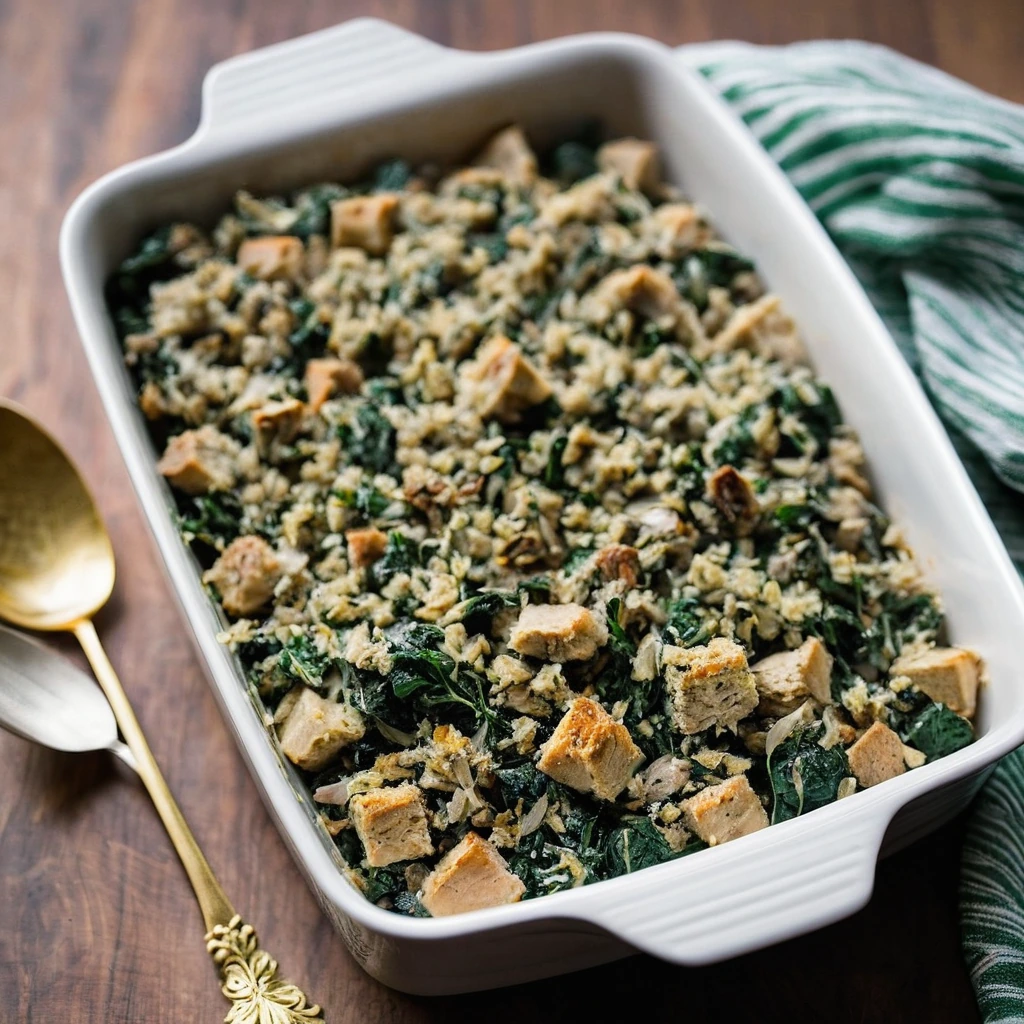
Turkey, Spinach, and Stuffing Casserole
A cozy, golden casserole brimming with tender turkey, vibrant spinach, and savory stuffing.