Salad & Cold Prep: Building a Composed Salad Plate
A composed salad plate is an artful arrangement of fresh ingredients that tantalize both the eyes and palate. Unlike a tossed salad, each component is thoughtfully placed to create a visually stunning presentation. This technique is perfect for showcasing individual ingredients and ensuring that each bite is a harmonious blend of flavors and textures. When building a composed salad, it's important to consider color contrast, texture variation, and flavor balance. Start with a base that can absorb dressing, like leafy greens or grains. Layer ingredients with intention, placing heartier elements at the bottom and more delicate items at the top. Garnishes like edible flowers or microgreens add a touch of elegance, while a drizzle of dressing should be applied sparingly to avoid sogginess. Composed salads are ideal for serving at dinner parties or as a centerpiece for a buffet, offering guests a unique culinary experience. The key to a successful composed salad is meticulous planning and preparation, ensuring that each element is prepped and ready before assembly begins. With a little creativity, home cooks can elevate their salad game and impress guests with a restaurant-worthy dish.
Notes
Composed salads work because they allow each ingredient to shine individually while contributing to a unified whole. The science lies in balancing moisture levels to prevent sogginess; using a minimal amount of dressing and applying it just before serving keeps the salad crisp. Common mistakes include overcrowding the plate, which can lead to a muddled appearance, or using too much dressing, which can overwhelm the flavors. To avoid these pitfalls, practice portion control and taste your dressing to ensure it’s well-seasoned. Safety-wise, ensure all ingredients are washed and stored properly to prevent foodborne illness. For make-ahead convenience, prepare and store each component separately in airtight containers in the refrigerator, assembling just before serving.
Steps
- 1 Select a variety of fresh, vibrant ingredients that contrast in color and texture.
- 2 Prepare all components in advance: wash and dry greens, chop vegetables, cook proteins, and toast nuts or seeds.
- 3 Choose a serving platter that complements the colors of your ingredients.
- 4 Begin with a base layer of sturdy greens or grains to absorb the dressing and provide structure.
- 5 Arrange heartier ingredients, such as roasted vegetables or cooked grains, in clusters across the plate.
- 6 Place delicate items like leafy greens, herbs, or sprouts on top to maintain their freshness.
- 7 Add protein elements, such as grilled chicken or chickpeas, in strategic spots for balance.
- 8 Incorporate cheese or nuts for texture, scattering them sparingly for visual appeal.
- 9 Finish with garnishes like edible flowers, microgreens, or a sprinkle of seeds.
- 10 Whisk together your dressing and lightly drizzle it over the salad, aiming for a minimal yet even coating.
- 11 Add a final touch with a sprinkle of flaky sea salt and a grind of fresh pepper for enhanced flavor.
- 12 Serve immediately to enjoy the optimal texture and presentation of your composed salad.
Ingredients to explore
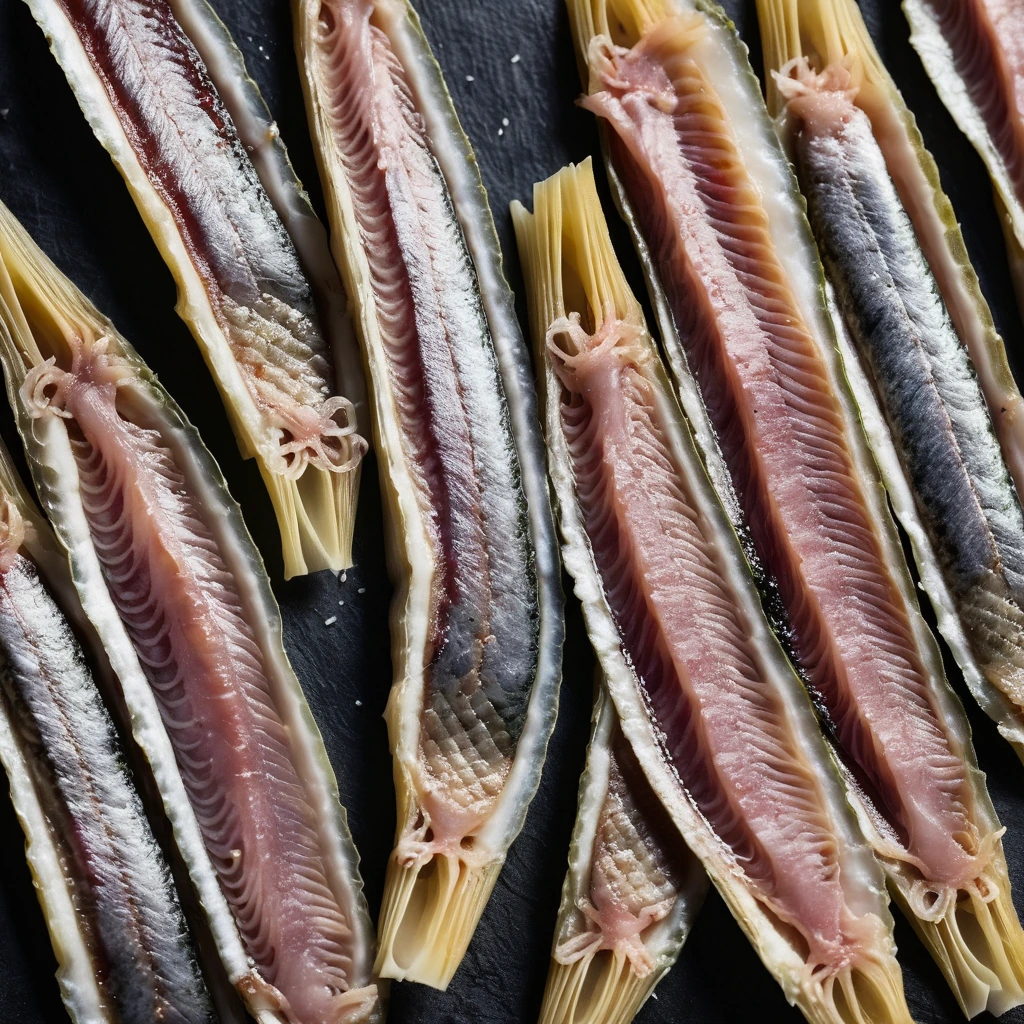
Anchovy Fillets
Silvery and succulent, anchovy fillets are a briny treasure from the sea. Their rich, umami flavor adds depth to dishes, making them a beloved ingredient in kitchens worldwide.
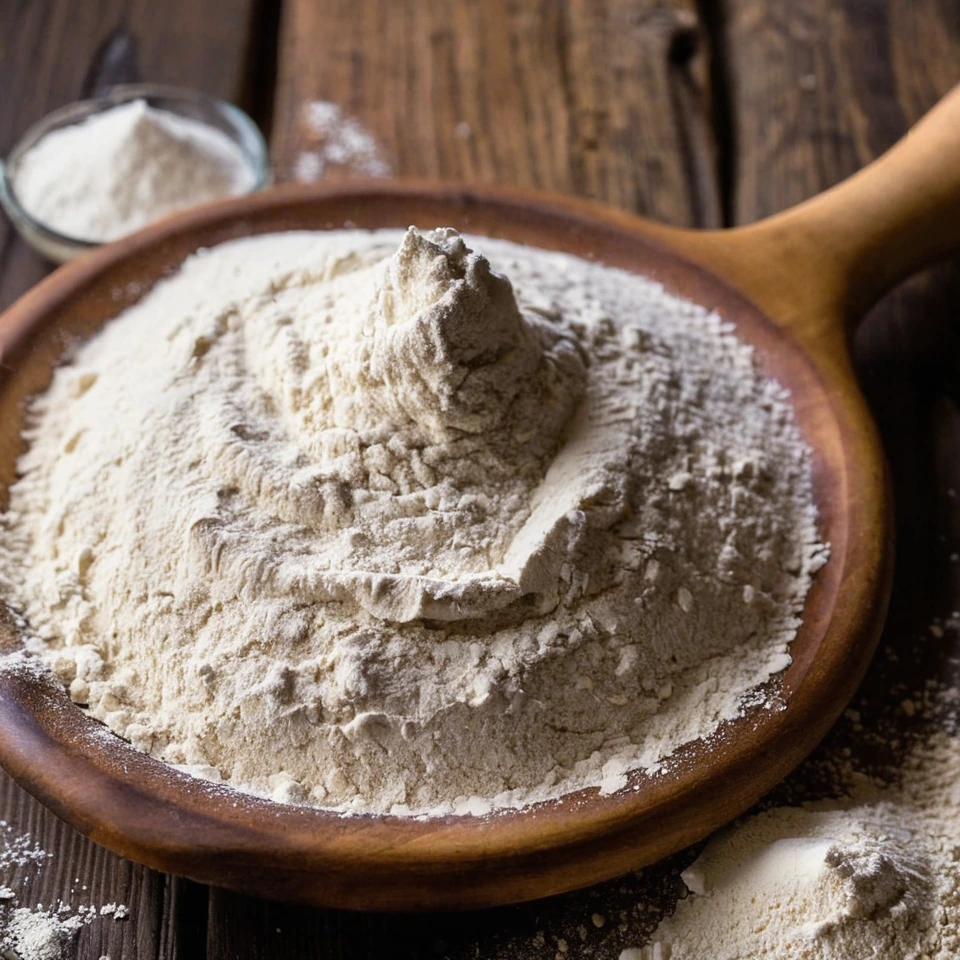
All-Purpose Flour
All-purpose flour is a versatile wheat flour that contains a moderate level of protein and gluten, making it suitable for a wide range of baking and cooking needs.
Recipes to try

Spiced Cauliflower and Potato Street Tacos
Crispy spiced cauliflower and tender potatoes packed into warm tortillas for a veggie-packed taco night.
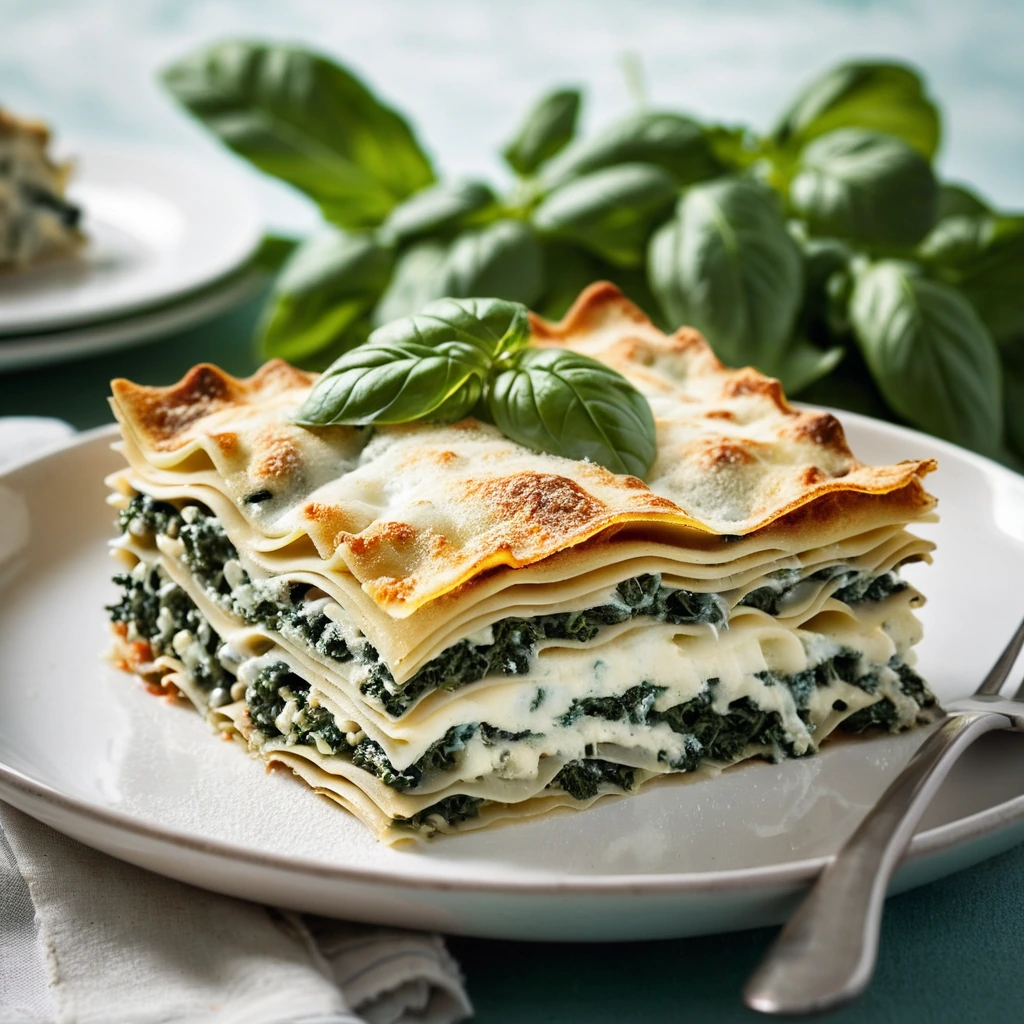
Vegetable Lasagna with Spinach and Ricotta
Layers of tender pasta, creamy ricotta, and a vibrant mix of spinach and veggies come together in a comforting, cheesy casserole.