Safety: Wiping Up Spills to Prevent Slips
Keeping your kitchen safe is just as important as making sure your dishes taste fantastic. One critical aspect of kitchen safety is promptly cleaning up spills to prevent slips, trips, and falls. Whether it's a splash of oil, a puddle of water, or a stray grain of sugar, these hazards can quickly turn your cooking experience into a disaster. Understanding the importance of swift spill management can not only protect you from injury but also maintain a hygienic cooking environment. This technique dives into why spills are dangerous, how quickly they can become a problem, and the best practices for ensuring they are dealt with efficiently. From choosing the right cleaning tools to understanding the science behind why surfaces become slippery, we'll guide you through mastering this essential kitchen safety skill. Remember, a safe cook is a confident cook, and preventing slips starts with knowing how to properly manage spills.
Notes
The science behind slips lies in the friction between your feet and the floor surface. Liquids and spills reduce this friction, making surfaces treacherous. Acting quickly is crucial as even a small spill can become slick and dangerous within seconds. A common mistake is using excessive water to clean spills, which can compound the issue. Instead, use minimal water and focus on absorbing and neutralizing the spill with materials like baking soda. Additionally, ensure that cleaning agents are stored safely away from children and pets. For storage and make-ahead considerations, always clean up immediately, but if you need to pause, use a 'wet floor' sign to alert others. Keeping a well-stocked cleaning kit nearby can help you address spills promptly and safely.
Steps
- 1 Assess the spill quickly to determine its size and nature.
- 2 Put on non-slip shoes if available for added safety.
- 3 If the spill is hot, allow it to cool slightly before approaching.
- 4 Use paper towels or a clean cloth to absorb liquids from the surface.
- 5 For sticky spills, sprinkle baking soda to help lift residue before wiping.
- 6 Dispose of used paper towels immediately in a trash bin.
- 7 For stubborn stains, use a mild detergent solution with warm water.
- 8 Rinse the area with clean water to remove any cleaning solution residue.
- 9 Dry the surface thoroughly with a clean towel to ensure no moisture remains.
- 10 Inspect the area to ensure it is completely clean and dry.
- 11 Consider placing a non-slip mat in areas prone to spills.
- 12 Wash your hands after cleaning to maintain hygiene.
- 13 Check your kitchen periodically for any new spills.
Ingredients to explore
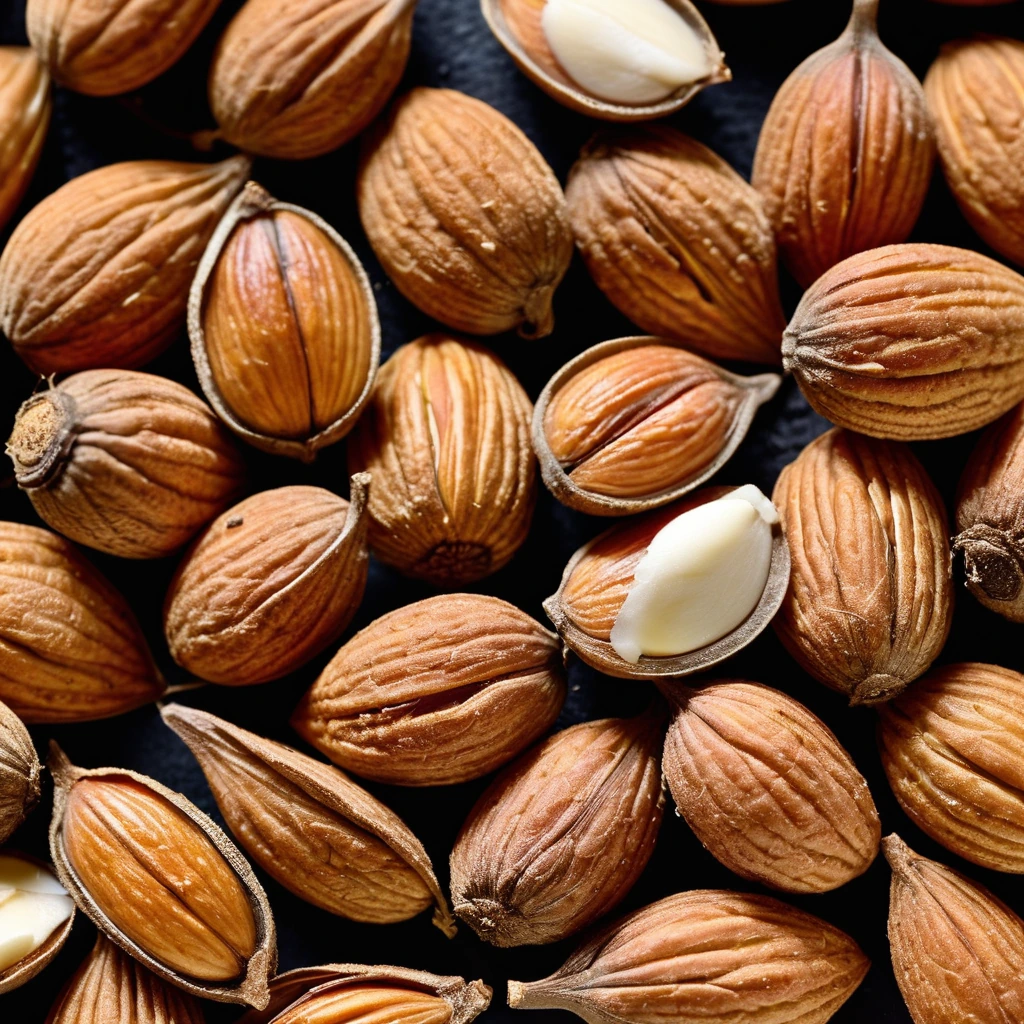
Almond Extract
A fragrant, golden elixir that captures the essence of freshly ground almonds, almond extract is a pantry staple that brings a rich, nutty aroma to your culinary creations.
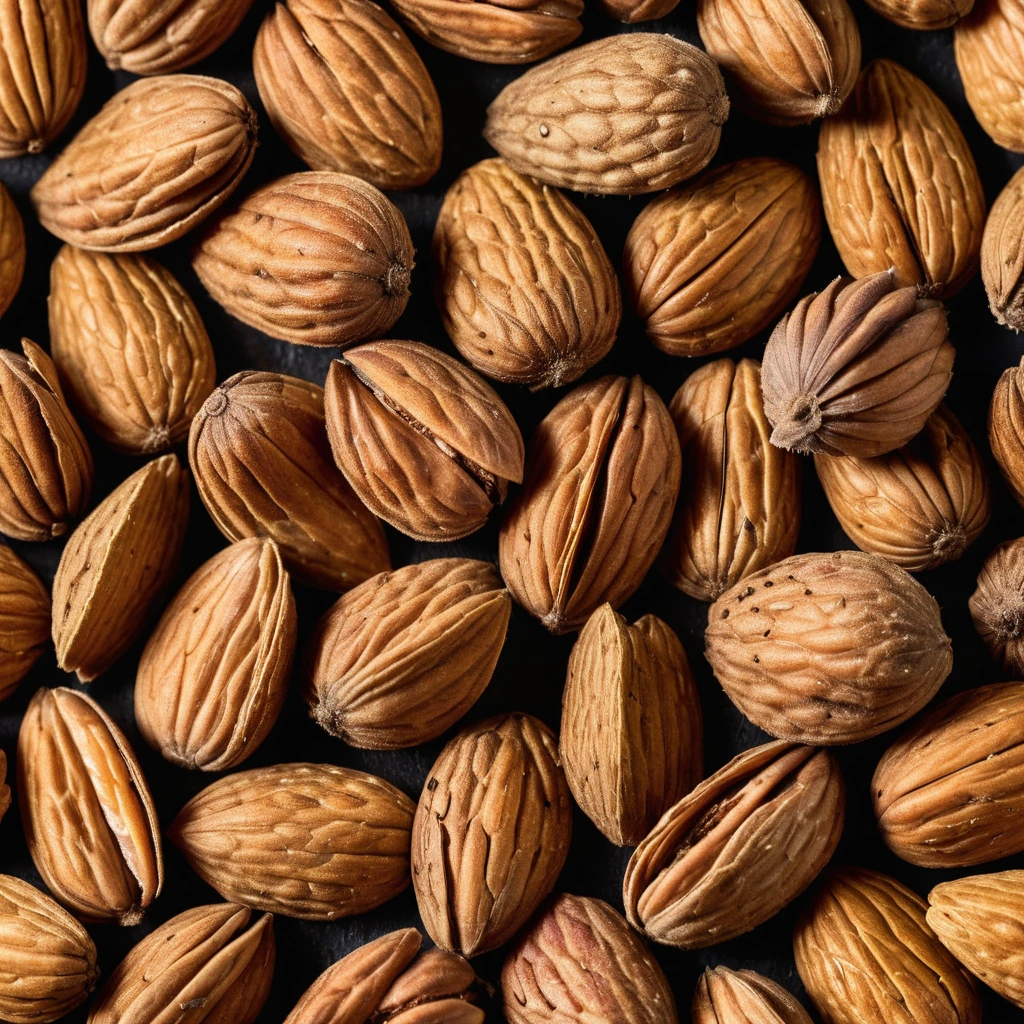
Almonds
With their golden-brown hue and delicate, edible skin, almonds are a crunchy delight. These versatile nuts boast a rich, buttery flavor that adds depth to both sweet and savory dishes.
Recipes to try

Roasted Root Vegetable and Barley Stew
Hearty and deeply flavorful, this stew marries caramelized root veggies with chewy barley for a comforting bowlful of warmth.
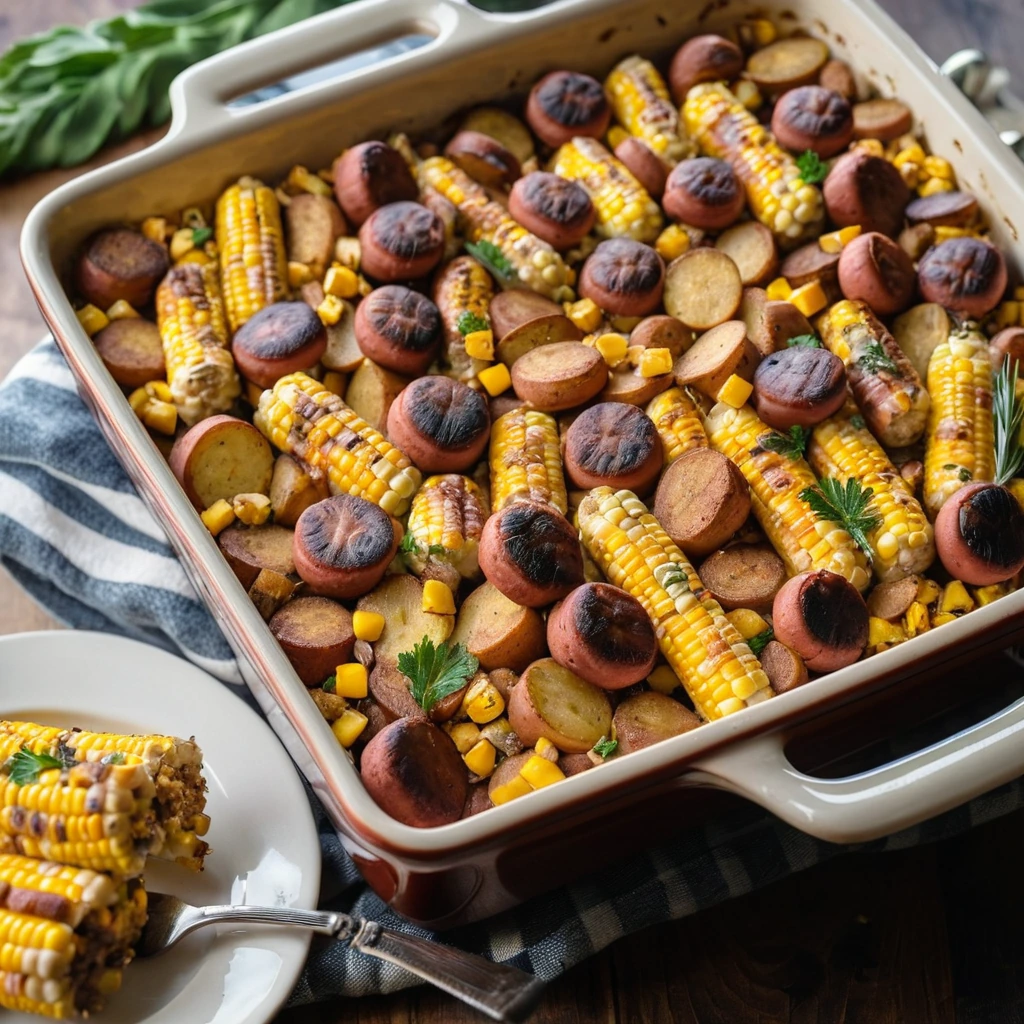
Smoked Sausage, Corn, and Potato Casserole
A hearty, golden-brown casserole bursting with smoky sausage, sweet corn, and tender potatoes.