Safety: Using Separate Cutting Boards for Meat and Produce
Cross-contamination in the kitchen is a real hazard that can lead to foodborne illnesses. One of the simplest yet most effective ways to prevent this is by using separate cutting boards for meat and produce. This technique is straightforward but crucial for maintaining a safe cooking environment. By dedicating one cutting board exclusively to raw meats and another to fruits and vegetables, you create a barrier against the transfer of harmful bacteria like Salmonella and E. coli. This guide will walk you through the importance of this practice, how to implement it seamlessly into your cooking routine, and the science behind why it works. We'll also explore some common mistakes to avoid and offer tips for maintaining your cutting boards properly.
Notes
The science behind using separate cutting boards is simple: bacteria from raw meat can easily transfer to other foods, leading to potential illness. By using dedicated boards, you minimize this risk. A common mistake is using the same board for different food types or not cleaning them properly after each use. Always ensure thorough cleaning and sanitization, especially for the meat board. Additionally, storing boards properly helps maintain their integrity and prevents bacterial growth. For make-ahead meals, ensure all surfaces are sanitized before and after prep. Store cutting boards in a dry area to prevent warping and bacterial growth.
Steps
- 1 Select two distinct cutting boards, one for meat and one for produce.
- 2 Mark each board clearly to avoid confusion (e.g., with colored tape or permanent marker).
- 3 Use the meat board exclusively for raw meats, poultry, and seafood.
- 4 Use the produce board for all fruits, vegetables, and bread.
- 5 Never use the meat board for anything but raw meat to prevent cross-contamination.
- 6 After cutting meat, wash the board immediately with hot, soapy water.
- 7 Sanitize the meat board with a solution of 1 tablespoon of unscented liquid chlorine bleach per gallon of water.
- 8 Rinse the board thoroughly and air dry it completely before storing.
- 9 Wash the produce board with hot, soapy water after each use.
- 10 Sanitize the produce board less frequently, unless it has come into contact with meat juices.
- 11 Store each board in a designated spot in your kitchen.
- 12 Regularly check your boards for deep cuts and grooves that can harbor bacteria.
- 13 Replace your cutting boards when they show significant wear and tear.
Ingredients to explore

Andouille Sausage
Andouille sausage is a coarse-grained, smoked pork sausage with a rich history rooted in French cuisine, particularly from the Alsace region. It was adapted in Louisiana, where it became a staple in Cajun and Creole cooking. The sausage is known for its robust, smoky flavor with hints of garlic, pepper, and other spices, creating a spicy and savory profile. Its texture is firm yet slightly chewy, making it a hearty addition to dishes. When cooked, andouille sausage maintains its shape well and infuses dishes with its distinctive smoky essence, enhancing stews, soups, and rice dishes.
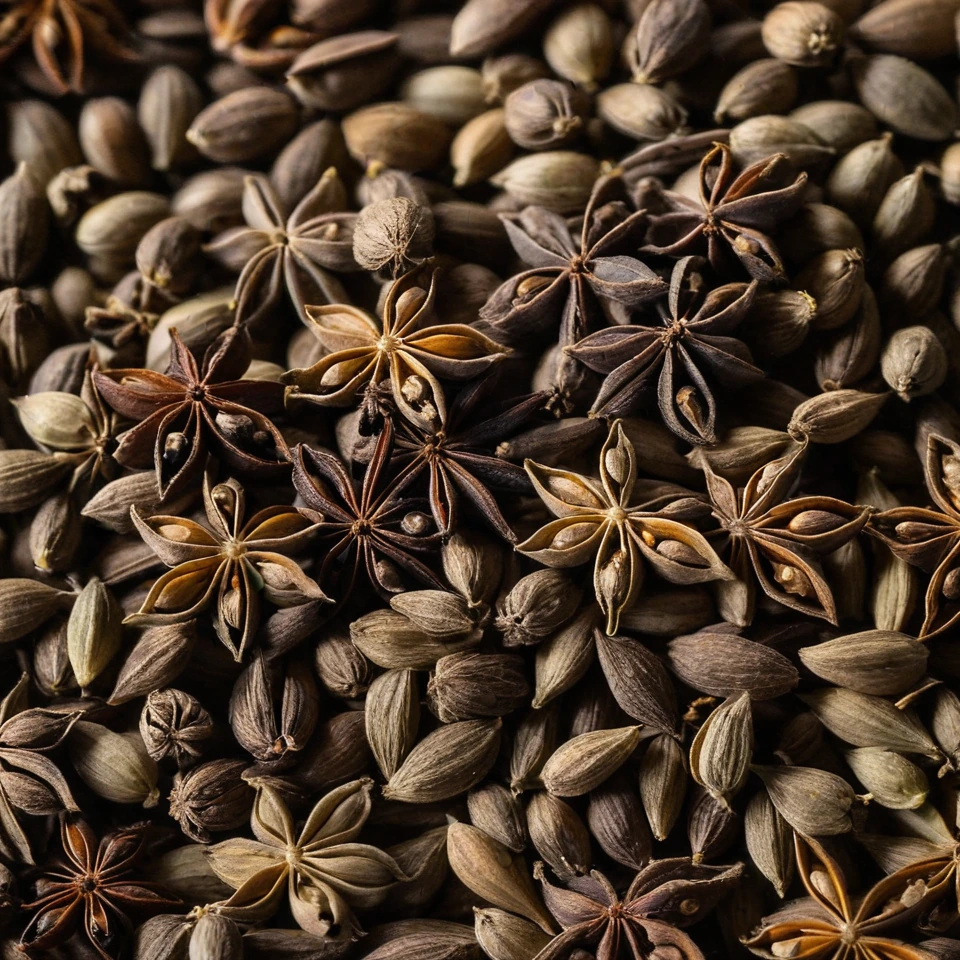
Anise Seeds
Anise seeds are small, oval seeds with a sweet, licorice-like flavor. They are commonly used in both sweet and savory dishes, offering a warm, aromatic taste.
Recipes to try
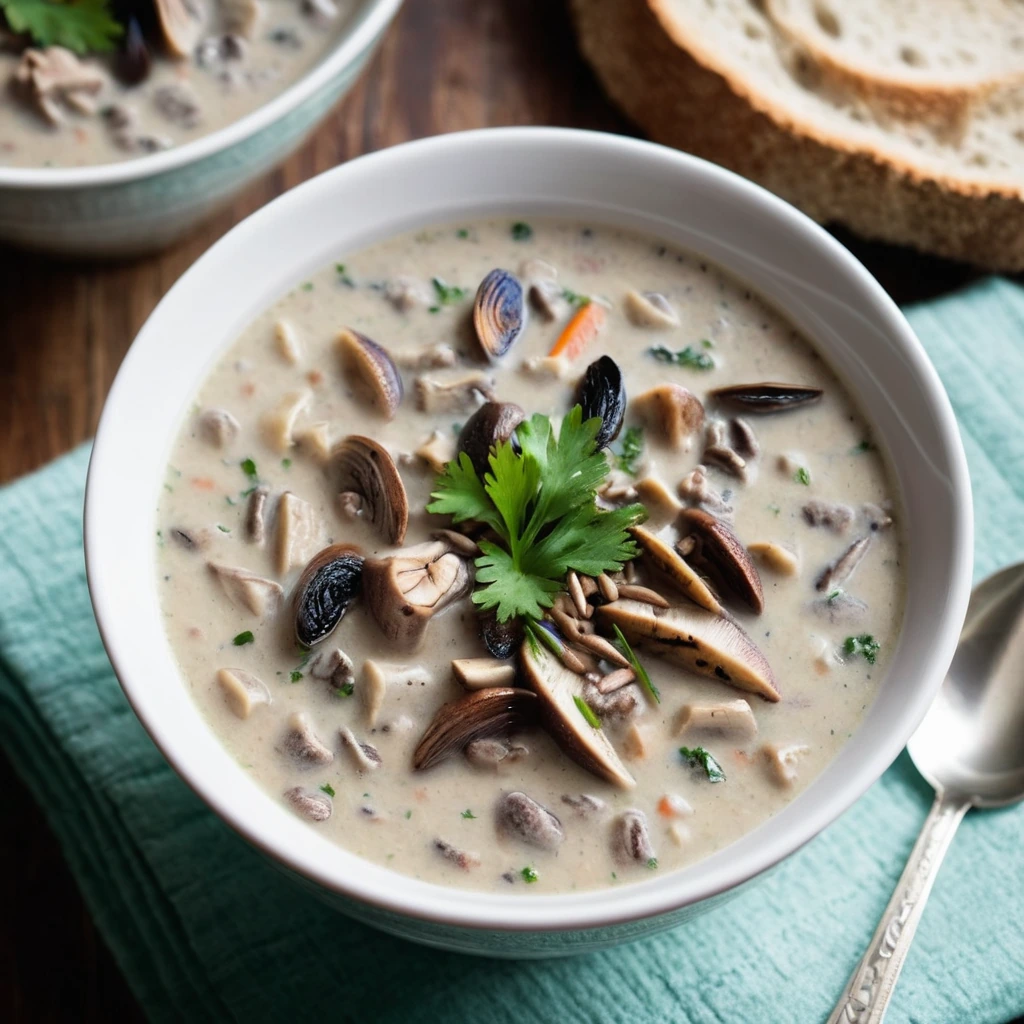
Turkey and Wild Rice Mushroom Soup
Warm up with this hearty soup, brimming with tender turkey, earthy wild rice, and a medley of savory mushrooms in a rich, comforting broth.

Sausage and Ricotta Stuffed Squash Boats
Tender roasted squash halves are stuffed with a savory mix of Italian sausage and creamy ricotta, making for a comforting and hearty meal.