Safety: Using Gloves for Handling Hot Peppers
Handling hot peppers can be a fiery affair if you're not equipped with the right safety gear. The capsaicin in these peppers is a powerful compound that can cause a burning sensation on the skin and, if it gets into your eyes or other sensitive areas, it can lead to considerable discomfort. Wearing gloves is an essential technique to protect yourself from these potent compounds. This method not only keeps your hands safe but also ensures that the heat of the peppers doesn't spread to other surfaces in your kitchen. In this guide, we'll explore why gloves are indispensable, how to choose the right pair, and the best practices for handling hot peppers with ease and confidence. From selecting gloves to properly disposing of them, we'll cover every step to ensure your culinary adventures remain enjoyable and pain-free.
Notes
Gloves act as a barrier against capsaicin, preventing it from making contact with your skin. Capsaicin is oil-soluble, which is why water alone isn't enough to remove it from your hands. It's crucial to use gloves that are specifically designed to withstand oils and chemicals. Remember, even after removing gloves, always wash your hands—capsaicin can sometimes permeate through gloves with prolonged exposure. Common mistakes include using latex gloves, which can degrade with capsaicin exposure, or forgetting to wash hands after glove removal. For storage, keep your gloves clean and dry for future use. If handling an exceptionally hot pepper variety, consider double gloving for extra protection.
Steps
- 1 Select a pair of gloves made from materials resistant to capsaicin, such as nitrile or neoprene.
- 2 Ensure the gloves fit snugly but comfortably on your hands.
- 3 Put on the gloves before you start handling any hot peppers.
- 4 Avoid touching your face, eyes, or other sensitive areas while wearing gloves.
- 5 Use a knife to carefully cut open the peppers, working over a sink or lined tray to catch any stray seeds or juice.
- 6 Remove seeds and membranes, which contain the highest concentration of capsaicin, using a spoon or your gloved fingers.
- 7 Rinse your gloved hands with water if they come into contact with pepper juice, then dry thoroughly before resuming.
- 8 After handling the peppers, dispose of the gloves properly, turning them inside out to avoid direct contact with the contaminated exterior.
- 9 Wash your hands thoroughly with soap and water immediately after removing the gloves.
- 10 Sanitize any surfaces or utensils that came into contact with the peppers to prevent cross-contamination.
Ingredients to explore
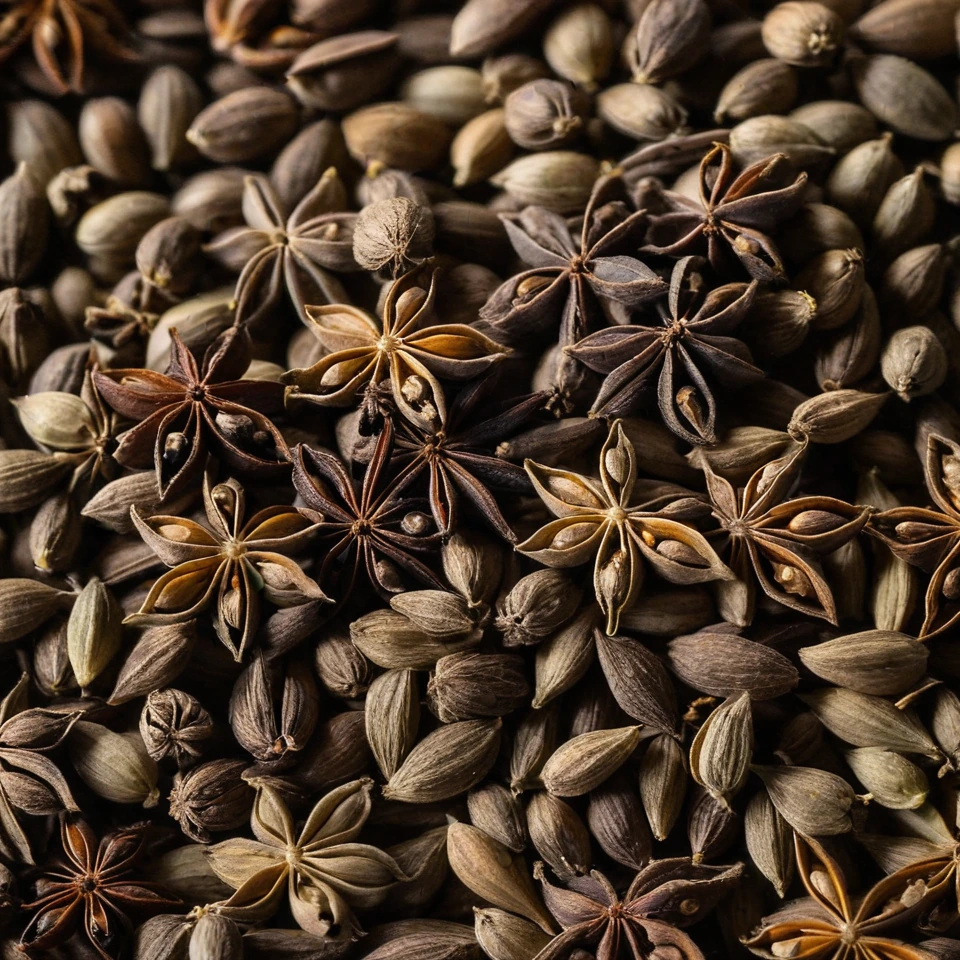
Anise Seeds
Anise seeds are small, oval seeds with a sweet, licorice-like flavor. They are commonly used in both sweet and savory dishes, offering a warm, aromatic taste.
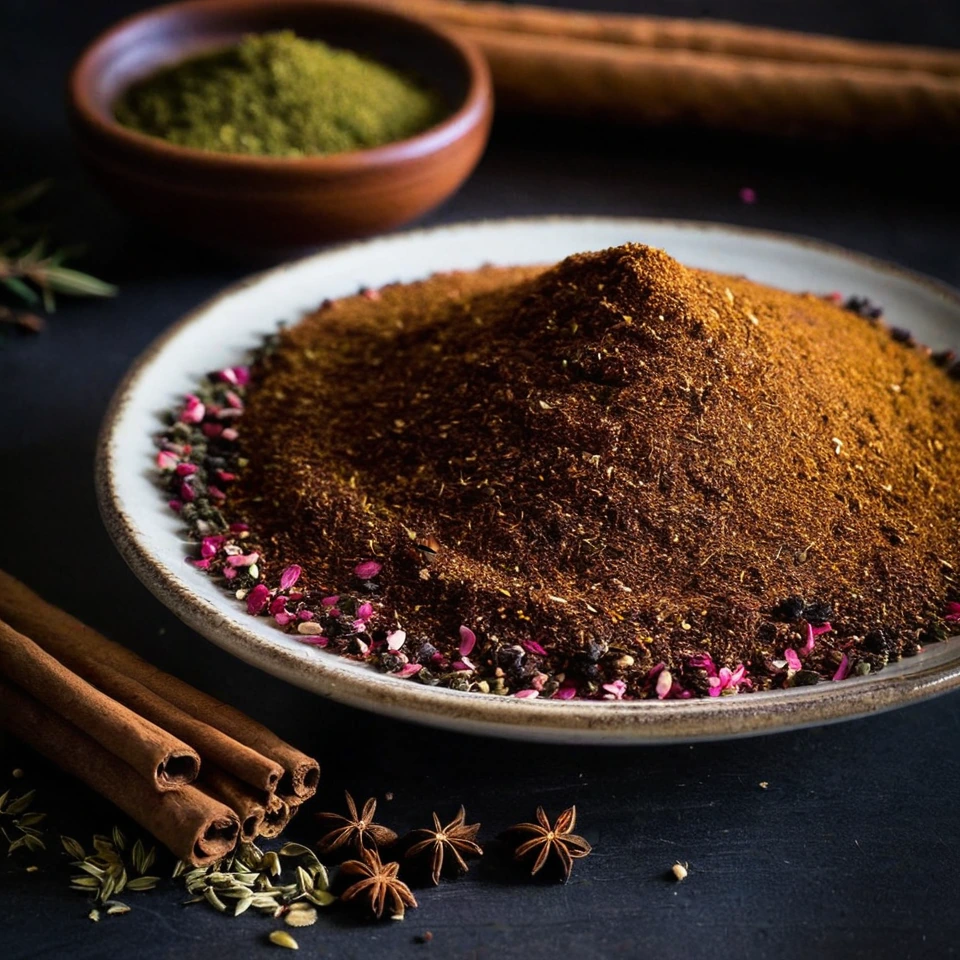
Advieh (Persian Spice Blend)
Advieh is a fragrant Persian spice blend that boasts a complex aroma of warm cinnamon, earthy cumin, and floral hints of rose and saffron. Its texture is finely ground, making it easy to incorporate into dishes. Originating from the rich culinary traditions of Iran, advieh adds depth and sophistication to both savory and sweet recipes. Its unique combination of spices reflects the historical spice trade routes that influenced Persian cuisine.
Recipes to try
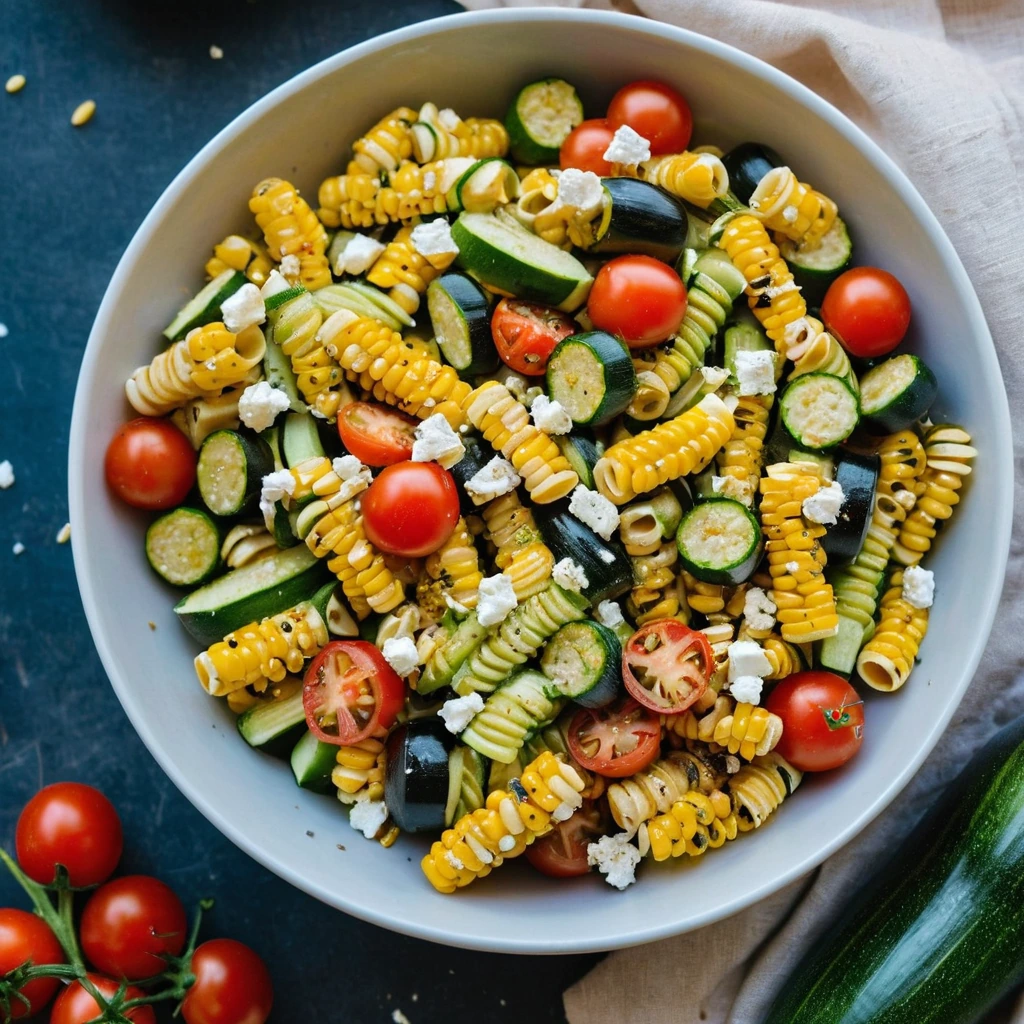
Roasted Zucchini, Corn, and Tomato Pasta Salad
This vibrant pasta salad is bursting with smoky roasted veggies and tangy feta, making every bite a taste of summer.

Pork Carnitas Nachos with Queso and Jalapeños
Crispy tortilla chips smothered in tender pork carnitas, melty queso, and zesty jalapeños for a fiesta in your mouth.