Safety: Storing Leftovers in Shallow Containers
When it comes to storing leftovers, the container you choose plays a critical role in maintaining food safety and quality. Storing leftovers in shallow containers is a chef-approved technique that ensures your food stays fresh longer and minimizes the risk of bacterial growth. This method is straightforward yet incredibly effective. By spreading food into shallow layers, you significantly reduce the time it takes for food to cool down, which is crucial in preventing the growth of bacteria that thrive in the 'danger zone' temperatures between 40°F and 140°F. Moreover, shallow containers allow for quicker and more even refrigeration, ensuring that all parts of the food are chilled promptly. This technique is particularly useful for hearty dishes like casseroles, stews, or roasted vegetables. Understanding the importance of proper storage can elevate your home cooking game and help you savor your culinary creations for days to come. Not only does this method preserve the taste and texture of your food, but it also maximizes its nutritional value by minimizing nutrient loss due to prolonged exposure to air or improper cooling. By the end of this guide, you'll be equipped with the knowledge to safely store your leftovers like a pro, ensuring they remain safe to eat and deliciously fresh.
Notes
The science behind storing leftovers in shallow containers is simple yet profound. By reducing the depth of the food, you decrease the cooling time, which is crucial for inhibiting bacterial growth. Common mistakes include leaving food out for too long before refrigeration and using containers that are too deep, leading to uneven cooling. Always prioritize food safety by ensuring your refrigerator is at the correct temperature. For make-ahead meals, consider portioning leftovers into individual servings before storing them. This not only saves time but also prevents repeated reheating, which can degrade food quality. When freezing leftovers, use airtight containers to prevent freezer burn and maintain freshness for up to 3-4 months.
Steps
- 1 Allow hot food to cool at room temperature for no more than 2 hours.
- 2 Divide leftovers into portions suitable for one meal.
- 3 Transfer each portion to a clean, shallow container no deeper than 2 inches.
- 4 Ensure food is spread out evenly in the container.
- 5 Cover the container with a tight-fitting lid or plastic wrap.
- 6 Label the container with the date of storage.
- 7 Place the container in the refrigerator within 2 hours of cooking.
- 8 Check that your refrigerator is set to 40°F or below.
- 9 Consume refrigerated leftovers within 3 to 4 days.
- 10 For longer storage, freeze leftovers within 24 hours of refrigeration.
- 11 Reheat leftovers to an internal temperature of 165°F before eating.
Ingredients to explore
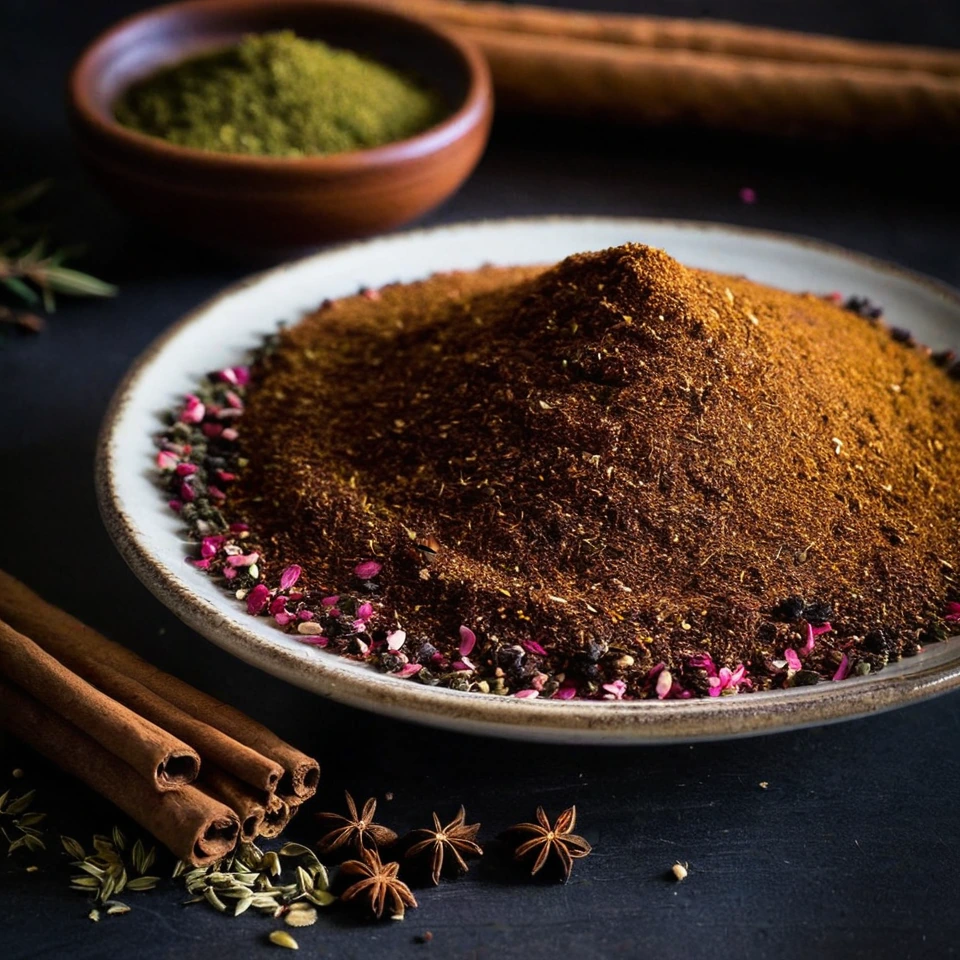
Advieh (Persian Spice Blend)
Advieh is a fragrant Persian spice blend that boasts a complex aroma of warm cinnamon, earthy cumin, and floral hints of rose and saffron. Its texture is finely ground, making it easy to incorporate into dishes. Originating from the rich culinary traditions of Iran, advieh adds depth and sophistication to both savory and sweet recipes. Its unique combination of spices reflects the historical spice trade routes that influenced Persian cuisine.
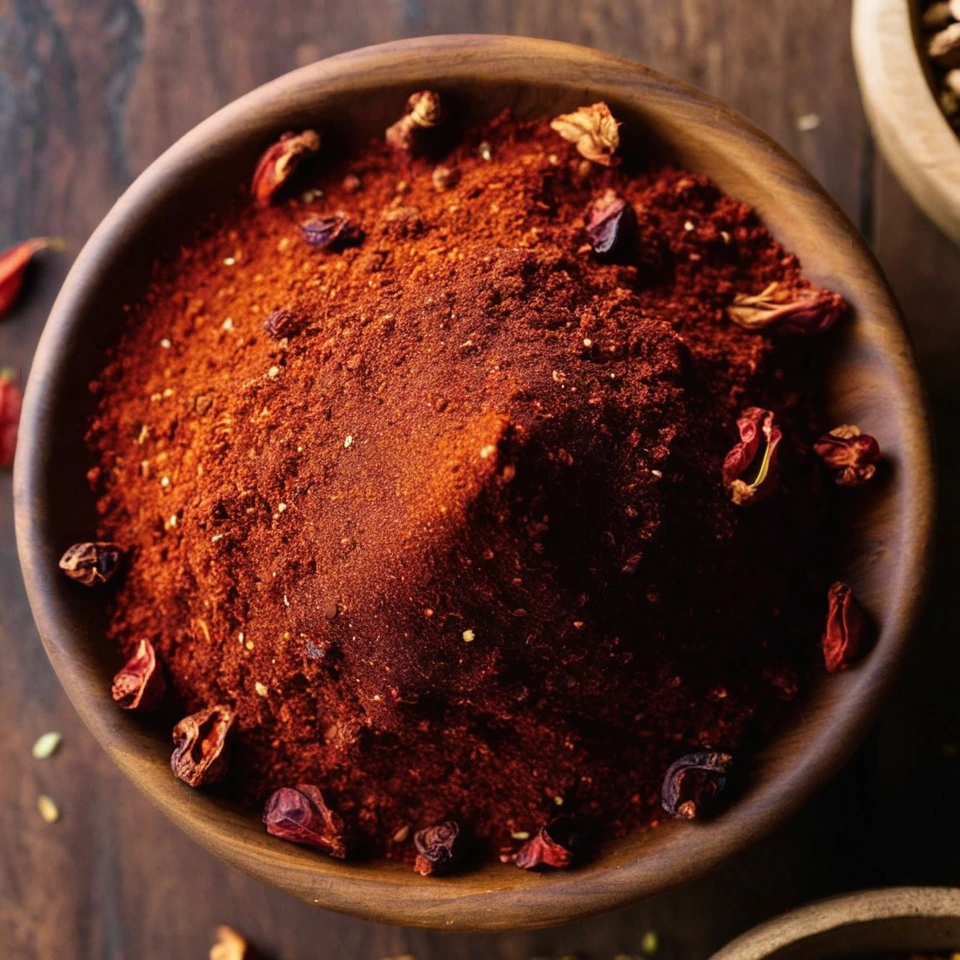
Aleppo Pepper
Aleppo pepper offers a harmonious balance of heat and sweetness, with a subtle fruity aroma reminiscent of sun-dried tomatoes and currants. Originating from the region around Aleppo, Syria, it has a fine, slightly coarse texture that shatters easily between fingers. Its mild yet complex flavor profile makes it a prized seasoning for enhancing dishes without overwhelming them. Valued for its versatility, it bridges the gap between spice and seasoning, bringing a touch of warmth and depth to a variety of cuisines.
Recipes to try
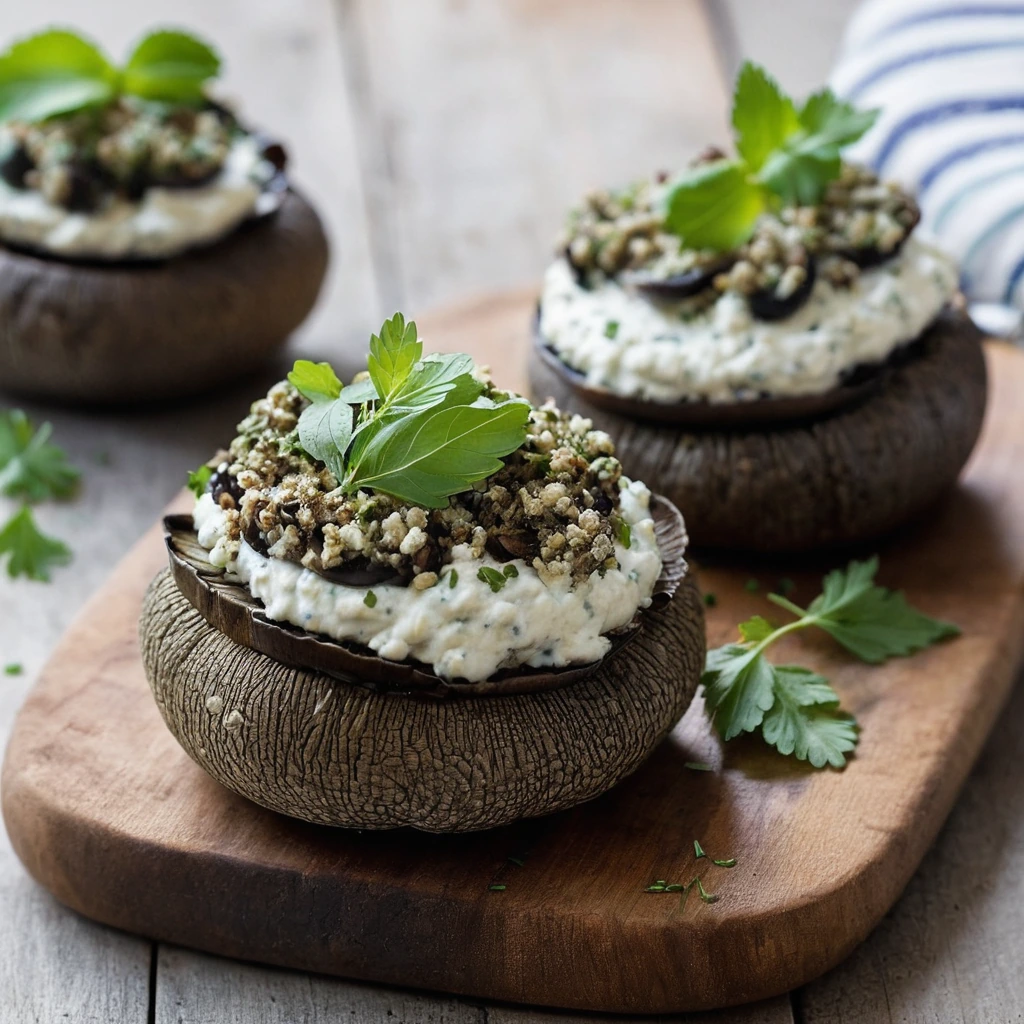
Stuffed Portobello Mushrooms with Herbed Ricotta
These earthy portobello mushrooms are stuffed with a creamy, herbed ricotta mixture, offering a satisfying vegetarian delight that's both elegant and easy.
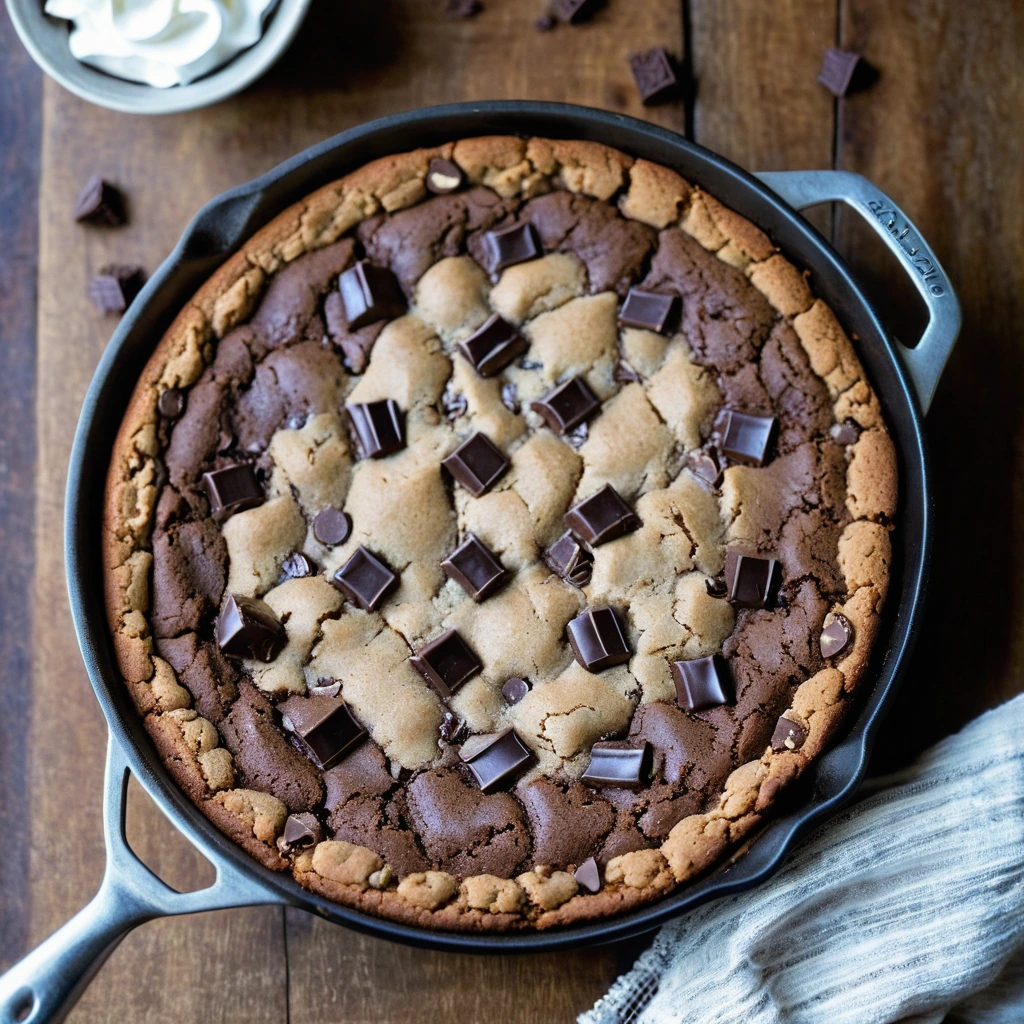
Triple Chocolate Chunk Skillet Cookie
This skillet cookie is a gooey, decadent delight with chunks of dark, milk, and white chocolate that will make you swoon.