Safety: Keeping a Fire Extinguisher in the Kitchen
Having a fire extinguisher in your kitchen is a simple yet crucial step in ensuring your safety and the safety of your loved ones. Kitchen fires are among the most common household emergencies, often caused by unattended stovetops, overheated oils, or electrical malfunctions. This guide will walk you through why a fire extinguisher is essential, how to choose the right one for your kitchen, and how to properly maintain it for when you need it most. Understanding your fire extinguisher is not just about having it on hand; it’s about knowing how to use it effectively in a crisis. We’ll delve into the types of extinguishers suited for kitchen fires, their classifications, and how they work. Additionally, we’ll cover common mistakes to avoid, routine checks to keep your extinguisher in prime condition, and where to place it for optimal accessibility. This technique isn’t just a skill; it’s a lifesaving measure that every home cook should be equipped with.
Notes
Choosing the correct fire extinguisher for your kitchen is vital, as different classes of fires require different extinguishing agents. Class B extinguishers are for flammable liquids like grease and oil, while Class C is for electrical fires. Remember, never use water on a grease fire as it can cause the fire to spread. A common mistake is waiting too long to act; tackling a fire early gives you the best chance of extinguishing it quickly. It’s also crucial to know when to leave the premises; if the fire is spreading, evacuate immediately and call emergency services. For storage, keep your extinguisher in a cool, dry place, away from children’s reach, ensuring everyone in your household knows its location and how to use it.
Steps
- 1 Select a fire extinguisher classified as Kitchen Class B or C, or multipurpose ABC.
- 2 Ensure the extinguisher is UL-rated and has a minimum rating of 2A:10BC.
- 3 Install the extinguisher in an easily accessible location, preferably near an exit.
- 4 Mount the extinguisher at eye level, no higher than 4 feet from the ground.
- 5 Familiarize yourself with the PASS technique: Pull, Aim, Squeeze, Sweep.
- 6 Check the pressure gauge monthly to ensure it is in the green zone.
- 7 Inspect the extinguisher annually for any damage, corrosion, or missing parts.
- 8 Shake the extinguisher gently once a month to prevent the powder from settling.
- 9 Consider replacing your extinguisher every 5-10 years, depending on the manufacturer’s recommendation.
Ingredients to explore
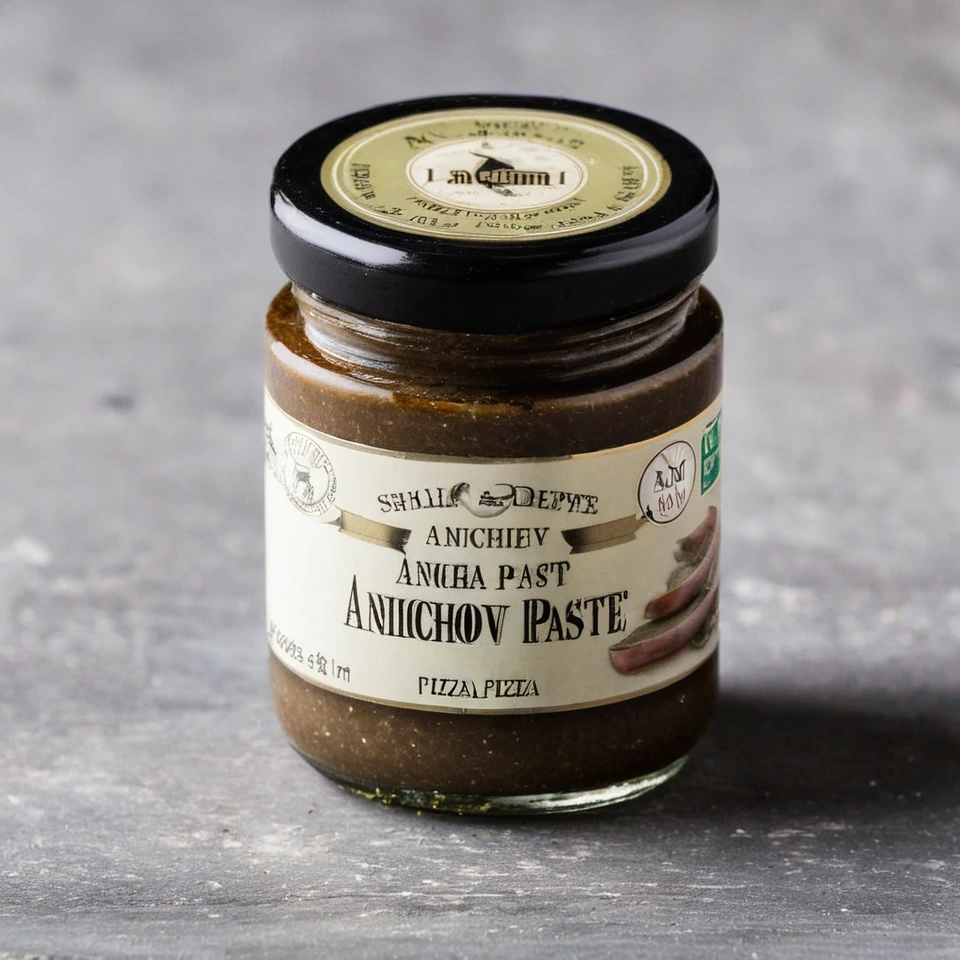
Anchovy Paste
Anchovy paste is a rich, salty spread made from finely ground anchovies, salt, and sometimes olive oil. It offers a deep umami flavor that enhances a variety of dishes.

Anaheim Peppers
Anaheim peppers are a mild chili pepper variety named after Anaheim, California, where they were first cultivated commercially. Originating from the New Mexico region, these peppers are celebrated for their versatility and gentle heat. They possess a flavor that is mildly sweet with a subtle tang, and a pleasant vegetal note reminiscent of green bell peppers, but with a hint of spice. Their texture is firm and crisp when fresh, becoming tender and slightly smoky when roasted or cooked. In cooking, Anaheim peppers behave well across a range of techniques, from grilling and roasting to stuffing and sautéing, contributing a nuanced depth without overwhelming other ingredients with heat.
Recipes to try

Lemon Pepper Tilapia with Garlic Green Beans
Zesty lemon pepper tilapia fillets served with garlicky, tender-crisp green beans make for a bright and satisfying weeknight meal.
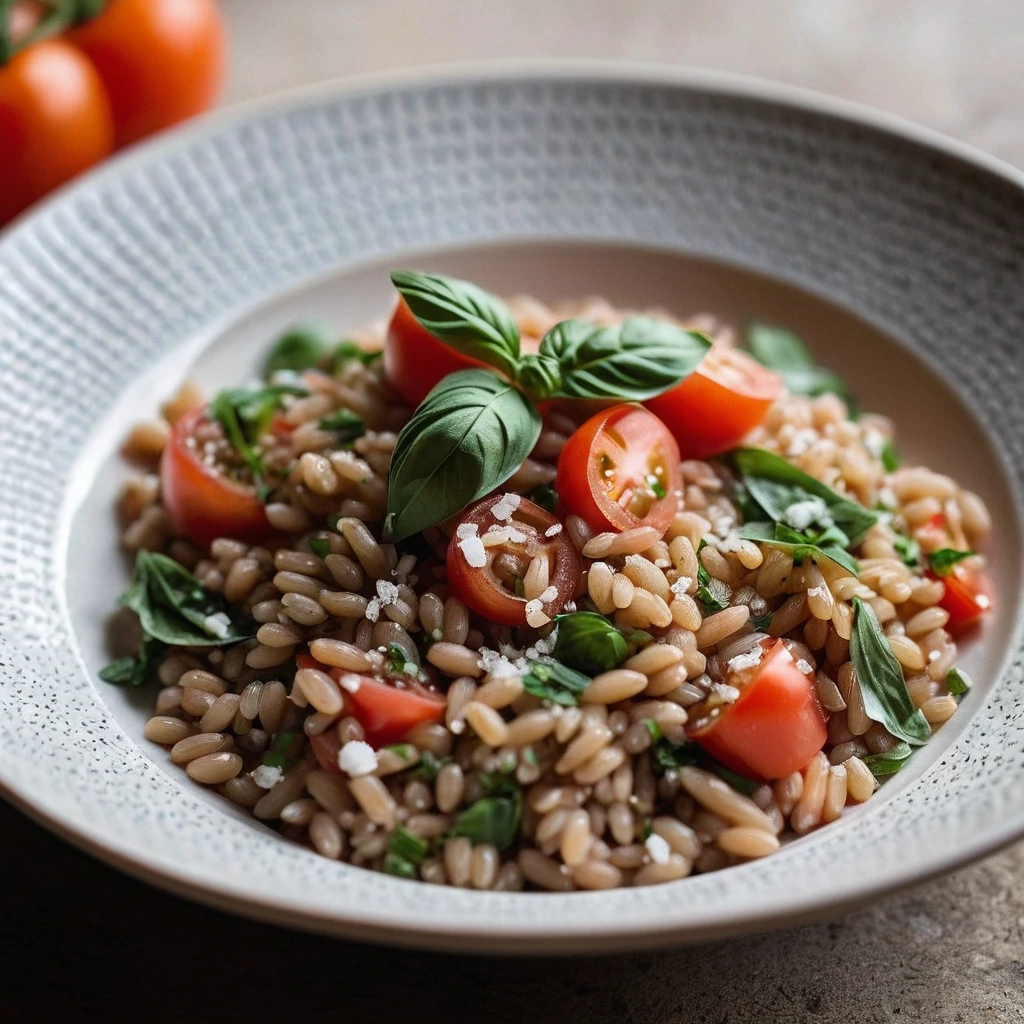
Tomato Basil Parmesan Farro Risotto
Creamy farro risotto kissed with fresh basil and sun-ripened tomatoes, topped with a generous sprinkle of Parmesan.