Safety: Cooling Hot Foods Safely Before Refrigerating
Cooling hot foods safely before refrigerating is a crucial step in food safety that prevents bacterial growth and ensures your leftovers remain fresh and safe to eat. When hot food is placed directly into the refrigerator, it raises the internal temperature, potentially creating an environment where bacteria can thrive. The ideal goal is to cool food rapidly, bringing it to a safe temperature within two hours of cooking. This technique explores the science behind cooling and provides practical methods for doing so effectively. First, understanding the 'danger zone' is key: bacteria multiply rapidly between 40°F and 140°F, so cooling food quickly through this range is vital. Using shallow containers allows for faster heat dissipation, while stirring occasionally helps distribute heat evenly. Employing an ice bath or placing containers in a cooling rack over another container can expedite the process. Covering food loosely allows steam to escape, promoting faster cooling. Additionally, dividing large quantities into smaller portions can reduce cooling time. Knowing when your food has reached a safe temperature, typically below 40°F, is essential before transferring it to the fridge. By following these methods, you not only ensure food safety but also maintain quality and texture. This technique is particularly important for dishes like soups, stews, and large cuts of meat, which retain heat for longer periods.
Notes
The science behind cooling food quickly revolves around reducing the time food spends in the 'danger zone.' By maximizing surface area and employing methods like ice baths or air circulation, you expedite the cooling process, minimizing bacterial growth. A common mistake is covering food tightly, which traps heat and steam, slowing cooling. Ensure safety by using a food thermometer to monitor temperatures. For make-ahead meals, cooling properly is crucial to preserve quality and prevent spoilage. Store cooled food in airtight containers and consume within three to four days, or freeze for longer storage.
Steps
- 1 Transfer hot food to shallow containers no deeper than 2 inches.
- 2 Stir the food occasionally to distribute heat evenly.
- 3 Place containers in an ice bath for faster cooling.
- 4 Alternatively, use a cooling rack set over another container to allow air circulation.
- 5 Cover containers loosely with a lid or foil to allow steam to escape.
- 6 Divide large quantities of food into smaller portions to cool faster.
- 7 Check food temperature with a food thermometer; ensure it reaches below 40°F.
- 8 Once cooled, transfer food to the refrigerator promptly.
- 9 Label and date containers for easy tracking.
- 10 Avoid overfilling containers to ensure uniform cooling.
- 11 Keep containers covered with a clean towel if not using a lid.
- 12 Never leave food at room temperature for more than two hours.
- 13 Discard any food that has been left unrefrigerated for too long.
- 14 Wash hands and surfaces thoroughly before handling cooled food.
Ingredients to explore
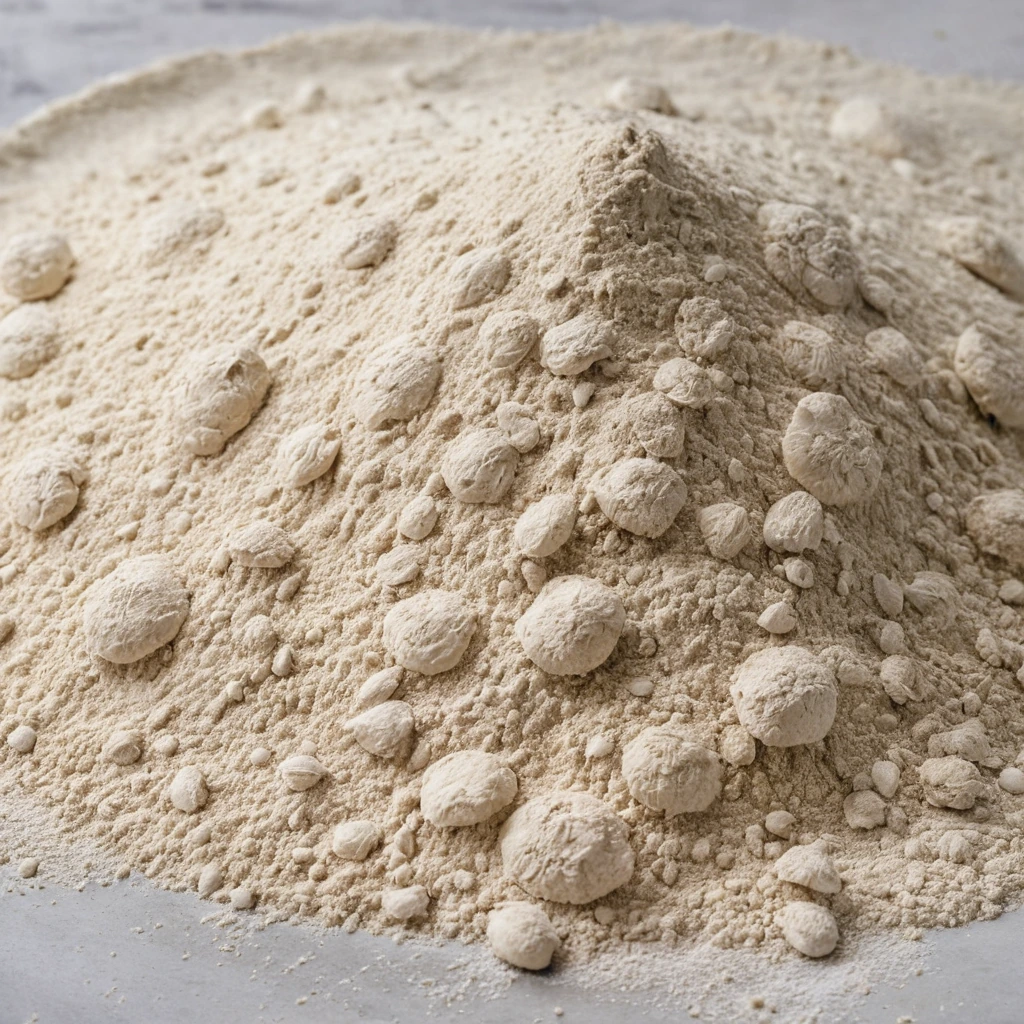
00 Pizza Flour
00 pizza flour is a finely milled Italian flour prized for its versatility in creating authentic Neapolitan-style pizza crusts. Originating from Italy, it is milled to a very fine consistency, which is reflected in its name, 'doppio zero,' indicating its fine grind. This flour has a balanced flavor profile, offering a mild, slightly sweet taste with a subtle nuttiness. Its texture is silky and smooth, contributing to a tender yet chewy crust when used in pizza making. In cooking, 00 pizza flour is known for its ability to hydrate quickly and develop a desirable gluten structure, resulting in a light and airy crust that can withstand high-heat cooking without becoming overly crispy or hard.

American Cheese Slices
Those iconic, perfectly pliable slices of creamy, mild American cheese. Each slice boasts a smooth, melt-in-your-mouth texture that brings comfort to any dish.
Recipes to try
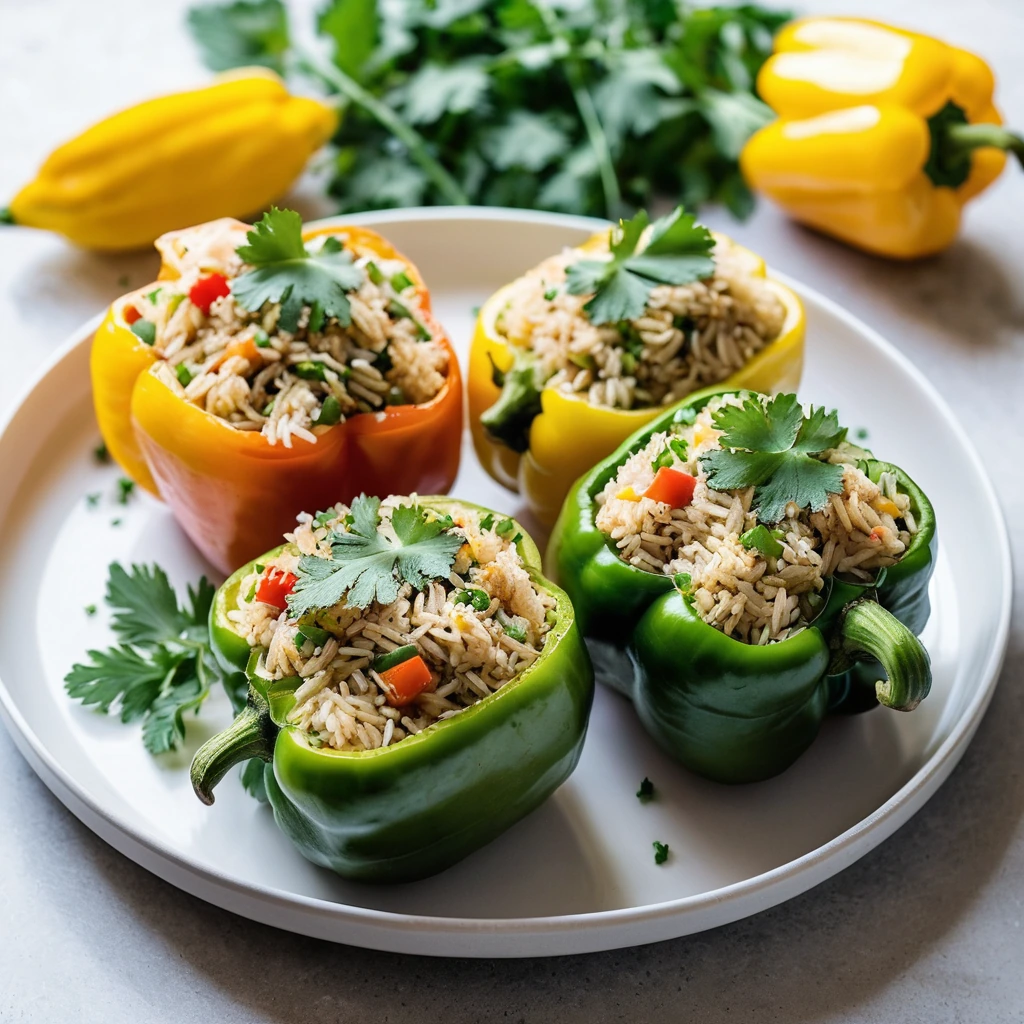
Lemon Garlic Chicken and Rice Stuffed Peppers
Bright and tangy lemon garlic chicken nestled in fluffy rice, all wrapped up in juicy bell peppers for a zesty comfort meal.
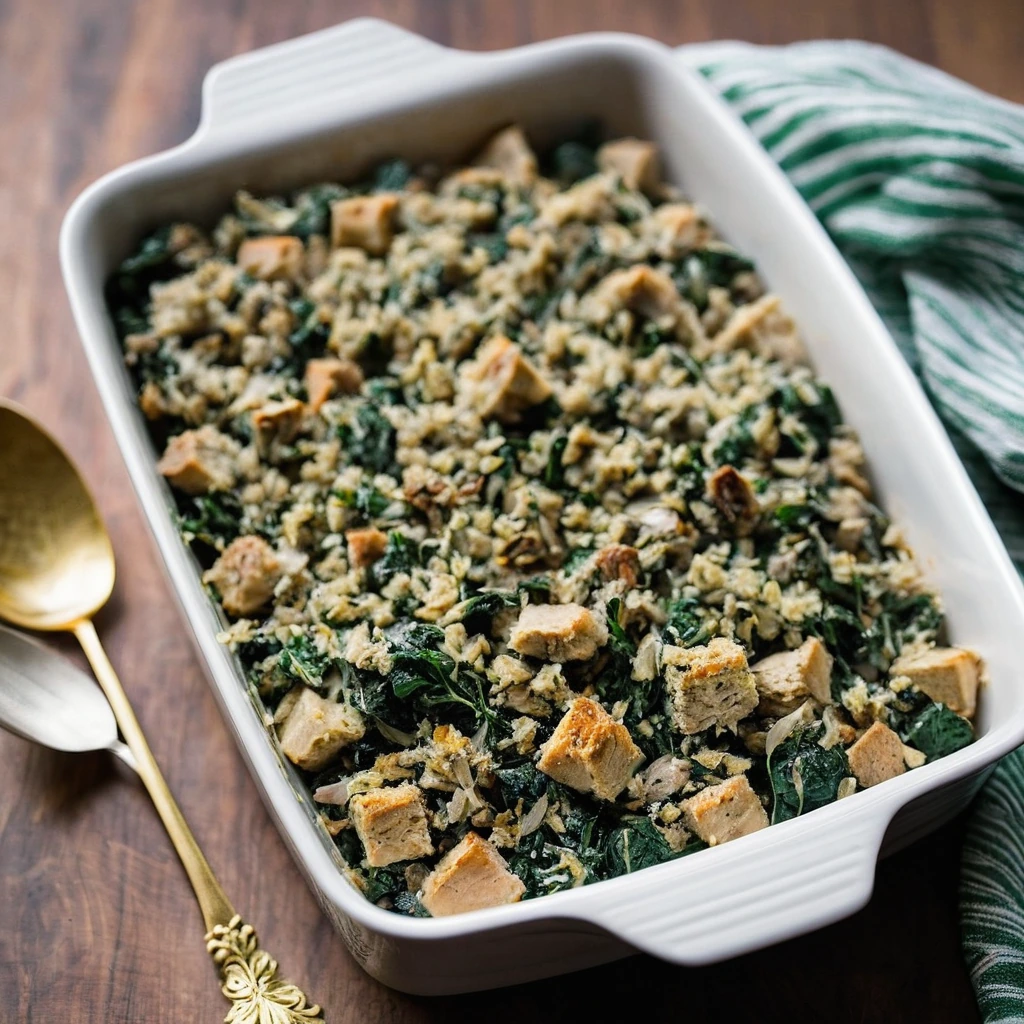
Turkey, Spinach, and Stuffing Casserole
A cozy, golden casserole brimming with tender turkey, vibrant spinach, and savory stuffing.