Rice: Rinsing and Toasting for Fluffy Grains
Achieving perfectly fluffy rice at home is simpler than you might think, and it all starts with two essential steps: rinsing and toasting. Rinsing removes excess starch from the rice grains, preventing them from clumping together and ensuring each grain remains distinct and separate. Toasting, on the other hand, adds a layer of nutty flavor and aroma that transforms ordinary rice into something extraordinary. This technique is ideal for long-grain varieties like basmati or jasmine, though it works wonders for other types too. By mastering these steps, you'll unlock a world of texture and taste in your rice dishes. Let’s dive into why these steps matter and how to execute them flawlessly. Rinsing is not just about cleanliness; it’s about texture. The starch that coats rice grains can cause them to stick together, leading to a gummy texture. Toasting allows the grains to absorb heat before they meet water, jumpstarting the cooking process and enhancing their natural flavors. Together, these techniques set the stage for fluffy, aromatic rice that’s the envy of any dinner table. Whether you’re serving it as a side or making a hearty pilaf, this method will elevate your rice game. Let’s get started.
Notes
The science behind rinsing and toasting lies in manipulating starch and heat. Rinsing washes away surface starch, reducing stickiness and ensuring each grain cooks independently. Toasting kickstarts the Maillard reaction, enhancing flavor through browning. Common mistakes include over-rinsing, which can strip away too much starch and lead to dry rice, and under-toasting, which fails to unlock the full flavor potential. Ensure your pan is dry before toasting to avoid steaming the rice. For storage, let the rice cool completely before refrigerating in an airtight container for up to 5 days. Reheat with a splash of water to restore moisture.
Steps
- 1 Measure out your rice and place it in a fine-mesh strainer.
- 2 Rinse the rice under cold running water, gently stirring with your fingers until the water runs clear.
- 3 Drain the rice thoroughly, ensuring no excess water remains.
- 4 Heat a medium saucepan or skillet over medium heat.
- 5 Add the drained rice to the dry pan, ensuring an even layer.
- 6 Toast the rice, stirring frequently, until it becomes fragrant and slightly translucent, about 2-3 minutes.
- 7 Add 1 ¾ cups of water for every cup of rice, along with a pinch of salt.
- 8 Bring the mixture to a boil, then reduce the heat to low.
- 9 Cover the pan with a tight-fitting lid and simmer for 18 minutes without peeking.
- 10 Remove from heat and let the rice sit, covered, for 10 minutes.
- 11 Fluff the rice gently with a fork before serving.
Ingredients to explore

Andouille Sausage
Andouille sausage is a coarse-grained, smoked pork sausage with a rich history rooted in French cuisine, particularly from the Alsace region. It was adapted in Louisiana, where it became a staple in Cajun and Creole cooking. The sausage is known for its robust, smoky flavor with hints of garlic, pepper, and other spices, creating a spicy and savory profile. Its texture is firm yet slightly chewy, making it a hearty addition to dishes. When cooked, andouille sausage maintains its shape well and infuses dishes with its distinctive smoky essence, enhancing stews, soups, and rice dishes.
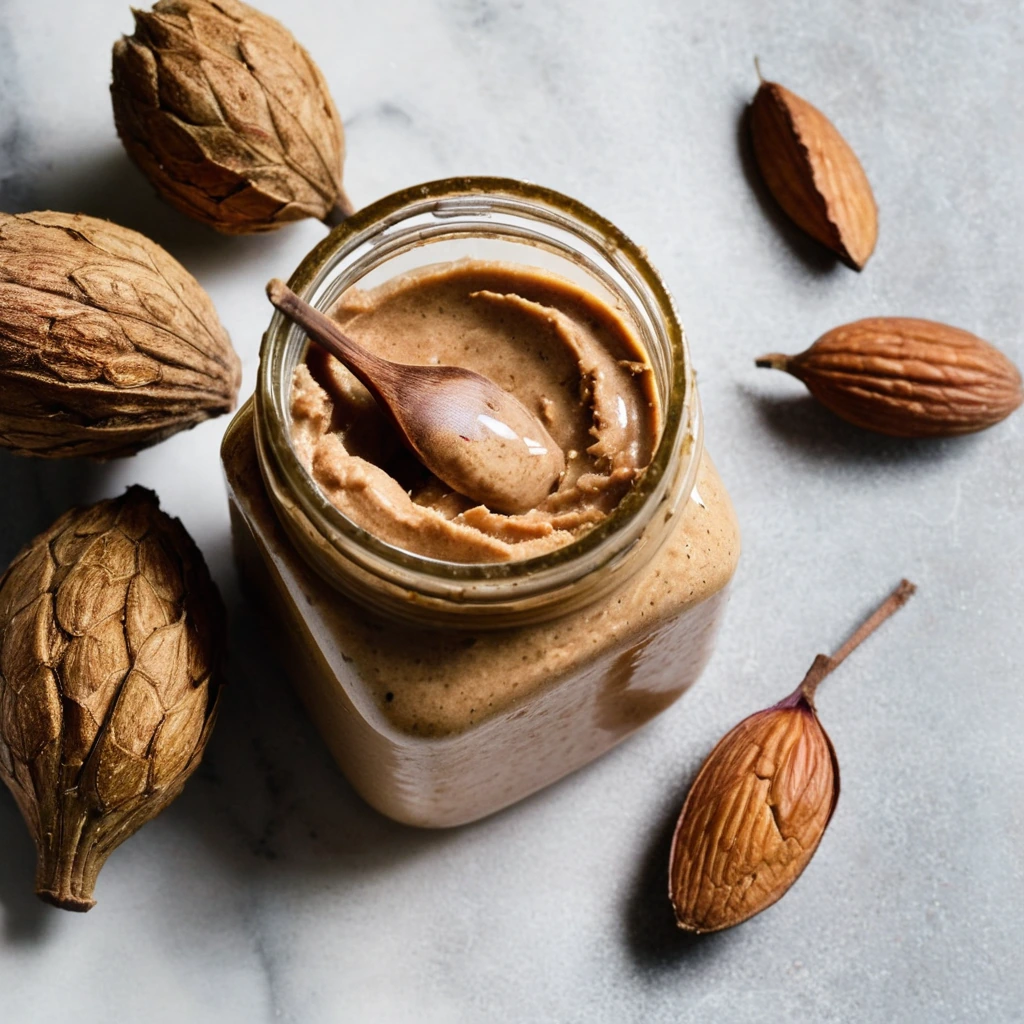
Almond Butter
A velvety, nutty spread crafted from finely ground almonds, offering a rich and satisfying flavor that's both comforting and indulgent.