Pressure Cooker: Natural vs Quick Release
Understanding the difference between natural and quick release in pressure cooking can transform your culinary adventures. Both methods serve distinct purposes and yield different results, making them indispensable techniques for home cooks looking to harness the full potential of their pressure cookers. Natural release is a gentle process where the pressure cooker is left to depressurize on its own, allowing steam to escape slowly. This method is ideal for delicate dishes like soups, stews, and rice, where gradual depressurization helps maintain texture and flavor. On the other hand, quick release is a more abrupt method, where the steam is manually released by turning a valve, dropping the pressure almost instantly. Quick release is perfect for meats and vegetables, where you want to retain crispness or sear in juices. This guide will delve into the mechanics of both techniques, helping you decide when to use each method for optimal results.
Notes
The science behind pressure cooking lies in the transformation of water into steam under high pressure, which raises the boiling point and cooks food faster. Natural release is gentler and ideal for dishes that benefit from residual cooking and moisture reabsorption, like risotto or beans. Quick release is efficient for maintaining crisp textures and preventing overcooking, especially in meats and vegetables. A common mistake is attempting quick release without patience; ensure the pressure has fully dropped to avoid accidents. For safety, always follow manufacturer guidelines and keep hands and face away from steam vents. Dishes can often be prepared ahead and stored in the refrigerator for up to 3 days, though reheating times may vary depending on the method used.
Steps
- 1 Ensure your pressure cooker is properly sealed before starting.
- 2 Cook your dish according to the recipe's time and pressure requirements.
- 3 For natural release, do nothing; let the pressure cooker sit undisturbed until pressure drops naturally.
- 4 For quick release, place the cooker in a sink or away from anything that could be affected by steam.
- 5 Use oven mitts to protect your hands from heat.
- 6 Turn the pressure release valve to the venting position to release steam.
- 7 Stand back to avoid burns from escaping steam.
- 8 Wait for the pressure indicator to drop before opening the lid.
- 9 Open the lid away from your face to avoid any residual steam.
- 10 Check the texture of your dish to ensure it has reached the desired consistency.
- 11 Adjust cooking times for future dishes based on your results with each release method.
- 12 Clean the pressure release valve thoroughly after each use to ensure proper function.
- 13 Store your pressure cooker in a dry place to maintain its longevity.
Ingredients to explore
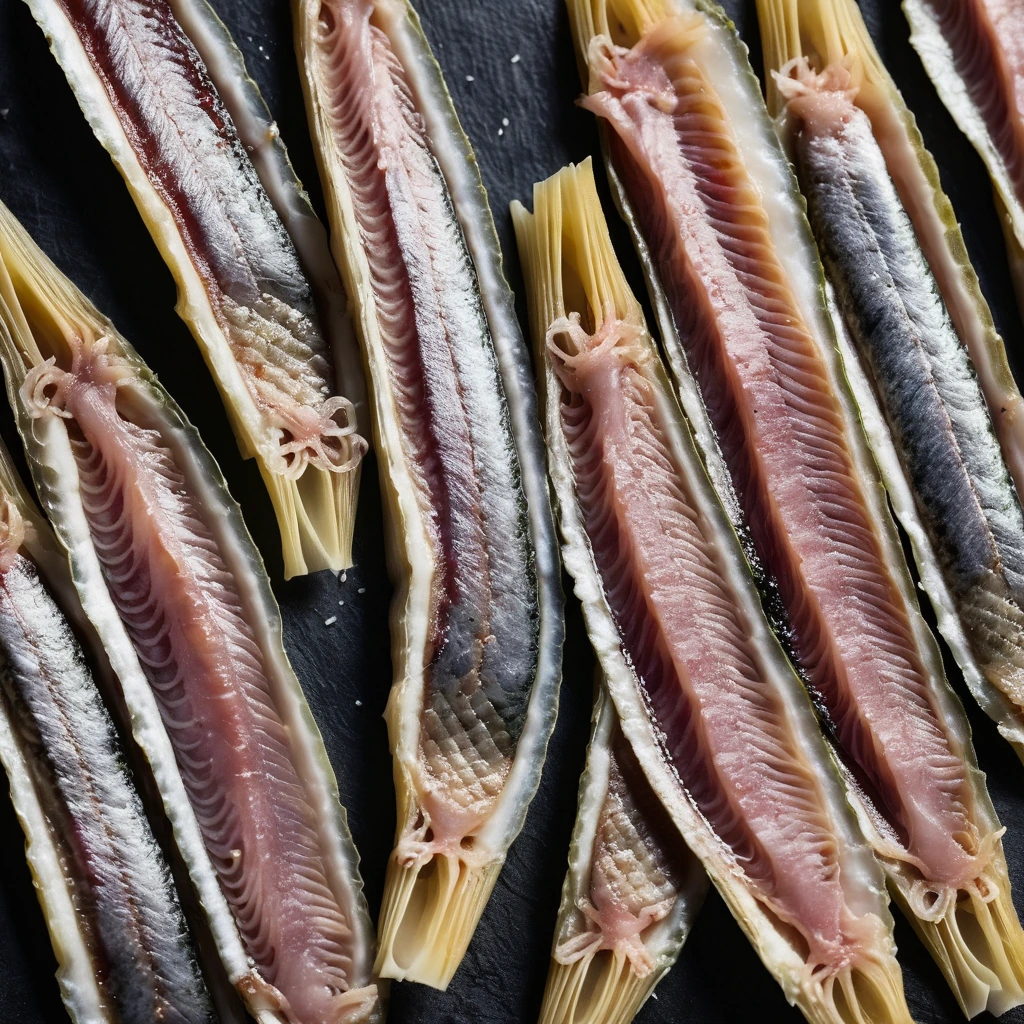
Anchovy Fillets
Silvery and succulent, anchovy fillets are a briny treasure from the sea. Their rich, umami flavor adds depth to dishes, making them a beloved ingredient in kitchens worldwide.

Anaheim Peppers
Anaheim peppers are a mild chili pepper variety named after Anaheim, California, where they were first cultivated commercially. Originating from the New Mexico region, these peppers are celebrated for their versatility and gentle heat. They possess a flavor that is mildly sweet with a subtle tang, and a pleasant vegetal note reminiscent of green bell peppers, but with a hint of spice. Their texture is firm and crisp when fresh, becoming tender and slightly smoky when roasted or cooked. In cooking, Anaheim peppers behave well across a range of techniques, from grilling and roasting to stuffing and sautéing, contributing a nuanced depth without overwhelming other ingredients with heat.
Recipes to try
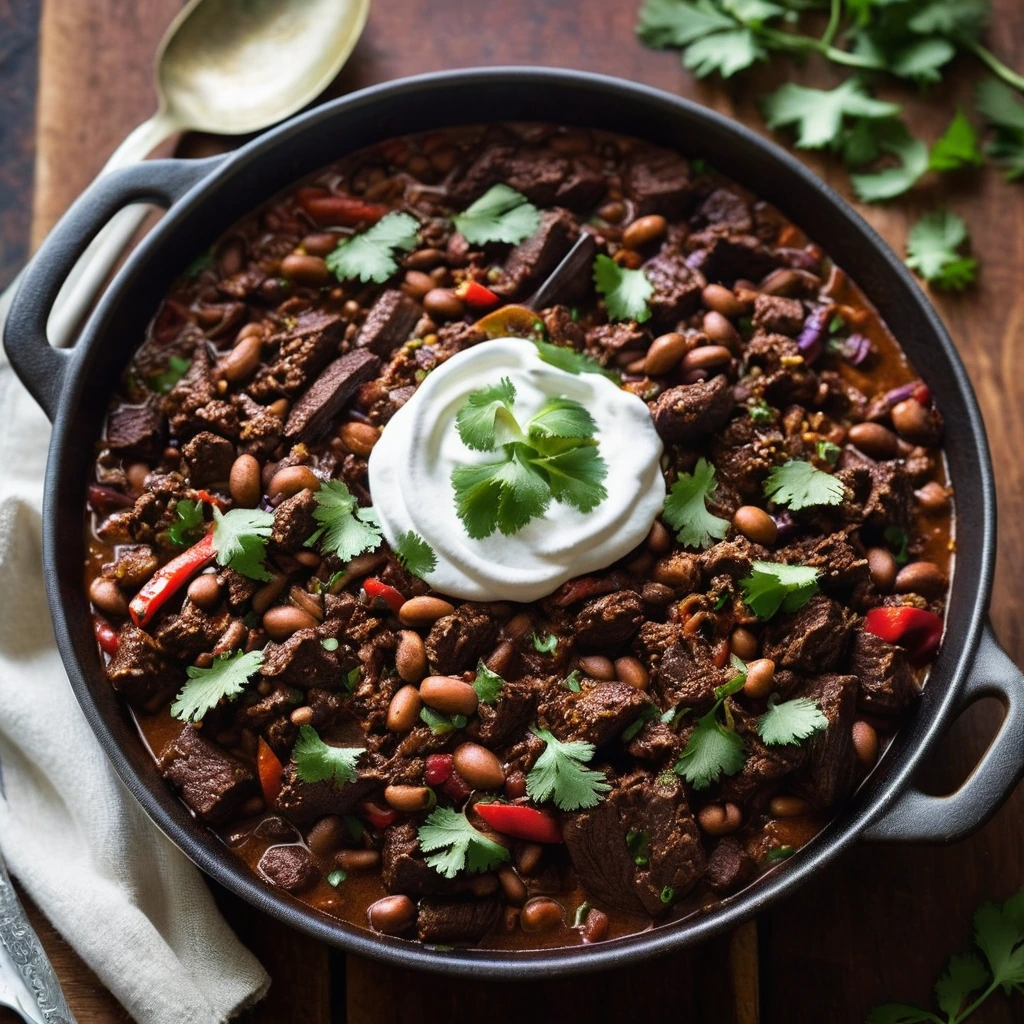
Smoky Ancho Chili Beef and Bean Skillet
Rich, smoky, and deeply satisfying, this skillet dish combines tender beef with hearty beans for a comforting meal.

Lemon Garlic Butter Scallops over Rice
Tender scallops kissed with lemon and garlicky butter, served over fluffy white rice for a luxurious yet simple dinner.