Preserving: Freezing Herbs in Oil or Water
Freezing herbs in oil or water is a simple and effective technique to preserve their freshness and flavor for months. This method is ideal for home cooks looking to extend the life of their herbs without sacrificing taste or texture. Unlike drying, which can strip herbs of their vibrant color and delicate oils, freezing locks in their essence. Whether you're dealing with a bumper crop from your garden or simply trying to use up store-bought herbs before they wilt, this technique is your ticket to year-round access to fresh herbs. The choice between oil and water depends on your intended use: oil is great for cooking directly from frozen, while water preserves herbs for dishes where they'll be added fresh. Dive into the details to discover how to make the most of your herbs.
Notes
Freezing herbs in oil or water works because the low temperature inhibits the growth of spoilage microorganisms and preserves cellular structure. Oil acts as a barrier, preventing air from reaching the herbs and causing freezer burn. However, never refreeze herbs once thawed, as this can lead to a loss of texture and taste. Avoid using water for herbs with high oil content, like basil, as they can turn black when frozen in water. Always use clean, dry herbs to prevent ice crystal formation, which can damage the delicate leaves. For storage, keep the freezer at 0°F or lower to maintain quality. These herb cubes are perfect for soups, stews, sauces, and even garnishing dishes straight from the freezer.
Steps
- 1 Select fresh, vibrant herbs free from blemishes or yellowing leaves.
- 2 Rinse the herbs gently under cold water to remove dirt and debris.
- 3 Pat the herbs dry with a clean kitchen towel or use a salad spinner.
- 4 Strip the leaves from the stems if necessary, or leave whole for herbs like rosemary.
- 5 For oil freezing, fill an ice cube tray compartment halfway with olive or another neutral oil.
- 6 Pack the herbs into the oil-filled compartments, pressing down gently to remove air.
- 7 For water freezing, fill the compartments with water and submerge the herbs, ensuring they are fully covered.
- 8 Place the ice cube tray in the freezer and freeze until solid, usually 3-4 hours.
- 9 Once frozen, pop out the herb cubes and store them in airtight freezer bags.
- 10 Label the bags with the herb type and date for easy identification.
- 11 Return the bags to the freezer, where the herb cubes will keep for up to 3 months.
- 12 For oil-infused cubes, use directly in cooking without thawing.
- 13 For water-frozen herbs, rinse briefly under cold water before use to remove ice.
- 14 Add herbs straight from the freezer to your dishes for a burst of freshness.
Ingredients to explore
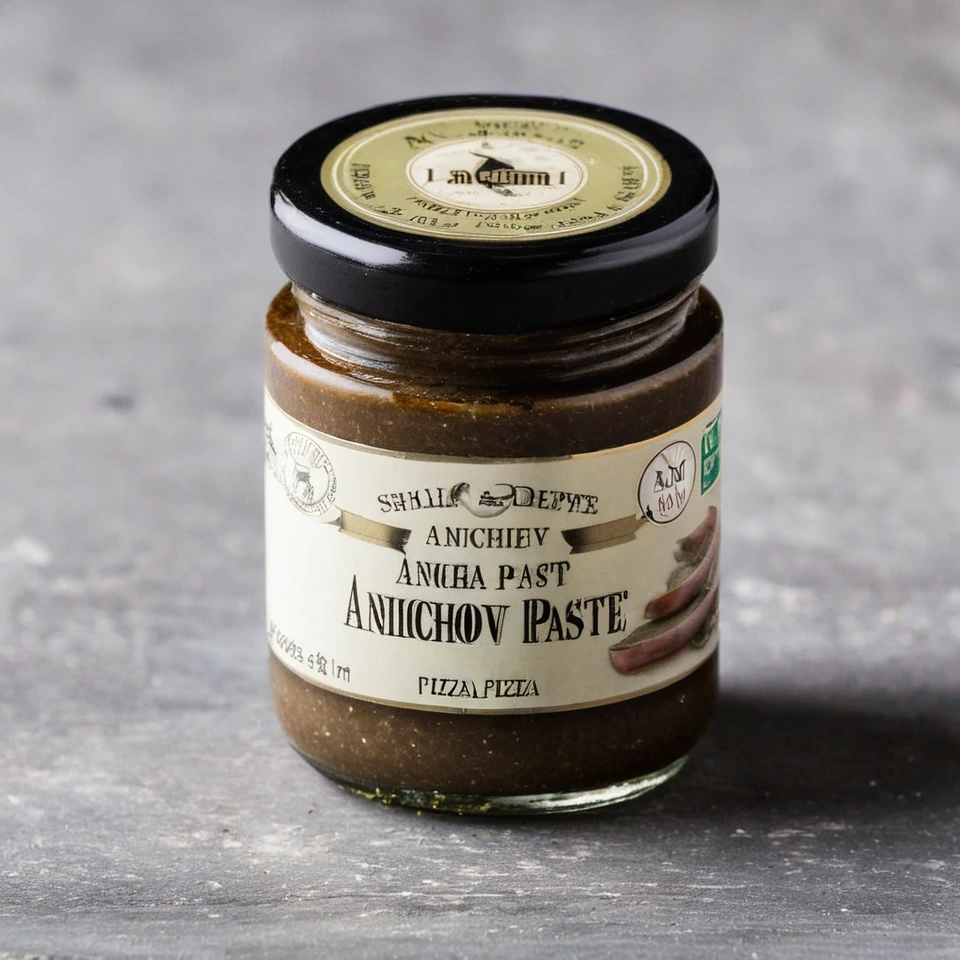
Anchovy Paste
Anchovy paste is a rich, salty spread made from finely ground anchovies, salt, and sometimes olive oil. It offers a deep umami flavor that enhances a variety of dishes.
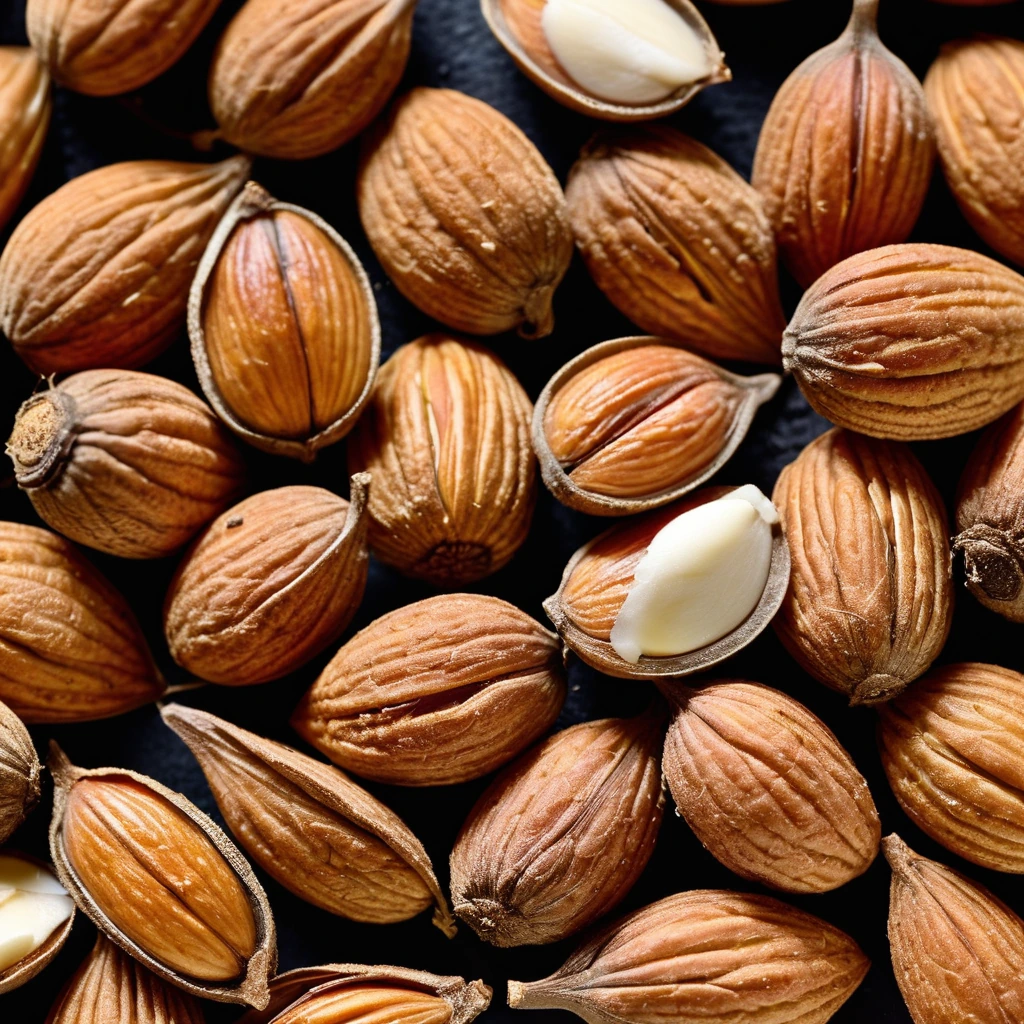
Almond Extract
A fragrant, golden elixir that captures the essence of freshly ground almonds, almond extract is a pantry staple that brings a rich, nutty aroma to your culinary creations.
Recipes to try
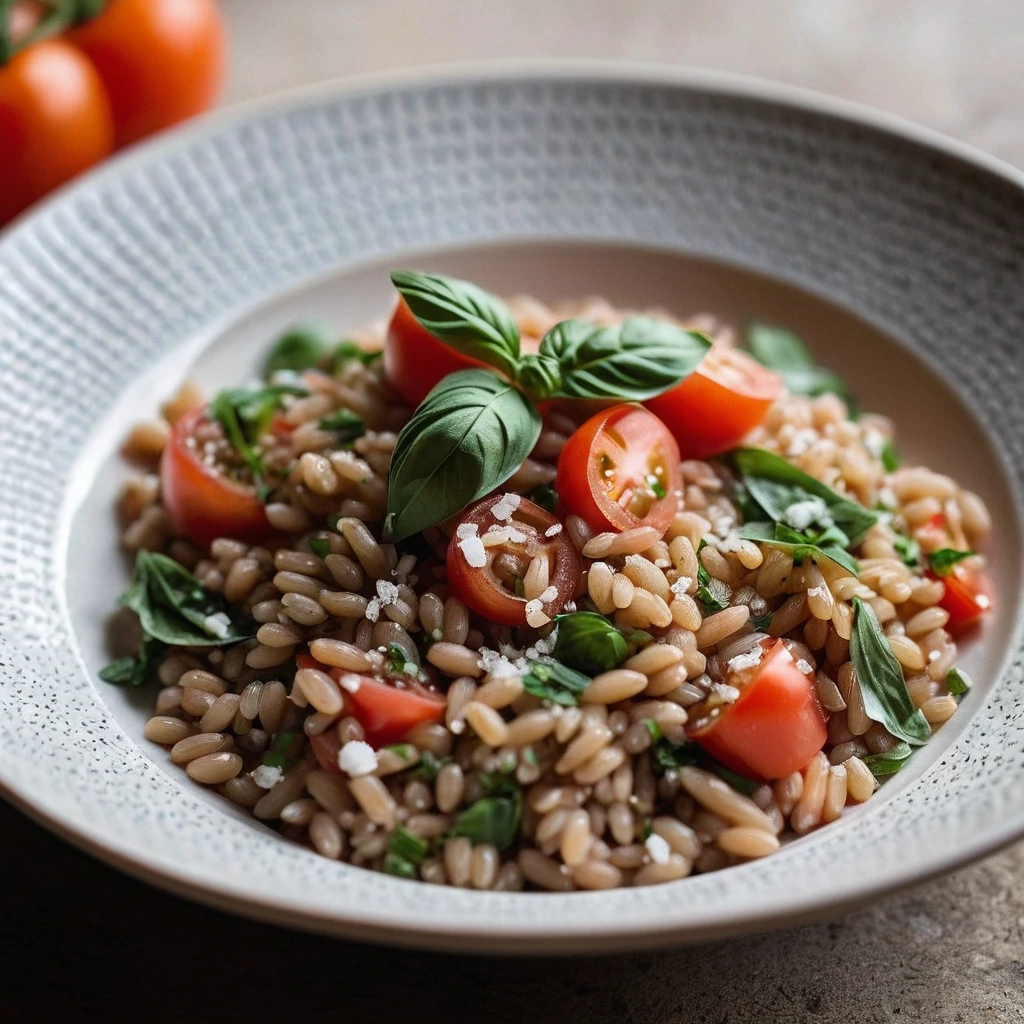
Tomato Basil Parmesan Farro Risotto
Creamy farro risotto kissed with fresh basil and sun-ripened tomatoes, topped with a generous sprinkle of Parmesan.

Teriyaki Glazed Salmon and Veggie Bowls
Sweet and savory teriyaki glaze coats succulent salmon fillets atop a vibrant medley of colorful veggies, creating a symphony of flavors in every bite.