Preserving: Dehydrating Fruits for Snacks
Dehydrating fruits is a delightful way to preserve nature's bounty into a portable, healthy snack. This age-old technique not only extends the shelf life of fruits but also intensifies their natural flavors. Whether you're working with plump summer peaches, tart apples, or juicy grapes, dehydrating is a simple process that allows you to savor the essence of each season. The key is to remove enough moisture to prevent spoilage while maintaining the fruit's texture and taste. Dehydrating can be done with specialized equipment or even your oven, making it accessible to every home cook. Proper preparation and understanding the nuances of different fruits will ensure your dehydrated snacks are consistently delicious. This method is perfect for creating trail mixes, adding to granola, or enjoying straight from the bag.
Notes
Dehydrating works by removing moisture that bacteria and mold need to thrive. Different fruits may require adjustments in drying time based on their natural sugar content and thickness. A common mistake is overcrowding the trays, which can lead to uneven drying. Always ensure proper air circulation. For safety, make sure your fruits reach a safe internal temperature to kill any potential pathogens. Dehydrated fruits can be stored in airtight containers or vacuum-sealed bags. For make-ahead convenience, properly stored dehydrated fruits maintain quality for months, perfect for gifting or enjoying later.
Steps
- 1 Select ripe but firm fruits, washing and drying them thoroughly.
- 2 Peel fruits if desired, such as apples or pears, and remove pits or seeds.
- 3 Slice fruits into uniform pieces, about 1/4-inch thick, for even drying.
- 4 Toss fruit slices in lemon juice or a light sugar syrup to preserve color and flavor.
- 5 Arrange fruit in a single layer on dehydrator trays or parchment-lined baking sheets.
- 6 Set your dehydrator to 135°F or your oven to its lowest setting, ideally between 140°F and 170°F.
- 7 Dry the fruit for 6 to 12 hours, checking occasionally for desired texture.
- 8 Fruits are done when they are leathery and no longer sticky, with no moisture inside.
- 9 Allow the fruit to cool completely before transferring to an airtight container.
- 10 Store in a cool, dark place for up to several months.
Ingredients to explore
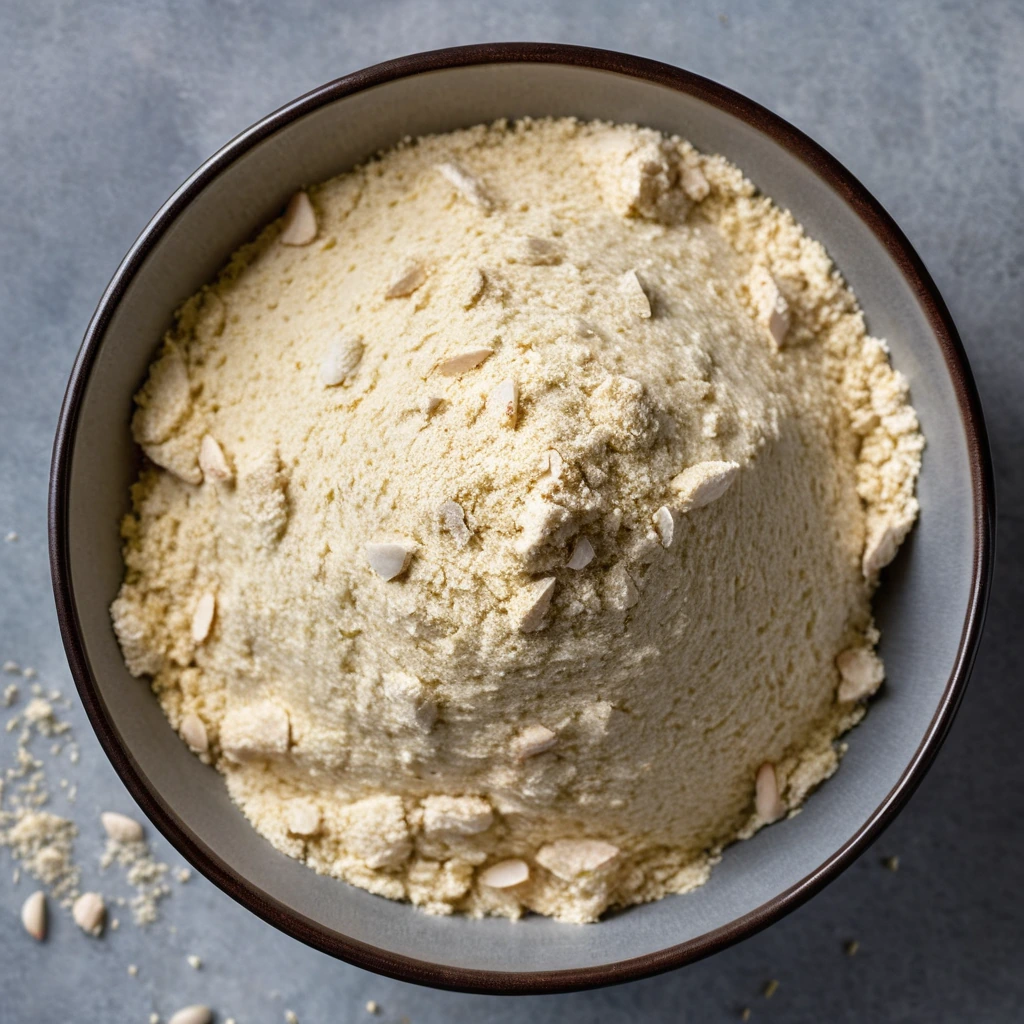
Almond Flour
A finely ground flour made from blanched almonds, offering a delicate nutty aroma and a tender crumb to your baked goods.
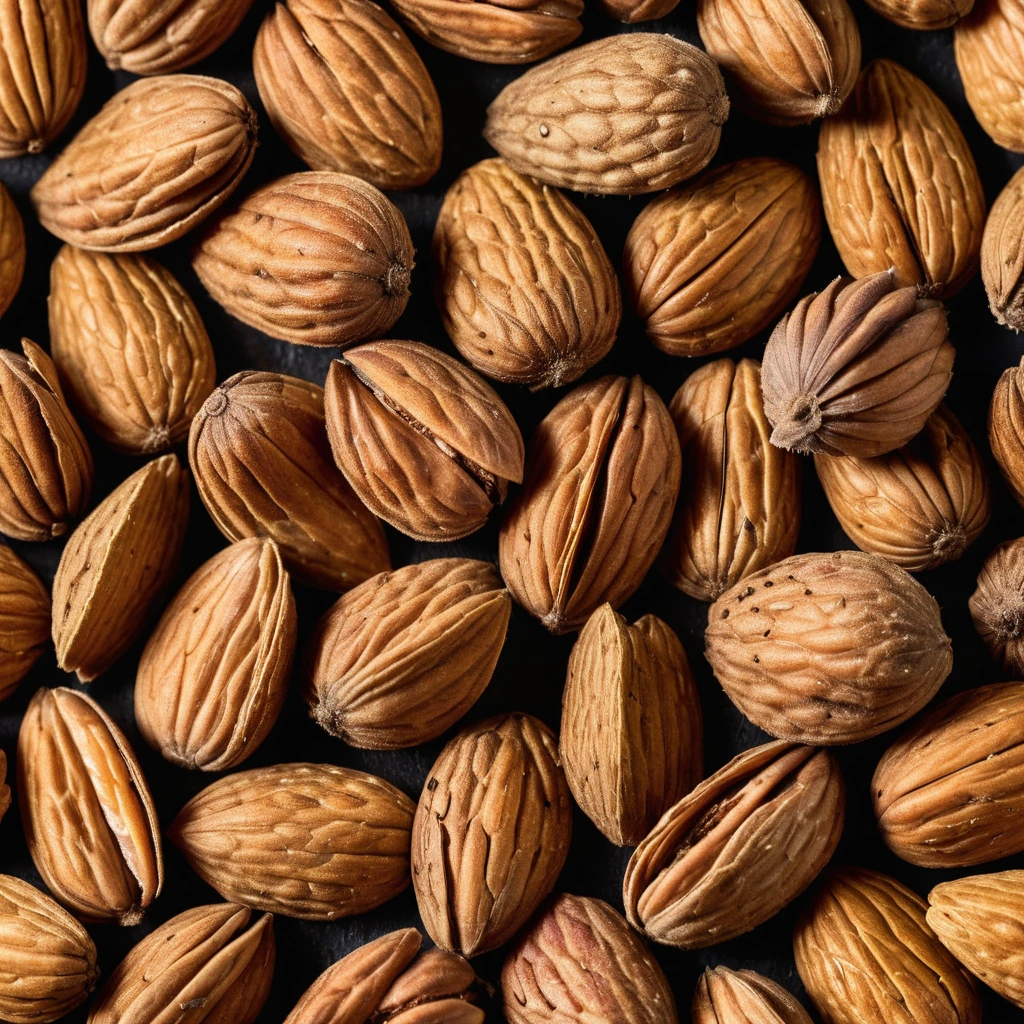
Almonds
With their golden-brown hue and delicate, edible skin, almonds are a crunchy delight. These versatile nuts boast a rich, buttery flavor that adds depth to both sweet and savory dishes.
Recipes to try
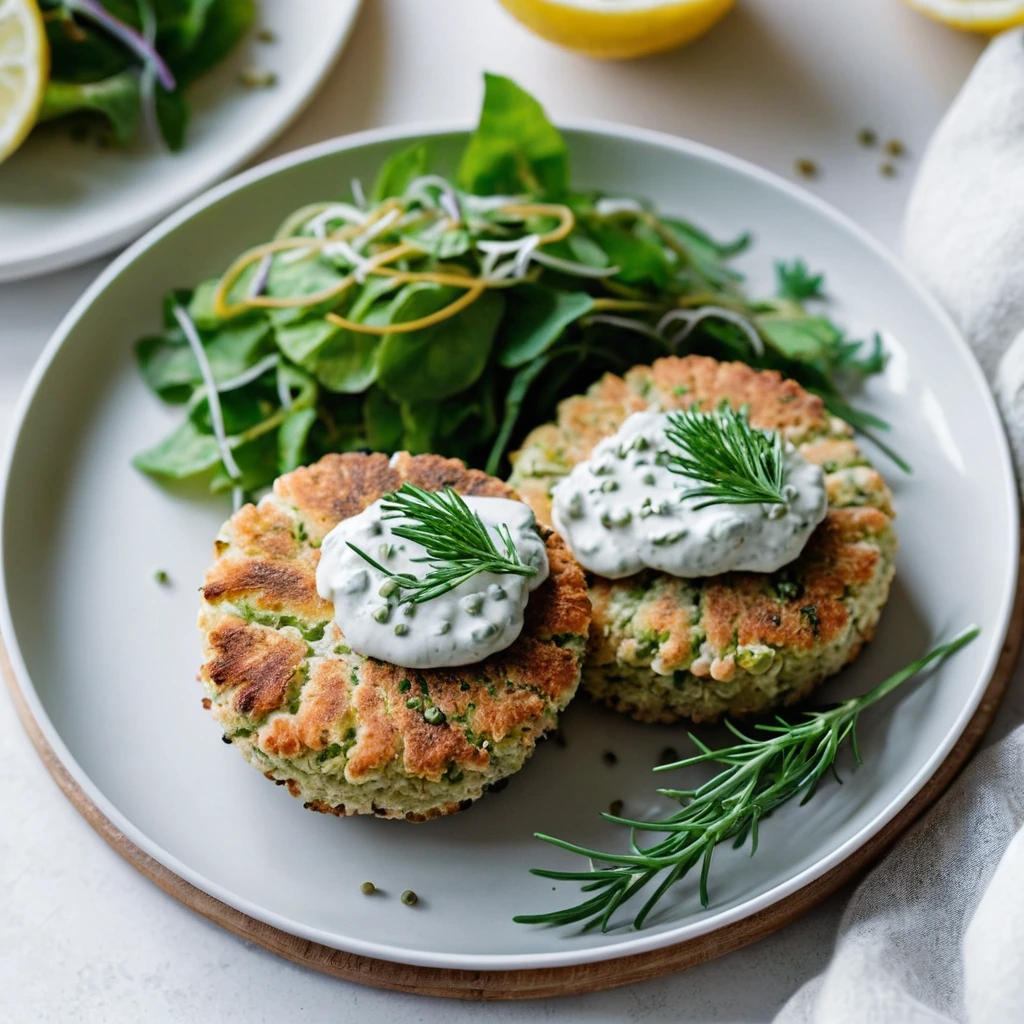
Lemon Dill Salmon Cakes with Caper Mayo
Golden, crispy salmon cakes bursting with fresh dill and zesty lemon, served with a tangy caper mayo that'll have you hooked.
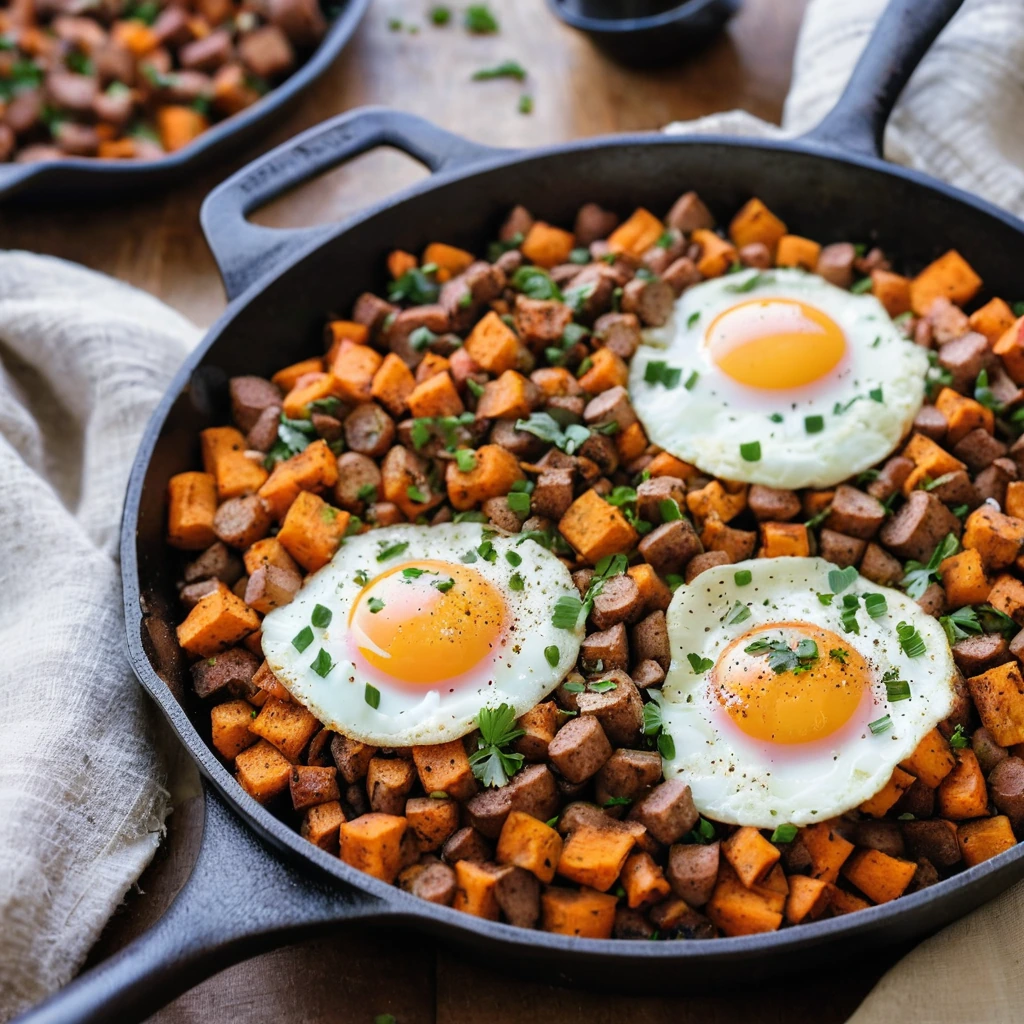
Sweet Potato, Sausage, and Egg Breakfast Hash
Rustic and hearty, this breakfast hash is a symphony of smoky sausage, tender sweet potatoes, and perfectly cooked eggs.