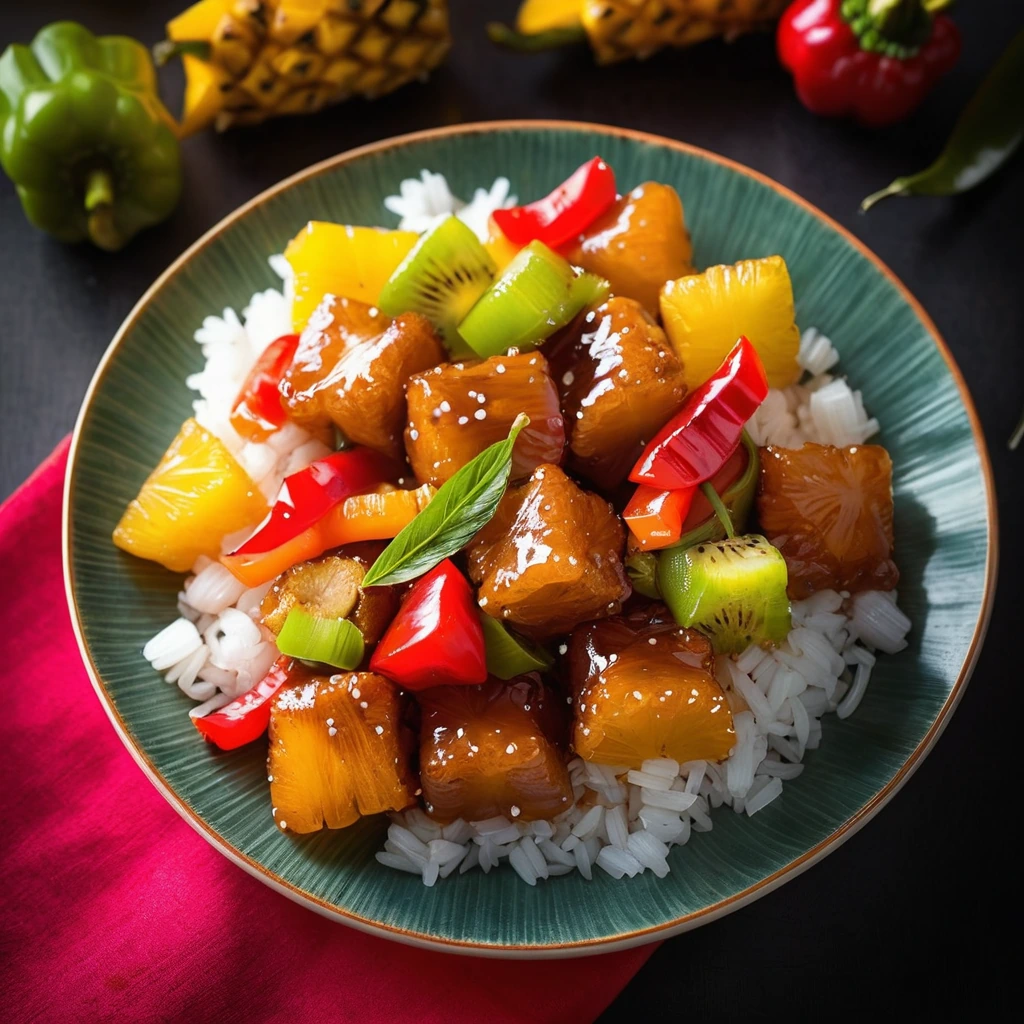
Preservation Technique: Using Citrus Juice to Slow Oxidation
Preserving the freshness and vibrant color of fruits and vegetables is an art that home cooks can master with a simple kitchen staple: citrus juice. Oxidation is a natural process that occurs when the enzymes in fresh produce react with oxygen in the air, leading to browning and nutrient loss. Citrus juice, especially lemon and lime, is rich in ascorbic acid (vitamin C), which acts as an antioxidant to slow down this enzymatic browning. This technique is ideal for delicate items like avocados, apples, and pears, which can quickly turn unappetizing shades of brown once cut open. By understanding and implementing this method, you'll not only enhance the visual appeal of your dishes but also maintain their nutritional value. The tartness of citrus juice can slightly alter the flavor profile, so it's best suited for recipes where a subtle citrus note is welcome. This guide will walk you through how to use citrus juice effectively to preserve your produce's freshness and color, ensuring your culinary creations are as vibrant as they are delicious.
Notes
The science behind this technique lies in the ability of ascorbic acid to inhibit the enzyme polyphenol oxidase, which catalyzes browning. Troubleshooting common mistakes includes ensuring you use fresh citrus juice, as store-bought lemon juice may be less effective due to processing. Additionally, avoid soaking produce for too long to prevent flavor absorption or texture changes. While this method is safe and effective, always use clean tools and containers to minimize the risk of contamination. Make-ahead tip: Prepare and treat your produce ahead of time to save prep work during cooking. Store treated items in the refrigerator and use within a day for best results.
Steps
- 1 Select fresh citrus fruits with high juice content, such as lemons or limes.
- 2 Wash the citrus fruits thoroughly to remove any dirt or residue.
- 3 Roll the fruit on a counter with the palm of your hand to release more juice.
- 4 Cut the citrus fruit in half and squeeze out the juice using a manual reamer or electric juicer.
- 5 Prepare your fruits or vegetables by washing and cutting them into desired shapes.
- 6 Immediately submerge the cut pieces in a bowl of cold water mixed with citrus juice.
- 7 Use a ratio of 1 tablespoon of citrus juice per 1 cup of water for effective browning prevention.
- 8 Ensure all pieces are fully coated by gently stirring them in the solution.
- 9 Let the produce soak for 2-5 minutes before draining and patting dry with a clean towel.
- 10 Proceed with your recipe or store the preserved produce in airtight containers.
- 11 Refrigerate the treated produce for up to 24 hours to maintain freshness.
- 12 For longer storage, consider blanching and freezing the produce after treatment.
- 13 Label your storage containers with the date to track freshness.
Ingredients to explore
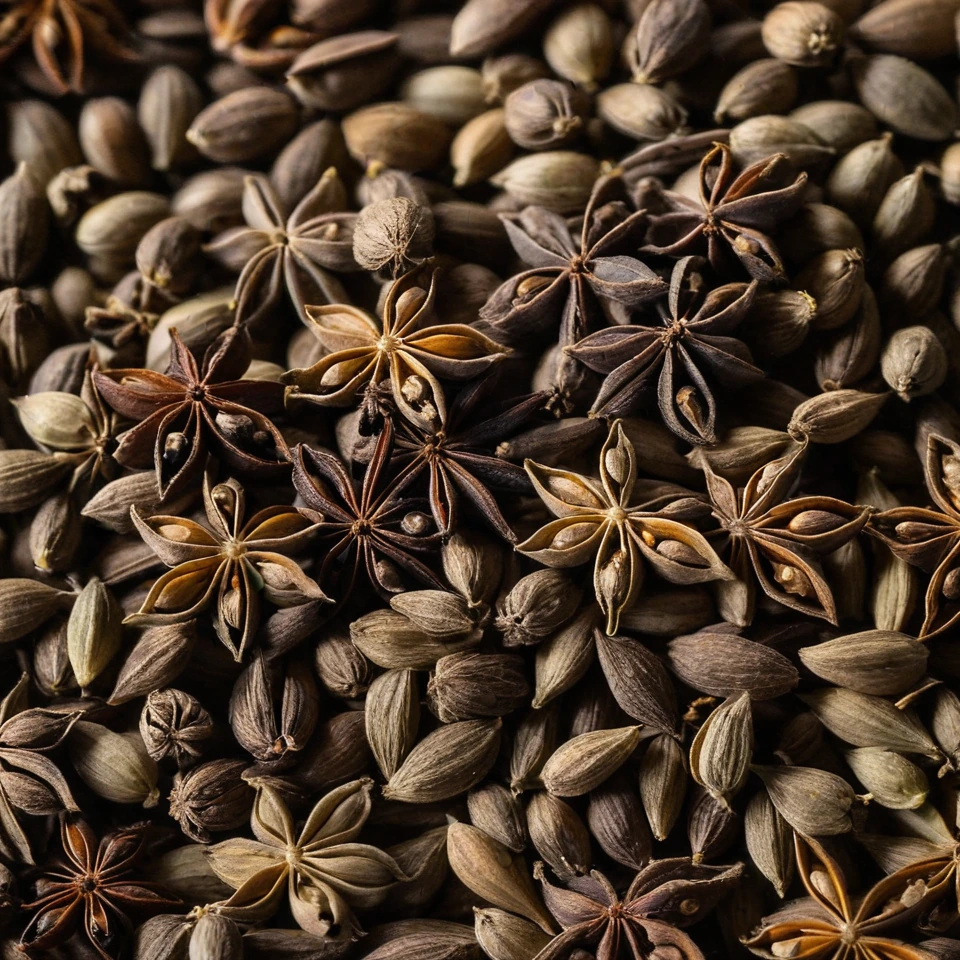
Anise Seeds
Anise seeds are small, oval seeds with a sweet, licorice-like flavor. They are commonly used in both sweet and savory dishes, offering a warm, aromatic taste.
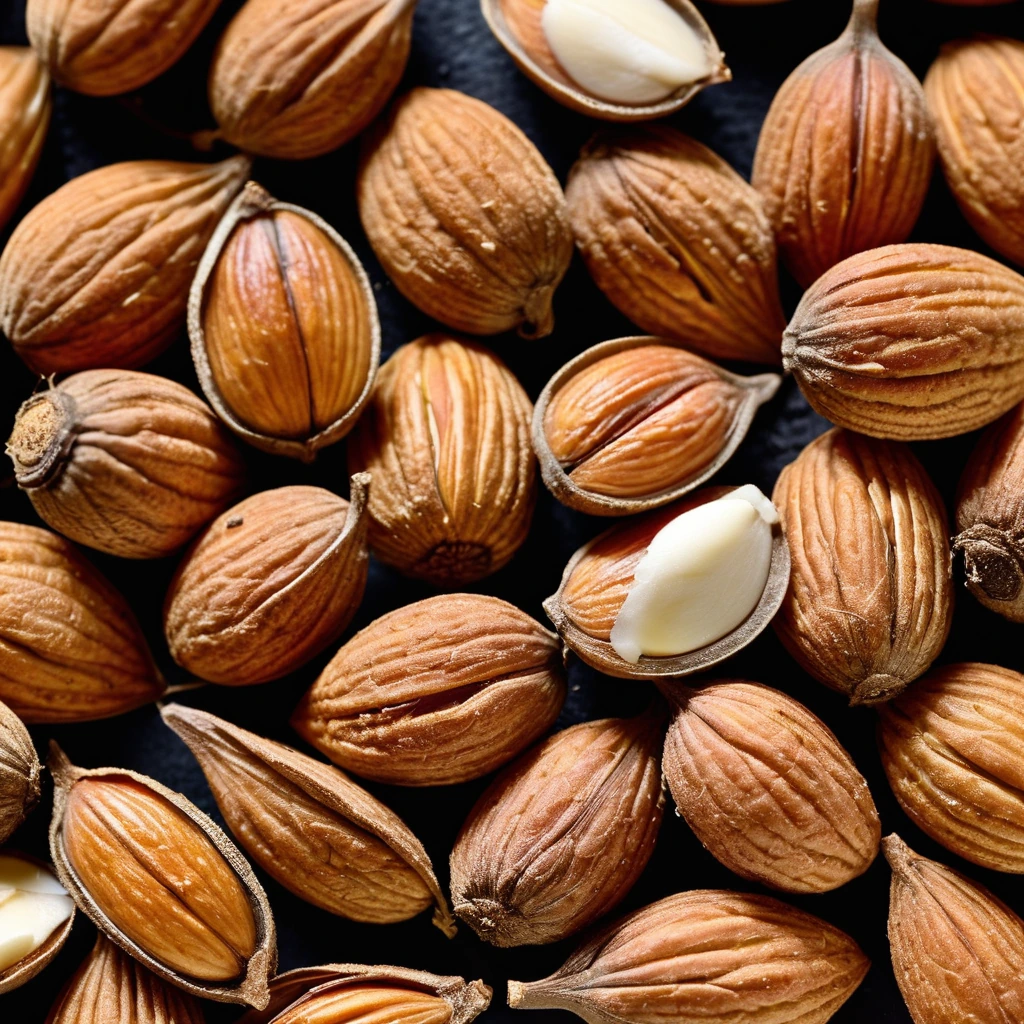
Almond Extract
A fragrant, golden elixir that captures the essence of freshly ground almonds, almond extract is a pantry staple that brings a rich, nutty aroma to your culinary creations.