Preservation Technique: Turning Citrus Peels into Candied Garnishes
Candied citrus peels are a delightful way to preserve the zest of life quite literally. This technique transforms what would typically be kitchen waste into a sweet, tangy treat that can elevate any dessert or cocktail. The process involves extracting the essential oils from the peel, simmering them in a sugar syrup to infuse sweetness, and then drying them to perfection. By following this method, you can enjoy the preserved essence of citrus long after the fruit has gone. This guide will walk you through selecting the right citrus, preparing the peels, creating the sugar syrup, and finally, drying your candied garnishes to a perfect consistency. Whether you're looking to adorn a fancy cake or add a twist to your afternoon tea, these candied peels are sure to impress. They're also a fantastic way to experiment with different citrus varieties, each offering a unique flavor profile. Let's dive into the delightful world of candied citrus peels, where every step is a celebration of flavor and preservation.
Notes
The science behind candied citrus peels lies in osmosis and sugar preservation. Blanching the peels removes bitterness by drawing out pith compounds. Simmering in sugar syrup replaces moisture with sugar, creating an environment inhospitable to spoilage microbes. Common mistakes include using waxed citrus, which can be toxic when candied, or rushing the drying process, leading to sogginess. For storage, ensure the peels are completely dry to prevent mold. Candied peels can be made ahead and stored in an airtight container for up to a month at room temperature, or longer in the refrigerator.
Steps
- 1 Select fresh, unwaxed citrus fruits and wash them thoroughly.
- 2 Use a vegetable peeler to remove the outer zest, avoiding the bitter white pith.
- 3 Cut the zest into thin strips or small cubes, depending on your preference.
- 4 Place the zest in a saucepan and cover with cold water.
- 5 Bring to a boil, then reduce heat and simmer for 10 minutes to extract bitterness.
- 6 Drain the zest and repeat the blanching process two more times.
- 7 Prepare a sugar syrup by combining equal parts water and granulated sugar (e.g., 1 cup each) in a saucepan.
- 8 Heat the syrup over medium heat until the sugar dissolves completely.
- 9 Add the blanched zest to the sugar syrup and simmer gently for 45 minutes to 1 hour, until translucent.
- 10 Drain the zest and let it cool slightly.
- 11 Toss the zest in granulated sugar to coat evenly.
- 12 Spread the sugared zest on a parchment-lined baking sheet.
- 13 Allow the zest to dry at room temperature for 24 hours, or use a low oven setting (200°F) to speed up the process, checking frequently.
- 14 Store the dried candied peels in an airtight container.
Ingredients to explore
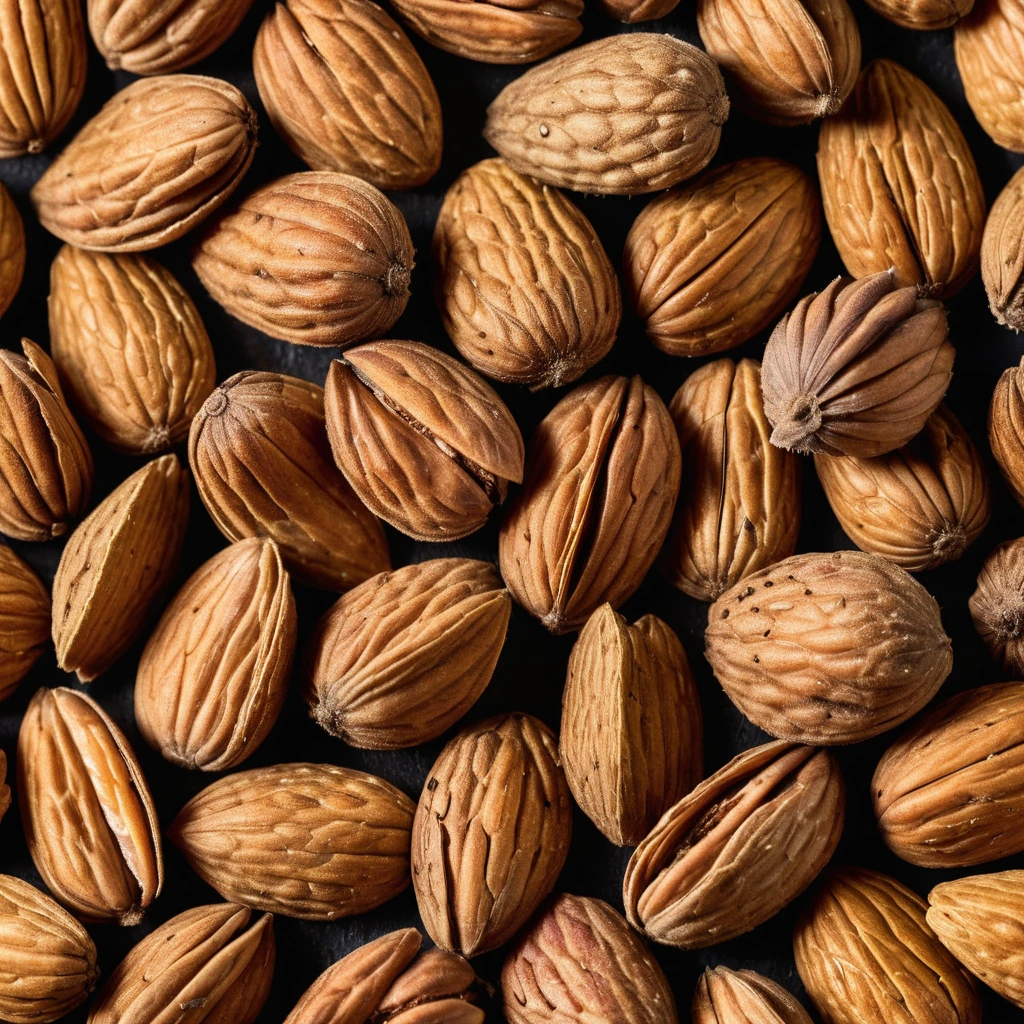
Almonds
With their golden-brown hue and delicate, edible skin, almonds are a crunchy delight. These versatile nuts boast a rich, buttery flavor that adds depth to both sweet and savory dishes.
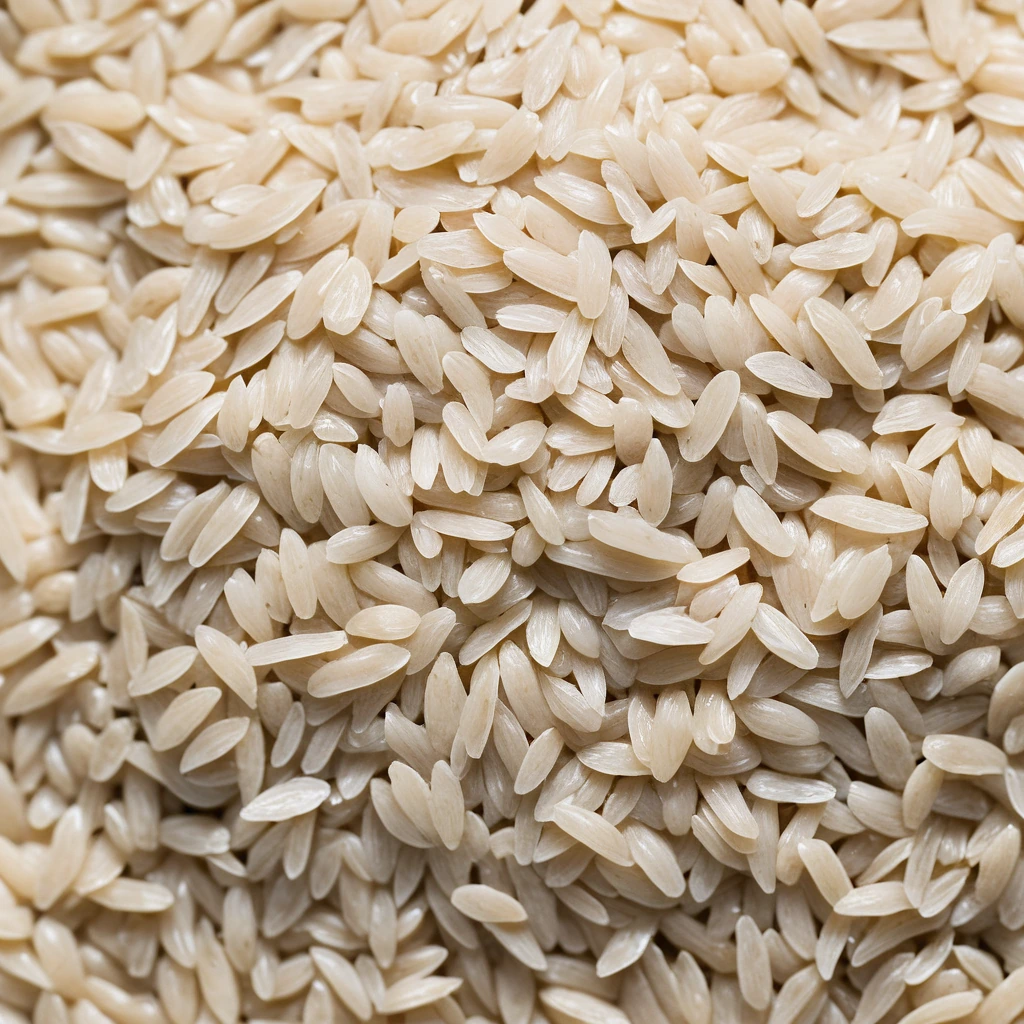
Arborio Rice
Arborio rice is a short-grain Italian rice variety renowned for its use in risotto. Originating from the Po Valley in Northern Italy, it is a staple in Italian cuisine. Its flavor is mild and nutty, with a pleasant creamy texture when cooked due to its high amylopectin content, which releases starch and creates a velvety consistency. The grains remain plump and firm to the bite, offering a satisfying chewiness. In cooking, Arborio rice excels at absorbing flavors from broths and seasonings while maintaining its shape, making it ideal for dishes that require both creaminess and structure.
Recipes to try
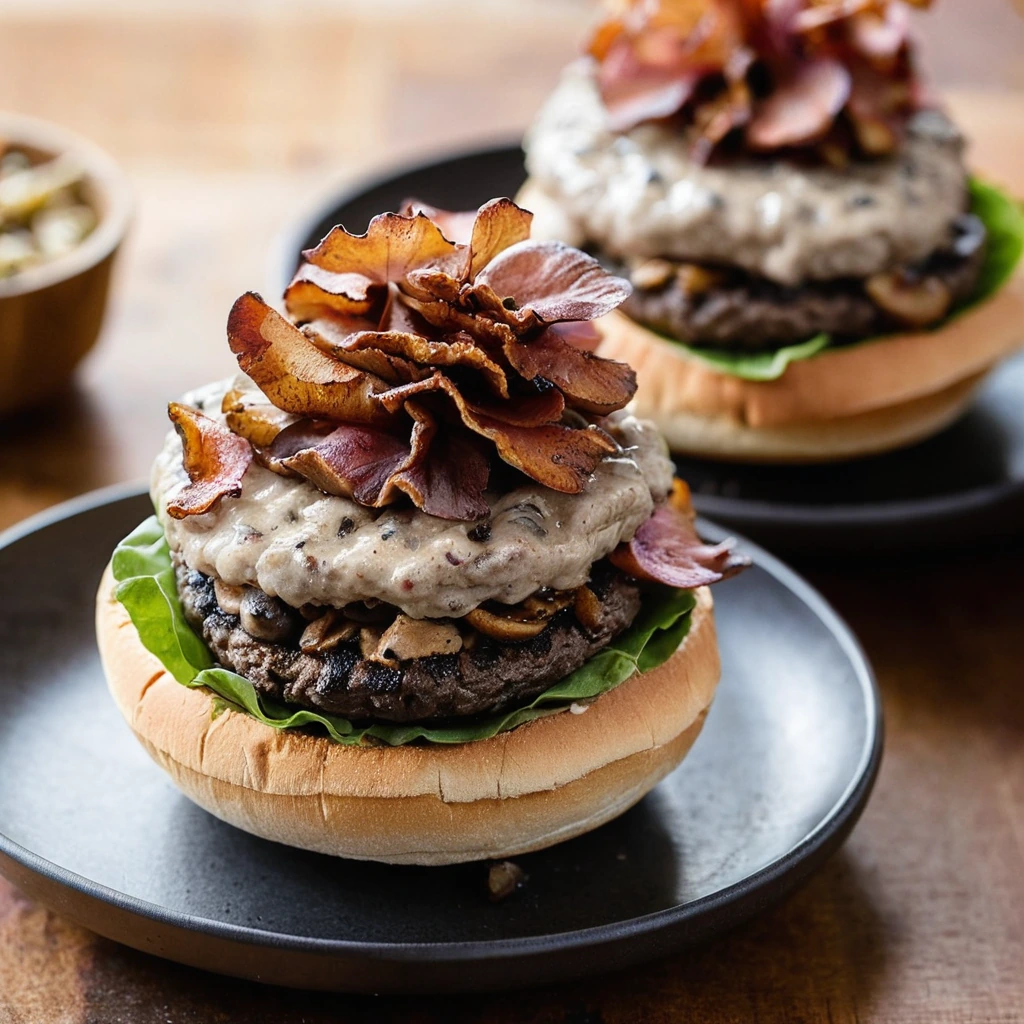
Maple Bacon Mushroom Burger Bowls
Sweet, smoky, and savory come together in these hearty bowls, where juicy burger patties meet crispy bacon and earthy mushrooms.
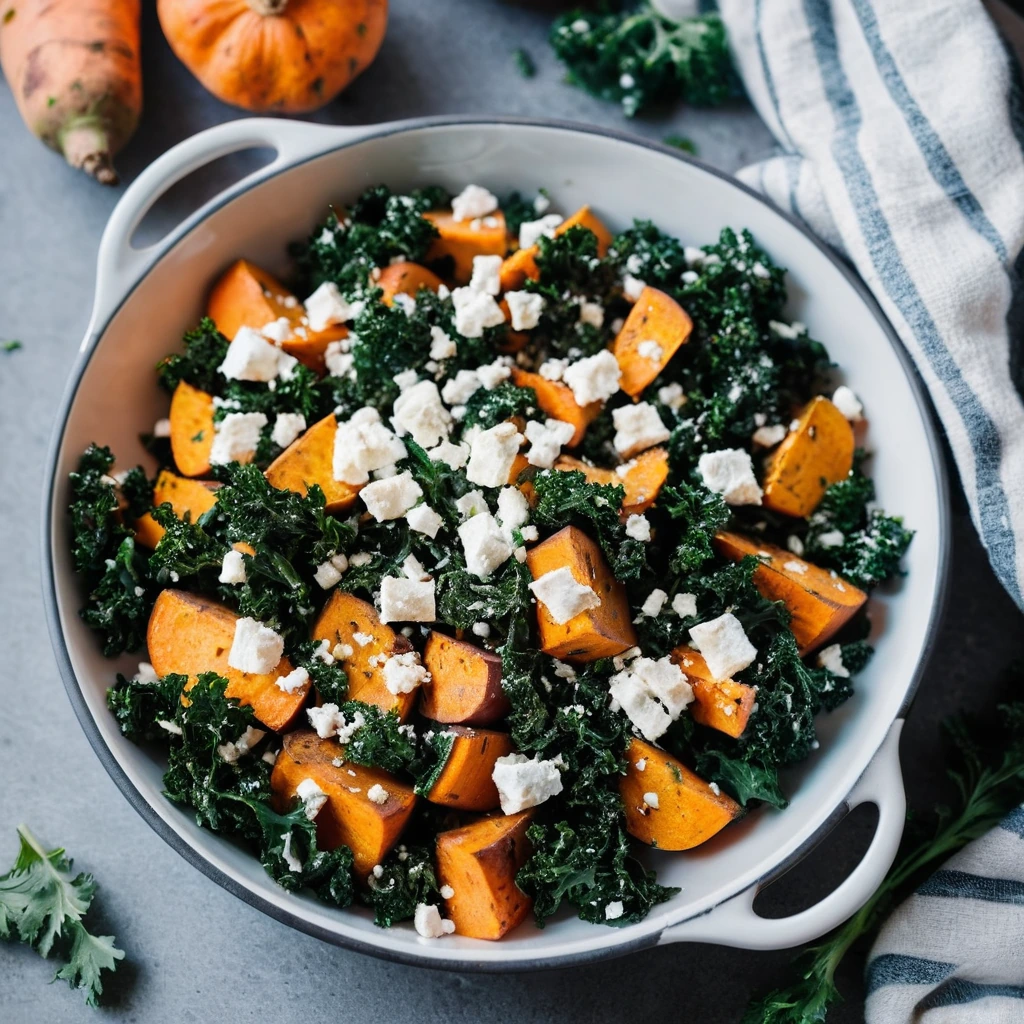
Sweet Potato and Kale Skillet with Feta
Golden roasted sweet potatoes and tender kale come together in a skillet, kissed by tangy feta and a whisper of garlic.