Preservation Technique: Simple Refrigerator Pickles for Crunch
Refrigerator pickles are a delightful way to preserve the crunch of your favorite vegetables without the need for canning. This technique is perfect for home cooks looking to enjoy tangy, crisp pickles in just a few days. Unlike traditional canning methods, refrigerator pickles are quick to prepare and require minimal equipment. The key to successful refrigerator pickles lies in maintaining the right balance of brine ingredients and ensuring vegetables are properly prepped to retain their crunch. The acidic environment created by vinegar is crucial for preservation, while salt and sugar enhance flavor and texture. This method is ideal for small batches, allowing you to experiment with different spices and vegetables to suit your palate. From cucumbers to carrots, almost any firm vegetable can be pickled this way. With the right technique, you can enjoy the zesty taste and satisfying crunch of pickles throughout the year, making it a versatile and rewarding culinary skill.
Notes
The science behind refrigerator pickles is simple yet fascinating. The acetic acid in vinegar creates an environment hostile to spoilage bacteria, effectively preserving the vegetables. The key to maintaining crunch is ensuring the vegetables are fresh and not overcooked during preparation. Over time, vegetables can soften, so it's best to consume pickles within two weeks. Common mistakes include not using enough salt or sugar, which can result in a bland flavor, or failing to submerge vegetables fully in brine, leading to spoilage. Safety is paramount, so always use clean jars and utensils, and store pickles in the refrigerator immediately after cooling. For make-ahead convenience, you can prepare the brine and chop vegetables ahead of time, assembling the pickles just before refrigerating.
Steps
- 1 Select firm, fresh vegetables like cucumbers, carrots, or green beans.
- 2 Wash vegetables thoroughly and trim off any ends.
- 3 Slice or cut vegetables into uniform shapes to ensure even pickling.
- 4 Pack vegetables tightly into a clean glass jar, leaving about 1/2 inch headspace.
- 5 In a saucepan, combine 1 cup white vinegar, 1 cup water, 1 tablespoon salt, and 1 tablespoon sugar.
- 6 Bring the mixture to a boil, stirring until salt and sugar dissolve completely.
- 7 Add desired spices such as mustard seeds, coriander, or dill to the hot brine.
- 8 Pour the hot brine over the vegetables in the jar, ensuring they are fully submerged.
- 9 Let the jar cool to room temperature before sealing it with a tight-fitting lid.
- 10 Refrigerate the jar for at least 24 hours before tasting, allowing flavors to meld.
- 11 Store pickles in the refrigerator for up to 2 weeks.
- 12 Check daily to ensure vegetables remain submerged and brine hasn't leaked.
- 13 Serve pickles chilled, straight from the fridge for the best crunch and flavor.
Ingredients to explore
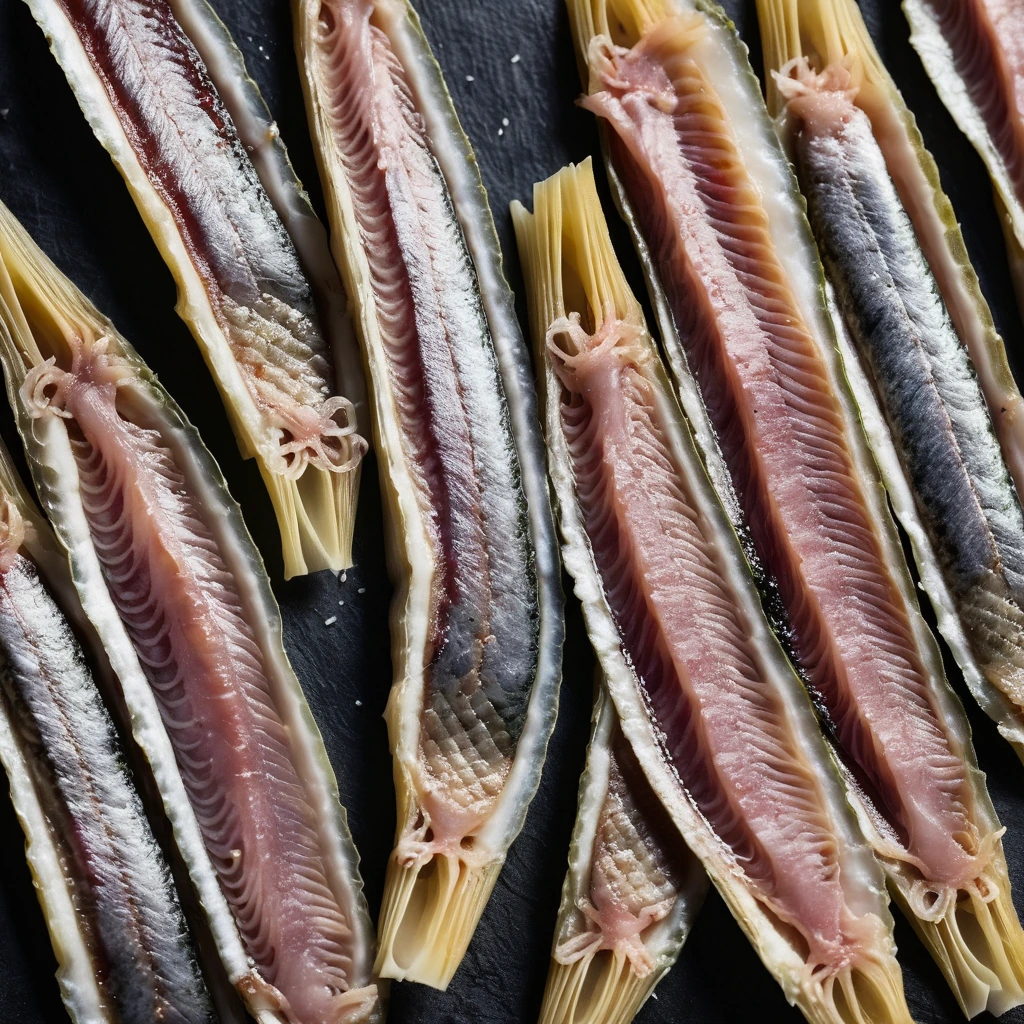
Anchovy Fillets
Silvery and succulent, anchovy fillets are a briny treasure from the sea. Their rich, umami flavor adds depth to dishes, making them a beloved ingredient in kitchens worldwide.
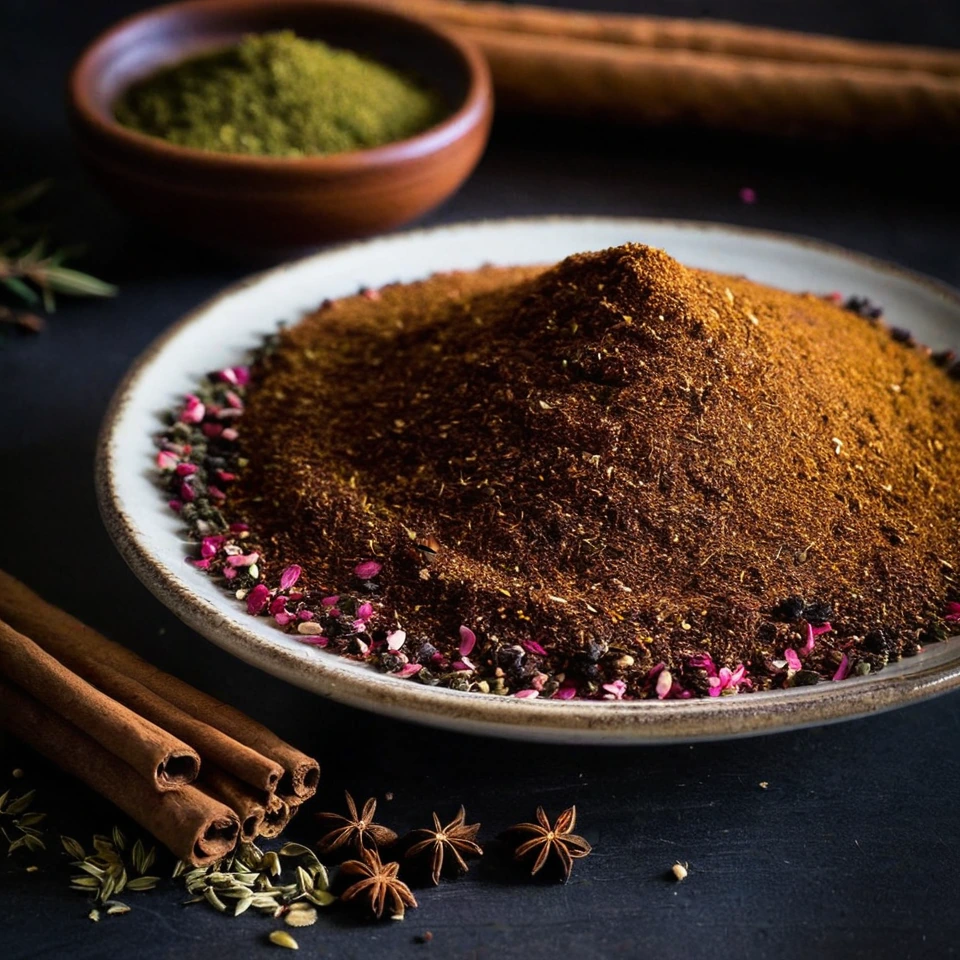
Advieh (Persian Spice Blend)
Advieh is a fragrant Persian spice blend that boasts a complex aroma of warm cinnamon, earthy cumin, and floral hints of rose and saffron. Its texture is finely ground, making it easy to incorporate into dishes. Originating from the rich culinary traditions of Iran, advieh adds depth and sophistication to both savory and sweet recipes. Its unique combination of spices reflects the historical spice trade routes that influenced Persian cuisine.
Recipes to try
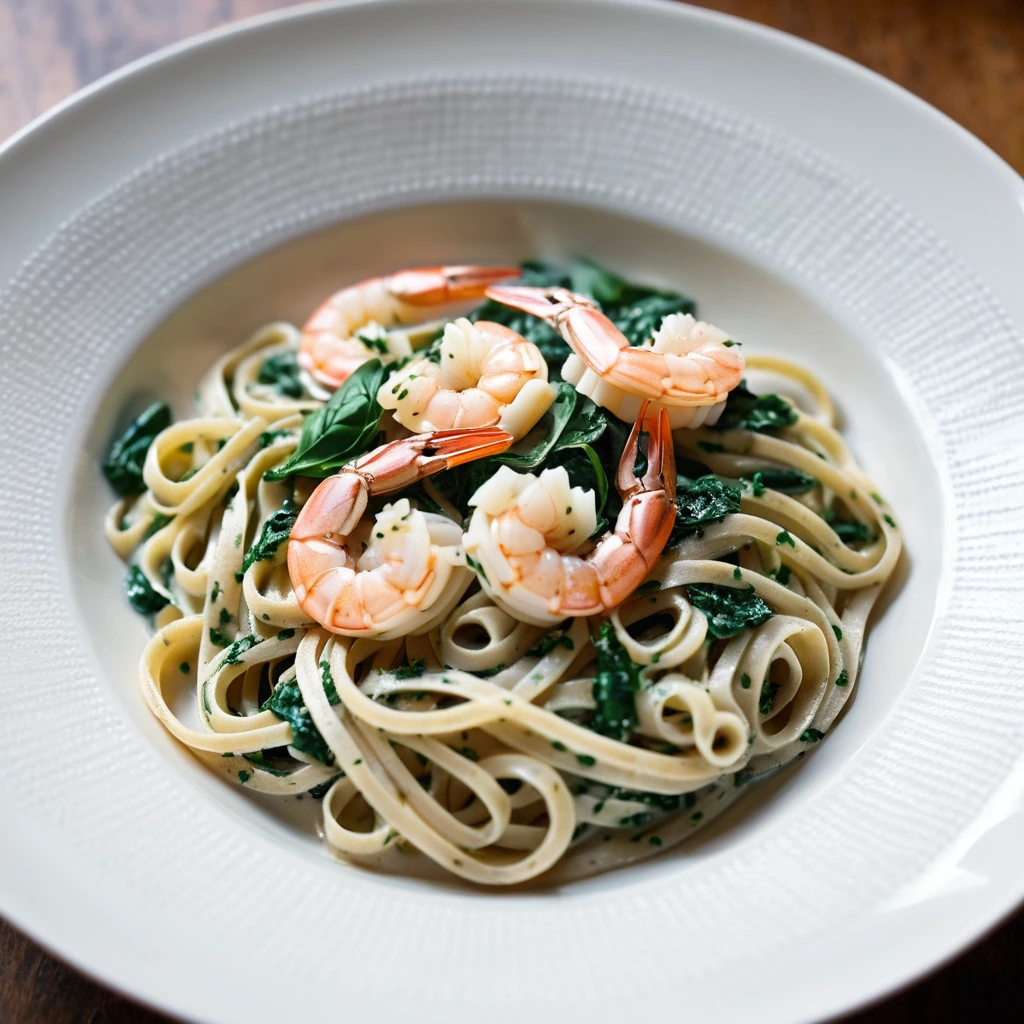
Shrimp and Spinach Linguine in White Wine Sauce
Succulent shrimp and fresh spinach mingle in a creamy white wine sauce, twirled into perfectly al dente linguine.
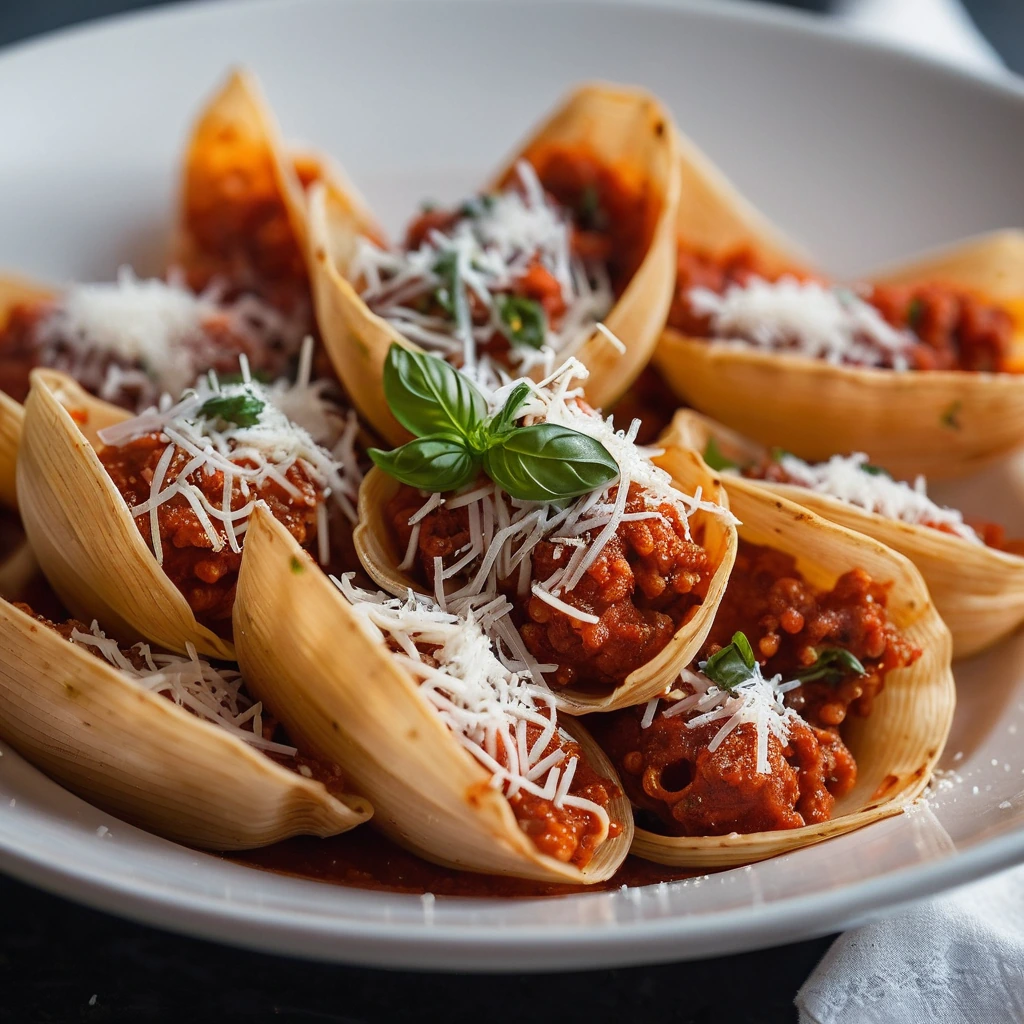
Spicy Arrabbiata Shells with Parmesan
Fiery and fresh, these pasta shells are smothered in a spicy tomato sauce and crowned with nutty Parmesan.