Preservation Technique: Salting and Draining Vegetables Before Frying
Salting and draining vegetables before frying is a classic technique that enhances both flavor and texture. By drawing out excess moisture, salting allows vegetables to crisp up beautifully in the fryer, creating a delightful contrast between the outside and the tender interior. This technique is particularly useful for vegetables like eggplant, zucchini, and okra, which are notorious for releasing a lot of water during cooking. Properly salted and drained vegetables fry up with a golden-brown crust and avoid becoming greasy or limp. The process is straightforward but requires patience to yield the best results. Understanding why salting works helps ensure you get the texture and taste you desire. As salt draws moisture from the vegetables through osmosis, it also helps break down cell walls, enhancing flavor. Draining allows the vegetables to dry out, ensuring they sizzle rather than steam when introduced to hot oil. This guide will walk you through the technique step-by-step, offering tips to avoid common pitfalls and ensure your fried vegetables are crispy and delicious every time.
Notes
The science behind salting lies in osmosis, where salt draws out moisture from the vegetables, allowing them to crisp up when fried. A common mistake is not letting the vegetables rest long enough; patience is key to achieving the desired texture. Another pitfall is insufficiently drying the vegetables after rinsing, which can lead to oil splatter and uneven frying. For safety, always monitor hot oil closely to prevent overheating and potential fires. To make ahead, fry the vegetables and store them in an airtight container at room temperature for up to 2 hours, or refrigerate for up to 24 hours, reheating in a low oven before serving.
Steps
- 1 Slice vegetables into uniform pieces for even cooking.
- 2 Generously sprinkle coarse salt over the vegetables.
- 3 Toss vegetables to ensure even salt coverage.
- 4 Place salted vegetables in a colander set over a bowl.
- 5 Allow vegetables to rest for 30 to 60 minutes at room temperature.
- 6 Rinse vegetables under cold water to remove excess salt.
- 7 Pat vegetables completely dry with clean kitchen towels.
- 8 Let vegetables air dry for an additional 15 minutes.
- 9 Heat oil in a fryer or heavy skillet to 350°F.
- 10 Carefully add vegetables to hot oil in small batches.
- 11 Fry until vegetables are golden brown, usually 2-4 minutes per batch.
- 12 Remove fried vegetables with a slotted spoon and place on a wire rack.
- 13 Season immediately with additional salt if desired.
Ingredients to explore

American Cheese Slices
Those iconic, perfectly pliable slices of creamy, mild American cheese. Each slice boasts a smooth, melt-in-your-mouth texture that brings comfort to any dish.
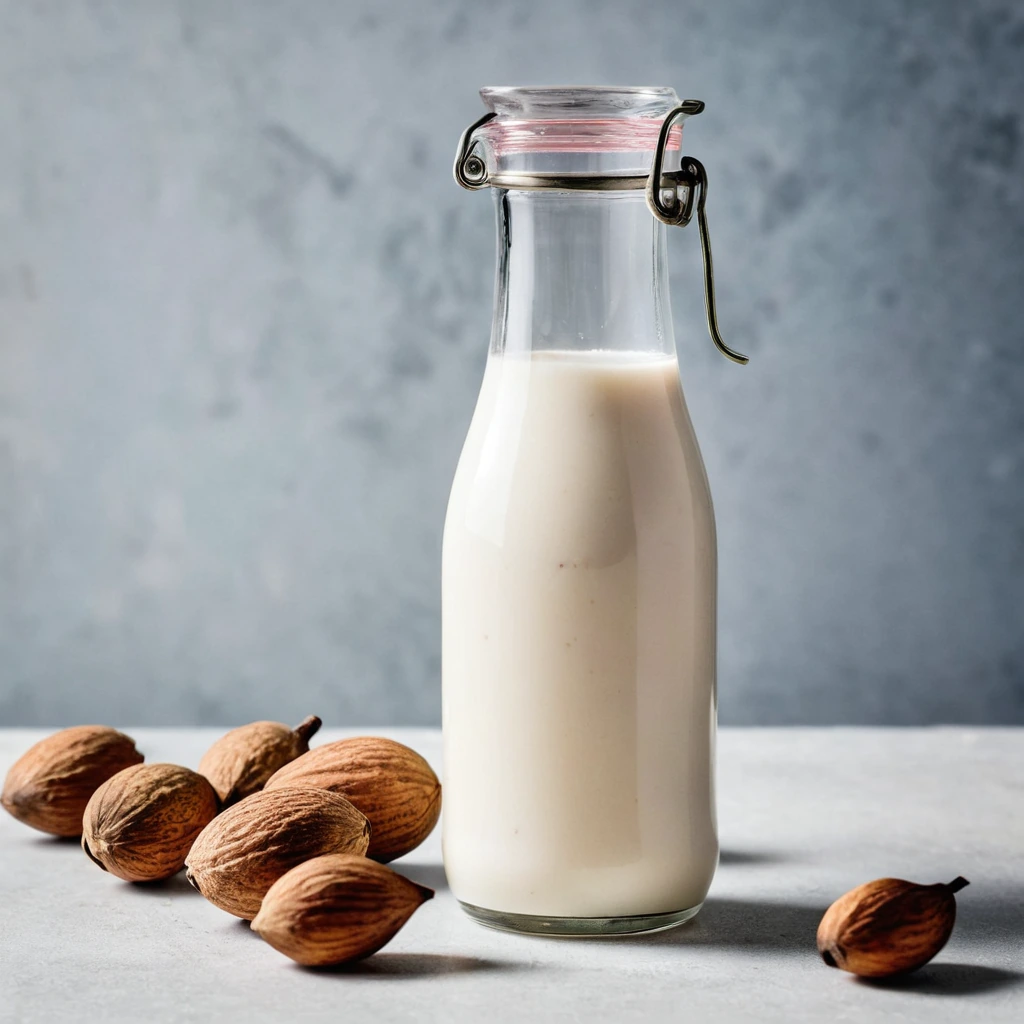
Almond Milk
Almond milk is a plant-based milk alternative made from ground almonds and water. Originating from traditional recipes in medieval Europe and the Middle East, it has gained widespread popularity in modern times as a dairy-free option. Almond milk has a subtly nutty flavor with a mild sweetness, and its aroma is reminiscent of fresh almonds. Its texture is smooth and creamy, though typically lighter than dairy milk. In cooking, almond milk behaves well in both savory and sweet applications, though it does not brown or caramelize like dairy milk. It is often used in cereals, smoothies, and baking, where its delicate flavor complements rather than overpowers other ingredients.
Recipes to try
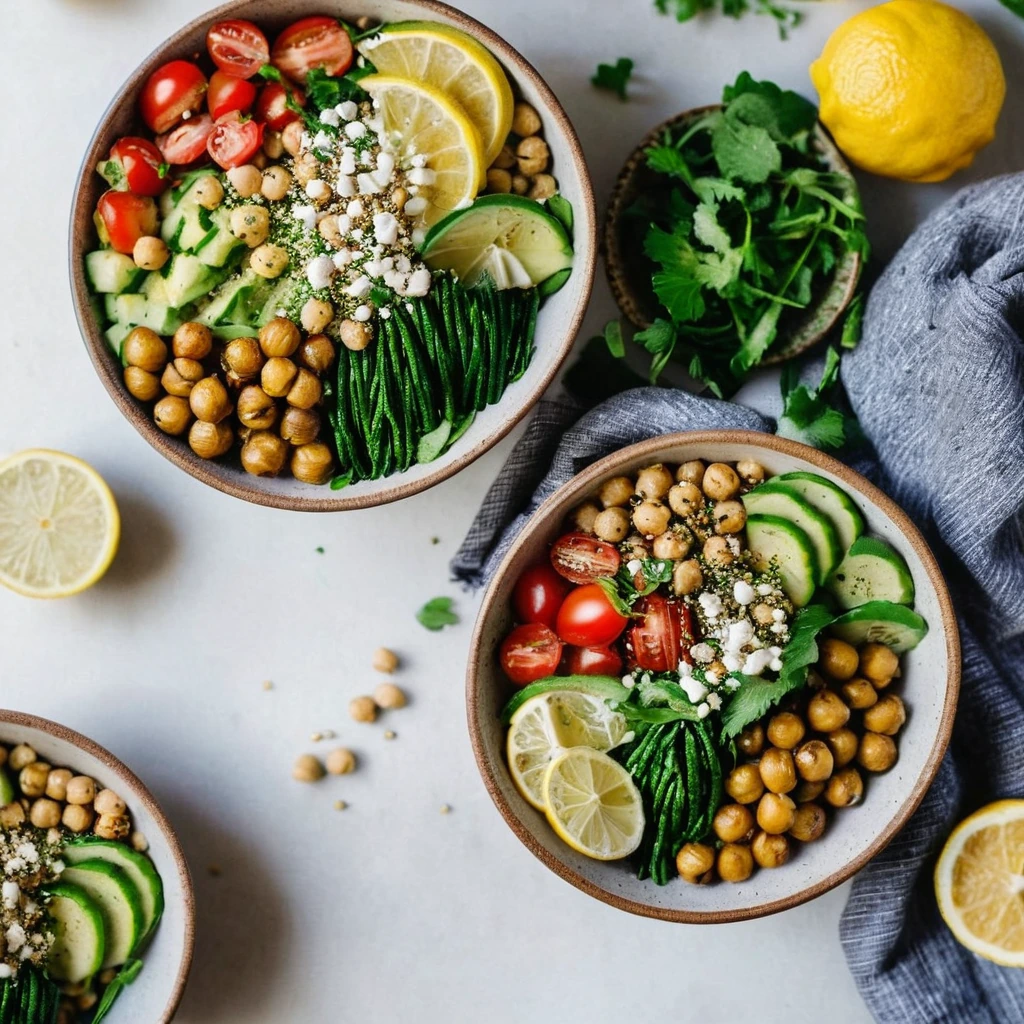
Mediterranean Chickpea Bowls with Lemon Tahini
A vibrant medley of textures and flavors, these bowls are packed with lemony tahini drizzle and fresh Mediterranean herbs.

Shrimp Tacos with Cilantro Lime Slaw
Juicy grilled shrimp nestled in warm tortillas, topped with a vibrant cilantro lime slaw that's as refreshing as a sea breeze.