Preservation Technique: Safe Cooling and Reheating of Cooked Foods
Safe cooling and reheating of cooked foods is an essential skill in any home kitchen, ensuring both the longevity and safety of your culinary creations. This technique is crucial for preventing bacterial growth, which can occur rapidly between 40°F and 140°F, commonly referred to as the 'danger zone.' Proper cooling methods slow this growth, while correct reheating procedures ensure that any lingering bacteria are eliminated. Firstly, understanding the importance of rapid cooling is vital; it minimizes the time food spends in the danger zone. Utilizing shallow containers allows for quicker heat dissipation, while stirring occasionally can also aid in the process. Secondly, refrigeration is key; ensure your fridge is set at or below 40°F to maintain food safety. When reheating, using a food thermometer is non-negotiable to confirm that foods reach an internal temperature of 165°F, effectively killing pathogens. This technique is especially important for dishes containing meat, dairy, or eggs, which are particularly susceptible to spoilage. Additionally, portioning food into smaller containers before refrigeration can significantly reduce cooling times. It’s also important to cover foods to prevent cross-contamination and drying out. Finally, understanding the nuances of reheating, such as adding a splash of liquid to prevent dryness, can elevate leftovers from mundane to marvelous. Mastering these steps will not only preserve your meals but also maintain their quality and safety for enjoyment later.
Notes
The science behind safe cooling lies in reducing the time food spends in the temperature danger zone where bacteria thrive. Rapid cooling and proper refrigeration disrupt bacterial growth cycles. A common mistake is allowing food to cool at room temperature for extended periods, which can be hazardous. Always use a food thermometer to avoid guesswork when reheating. Safety is paramount; ensure your refrigerator and freezer are functioning correctly. For make-ahead meals, cooling quickly and storing properly can preserve quality for future enjoyment. Leftovers can be frozen for up to 3 months, though quality may diminish over time. When reheating from frozen, consider thawing in the refrigerator overnight for even heating.
Steps
- 1 Divide cooked food into shallow containers, no more than 2 inches deep.
- 2 Cover containers loosely with lids or foil to allow steam to escape.
- 3 Refrigerate within 2 hours of cooking, ensuring food cools quickly.
- 4 Check that your refrigerator is set at 40°F or below.
- 5 For large quantities, use an ice bath to expedite initial cooling.
- 6 Reheat leftovers to an internal temperature of 165°F, verified with a food thermometer.
- 7 Add a splash of broth or water to prevent drying during reheating.
- 8 Cover food while reheating to retain moisture, uncovering for the final few minutes.
- 9 Stir food halfway through reheating to ensure even heating.
- 10 For dishes like soups and stews, bring to a rolling boil to ensure safety.
- 11 Label containers with the date of storage for tracking freshness.
- 12 Consume refrigerated leftovers within 3-4 days for optimal quality.
- 13 For longer storage, freeze cooled food in airtight containers.
Ingredients to explore
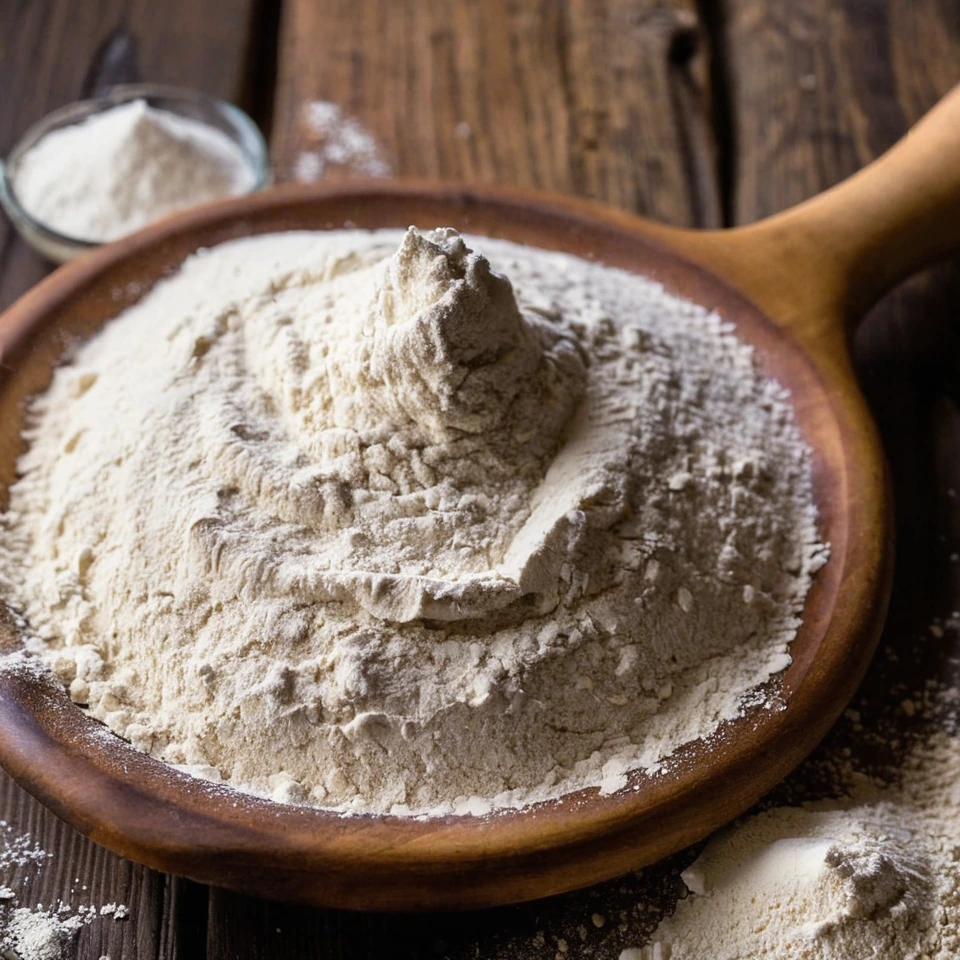
All-Purpose Flour
All-purpose flour is a versatile wheat flour that contains a moderate level of protein and gluten, making it suitable for a wide range of baking and cooking needs.

Andouille Sausage
Andouille sausage is a coarse-grained, smoked pork sausage with a rich history rooted in French cuisine, particularly from the Alsace region. It was adapted in Louisiana, where it became a staple in Cajun and Creole cooking. The sausage is known for its robust, smoky flavor with hints of garlic, pepper, and other spices, creating a spicy and savory profile. Its texture is firm yet slightly chewy, making it a hearty addition to dishes. When cooked, andouille sausage maintains its shape well and infuses dishes with its distinctive smoky essence, enhancing stews, soups, and rice dishes.
Recipes to try
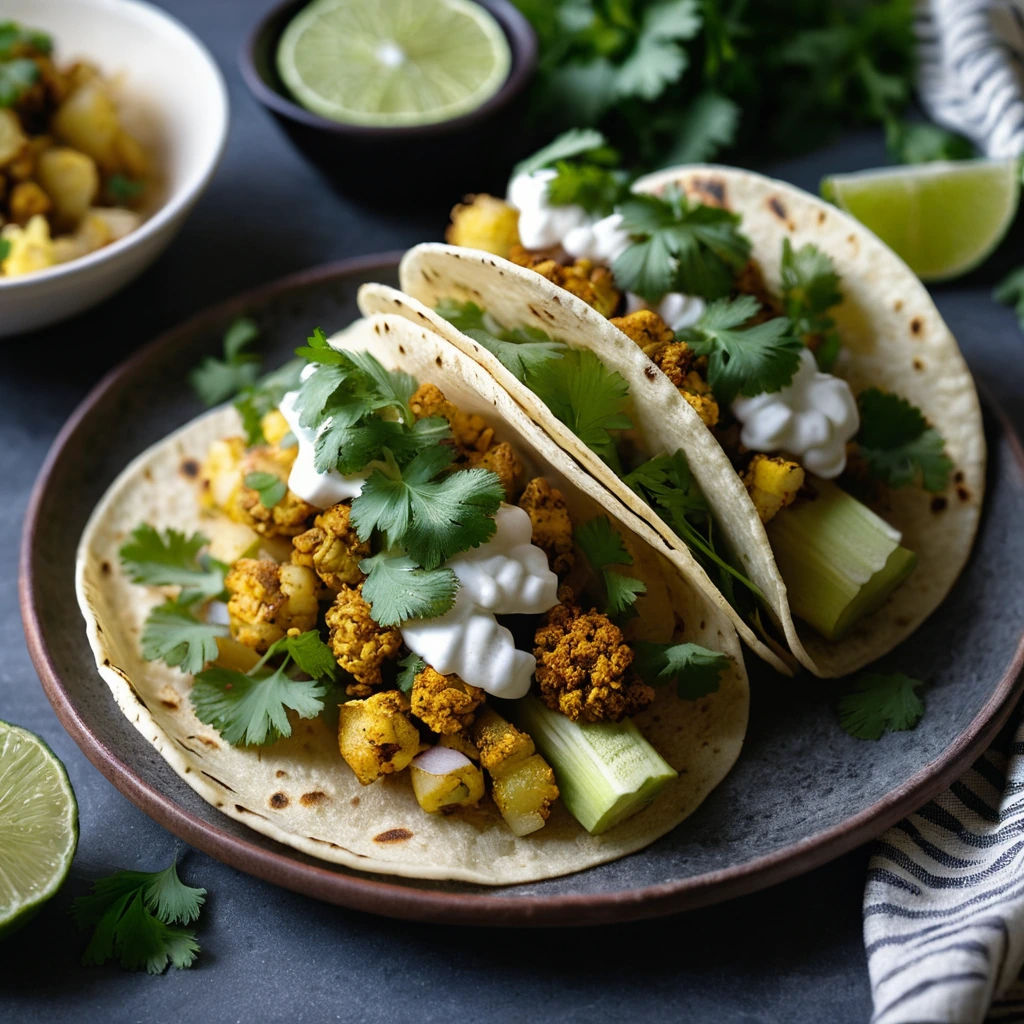
Spiced Cauliflower and Potato Street Tacos
Crispy spiced cauliflower and tender potatoes packed into warm tortillas for a veggie-packed taco night.
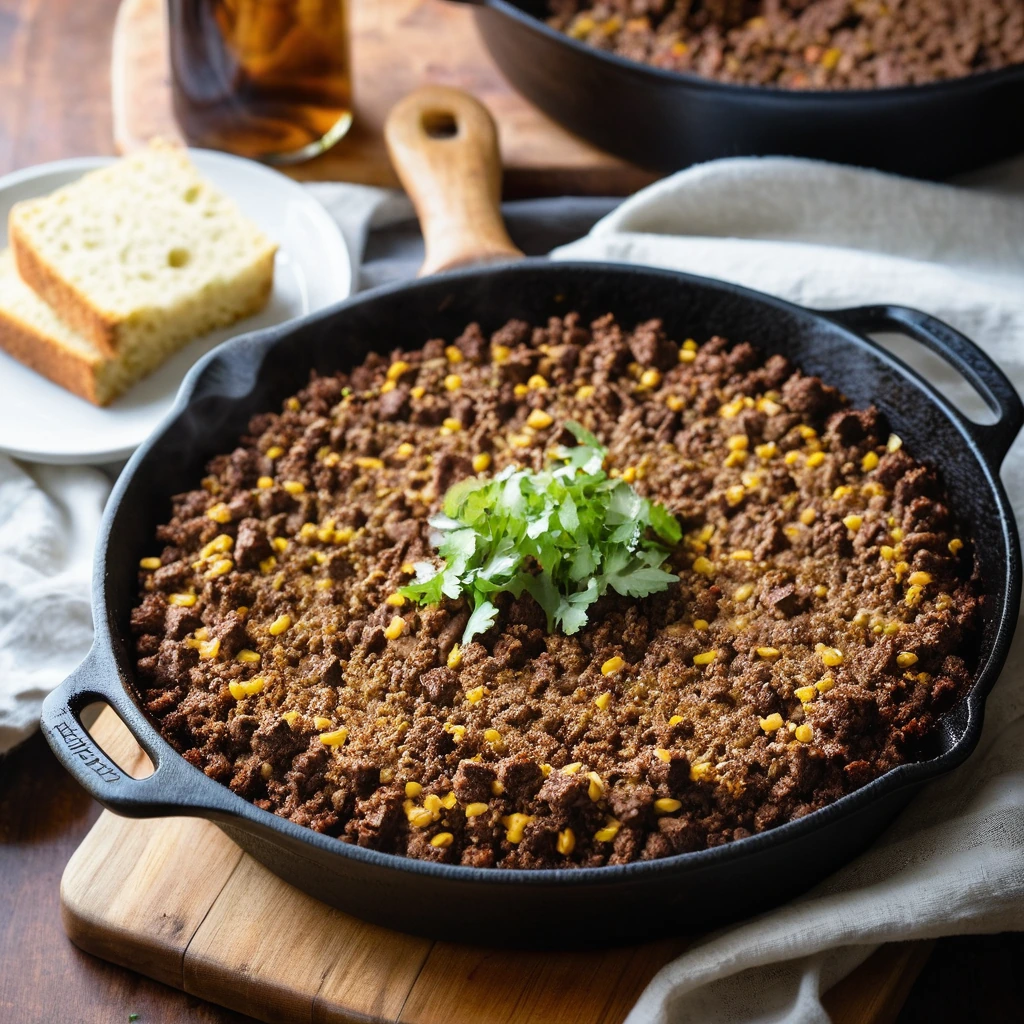
Smoky BBQ Ground Beef and Cornbread Skillet
Imagine the rich smokiness of BBQ sauce mingling with tender ground beef atop golden, crumbly cornbread in a skillet.