Preservation Technique: Making Simple Fruit Jams Without Pectin
Creating homemade fruit jams without pectin is a delightful way to capture the essence of fresh fruit and preserve it for later enjoyment. This technique relies on the natural pectin found in certain fruits, like apples or citrus peels, to achieve the desired gel-like consistency. By balancing sugar, fruit, and heat, you can craft a spread that's both flavorful and shelf-stable. Understanding the role of pectin, acidity, and sugar is key to success. Natural pectin is a carbohydrate found in the cell walls of fruits that forms a gel when combined with sugar and acid. Fruits high in pectin include green apples, quinces, and citrus fruits. Meanwhile, sugar not only sweetens but also helps preserve the jam by binding with water molecules, inhibiting microbial growth. Acidity, often provided by lemon juice, helps activate the pectin to form a gel. The process of making jam without added pectin requires patience and attention to detail. You'll need to cook the jam longer to allow the natural pectin to activate and form a gel, testing frequently for the right consistency. This technique celebrates the natural qualities of fruit, offering a more complex flavor profile than commercial jams. It's a rewarding method that connects you with traditional preservation practices, allowing you to enjoy the taste of summer all year round.
Notes
This technique harnesses the natural pectin found in certain fruits, which, when combined with sugar and acid, creates a stable gel structure. The longer cooking time allows for the natural pectin to activate, forming a thick, spreadable jam. Common mistakes include undercooking, which results in a runny jam, or overcooking, which can cause the jam to darken and lose its fresh fruit flavor. To avoid this, test the gel point diligently. Safety is paramount; ensure jars and lids are properly sterilized before use to prevent contamination. For make-ahead and storage, store sealed jars in a cool, dark place for up to a year. Once opened, keep in the refrigerator and consume within a month.
Steps
- 1 Select ripe, flavorful fruits high in natural pectin, such as green apples or citrus fruits.
- 2 Wash and chop the fruit into small, even pieces to ensure uniform cooking.
- 3 Combine the chopped fruit with sugar in a large, heavy-bottomed pot at a 1:1 ratio by weight.
- 4 Add the juice of one lemon to provide necessary acidity.
- 5 Heat the mixture over medium heat, stirring frequently to dissolve the sugar.
- 6 Bring the mixture to a full rolling boil, where it bubbles vigorously and doesn't stop when stirred.
- 7 Boil for 20 to 30 minutes, stirring occasionally to prevent sticking, until the jam reaches the gel point.
- 8 Test for the gel point by placing a small plate in the freezer. After 5 minutes of boiling, spoon a small amount of jam onto the chilled plate, return it to the freezer for 1 minute, then push the jam with your finger. If it wrinkles, it's done.
- 9 Remove from heat and skim off any foam that has formed on the surface.
- 10 Ladle the hot jam into sterilized jars, leaving 1/4 inch headspace.
- 11 Wipe the jar rims, place sterilized lids on top, and screw bands down until fingertip-tight.
- 12 Process the jars in a boiling water bath for 10 minutes to seal properly.
- 13 Remove jars from the water bath and let them cool undisturbed for 12 to 24 hours.
- 14 Check seals by pressing the center of each lid; if it doesn’t flex up and down, the jar is sealed.
Ingredients to explore
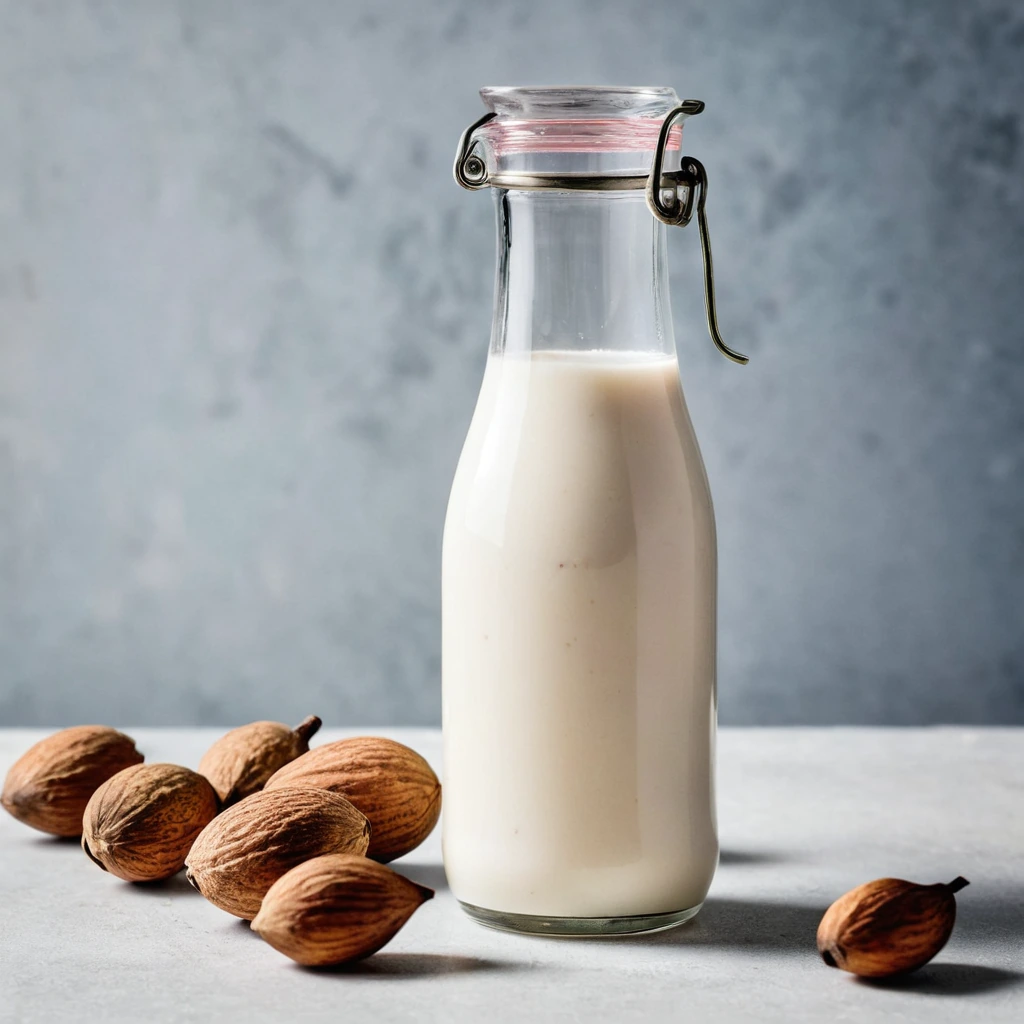
Almond Milk
Almond milk is a plant-based milk alternative made from ground almonds and water. Originating from traditional recipes in medieval Europe and the Middle East, it has gained widespread popularity in modern times as a dairy-free option. Almond milk has a subtly nutty flavor with a mild sweetness, and its aroma is reminiscent of fresh almonds. Its texture is smooth and creamy, though typically lighter than dairy milk. In cooking, almond milk behaves well in both savory and sweet applications, though it does not brown or caramelize like dairy milk. It is often used in cereals, smoothies, and baking, where its delicate flavor complements rather than overpowers other ingredients.
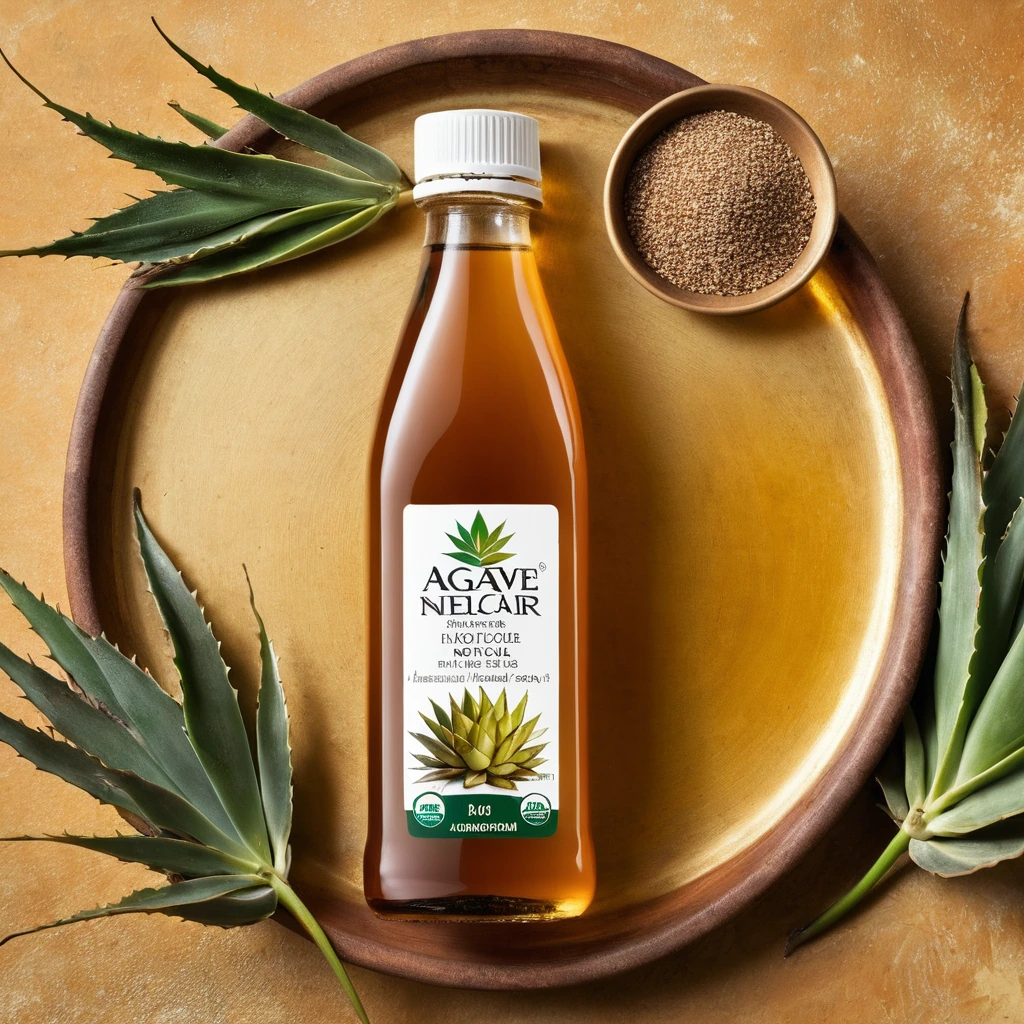
Agave Nectar
A golden, velvety sweetener derived from the agave plant, offering a subtly sweet flavor with a smooth, syrup-like texture.
Recipes to try
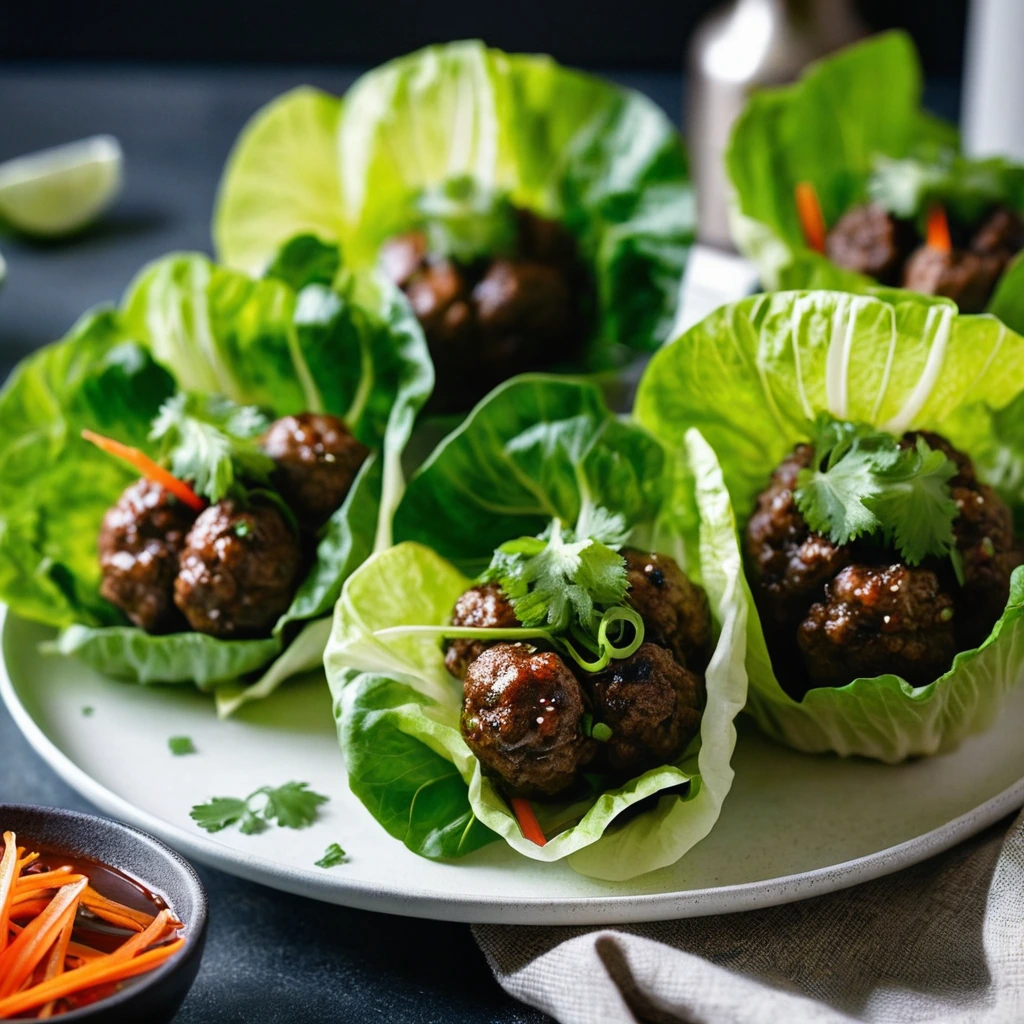
Sweet Chili Glazed Meatball Lettuce Wraps
Juicy meatballs cloaked in a sticky-sweet chili glaze, nestled in crisp lettuce cups for a flavor explosion with every bite.
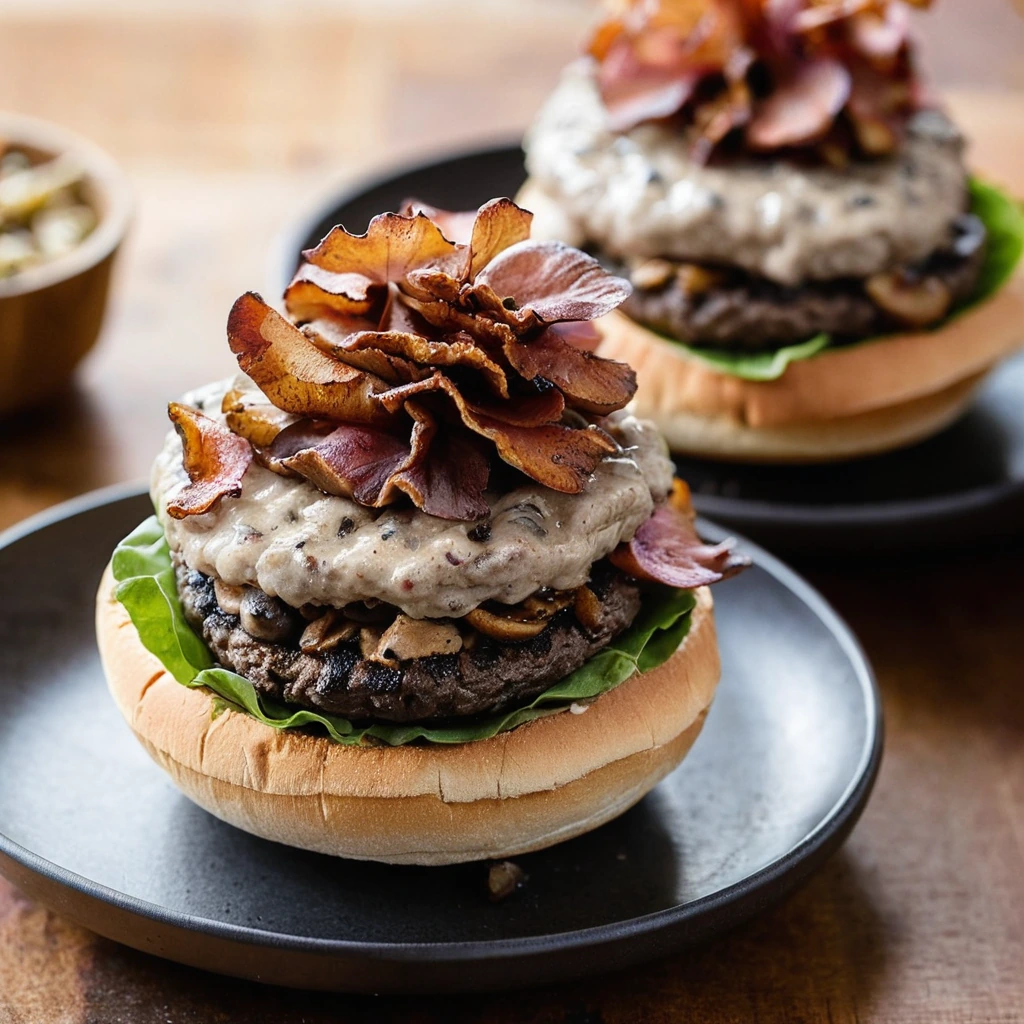
Maple Bacon Mushroom Burger Bowls
Sweet, smoky, and savory come together in these hearty bowls, where juicy burger patties meet crispy bacon and earthy mushrooms.