Preservation Technique: Freezing Herbs in Oil or Stock Cubes
Preserving the essence of fresh herbs can be a game-changer for any home cook, especially when faced with an abundance of garden bounty or a particularly good market haul. Freezing herbs in oil or stock cubes is a brilliant technique that locks in flavor, aroma, and color for months. This method not only extends the shelf life of your herbs but also provides a convenient, ready-to-use ingredient for future culinary adventures. Whether you're looking to preserve basil, rosemary, cilantro, or thyme, this technique is versatile and straightforward. It's perfect for those who want to maintain a well-stocked pantry without sacrificing the freshness of their ingredients. The process is simple, yet the results are chef-level: vibrant, flavorful cubes that melt into soups, sauces, and stews, infusing them with the essence of your garden. Plus, it's a smart way to reduce waste and embrace a zero-food-waste kitchen philosophy. Let's dive into how this method works and why it's a must-know for any home cook.
Notes
Freezing herbs in oil or stock cubes works due to the protective nature of the liquid, which prevents oxidation and freezer burn, preserving the herbs' quality. The oil or stock acts as a barrier, encapsulating the herbs and keeping them separate from air. One common mistake is using wet herbs, which can lead to ice crystal formation and diminish flavor; ensure they are thoroughly dry before freezing. Additionally, avoid overfilling the ice cube trays to prevent spillage during expansion. Safety is not a major concern with this technique, but always use clean tools and containers to prevent contamination. For make-ahead convenience, these cubes are ideal for meal prep, allowing you to add layers of flavor to dishes with minimal effort. When storing, lay a piece of parchment paper between layers to prevent sticking.
Steps
- 1 Select fresh herbs that are vibrant and free from blemishes.
- 2 Rinse herbs gently under cool water and pat them completely dry.
- 3 Strip leaves from stems if necessary, or leave whole if preferred.
- 4 Chop herbs finely, ensuring uniform size for even freezing.
- 5 Fill an ice cube tray halfway with your choice of olive oil or homemade stock.
- 6 Distribute the chopped herbs evenly among the compartments.
- 7 Top up each compartment with oil or stock, leaving space for expansion.
- 8 Place the tray in the freezer and freeze until solid, usually 3-4 hours.
- 9 Once frozen, transfer the cubes to an airtight container or freezer bag.
- 10 Label the container with the herb type and date for easy identification.
- 11 Store in the freezer for up to 3 months for optimal flavor.
- 12 When ready to use, simply pop a cube into your recipe while cooking.
- 13 Adjust seasoning as needed, since the oil or stock may add extra flavor.
Ingredients to explore
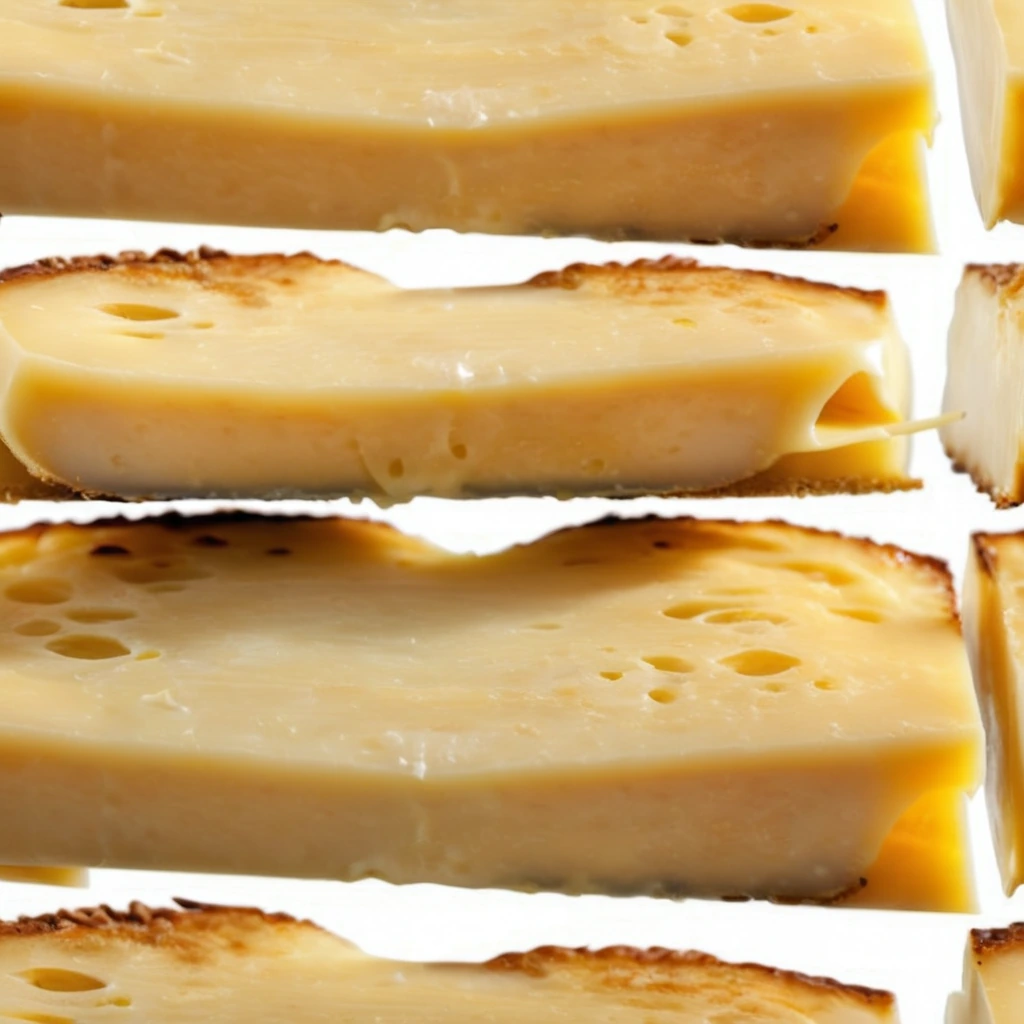
American Cheese Slices
Those iconic, perfectly pliable slices of creamy, mild American cheese. Each slice boasts a smooth, melt-in-your-mouth texture that brings comfort to any dish.
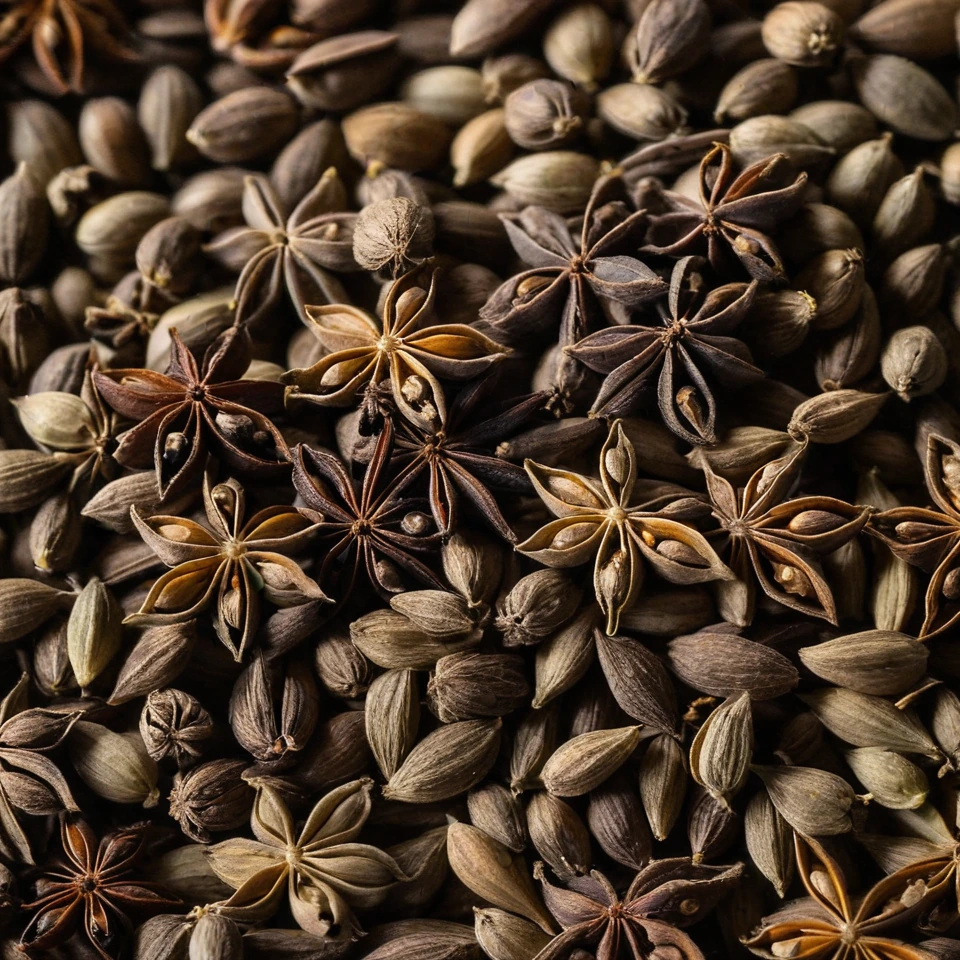
Anise Seeds
Anise seeds are small, oval seeds with a sweet, licorice-like flavor. They are commonly used in both sweet and savory dishes, offering a warm, aromatic taste.
Recipes to try

Spinach, Mushroom, and Feta Stuffed Crepes
Golden crepes envelop a savory blend of earthy mushrooms, tender spinach, and tangy feta for a satisfying vegetarian treat.

Shrimp and Veggie Lo Mein
Silky noodles twirled with succulent shrimp and a colorful medley of veggies in a savory sauce that'll have you slurping for more.