Precision Knife Work: Supreming Citrus into Clean Segments
Supreming citrus is a technique that transforms ordinary oranges, grapefruits, and other citrus fruits into elegant, segment-perfect slices. This method is ideal for garnishing dishes, enhancing salads, or simply enjoying citrus in its purest form. The key to successful supreming lies in precision and a sharp knife. First, you'll need to understand the anatomy of a citrus fruit; the segments are nestled within a network of membranes that hold the juice and seeds. By carefully slicing along these membranes, you can extract the segments intact, leaving behind any bitter pith and seeds. This technique not only elevates the presentation of your dishes but also maximizes the flavor by removing the less desirable parts of the fruit. It’s a skill that requires practice, but once mastered, supreming can be done quickly and efficiently. Additionally, supremed citrus can be used immediately or stored for later use, making it a versatile technique for any home cook. The visual appeal and burst of fresh flavor supremed citrus adds to a dish are unmatched, making it a favorite among chefs and home cooks alike. In this guide, we’ll walk you through each step with clarity and precision, ensuring you achieve professional results every time.
Notes
Supreming citrus works because it isolates the flavorful segments while discarding the bitter pith and seeds. The technique relies on the natural structure of the fruit, making it efficient and waste-free. Common mistakes include using a dull knife, which can tear the delicate membranes, and cutting too close to the segment, which can leave behind pith or seeds. To troubleshoot, ensure your knife is sharp and practice patience as you work. Safety is key; always use a stable cutting surface and keep your fingers tucked back while slicing. Supremed citrus can be stored in an airtight container in the refrigerator for up to 2 days, making it a great make-ahead component for salads and desserts.
Steps
- 1 Select a ripe citrus fruit with smooth skin.
- 2 Using a sharp chef's knife, cut off the top and bottom of the fruit to expose the flesh.
- 3 Stand the fruit on one of its flat ends and slice away the peel and white pith, following the contour of the fruit.
- 4 Hold the fruit over a bowl to catch the juices.
- 5 Starting from the top, insert the knife between the membrane and the fruit segment, cutting downward.
- 6 On the other side of the segment, repeat the cut to release it intact.
- 7 Continue this process for all segments, collecting them in the bowl.
- 8 Reserve the juice for dressings or other recipes.
- 9 Gently rinse the segments under cold water to remove any stray membrane pieces.
- 10 Pat the segments dry with a clean towel before using.
- 11 Arrange the segments on a plate or incorporate them into your recipe.
Ingredients to explore

Andouille Sausage
Andouille sausage is a coarse-grained, smoked pork sausage with a rich history rooted in French cuisine, particularly from the Alsace region. It was adapted in Louisiana, where it became a staple in Cajun and Creole cooking. The sausage is known for its robust, smoky flavor with hints of garlic, pepper, and other spices, creating a spicy and savory profile. Its texture is firm yet slightly chewy, making it a hearty addition to dishes. When cooked, andouille sausage maintains its shape well and infuses dishes with its distinctive smoky essence, enhancing stews, soups, and rice dishes.
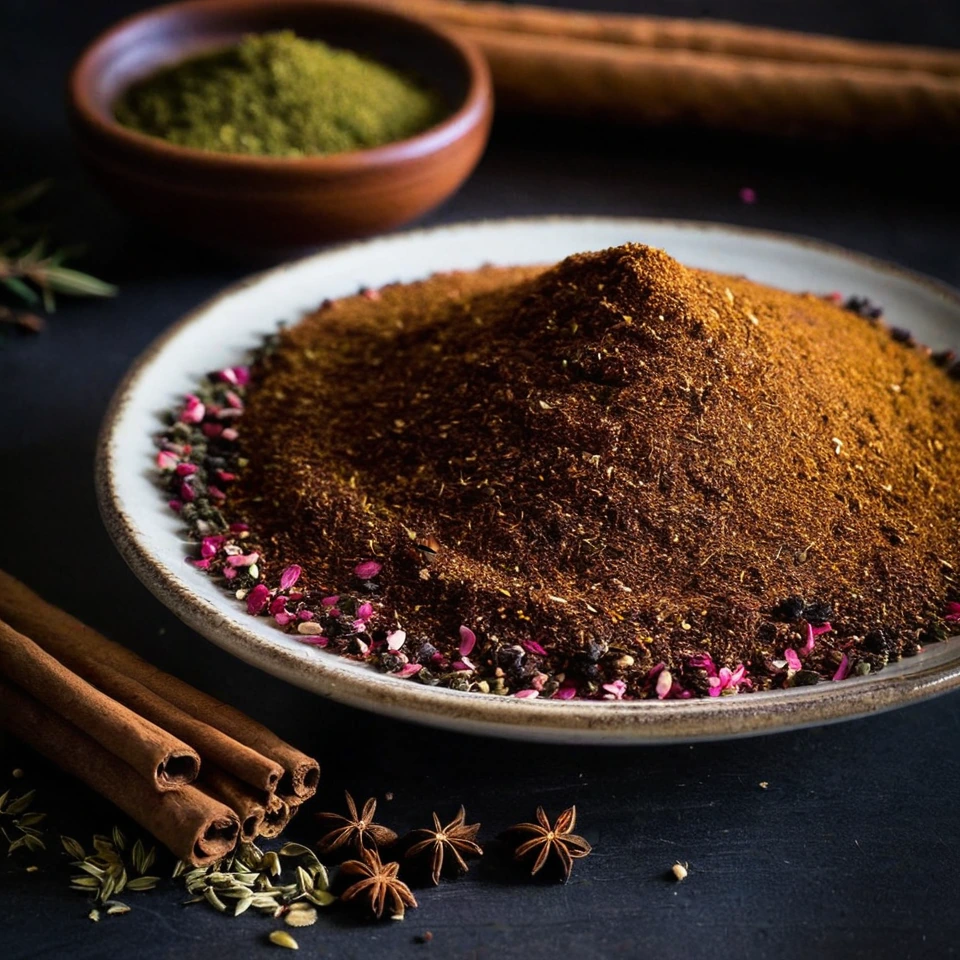
Advieh (Persian Spice Blend)
Advieh is a fragrant Persian spice blend that boasts a complex aroma of warm cinnamon, earthy cumin, and floral hints of rose and saffron. Its texture is finely ground, making it easy to incorporate into dishes. Originating from the rich culinary traditions of Iran, advieh adds depth and sophistication to both savory and sweet recipes. Its unique combination of spices reflects the historical spice trade routes that influenced Persian cuisine.
Recipes to try

Sweet Potato, Sausage, and Egg Breakfast Hash
Rustic and hearty, this breakfast hash is a symphony of smoky sausage, tender sweet potatoes, and perfectly cooked eggs.
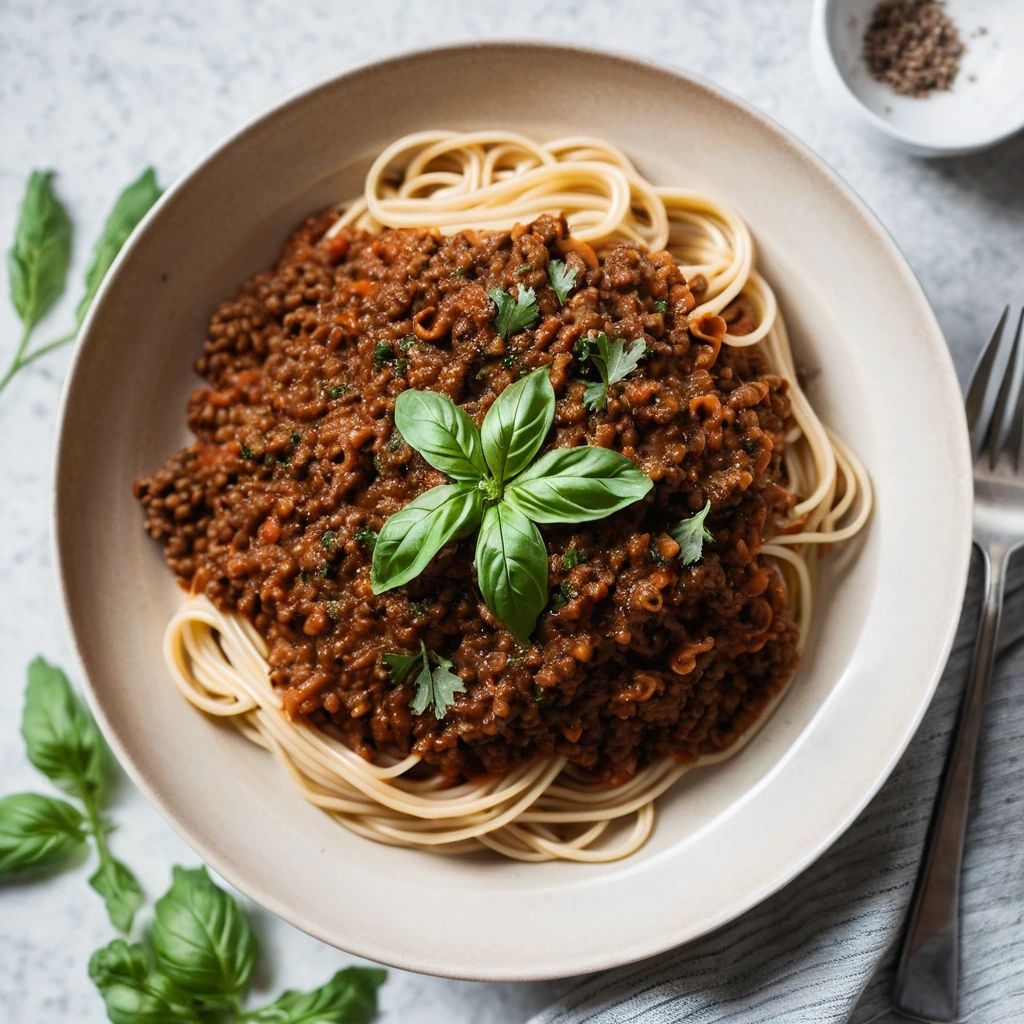
Mushroom and Lentil Bolognese over Spaghetti
A hearty, savory Bolognese packed with earthy mushrooms and protein-rich lentils, served over perfectly al dente spaghetti.