Precision Knife Work: Scoring Duck Breast for Crispy Skin
Achieving crispy, golden duck skin is an art form that requires precision and patience. Scoring the skin allows fat to render evenly, creating a texture that is both satisfyingly crunchy and irresistibly flavorful. This technique is essential for any home cook looking to elevate their duck dishes. The process begins with selecting a quality duck breast, ideally one with a good layer of fat. Properly scoring the skin ensures that excess fat is released during cooking, while the meat remains juicy and tender. Understanding the anatomy of the duck breast is crucial; the skin is thick and laden with fat, while the underlying meat is delicate and lean. By mastering the art of scoring, you unlock the potential for perfect results every time. The angle and depth of your cuts are key—too shallow, and the fat won't render; too deep, and you risk cutting into the meat. This guide will walk you through selecting the right knife, holding the breast correctly, and executing precise cuts that guarantee crispy skin. Whether you're preparing a classic peppercorn sauce or a simple pan-roasted dish, this technique will transform your cooking.
Notes
The science behind scoring is simple: it increases surface area for fat to escape and crisp up. A common mistake is cutting too deeply into the meat, which can lead to dry results. To avoid this, focus on maintaining the correct angle and depth. Always ensure your knife is sharp; a dull blade can cause slips and uneven cuts. For safety, keep your fingers clear of the blade's path and use a stable cutting surface. You can prepare the scored duck breast up to an hour in advance, storing it uncovered in the refrigerator to allow the skin to dry further, enhancing crispiness. When stored properly, cooked duck breast can be refrigerated for up to two days or frozen for up to three months.
Steps
- 1 Select a sharp chef's knife with a Granton edge, if available, to prevent sticking.
- 2 Pat the duck breast dry with paper towels to remove excess moisture.
- 3 Place the duck breast skin-side down on a clean cutting board.
- 4 Using your non-dominant hand, hold the skin taut with your fingers.
- 5 With the knife at a 45-degree angle, make shallow, parallel cuts across the skin.
- 6 Space the cuts about 1/4 to 1/2 inch apart for even fat rendering.
- 7 Be careful not to cut into the meat beneath the skin.
- 8 Flip the breast and repeat the process on the other side if desired.
- 9 Season the scored skin with salt and pepper immediately before cooking.
- 10 Heat a skillet over medium heat and add the duck breast skin-side down.
- 11 Cook for 6-8 minutes until the skin is golden and crispy.
- 12 Use a paper towel to blot excess fat from the skillet as needed.
- 13 Flip the breast and cook for an additional 3-4 minutes for medium-rare doneness.
- 14 Transfer the cooked duck breast to a cutting board to rest for 5 minutes before serving.
Ingredients to explore
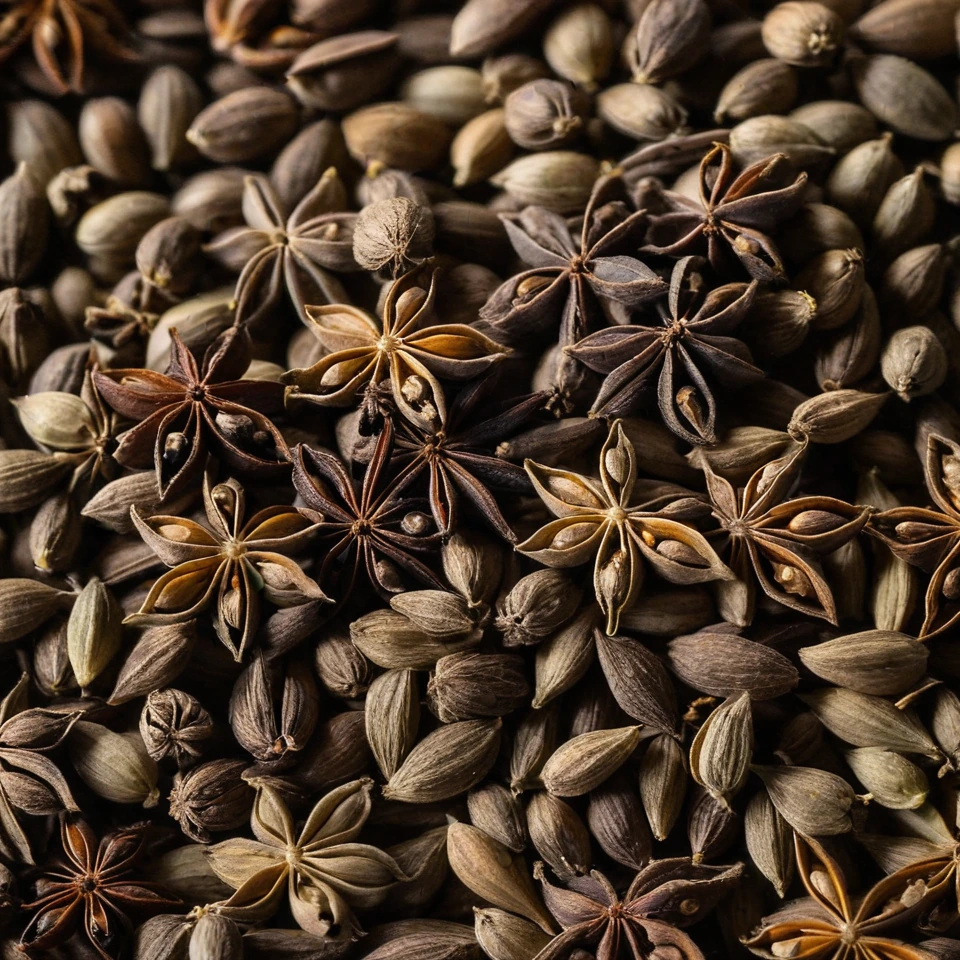
Anise Seeds
Anise seeds are small, oval seeds with a sweet, licorice-like flavor. They are commonly used in both sweet and savory dishes, offering a warm, aromatic taste.
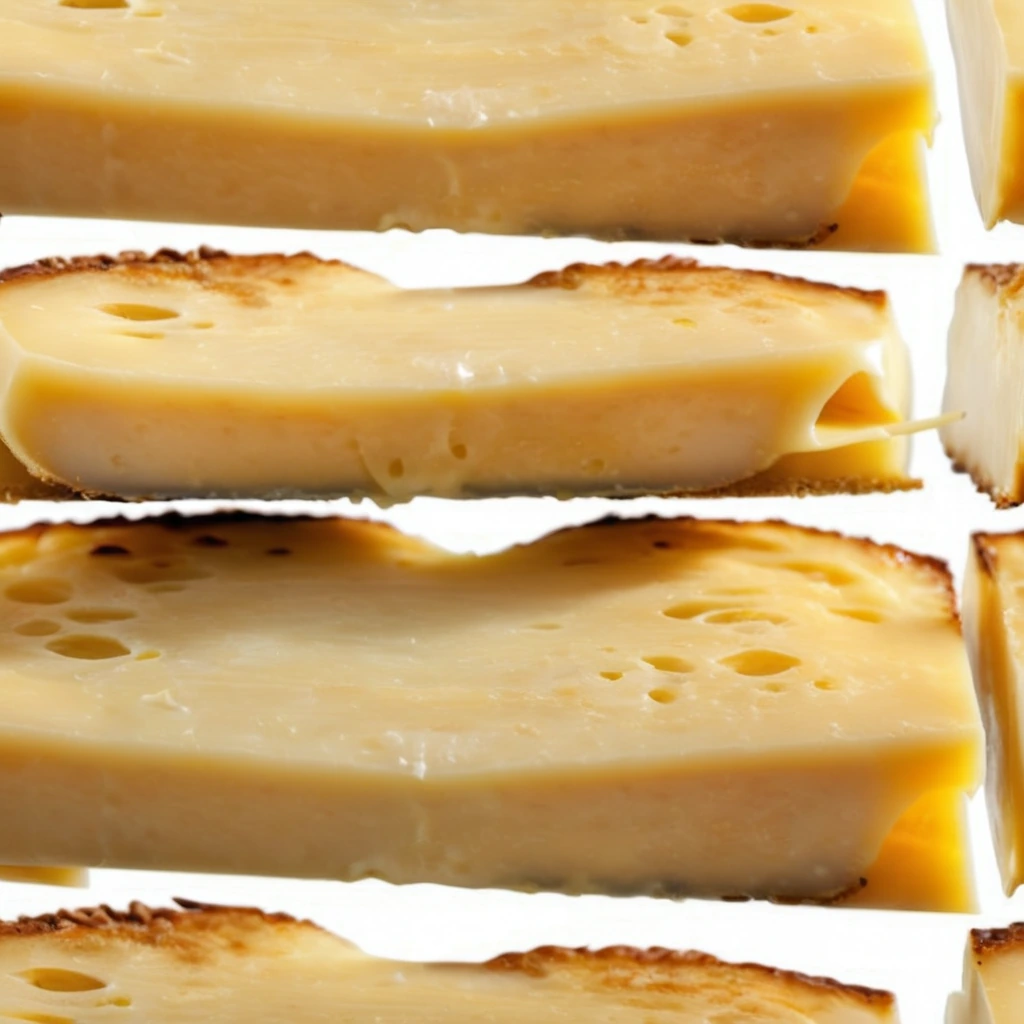
American Cheese Slices
Those iconic, perfectly pliable slices of creamy, mild American cheese. Each slice boasts a smooth, melt-in-your-mouth texture that brings comfort to any dish.
Recipes to try
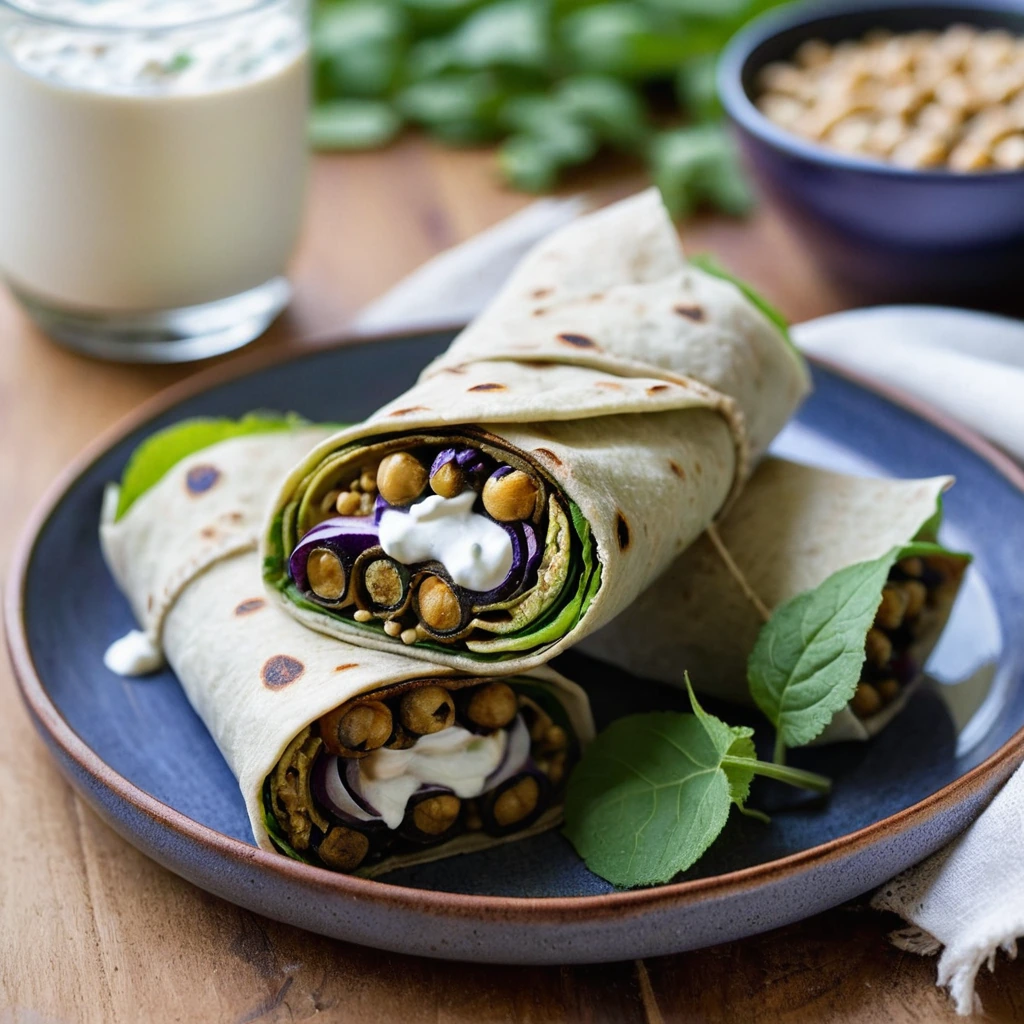
Roasted Eggplant and Chickpea Wraps with Yogurt
Creamy yogurt swirls with smoky roasted eggplant and hearty chickpeas, all wrapped in a warm tortilla for a veggie-packed meal.
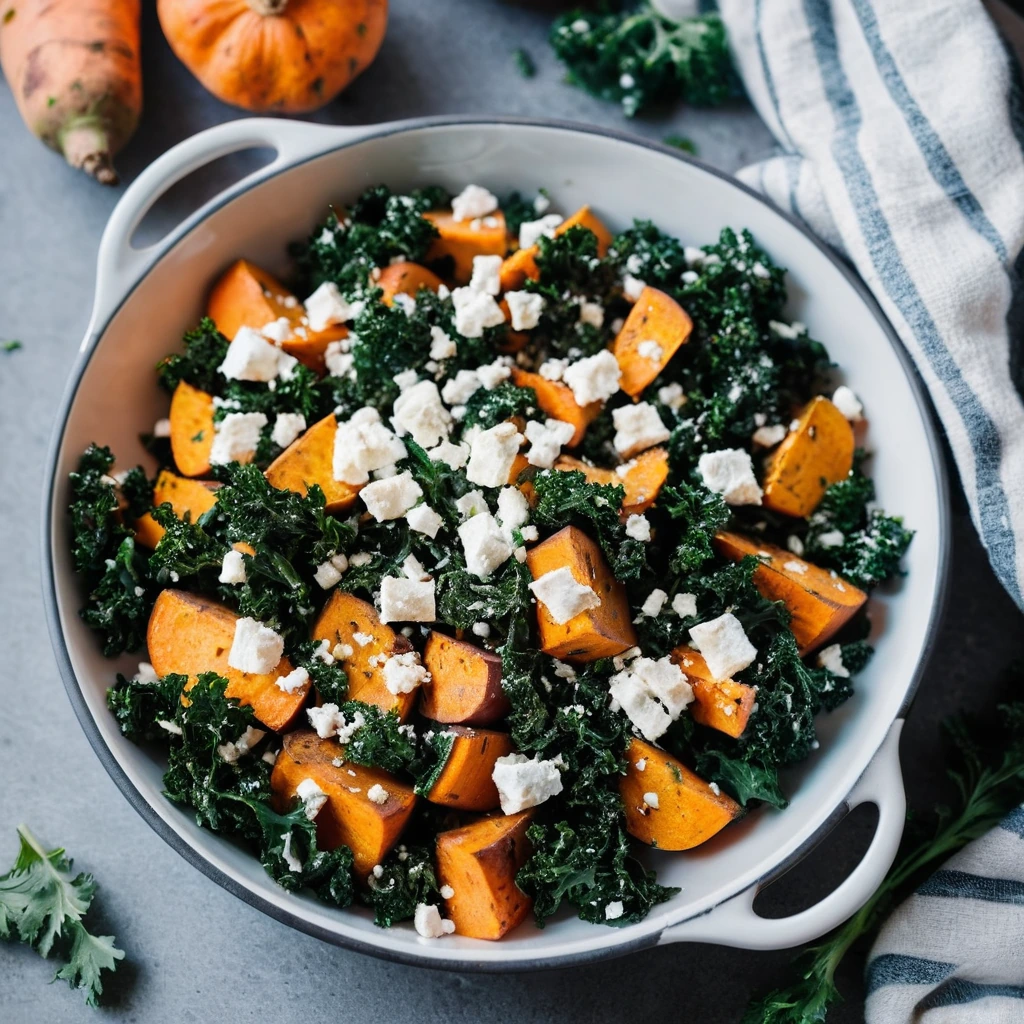
Sweet Potato and Kale Skillet with Feta
Golden roasted sweet potatoes and tender kale come together in a skillet, kissed by tangy feta and a whisper of garlic.