Precision Knife Work: Safe Claw Grip for Fast Chopping
Precision knife work is an essential skill for any home cook looking to chop like a pro. The safe claw grip technique is a fundamental method that ensures both efficiency and safety in the kitchen. This technique allows you to maintain control over your ingredients while protecting your fingers from accidental cuts. By curling your fingers into a claw shape, you create a sturdy guide for your knife, enabling swift and consistent chopping. The safe claw grip not only speeds up your prep time but also minimizes the risk of injury. Mastering this technique requires practice, but once you get the hang of it, you’ll find your knife skills improving dramatically. Whether you're dicing onions, mincing garlic, or slicing bell peppers, the safe claw grip will become your go-to method. It’s all about creating a rhythm and flow that feels natural, making your time in the kitchen safer and more enjoyable. By understanding the mechanics of this grip, you’ll be able to tackle a variety of chopping tasks with confidence. Let’s dive into the details and perfect this essential technique together.
Notes
The safe claw grip works by utilizing your knuckles as a guard, preventing the knife from coming into contact with your fingertips. This technique is rooted in basic physics, leveraging the natural curvature of your hand to create a stable platform. A common mistake is gripping the knife too tightly, which can lead to fatigue; instead, maintain a relaxed but firm hold. Ensure your cutting board is stable to avoid slipping, which can lead to injuries. For safety, always use a sharp knife—dull blades require more force and are more likely to slip. To store prepped ingredients, use airtight containers in the refrigerator for up to 3 days. Practice this grip regularly to build muscle memory and enhance your chopping efficiency.
Steps
- 1 Select a sharp chef’s knife suitable for chopping.
- 2 Hold the knife with a comfortable grip, using your dominant hand.
- 3 With your non-dominant hand, curl your fingers into a claw shape over the item you are chopping.
- 4 Keep your fingertips tucked in and your knuckles raised to guide the knife.
- 5 Position the knife at the starting point of the item to be chopped.
- 6 Use a rocking motion to slice through the item, keeping the blade’s tip in contact with the cutting board.
- 7 Apply even pressure with each stroke, adjusting the claw grip as needed.
- 8 Continue chopping until the desired size is achieved.
- 9 Periodically check your grip and posture to ensure safety and efficiency.
- 10 Transfer chopped items to a bowl or plate promptly to keep your workspace clear.
- 11 Repeat the process with fresh ingredients, maintaining focus and control.
- 12 Clean your knife immediately after use to prevent accidents and maintain edge integrity.
- 13 Store your knife safely in a knife block or magnetic strip.
Ingredients to explore

Acorn Squash
Acorn squash is a winter squash variety known for its distinctive teardrop shape and deep ridges resembling the texture of an acorn shell. Originating in the Americas, it has been cultivated for centuries and is a staple in autumn cuisine. The flesh is sweet and nutty with a hint of earthiness, offering a delightful contrast to savory dishes. Its texture is dense yet tender when cooked, making it ideal for roasting or pureeing. In cooking, acorn squash holds its shape well and absorbs flavors from herbs and spices, enhancing both its taste and versatility in recipes.
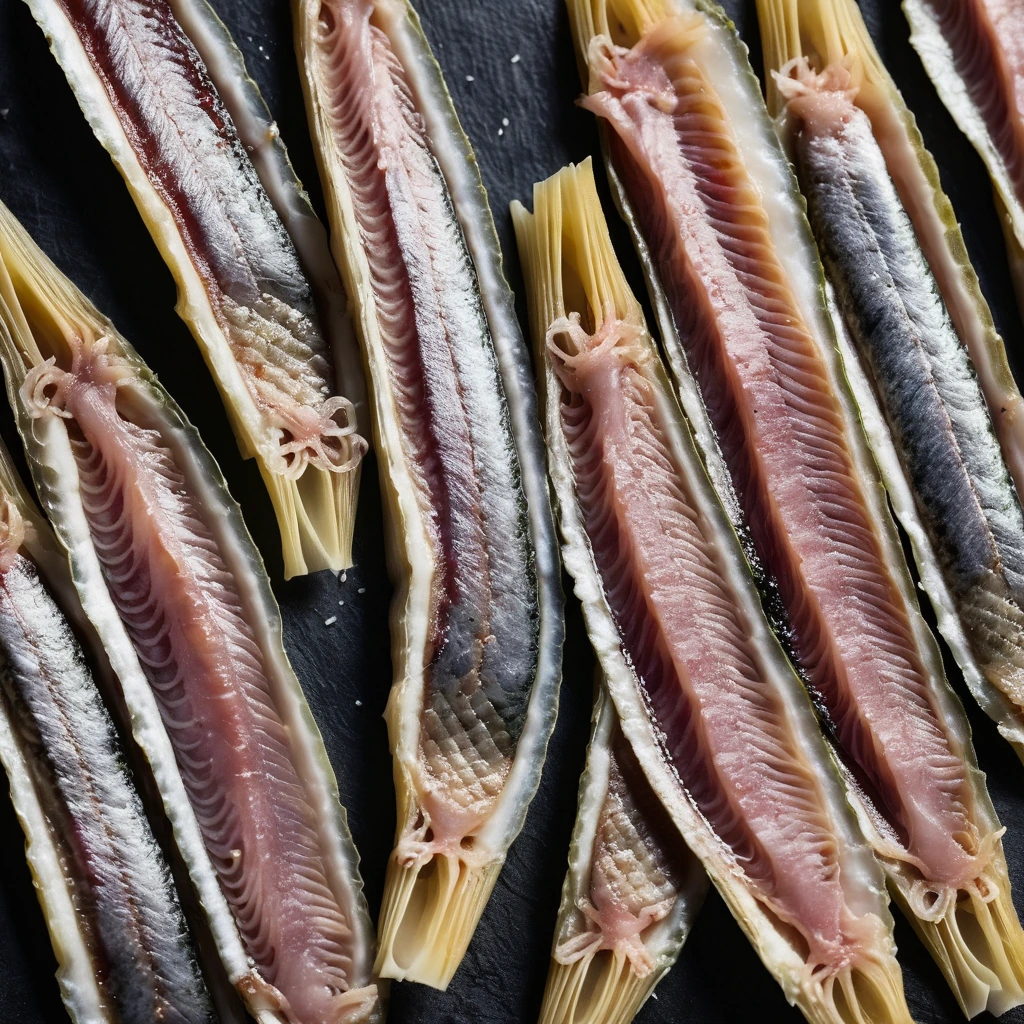
Anchovy Fillets
Silvery and succulent, anchovy fillets are a briny treasure from the sea. Their rich, umami flavor adds depth to dishes, making them a beloved ingredient in kitchens worldwide.
Recipes to try

Lemon Garlic Butter Scallops over Rice
Tender scallops kissed with lemon and garlicky butter, served over fluffy white rice for a luxurious yet simple dinner.

Lemon Garlic Butter Shrimp and Asparagus Sheet Pan
Bright and zesty, this sheet pan dinner is a burst of sunshine with tender shrimp and crisp asparagus in a luscious garlic butter sauce.