Precision Knife Work: Carving Roasts into Tender Slices
Precision knife work is an art that transforms a humble roast into a platter of perfectly uniform, tender slices that elevate any meal. Achieving this requires understanding the anatomy of your roast, selecting the right tools, and employing techniques that ensure consistency and minimize meat wastage. The key to carving roasts into tender slices lies in knowing the grain of the meat—those long muscle fibers that determine texture. Cutting across the grain shortens these fibers, making each bite melt in your mouth. Start by allowing your roast to rest after cooking, which lets the juices redistribute, ensuring each slice is succulent. Use a sharp chef’s knife or carving knife for clean cuts and a carving fork to hold the meat in place. The angle of your cuts, the steadiness of your hand, and the rhythm of your slicing motion all contribute to the final presentation. This technique isn’t just about making your meal look good; it’s about enhancing the eating experience. By mastering precision knife work, you pay homage to the effort that went into preparing your roast and show respect for the ingredients. With practice, you'll be able to confidently carve roasts into slices that are a testament to your culinary skill.
Notes
Understanding the science behind resting meat is crucial—it allows enzymes to break down fibers and juices to redistribute, ensuring tender and flavorful slices. A common mistake is rushing the carving process; patience is key to achieving uniform slices. Always use a sharp knife; a dull blade can crush meat fibers, leading to less tender slices. For safety, use the carving fork to stabilize the roast and keep fingers clear of the blade's path. To make ahead, carve the roast and store slices in an airtight container in the refrigerator for up to 3 days. Reheat gently to preserve texture.
Steps
- 1 Allow the roasted meat to rest for 15-20 minutes after cooking.
- 2 Place the roast on a carving board with the fatty side up.
- 3 Using a carving fork, secure the roast firmly in place.
- 4 Identify the direction of the grain by looking at the muscle fibers.
- 5 Sharpen your carving knife if necessary; a sharp blade is essential.
- 6 Begin slicing across the grain with smooth, even strokes.
- 7 Aim for slices approximately 1/4 inch thick for most roasts.
- 8 Use a gentle sawing motion if you encounter tough areas.
- 9 Adjust your angle to maintain consistency across each slice.
- 10 Transfer slices to a serving platter as you go.
- 11 Keep slices warm in a low oven (200°F) if serving later.
- 12 Reserve carving juices for gravy or sauce if desired.
- 13 Clean your carving tools immediately to prevent staining.
Ingredients to explore

Andouille Sausage
Andouille sausage is a coarse-grained, smoked pork sausage with a rich history rooted in French cuisine, particularly from the Alsace region. It was adapted in Louisiana, where it became a staple in Cajun and Creole cooking. The sausage is known for its robust, smoky flavor with hints of garlic, pepper, and other spices, creating a spicy and savory profile. Its texture is firm yet slightly chewy, making it a hearty addition to dishes. When cooked, andouille sausage maintains its shape well and infuses dishes with its distinctive smoky essence, enhancing stews, soups, and rice dishes.
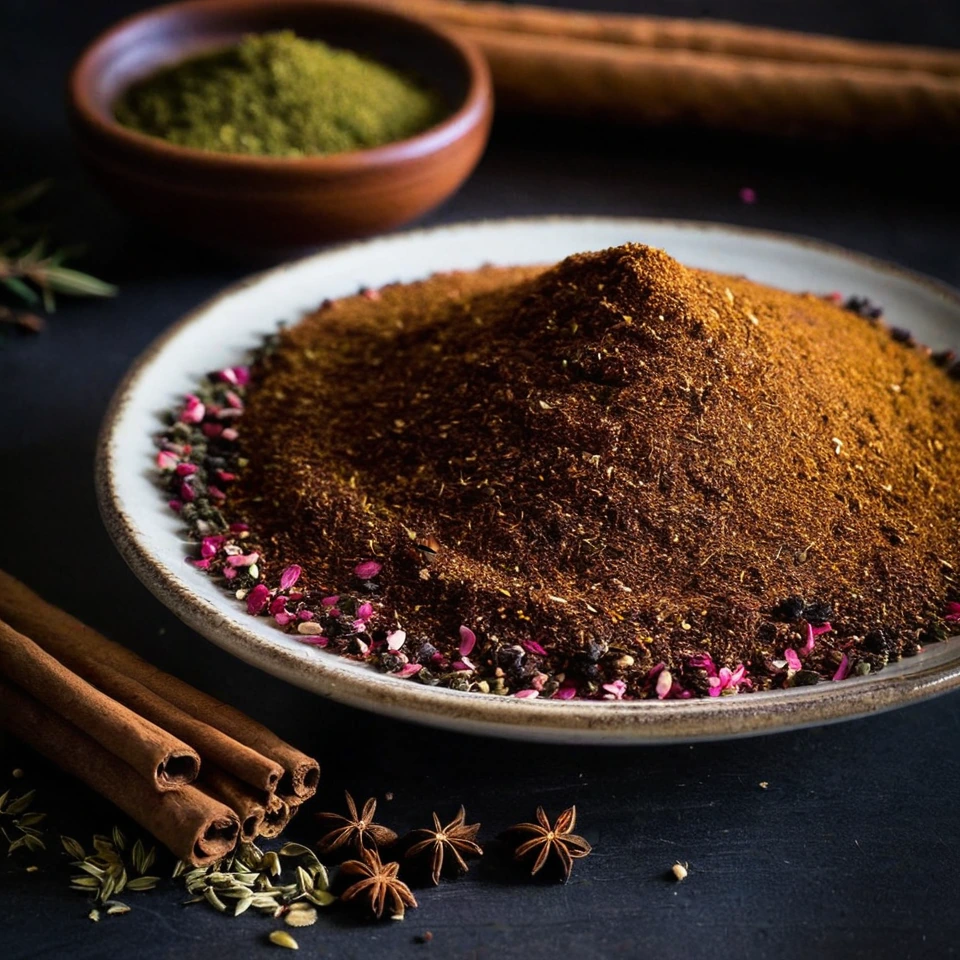
Advieh (Persian Spice Blend)
Advieh is a fragrant Persian spice blend that boasts a complex aroma of warm cinnamon, earthy cumin, and floral hints of rose and saffron. Its texture is finely ground, making it easy to incorporate into dishes. Originating from the rich culinary traditions of Iran, advieh adds depth and sophistication to both savory and sweet recipes. Its unique combination of spices reflects the historical spice trade routes that influenced Persian cuisine.
Recipes to try

Sweet Chili Pork Noodle Bowls
Tender pork and chewy noodles are smothered in a tangy, sweet chili sauce that'll have you coming back for seconds.
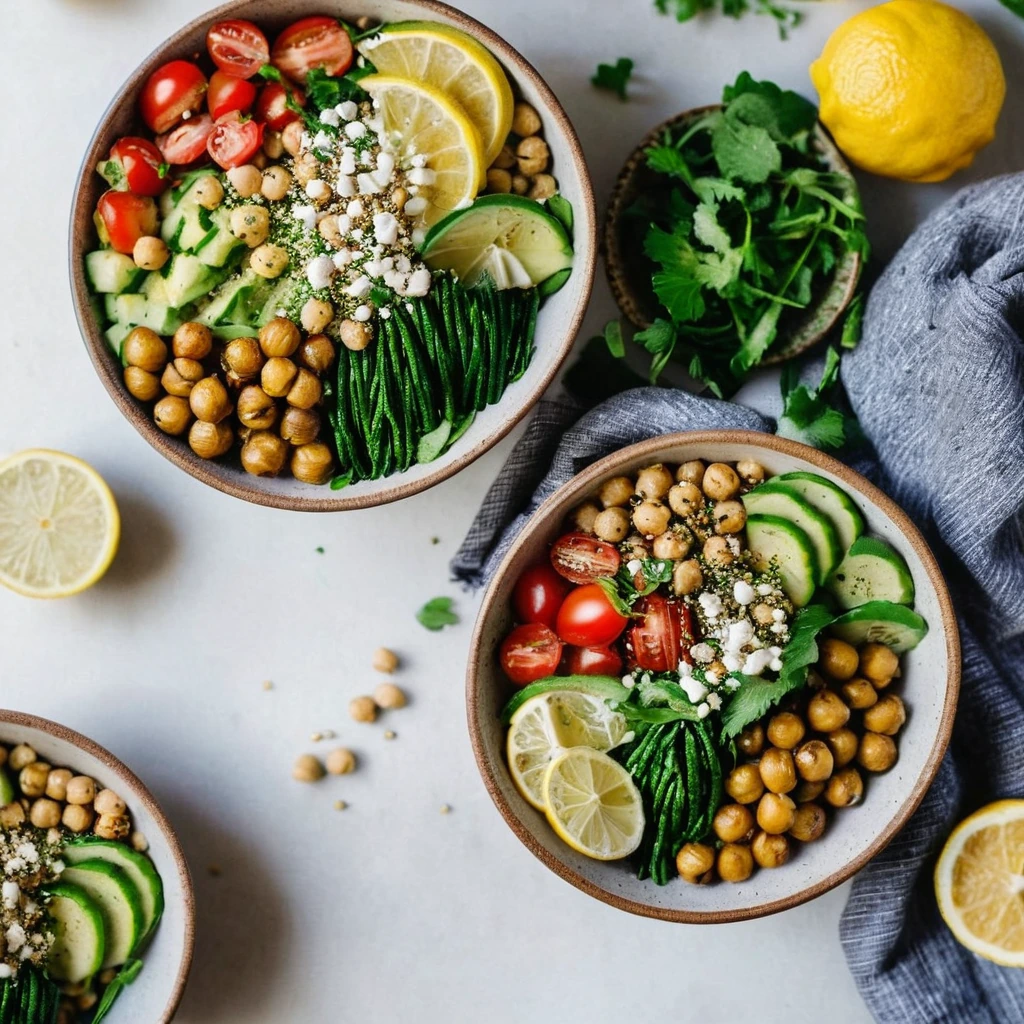
Mediterranean Chickpea Bowls with Lemon Tahini
A vibrant medley of textures and flavors, these bowls are packed with lemony tahini drizzle and fresh Mediterranean herbs.