Poultry: Crisping Chicken Skin in a Skillet
Achieving crispy chicken skin is a culinary triumph that brings joy to any meal. This technique focuses on transforming ordinary chicken skin into a golden, crackling delight using just a skillet. The secret lies in controlling heat and fat to render the skin perfectly without drying out the underlying meat. Whether you're working with chicken thighs, wings, or even a whole bird, mastering this method will elevate your dishes. First, understanding the fat content and collagen structure of chicken skin is crucial. When heated, the fat renders out, and the collagen shrinks and tightens, creating that desired crispiness. Patience is key, as rushing the process can lead to greasy or rubbery results. Additionally, ensuring your skillet is seasoned well and maintaining the right temperature are essential steps to avoid sticking and ensure even cooking. This technique is not just about achieving texture but also enhancing flavor, as the rendered fat adds richness to your dish. With a few simple tools and a bit of practice, you'll be able to produce restaurant-quality crispy skin at home consistently.
Notes
The science behind crispy chicken skin is all about rendering fat and evaporating moisture. The low and slow approach allows the fat to melt away without burning the skin. A common mistake is cooking over too high heat, which can cause the outside to burn before the fat is properly rendered. Always start with a dry surface to ensure even browning and crisping. Safety is key when working with hot oil; never leave the skillet unattended. For make-ahead meals, crisp the chicken skin just before serving for optimal texture. Store any leftovers in an airtight container in the refrigerator for up to 3 days, though the skin may lose some crispiness.
Steps
- 1 Pat chicken pieces dry with paper towels to remove excess moisture.
- 2 Season the chicken skin generously with salt and any desired spices.
- 3 Place a seasoned cast-iron skillet over medium-low heat.
- 4 Add just enough oil to coat the bottom of the skillet.
- 5 Once the oil shimmers, add the chicken skin-side down.
- 6 Cook undisturbed for 8-10 minutes, watching for the edges to turn golden.
- 7 Use tongs to carefully flip the chicken and cook the other side for 2-3 minutes.
- 8 Increase the heat to medium for the final 1-2 minutes to achieve deeper browning.
- 9 Transfer the chicken to a wire rack to drain excess fat.
Ingredients to explore

Anaheim Peppers
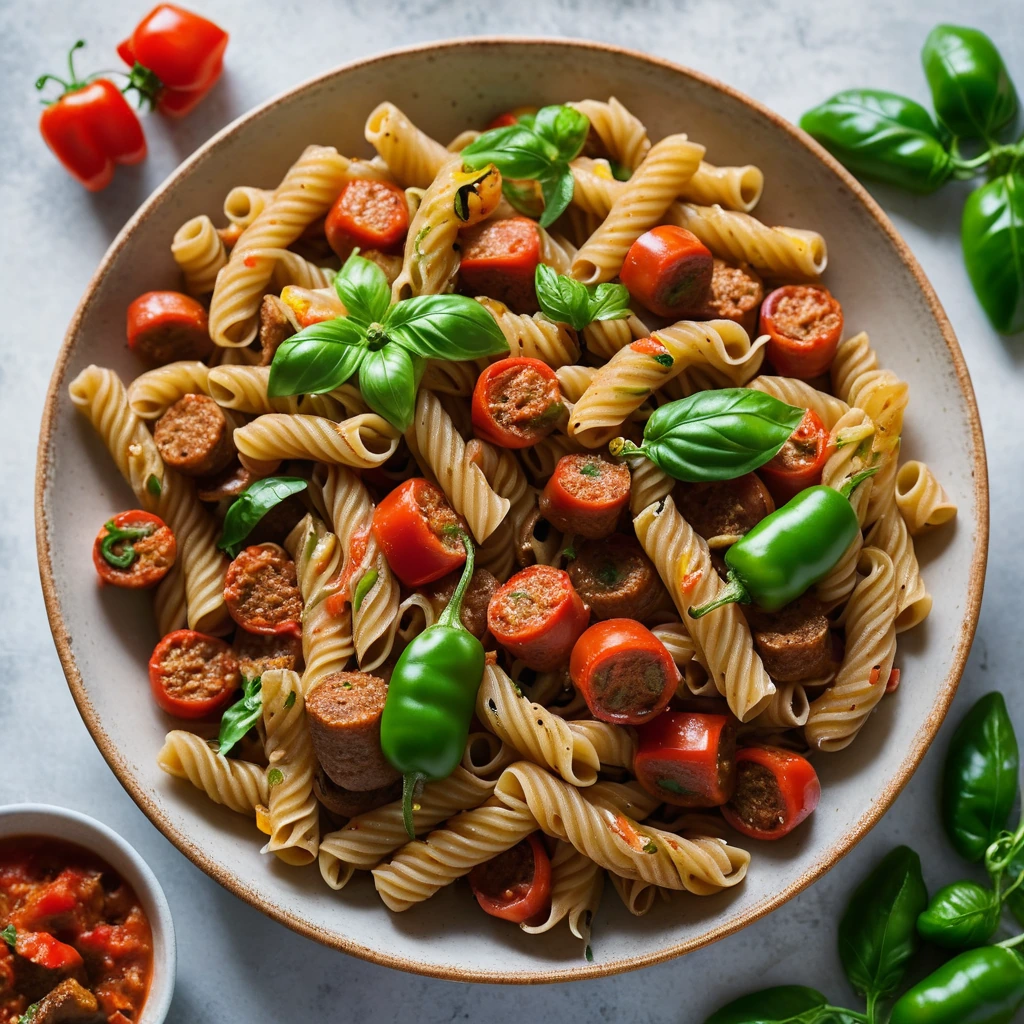
Anaheim peppers are a mild chili pepper variety named after Anaheim, California, where they were first cultivated commercially. Originating from the New Mexico region, these peppers are celebrated for their versatility and gentle heat. They possess a flavor that is mildly sweet with a subtle tang, and a pleasant vegetal note reminiscent of green bell peppers, but with a hint of spice. Their texture is firm and crisp when fresh, becoming tender and slightly smoky when roasted or cooked. In cooking, Anaheim peppers behave well across a range of techniques, from grilling and roasting to stuffing and sautéing, contributing a nuanced depth without overwhelming other ingredients with heat.
Almond Milk
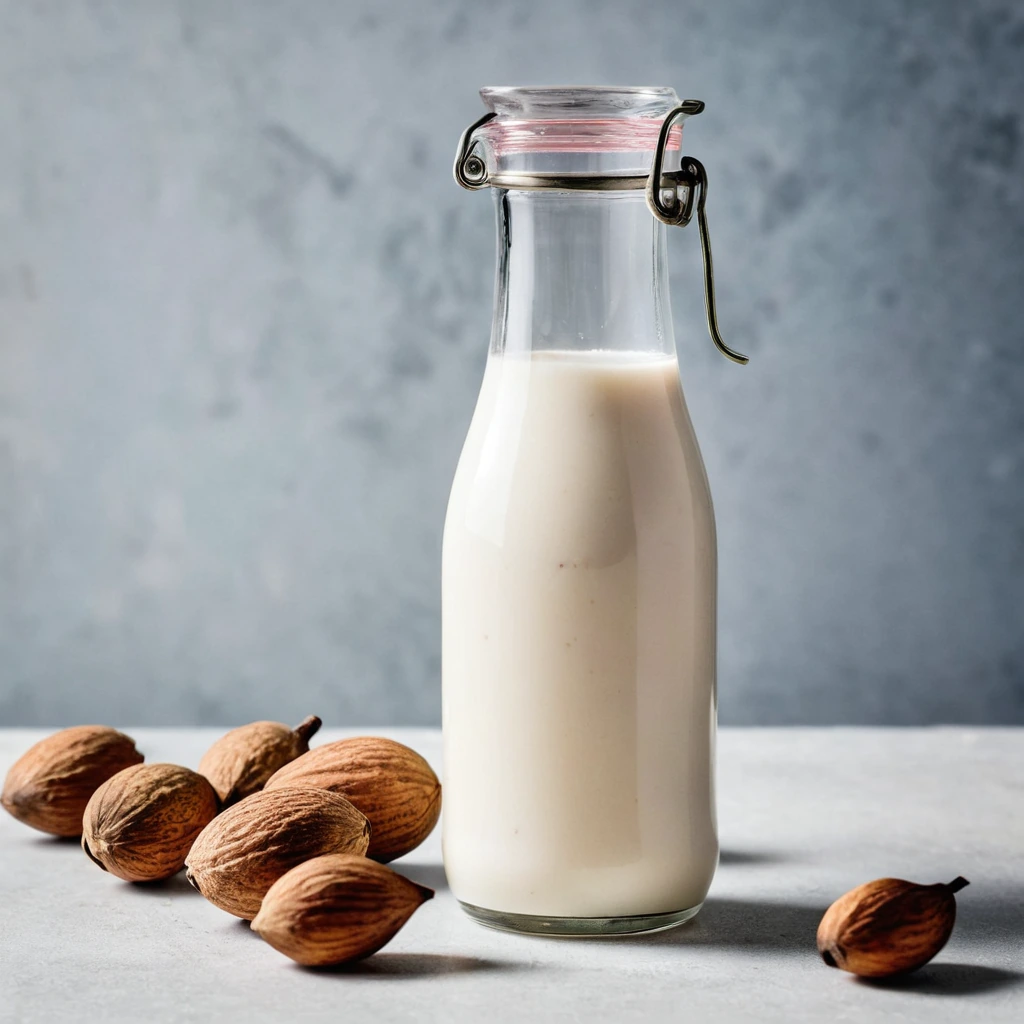
Almond milk is a plant-based milk alternative made from ground almonds and water. Originating from traditional recipes in medieval Europe and the Middle East, it has gained widespread popularity in modern times as a dairy-free option. Almond milk has a subtly nutty flavor with a mild sweetness, and its aroma is reminiscent of fresh almonds. Its texture is smooth and creamy, though typically lighter than dairy milk. In cooking, almond milk behaves well in both savory and sweet applications, though it does not brown or caramelize like dairy milk. It is often used in cereals, smoothies, and baking, where its delicate flavor complements rather than overpowers other ingredients.