Plating: Using Negative Space on the Plate
Plating is an art form that can elevate your home-cooked meals to restaurant-quality presentations. Using negative space on the plate is a powerful technique that emphasizes the beauty of your dish by allowing the empty areas to speak volumes. This approach isn't just about aesthetics; it's about balance and intentionality. Negative space draws attention to the key elements of your dish, creating a focal point that guides the diner's eye. It also prevents overcrowding, which can make a plate look messy and unappetizing. The technique requires an understanding of composition and proportion, similar to principles found in visual art. By mastering negative space, you'll learn to create plates that are not just delicious but also visually striking. This method encourages you to think critically about the arrangement of components, considering how each piece interacts with the others and the space around them. It's a subtle art that can transform a simple meal into a work of culinary art. Remember, the goal is to let each element shine, rather than competing for attention. Achieving this harmony is what makes your plating stand out. The empty space is not just a void; it's an integral part of the design, providing a visual rest for the eye and enhancing the overall impact of your creation. As you practice, you'll develop an intuitive sense of balance that makes your dishes both inviting and elegant.
Notes
The science behind using negative space is rooted in visual perception and psychology. Our eyes are naturally drawn to areas of contrast, so by leaving space around key elements, you create a focal point that is both inviting and intriguing. A common mistake is overcrowding the plate, which can overwhelm the diner and detract from the presentation. To avoid this, plan your plating before you start serving. Safety isn't a major concern with plating, but ensure that any garnishes or sauces used are food-safe and properly stored. For make-ahead considerations, plate your dish as close to serving time as possible to maintain freshness and presentation integrity. Store components separately in airtight containers in the refrigerator until ready to plate.
Steps
- 1 Start with a clean, dry plate.
- 2 Choose 2-3 main components for your dish.
- 3 Decide which component is the star of the plate.
- 4 Place the star component slightly off-center for visual interest.
- 5 Arrange secondary components around the star, leaving ample space.
- 6 Use garnishes sparingly to fill gaps without overcrowding.
- 7 Consider using a sauce or drizzle to guide the eye across the plate.
- 8 Ensure there is a clear path of negative space leading to the star component.
- 9 Step back and assess the balance from a distance.
- 10 Adjust the placement of elements if necessary for better harmony.
- 11 Avoid the temptation to fill every corner of the plate.
- 12 Use odd numbers of components when possible for a more natural look.
- 13 Finalize with a garnish that complements the colors and textures of your dish.
Ingredients to explore

Andouille Sausage
Andouille sausage is a coarse-grained, smoked pork sausage with a rich history rooted in French cuisine, particularly from the Alsace region. It was adapted in Louisiana, where it became a staple in Cajun and Creole cooking. The sausage is known for its robust, smoky flavor with hints of garlic, pepper, and other spices, creating a spicy and savory profile. Its texture is firm yet slightly chewy, making it a hearty addition to dishes. When cooked, andouille sausage maintains its shape well and infuses dishes with its distinctive smoky essence, enhancing stews, soups, and rice dishes.
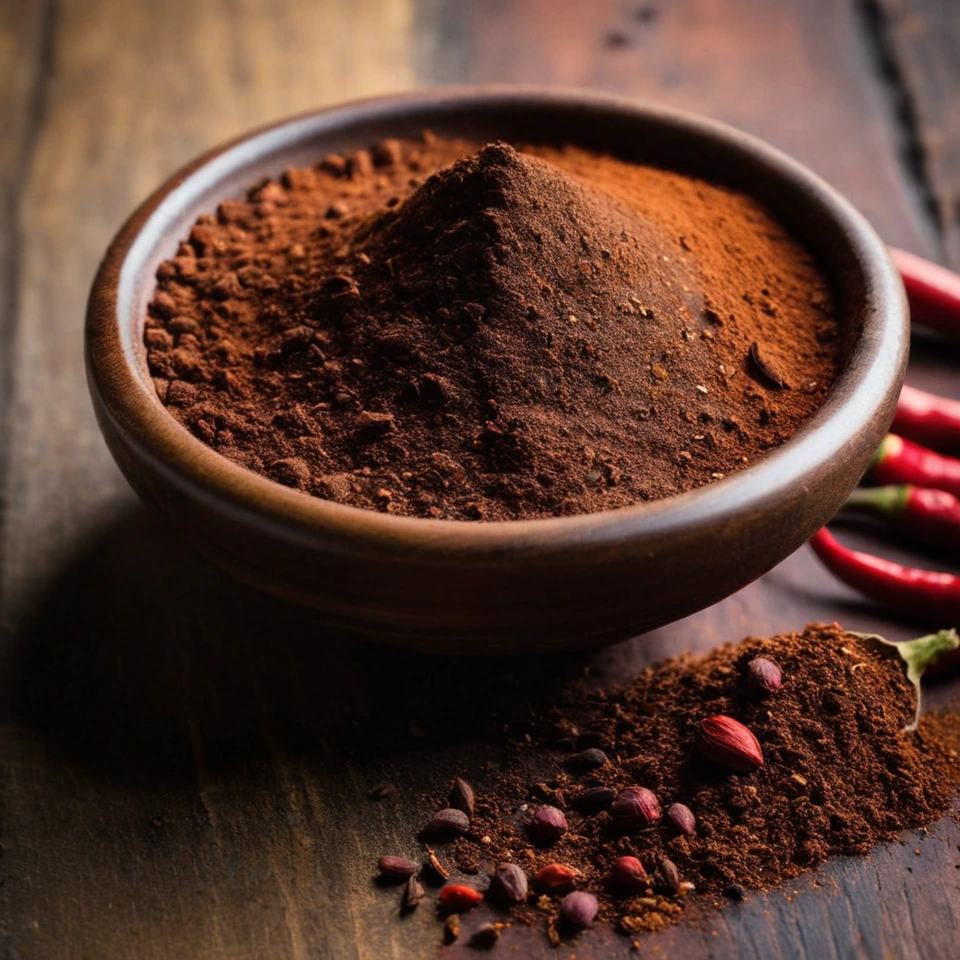
Ancho Chili Powder
Ancho chili powder offers a deep, smoky sweetness with hints of dried fruit and cocoa, reminiscent of its origin as dried poblano peppers from Mexico. Its aroma is warm and inviting, with a mild heat that lingers gently. The texture is fine and velvety, making it easy to incorporate into a variety of dishes. This powder is prized for its ability to add complexity without overwhelming spice, ideal for enriching both traditional Mexican moles and contemporary global cuisines.
Recipes to try
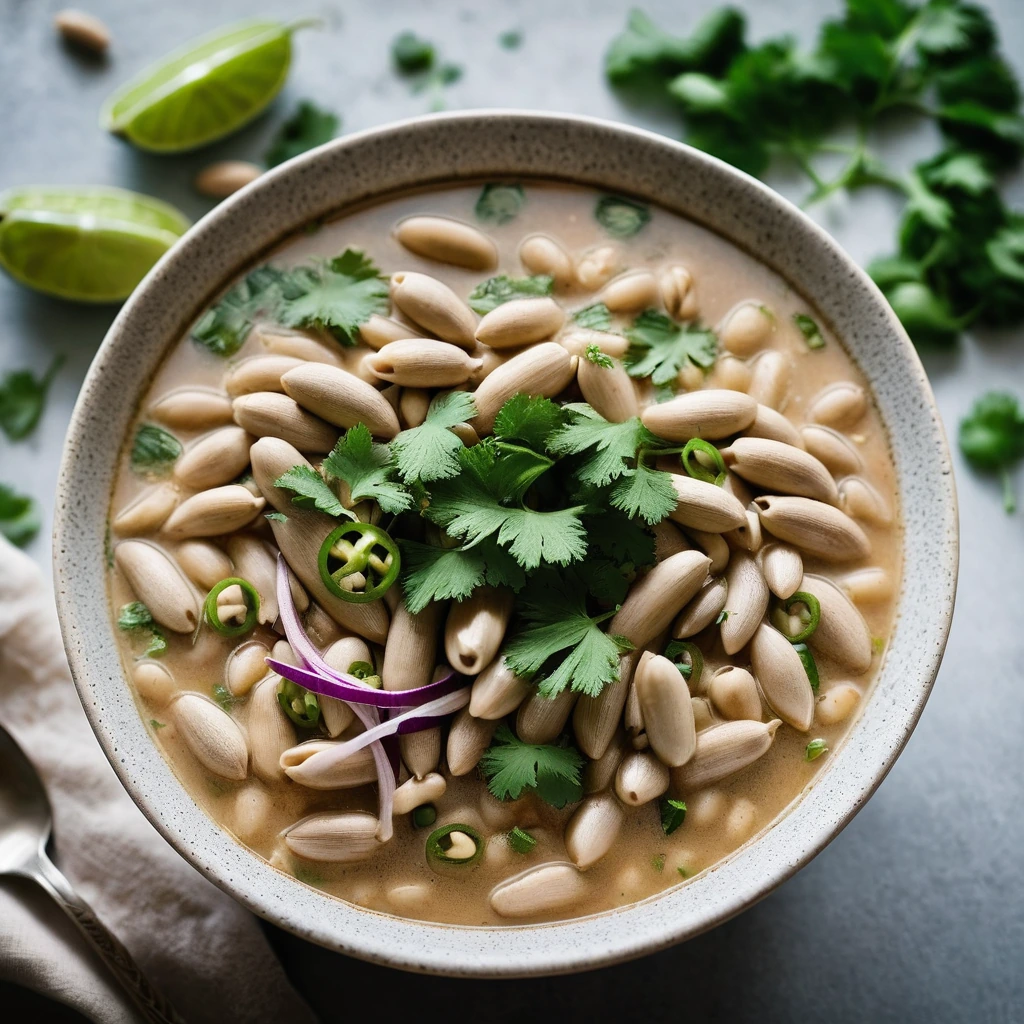
White Bean Chicken Chili with Green Chiles
A hearty, creamy chili brimming with tender chicken, buttery white beans, and a kick of smoky green chiles.
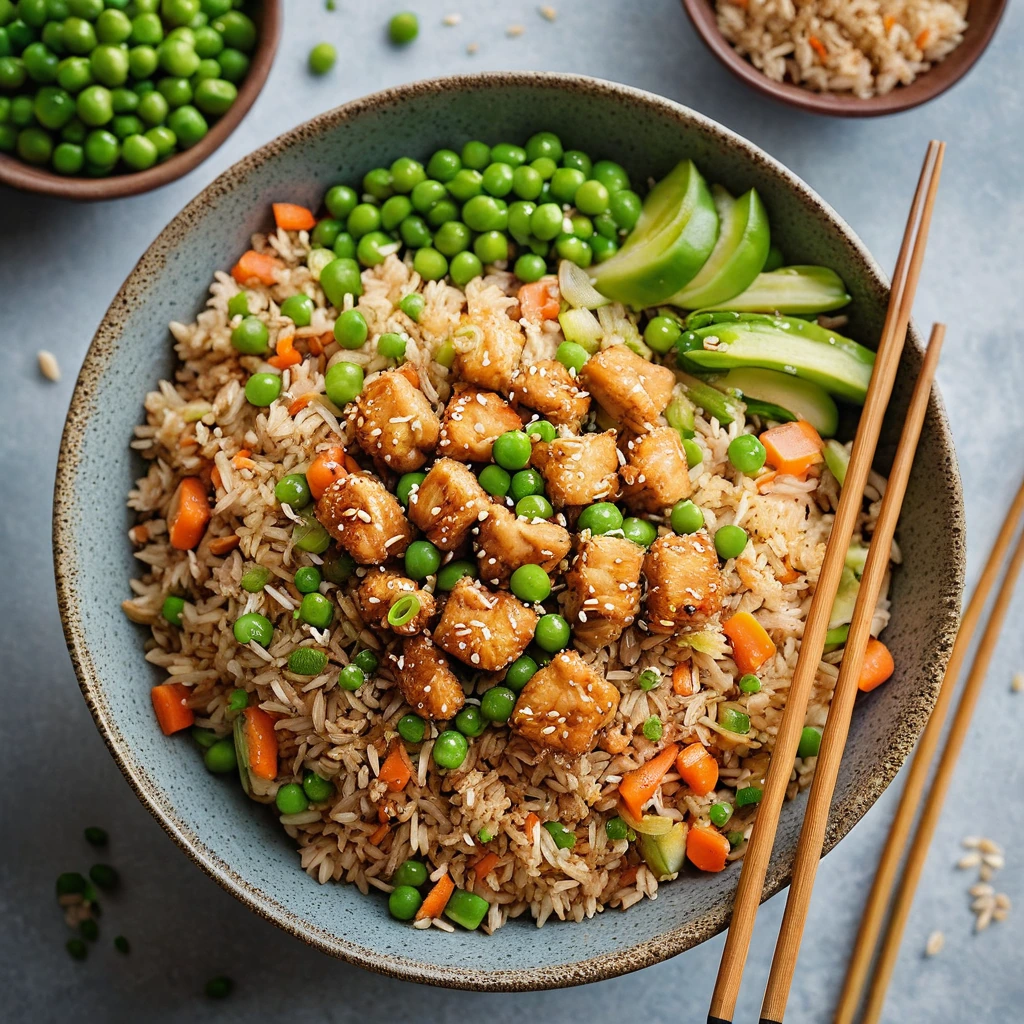
Sesame Chicken Fried Rice with Veggies
Savory fried rice packed with tender chicken, colorful veggies, and toasted sesame seeds for an irresistible nutty crunch.