Plating: Stacking and Layering Components
Plating is an art form that transforms a meal into a visual masterpiece. Stacking and layering components is a technique that not only enhances the aesthetic appeal of a dish but also influences the way flavors and textures interact with each other. This method requires precision and creativity to balance colors, shapes, and sizes, ensuring each component is showcased effectively. The goal is to create a cohesive presentation that entices the diner before they even take a bite. When stacking, consider the stability of each layer to prevent toppling, while layering allows for a gradual reveal of textures and colors. Understanding the principles of balance and contrast will elevate your plating game, making your dishes Instagram-worthy and restaurant-quality. Start by envisioning the dish from a bird's eye view, considering how each element will contribute to the overall composition. Pay attention to the height of your stacks to maintain elegance without overwhelming the plate. Finally, remember that plating is not just about visual appeal; it should also reflect the essence and intention of your culinary creation.
Notes
The science behind stacking and layering lies in creating a visual hierarchy that guides the diner's eye and palate. Different textures and colors stimulate appetite and enhance the dining experience. A common mistake is overloading the plate, which can make a dish appear messy. To avoid this, use negative space effectively to highlight key components. Ensure each layer is securely placed to prevent collapse, especially when transporting the dish. For make-ahead meals, consider assembling components separately and stacking just before serving to maintain freshness and structure. Store layered components in airtight containers to preserve quality.
Steps
- 1 Select components of varying textures, colors, and sizes.
- 2 Begin with the largest or most visually striking component as the base.
- 3 Arrange secondary components around or on top of the base.
- 4 Ensure each layer is stable and balanced to prevent tipping.
- 5 Use sauces or garnishes to fill gaps and add visual interest.
- 6 Alternate colors and textures to create a dynamic visual effect.
- 7 Consider the height of your stack to maintain a refined appearance.
- 8 Add delicate garnishes last to preserve their integrity.
- 9 Step back and assess the composition from different angles.
- 10 Make adjustments for symmetry and balance.
- 11 Ensure the arrangement reflects the dish’s flavor profile.
Ingredients to explore
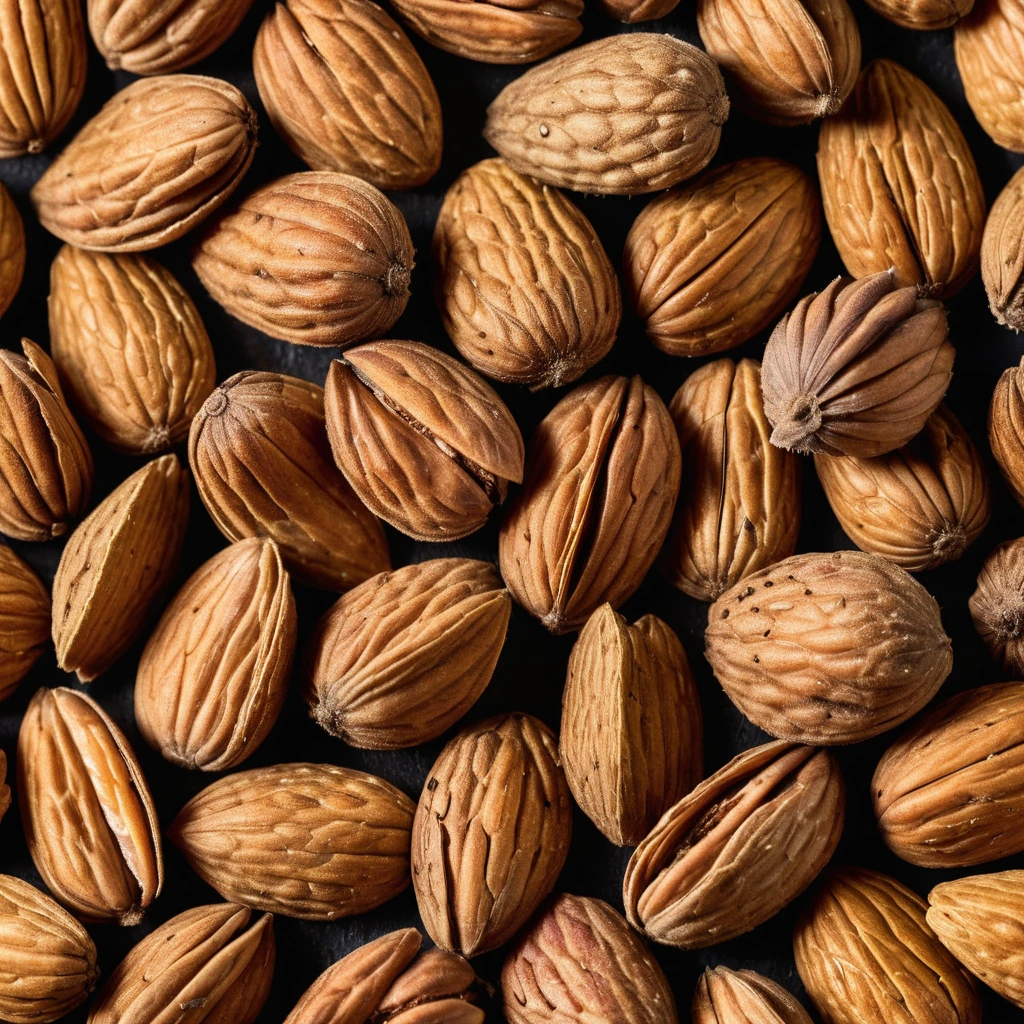
Almonds
With their golden-brown hue and delicate, edible skin, almonds are a crunchy delight. These versatile nuts boast a rich, buttery flavor that adds depth to both sweet and savory dishes.
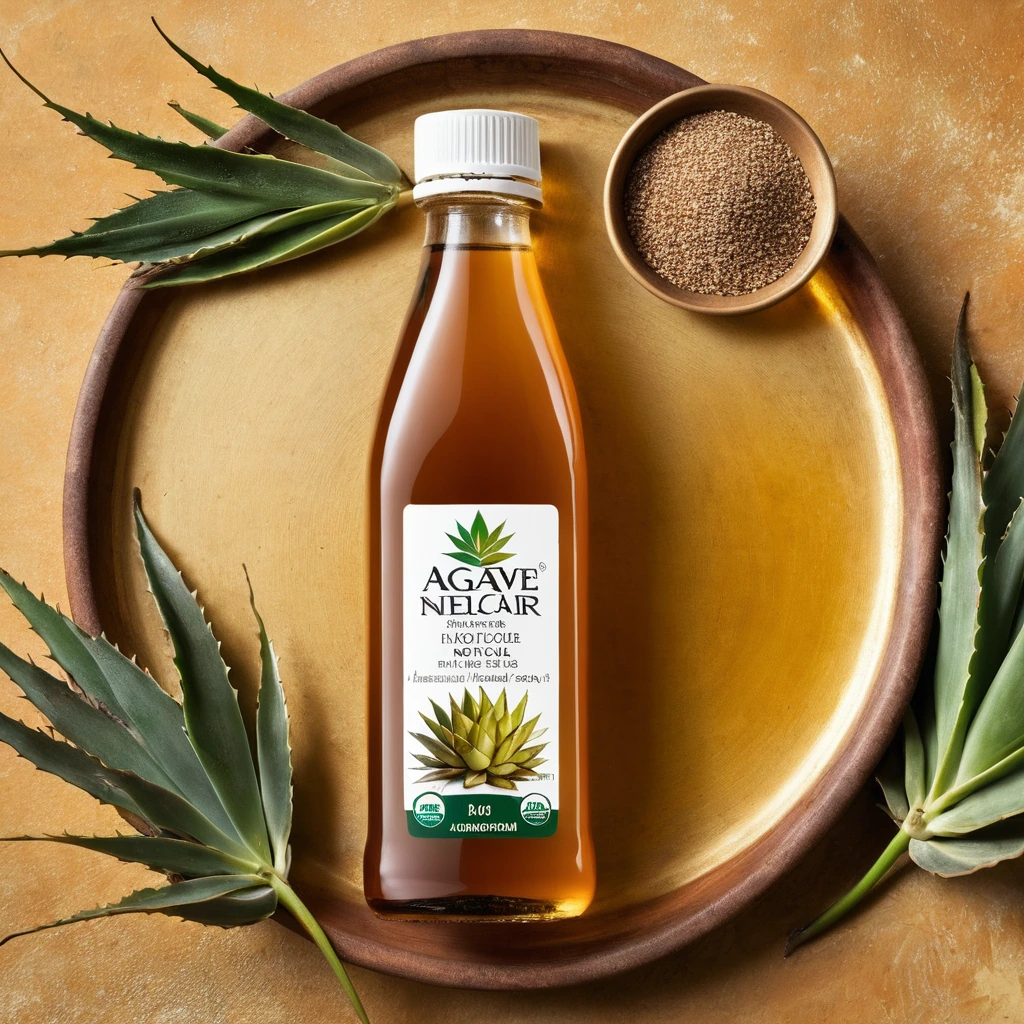
Agave Nectar
A golden, velvety sweetener derived from the agave plant, offering a subtly sweet flavor with a smooth, syrup-like texture.
Recipes to try
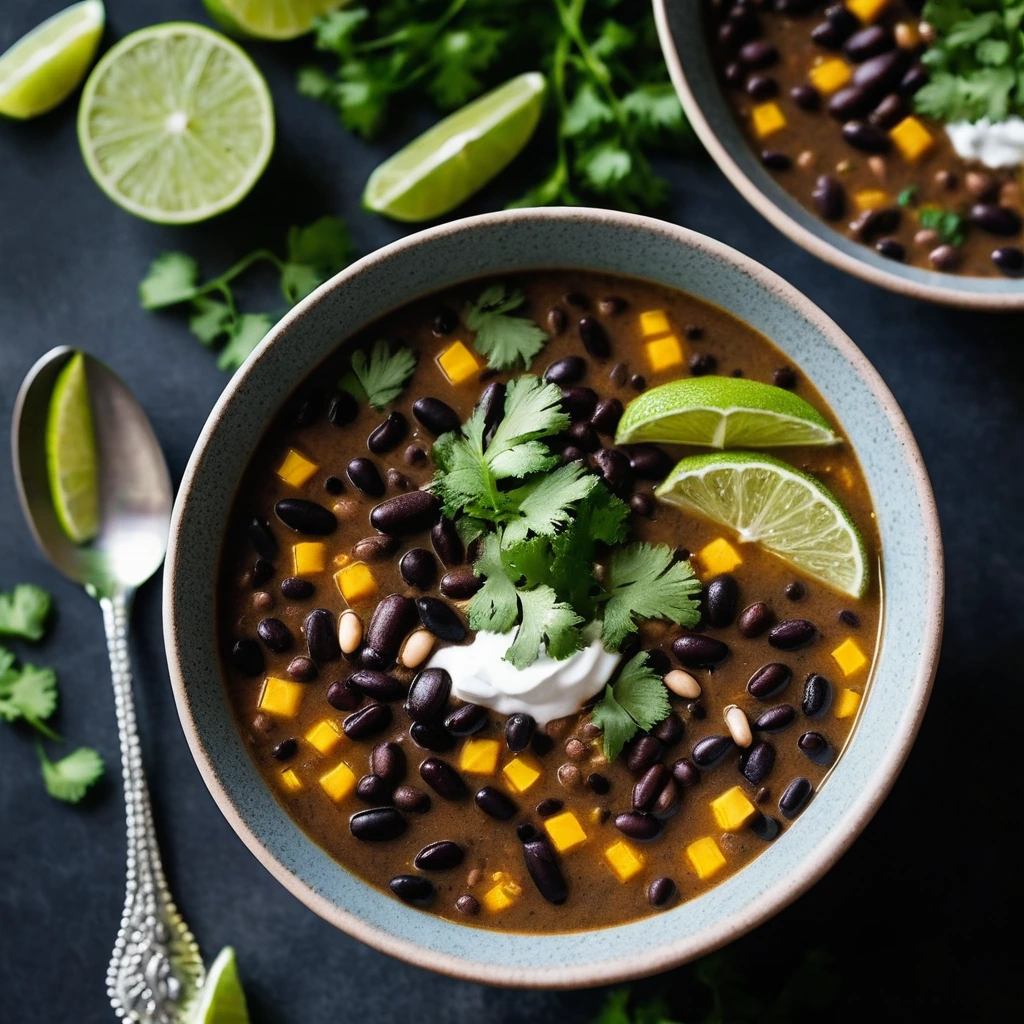
Smoky Black Bean and Corn Soup with Lime
This soup is a tangy, smoky hug in a bowl, with the fresh zing of lime cutting through rich black beans and sweet corn.
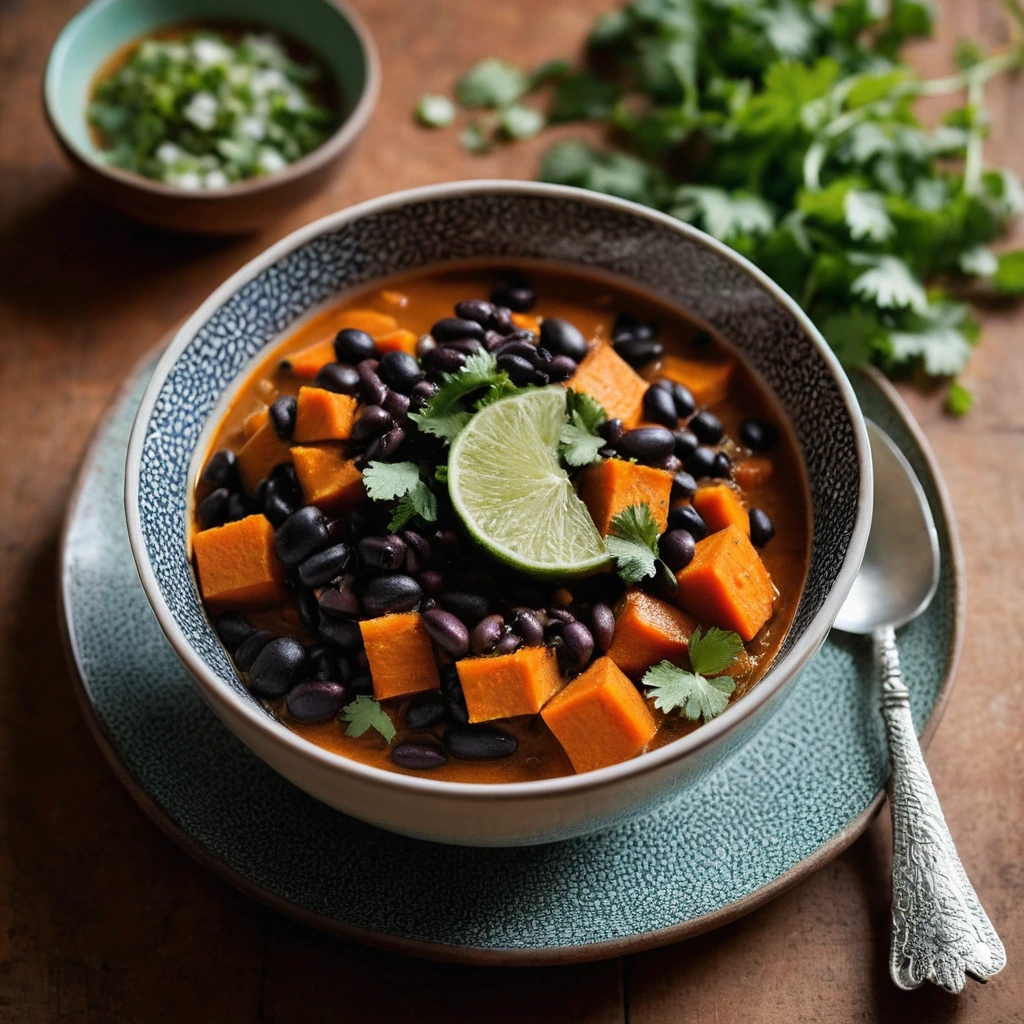
Smoky Sweet Potato and Black Bean Stew
Hearty and deeply flavorful, this stew is a comforting hug in a bowl with smoky spices and tender sweet potatoes.