Plating: Portioning Protein and Sides Evenly
Plating is both an art and a science, requiring precision and creativity to present food in a visually appealing and balanced manner. When portioning protein and sides evenly, you're not just ensuring each guest gets a fair share; you're also enhancing the dining experience. Start with understanding the importance of balance: a well-plated dish should have a harmony of colors, textures, and flavors. This technique focuses on consistency, making sure every portion looks like it belongs on a chef's menu. Begin with selecting the right plate size to frame your dish. A standard dinner plate is 10-12 inches in diameter, offering ample space for a protein and accompanying sides. Next, consider the protein: whether it's a succulent steak, a flaky piece of fish, or a juicy chicken breast, portion control is key. A typical serving is about 3-6 ounces, depending on the appetite of your guests. Use a kitchen scale for accuracy. For sides, aim for balance in volume and color. A cup of vegetables, half a cup of starch like rice or potatoes, and a small garnish can complete the plate beautifully. Remember, the eye eats first, so arrange components thoughtfully. Use tools like rings or molds for shaping sides, and always consider the natural shapes and colors of your ingredients. Finally, embrace negative space; it's not just about filling the plate but creating a composition that invites the diner to dig in.
Notes
The science behind even portioning lies in creating a balanced meal that is both satisfying and visually appealing. Using a scale ensures consistency, which is especially important in professional settings. Common mistakes include overcrowding the plate or making portions too uniform, which can appear monotonous. To troubleshoot, practice with different arrangements until you find a balance that pleases the eye. For safety, ensure proteins are properly handled and stored. Make-ahead tip: pre-portion proteins and sides separately, then assemble just before serving for the best presentation. Store leftovers promptly in airtight containers to maintain freshness.
Steps
- 1 Select a plate size appropriate for your dish.
- 2 Weigh your protein to ensure a 3-6 ounce portion per serving.
- 3 Place the protein in the center or on one side of the plate.
- 4 Measure out 1 cup of vegetables for each side dish.
- 5 Portion out ½ cup of starch like rice or potatoes.
- 6 Arrange the sides around the protein, balancing colors and textures.
- 7 Use a ring mold to shape starches for a professional look.
- 8 Add a garnish like fresh herbs or a drizzle of sauce for visual appeal.
- 9 Consider negative space to avoid overcrowding the plate.
- 10 Adjust portions based on visual balance and plate size.
Ingredients to explore
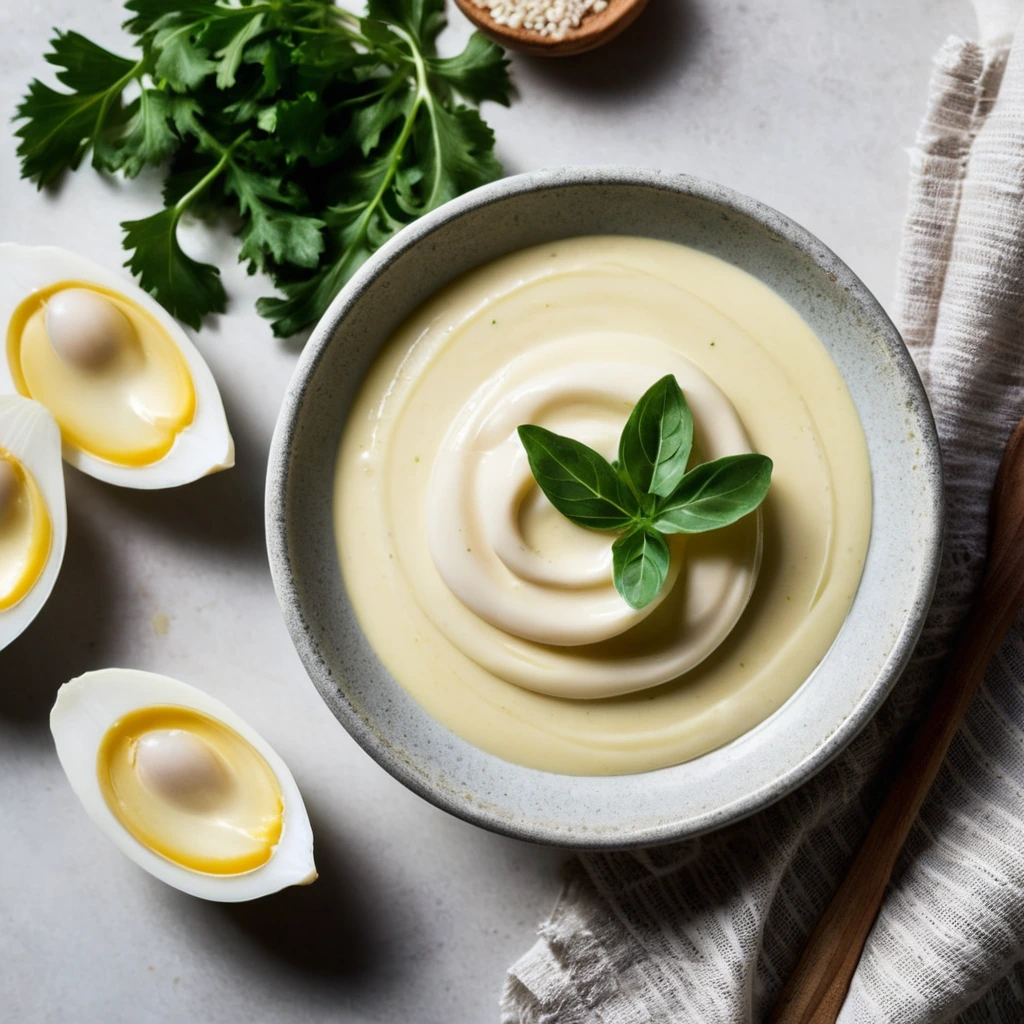
Aioli
A luscious, velvety emulsion of garlic and olive oil, aioli is a rich and aromatic sauce that dances on the palate with its creamy texture and bold, pungent flavor.
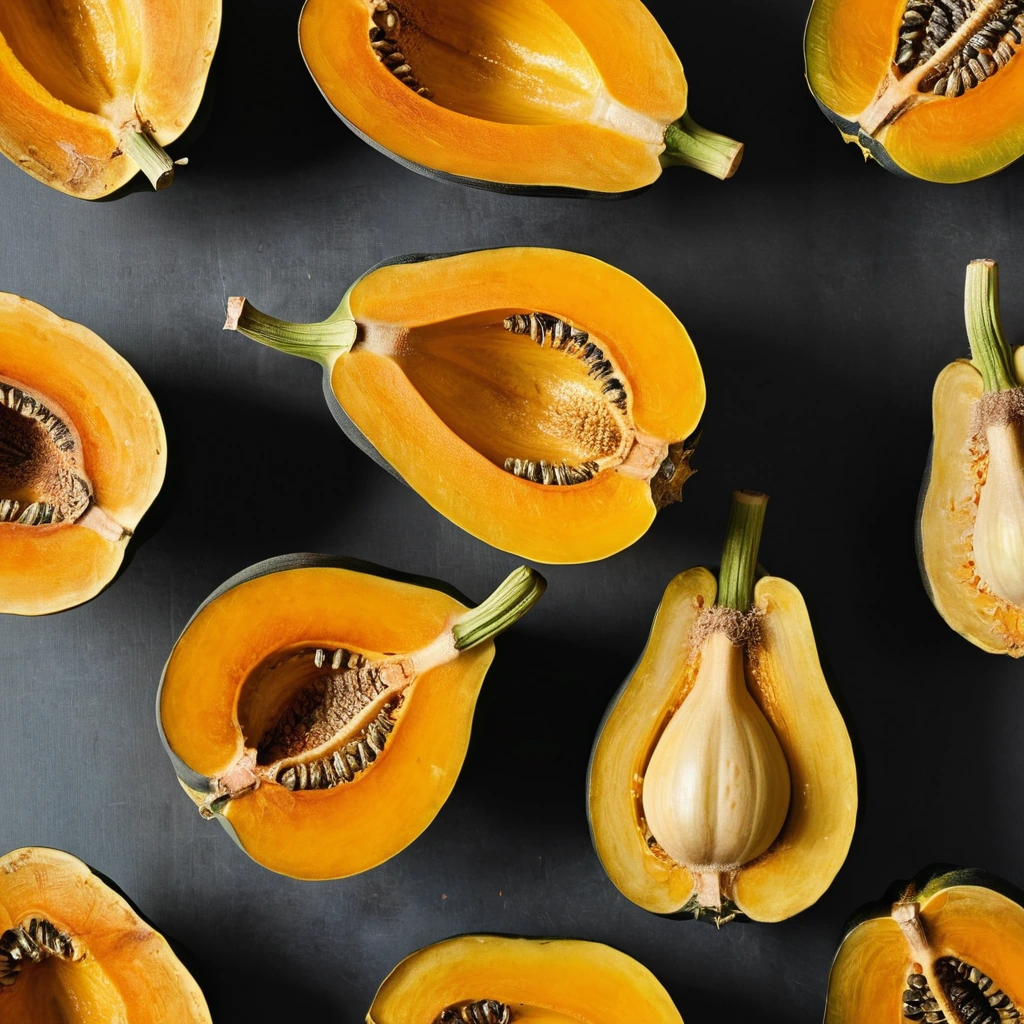
Acorn Squash
Acorn squash is a winter squash variety known for its distinctive teardrop shape and deep ridges resembling the texture of an acorn shell. Originating in the Americas, it has been cultivated for centuries and is a staple in autumn cuisine. The flesh is sweet and nutty with a hint of earthiness, offering a delightful contrast to savory dishes. Its texture is dense yet tender when cooked, making it ideal for roasting or pureeing. In cooking, acorn squash holds its shape well and absorbs flavors from herbs and spices, enhancing both its taste and versatility in recipes.
Recipes to try
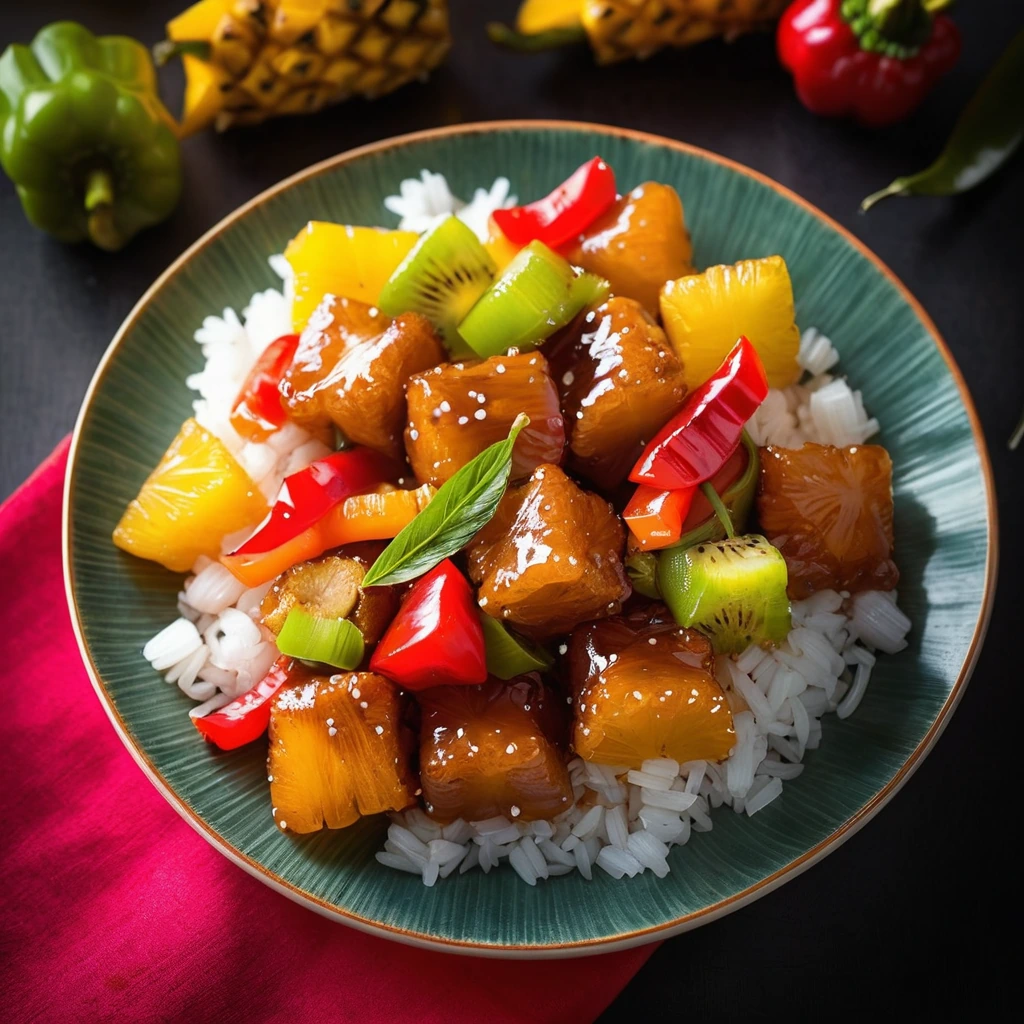
Sweet and Sour Pork with Pineapple and Peppers
Tangy, sweet, and a touch sour, this pork dish is a carnival of flavors with juicy pineapple chunks and crisp bell peppers.
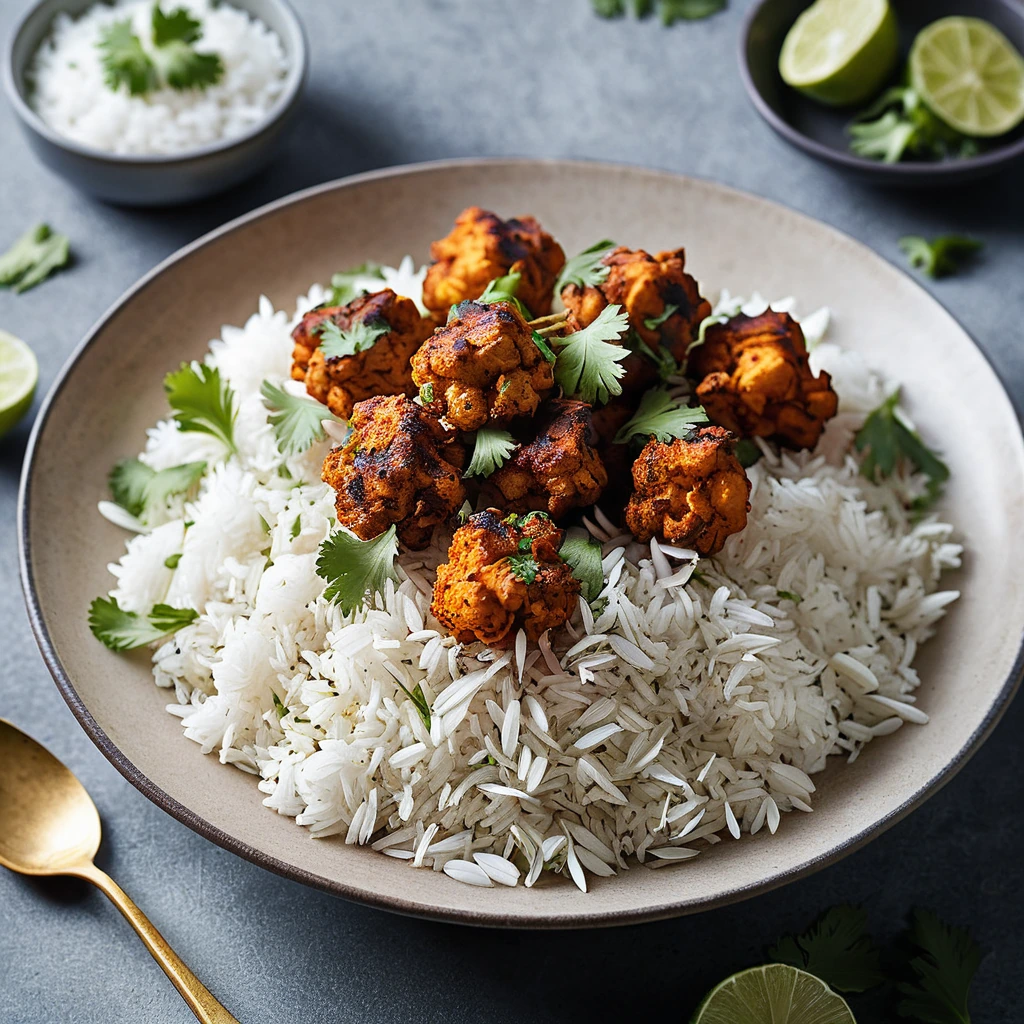
Roasted Cauliflower Tikka with Basmati Rice
Golden roasted cauliflower bites with a smoky, spicy kick served alongside fragrant basmati rice.