Plating: Drizzling Sauces with Control
Plating is an art form, and drizzling sauces with control is a technique that can elevate your dishes from homemade to haute cuisine. Achieving a graceful drizzle is more than just pouring a sauce over food; it's about precision, balance, and presentation. The key to a successful drizzle lies in understanding the sauce's viscosity, surface tension, and your own hand movements. A perfectly drizzled sauce can add a pop of color, a hint of shine, or an intriguing pattern to your plate, enhancing the visual appeal of your culinary creation. Whether you're working with a rich balsamic reduction, a delicate hollandaise, or a vibrant chimichurri, mastering the drizzle will transform your plating game. Here, we dive into the intricacies of this technique, offering tips and insights to help you achieve professional-looking results at home. First, consider the consistency of your sauce: it should be pourable yet not too thin, as a sauce that is too runny will spread rather than drizzle. Adjust the viscosity by reducing it on the stovetop or whisking in a bit of water or oil if it's too thick. Surface tension also plays a crucial role; sauces with higher surface tension will form tighter, more defined lines. Finally, your hand movements must be steady and controlled, with the bottle or squeeze bottle held at just the right angle and distance from the plate.
Notes
The science behind drizzling lies in fluid dynamics: viscosity and surface tension dictate how the sauce behaves when it leaves the container. Common mistakes include using a sauce that's too thick or too thin, holding the container too close or too far from the plate, and applying inconsistent pressure. To troubleshoot, adjust the sauce's consistency and practice your hand movements. For safety, avoid using hot sauces that could cause burns when drizzling. As for make-ahead, sauces can often be prepared in advance and stored in the refrigerator. Bring them to room temperature before drizzling to ensure proper flow. Store leftovers in airtight containers for up to a week.
Steps
- 1 Choose a sauce with the right viscosity for drizzling.
- 2 Test the sauce consistency; adjust by reducing or thinning if necessary.
- 3 Select a squeeze bottle or a small pitcher with a spout for control.
- 4 Hold the container about 8 to 12 inches above the plate.
- 5 Position the container perpendicular to the plate for straight lines.
- 6 Apply gentle, even pressure to create a consistent flow.
- 7 Move your hand in a steady motion to create your desired pattern.
- 8 Experiment with angles and heights for varied effects.
- 9 Practice on a separate plate before applying to your final dish.
- 10 Clean your drizzling tool immediately after use to prevent staining.
- 11 Consider contrasting colors for visual impact.
- 12 Balance the sauce drizzle with other elements on the plate.
- 13 Ensure the drizzle complements rather than overwhelms the dish.
Ingredients to explore
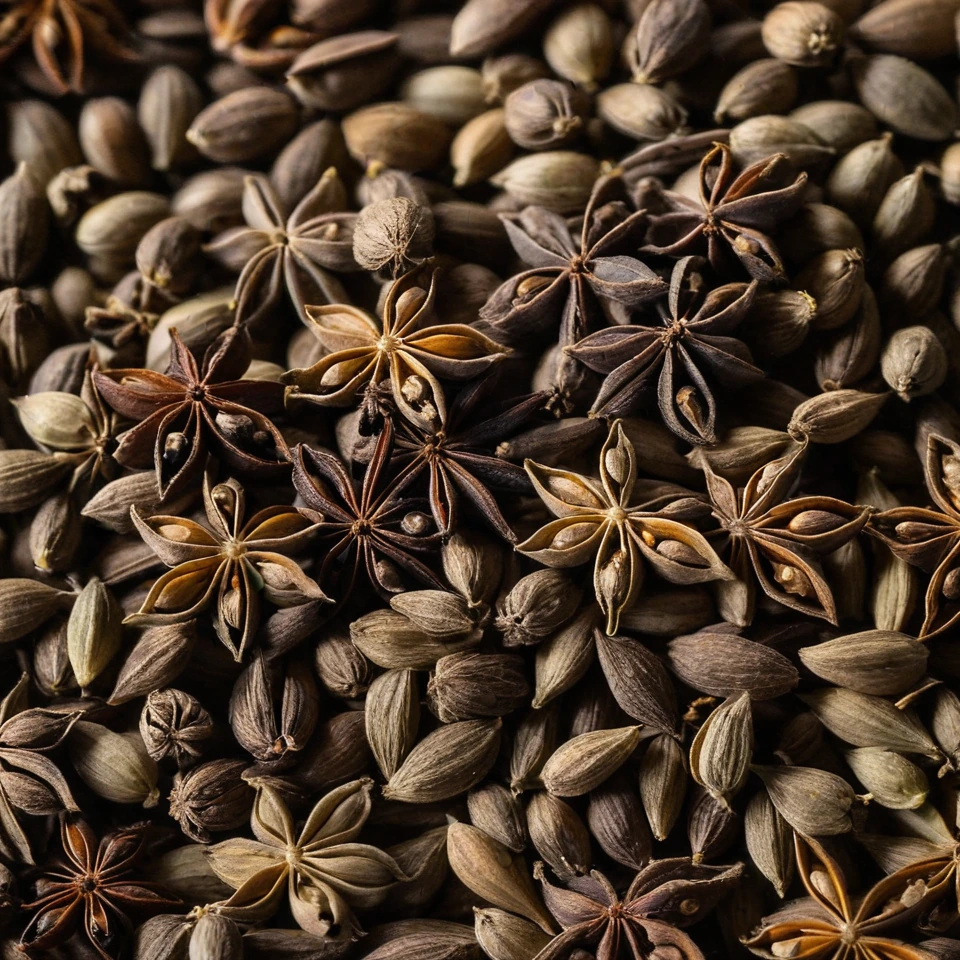
Anise Seeds
Anise seeds are small, oval seeds with a sweet, licorice-like flavor. They are commonly used in both sweet and savory dishes, offering a warm, aromatic taste.
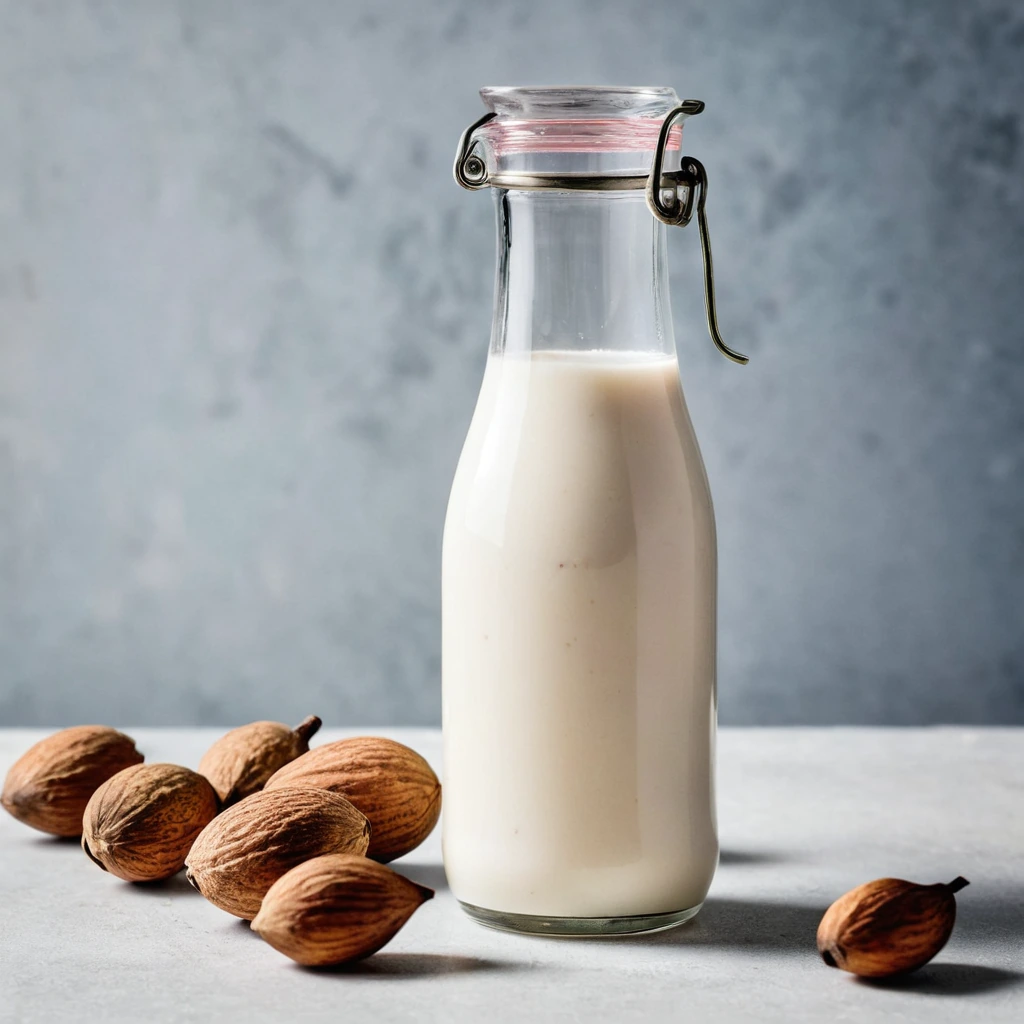
Almond Milk
Almond milk is a plant-based milk alternative made from ground almonds and water. Originating from traditional recipes in medieval Europe and the Middle East, it has gained widespread popularity in modern times as a dairy-free option. Almond milk has a subtly nutty flavor with a mild sweetness, and its aroma is reminiscent of fresh almonds. Its texture is smooth and creamy, though typically lighter than dairy milk. In cooking, almond milk behaves well in both savory and sweet applications, though it does not brown or caramelize like dairy milk. It is often used in cereals, smoothies, and baking, where its delicate flavor complements rather than overpowers other ingredients.
Recipes to try
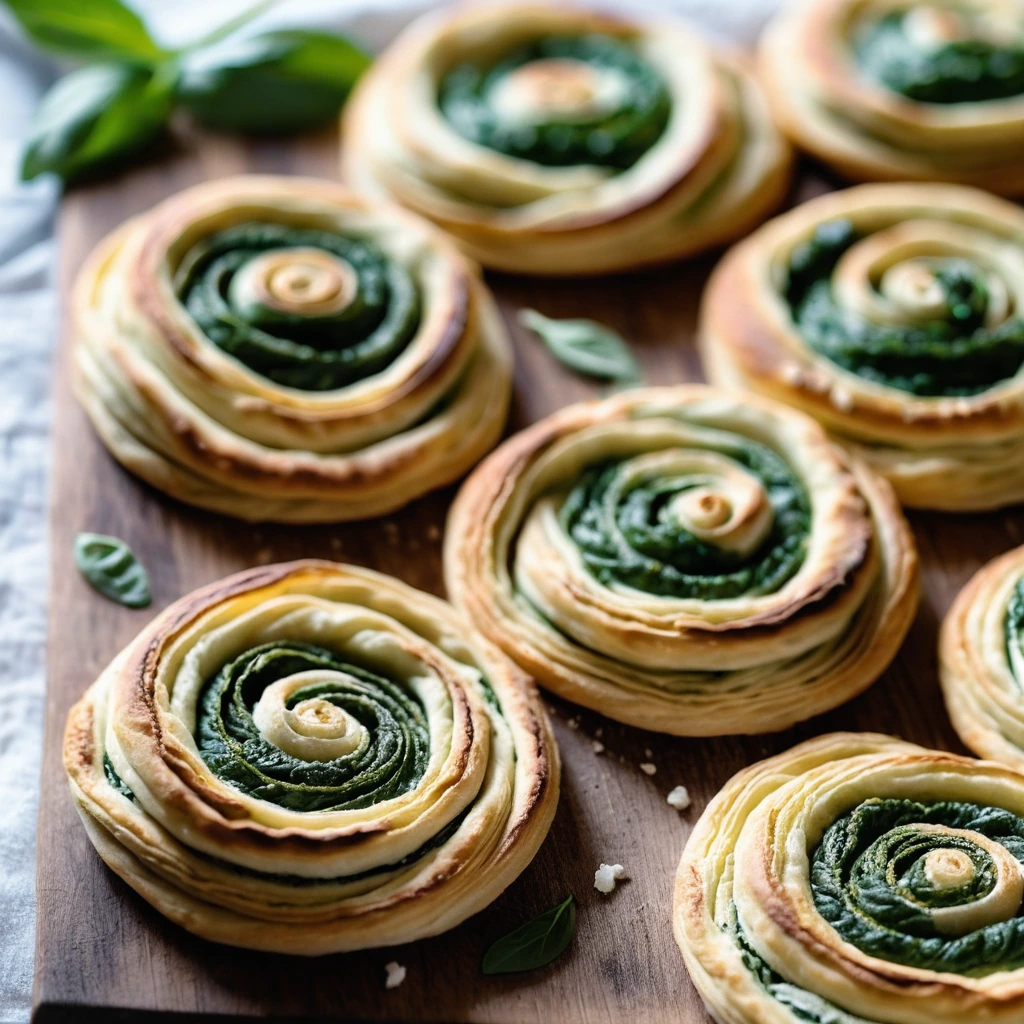
Spinach and Feta Puff Pastry Swirls
Golden, flaky layers of puff pastry embrace a savory mix of spinach and tangy feta in these irresistible swirls.
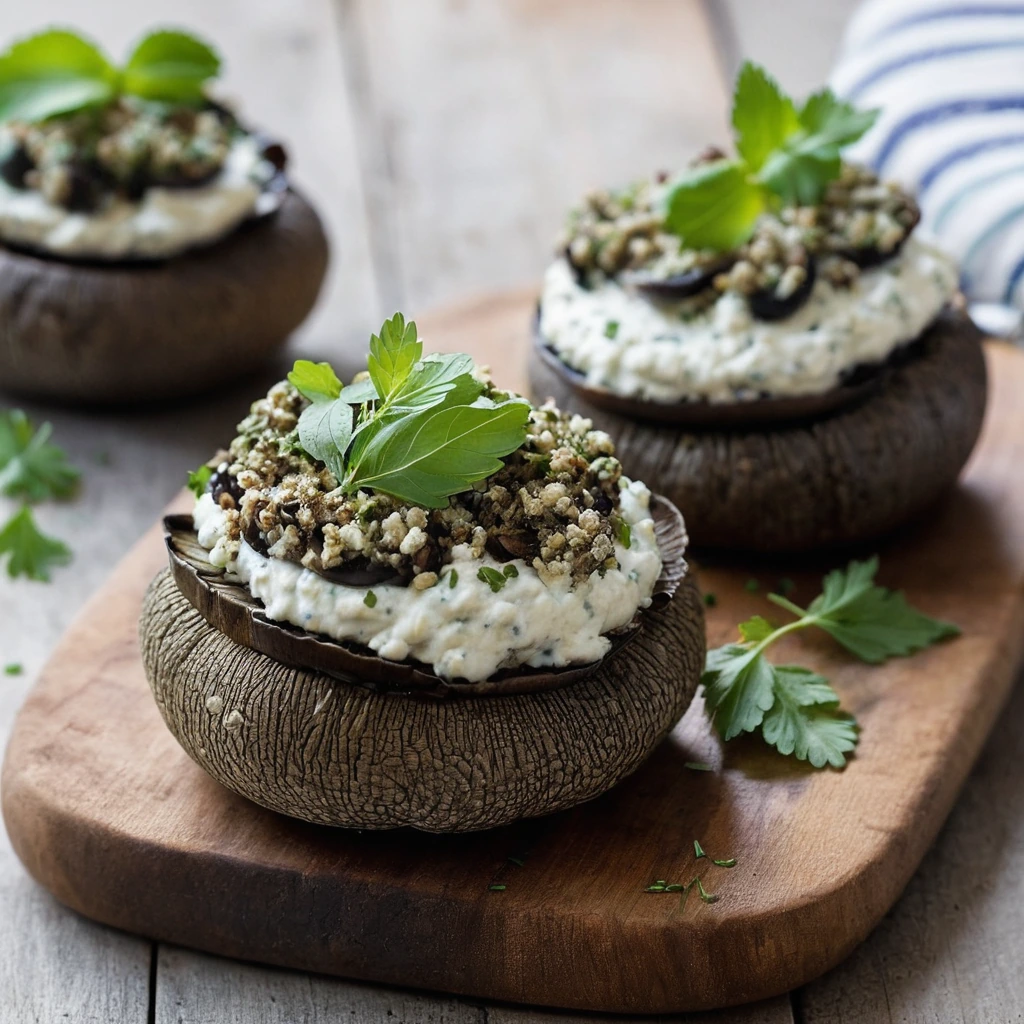
Stuffed Portobello Mushrooms with Herbed Ricotta
These earthy portobello mushrooms are stuffed with a creamy, herbed ricotta mixture, offering a satisfying vegetarian delight that's both elegant and easy.