Pasta: Hand-Cutting Tagliatelle and Pappardelle
Creating homemade pasta is a rewarding culinary adventure, and hand-cutting tagliatelle and pappardelle is a fundamental skill that brings you closer to pasta perfection. Tagliatelle, with its ribbons of pasta about 1/4 inch wide, and pappardelle, broader at nearly 1 inch, both offer a rustic charm and a satisfying chew. To start, you'll need a good pasta dough made from just flour and eggs, though you can tweak it with a splash of water or olive oil if needed. The key to successful hand-cutting is patience and a sharp knife. The dough should be rested to relax the gluten, making it easier to roll out into thin sheets. Once rolled, you'll fold the sheets accordion-style to cut multiple strands at once. This technique not only saves time but also ensures even widths for perfectly uniform pasta. Achieving the right thickness is crucial; too thick and it'll be doughy, too thin and it might tear. Remember, homemade pasta cooks much faster than store-bought, so keep an eye on it once it hits the boiling water. Hand-cutting pasta is not just about technique—it's an art that connects you to generations of cooks who've relished in the simple act of creating sustenance from basic ingredients.
Notes
The science behind resting pasta dough is simple: it allows the gluten to relax, making the dough easier to roll out without shrinking back. A common mistake is rolling the dough too thin too quickly, leading to tears; gradual rolling helps prevent this. Keep your work surface and hands lightly floured to avoid sticking. For safety, always handle sharp knives carefully. This pasta can be made ahead up to the cutting stage; store under a clean kitchen towel and cook within a day. Leftovers can be stored in the fridge for up to 2 days, though fresh pasta is best enjoyed immediately.
Steps
- 1 Prepare pasta dough using 2 cups flour and 2 large eggs; knead until smooth.
- 2 Wrap the dough in plastic and let it rest at room temperature for 30 minutes.
- 3 Divide the dough into four equal portions and flatten each into a disc.
- 4 Using a rolling pin, roll each disc into a thin sheet, aiming for 1/16-inch thickness.
- 5 Lightly dust sheets with flour to prevent sticking.
- 6 For tagliatelle, fold the sheet into loose accordions and cut into 1/4-inch strips.
- 7 For pappardelle, repeat the folding process but cut into nearly 1-inch wide strips.
- 8 Gently unfold the cut pasta and let it rest on a floured surface or drying rack for 10-15 minutes.
- 9 Bring a large pot of salted water to a rolling boil.
- 10 Cook the pasta for 2-4 minutes, or until al dente, stirring occasionally.
- 11 Reserve a cup of pasta cooking water before draining.
- 12 Toss the pasta with your favorite sauce, adding reserved water as needed to loosen.
- 13 Serve immediately, garnished with fresh herbs or grated cheese.
Ingredients to explore
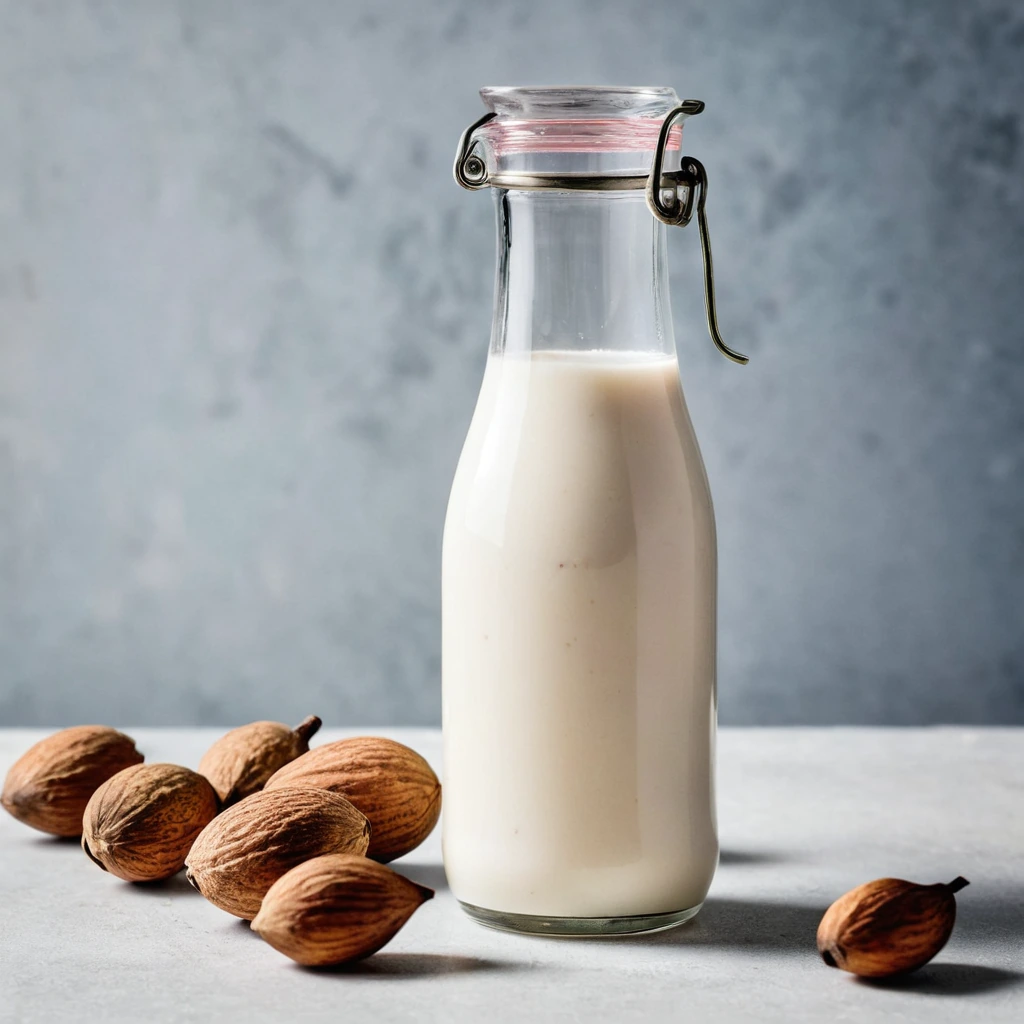
Almond Milk
Almond milk is a plant-based milk alternative made from ground almonds and water. Originating from traditional recipes in medieval Europe and the Middle East, it has gained widespread popularity in modern times as a dairy-free option. Almond milk has a subtly nutty flavor with a mild sweetness, and its aroma is reminiscent of fresh almonds. Its texture is smooth and creamy, though typically lighter than dairy milk. In cooking, almond milk behaves well in both savory and sweet applications, though it does not brown or caramelize like dairy milk. It is often used in cereals, smoothies, and baking, where its delicate flavor complements rather than overpowers other ingredients.
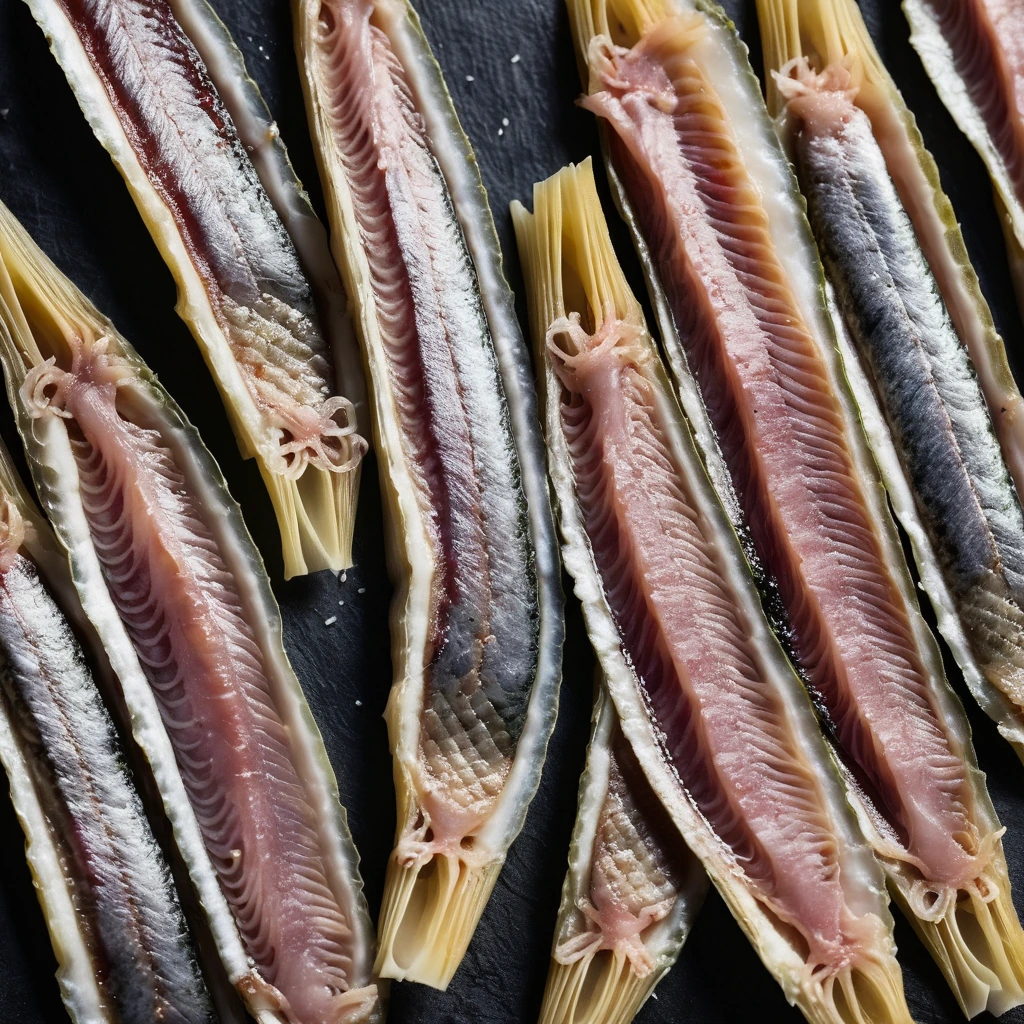
Anchovy Fillets
Silvery and succulent, anchovy fillets are a briny treasure from the sea. Their rich, umami flavor adds depth to dishes, making them a beloved ingredient in kitchens worldwide.