Pasta: Cooking and Finishing Fresh Pasta in the Sauce
Cooking fresh pasta directly in the sauce is a technique that elevates your pasta game with minimal effort. Unlike dried pasta, fresh pasta cooks much faster, making it ideal for a quick infusion of flavors directly from the sauce. This method allows the pasta to absorb the essence of the sauce, creating a harmonious dish where every bite is packed with flavor. The key to success lies in timing and attention to detail. Fresh pasta is delicate, so handling it with care is essential to prevent it from falling apart. This technique works best with robust sauces like ragù, bolognese, or a hearty tomato sauce. It's perfect for home cooks who want to streamline their pasta-making process while achieving restaurant-quality results. By cooking the pasta in the sauce, you also reduce the number of pots and pans to clean up, making it an efficient choice for busy weeknights. However, keep in mind that the pasta-to-sauce ratio is crucial; too much sauce can lead to a soggy mess, while too little might result in undercooked pasta. Understanding the balance is key to mastering this technique. Additionally, finishing the pasta in the sauce allows for a gentle cooking process, ensuring the pasta remains tender and perfectly al dente. Dive into this technique to discover the art of creating beautifully cohesive pasta dishes that will impress your family and friends.
Notes
This technique works because fresh pasta cooks quickly, usually in just a few minutes, allowing it to absorb the sauce's flavors directly. The gentle heat ensures the pasta remains tender without overcooking. A common mistake is adding too much pasta to the sauce, leading to a watery mess. Aim for a balanced pasta-to-sauce ratio, adjusting the amount of sauce as needed. For safety, always ensure your sauce reaches a simmer before adding the pasta to kill any potential bacteria. This dish is best served immediately, but if you need to store leftovers, keep the pasta and sauce separate to prevent the pasta from becoming soggy. Reheat gently with a splash of water to maintain texture.
Steps
- 1 Prepare your fresh pasta sheets or shapes and set aside.
- 2 In a large skillet or sauté pan, heat 2 tablespoons of olive oil over medium heat.
- 3 Add your sauce ingredients (e.g., onions, garlic, tomatoes, or pre-made sauce) and cook until the sauce is simmering.
- 4 Once the sauce is simmering, gently add the fresh pasta to the pan, ensuring it's submerged in the sauce.
- 5 Stir gently to separate the pasta strands and prevent sticking.
- 6 Cook the pasta for 2-4 minutes, stirring occasionally, until it reaches al dente texture.
- 7 If the sauce thickens too much, add a splash of pasta cooking water to loosen it.
- 8 Season with salt and pepper to taste, remembering the sauce is also seasoned.
- 9 Finish with fresh herbs, grated cheese, or a drizzle of olive oil if desired.
- 10 Serve immediately to enjoy the perfect blend of pasta and sauce.
Ingredients to explore
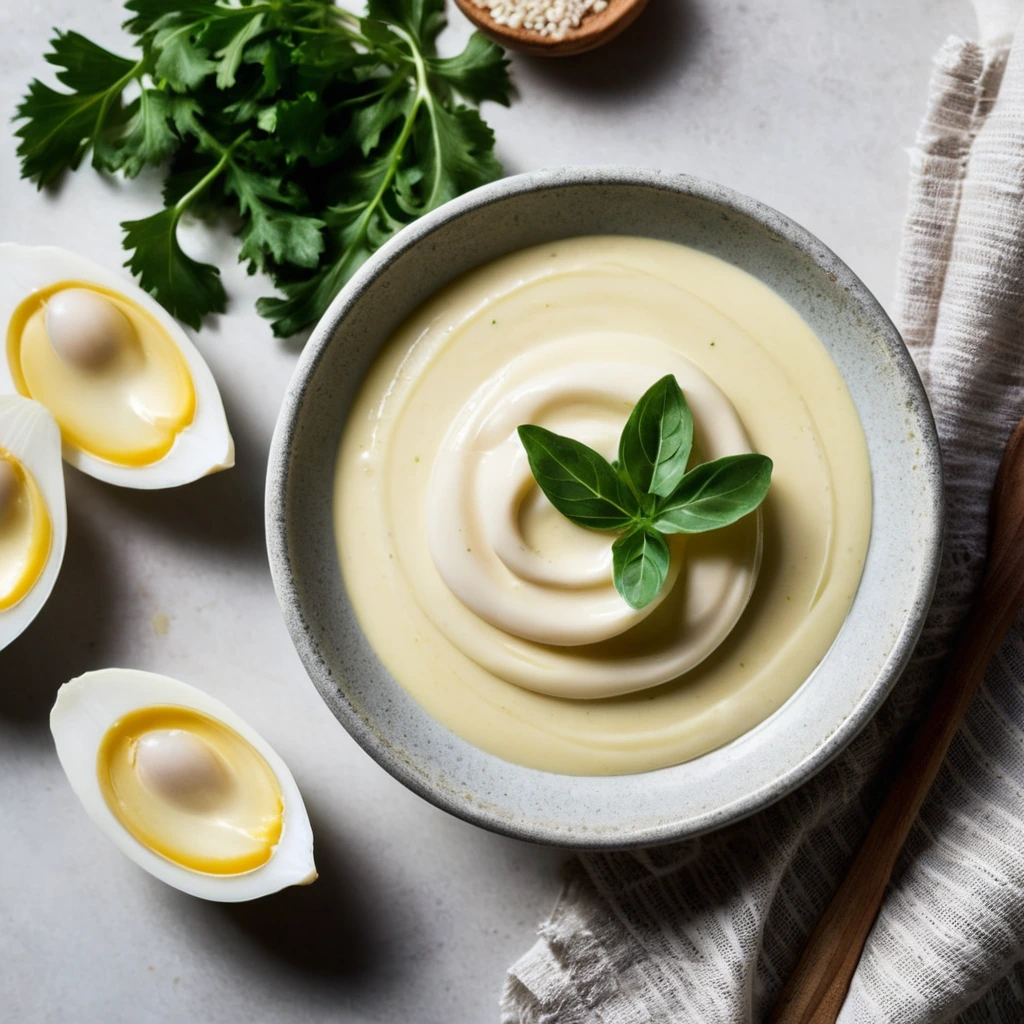
Aioli
A luscious, velvety emulsion of garlic and olive oil, aioli is a rich and aromatic sauce that dances on the palate with its creamy texture and bold, pungent flavor.
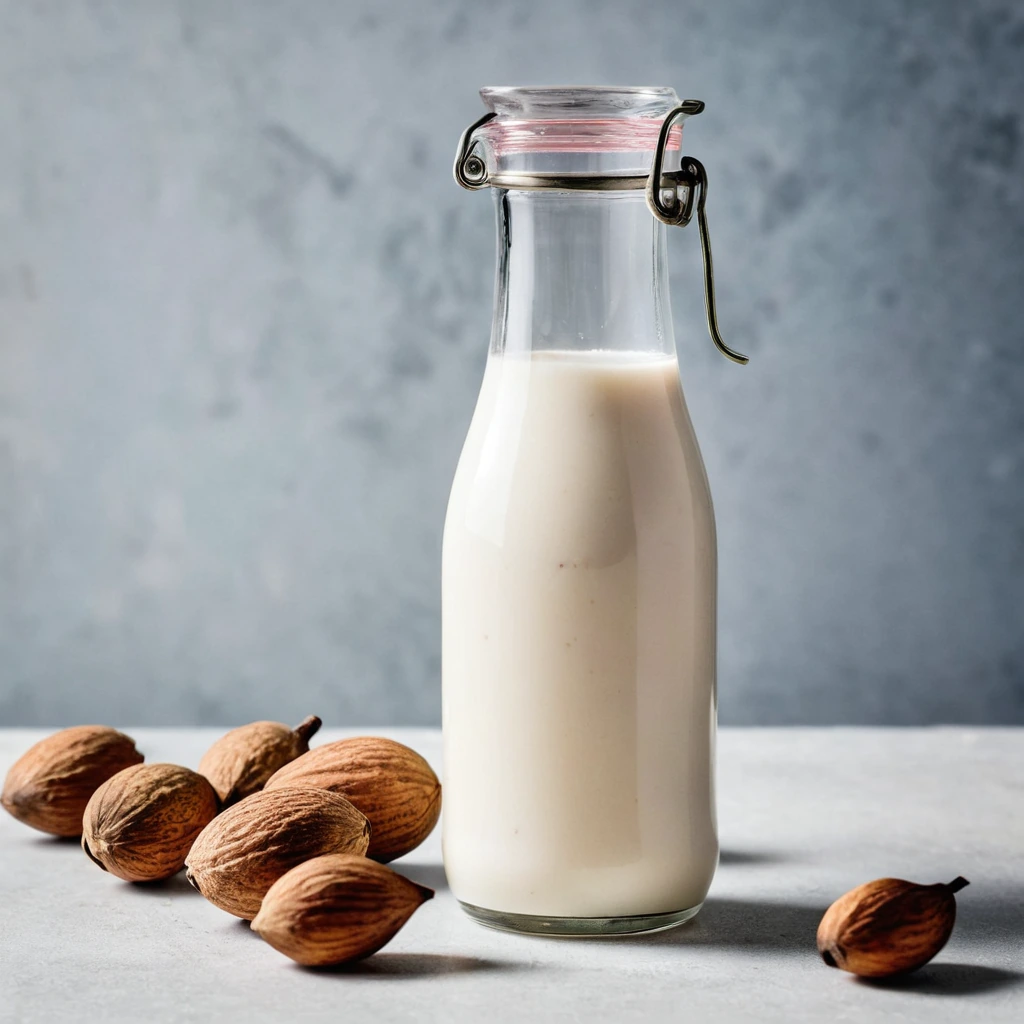
Almond Milk
Almond milk is a plant-based milk alternative made from ground almonds and water. Originating from traditional recipes in medieval Europe and the Middle East, it has gained widespread popularity in modern times as a dairy-free option. Almond milk has a subtly nutty flavor with a mild sweetness, and its aroma is reminiscent of fresh almonds. Its texture is smooth and creamy, though typically lighter than dairy milk. In cooking, almond milk behaves well in both savory and sweet applications, though it does not brown or caramelize like dairy milk. It is often used in cereals, smoothies, and baking, where its delicate flavor complements rather than overpowers other ingredients.
Recipes to try
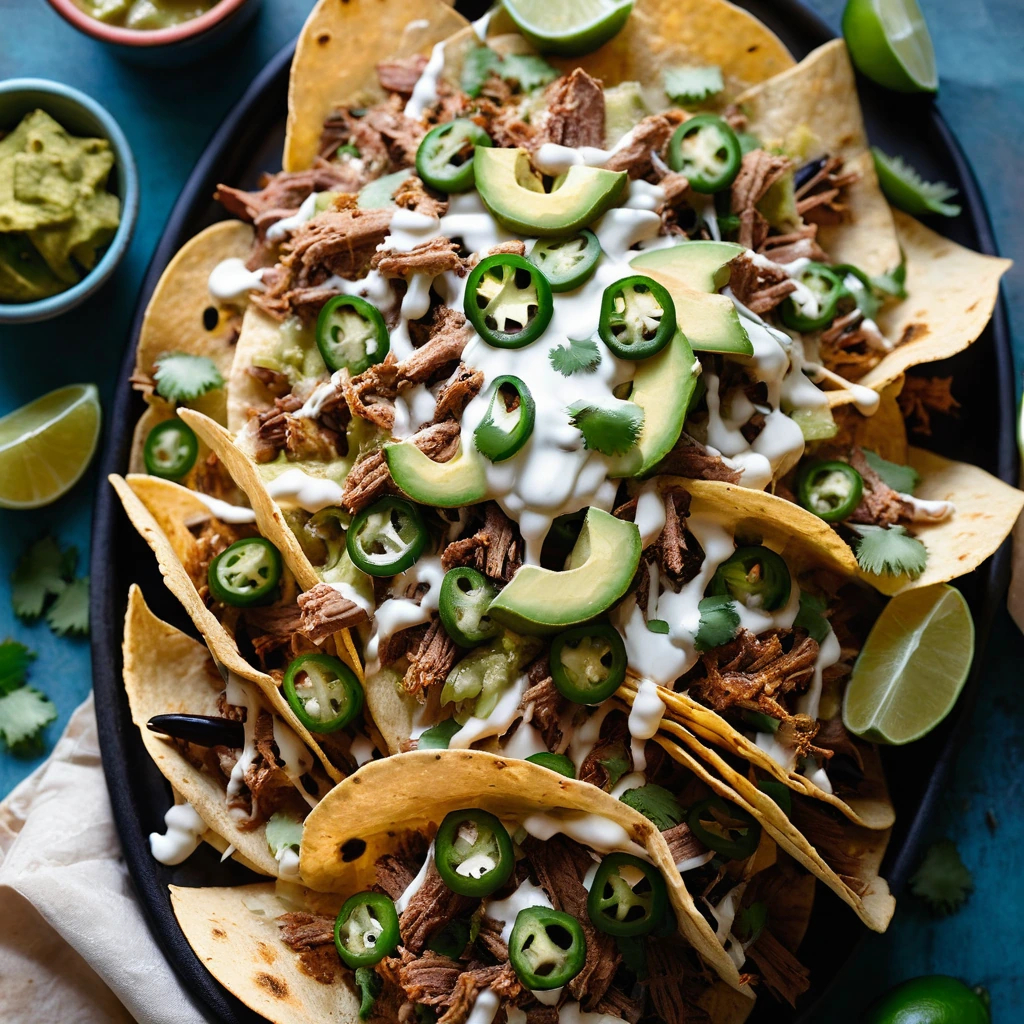
Pork Carnitas Nachos with Queso and Jalapeños
Crispy tortilla chips smothered in tender pork carnitas, melty queso, and zesty jalapeños for a fiesta in your mouth.
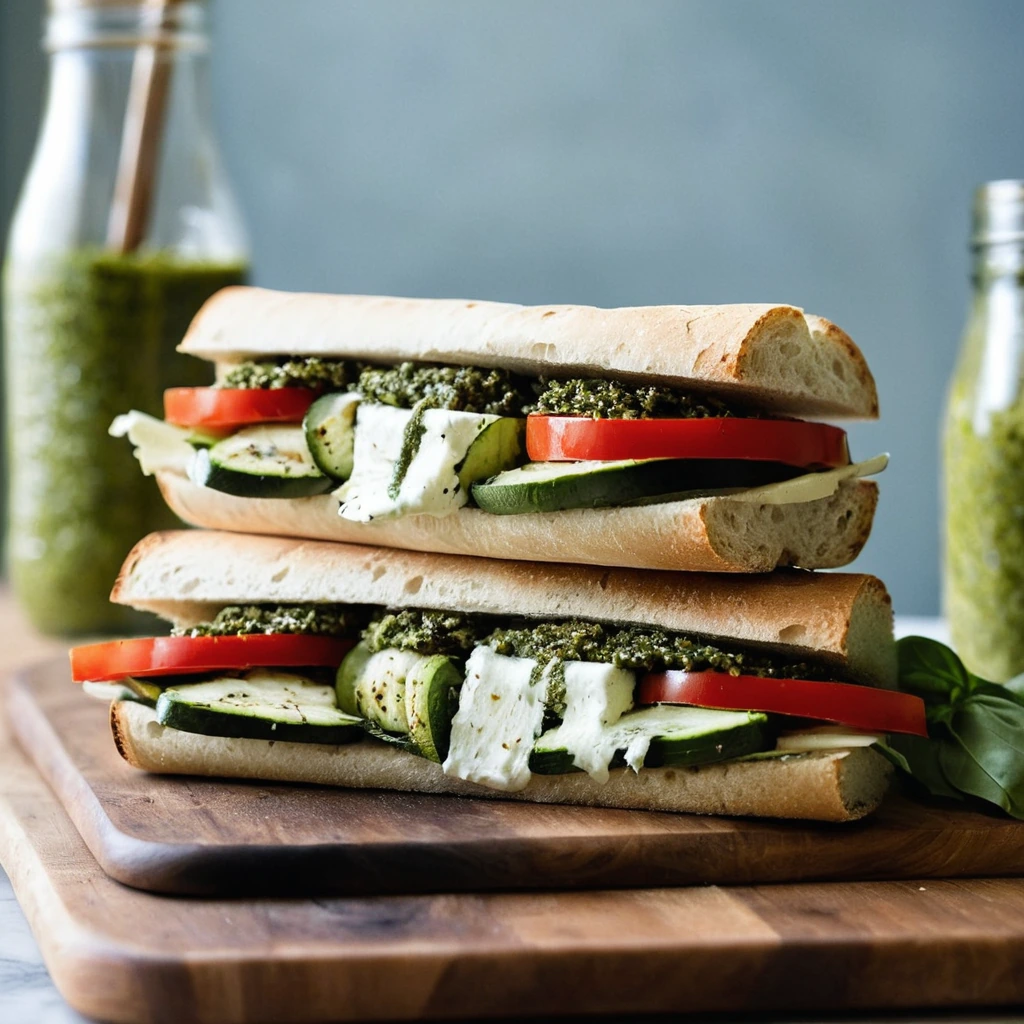
Pesto Roasted Veggie Sandwiches with Mozzarella
Warm, toasty ciabatta cradles a medley of roasted veggies, vibrant pesto, and melty mozzarella for a sandwich that's as hearty as it is fresh.