Pans: Carbon Steel Seasoning and Wok Care
Carbon steel pans and woks are kitchen workhorses, prized for their durability and heat retention. Seasoning is the process of creating a natural, non-stick surface on these pans through layers of polymerized oil. Proper seasoning not only protects the metal from rust but also enhances its cooking performance. This technique dives into the nuances of seasoning carbon steel pans and maintaining woks for long-lasting use. Start by understanding the material: carbon steel is porous and reactive, which means it needs care to prevent rust and food sticking. Cleaning is crucial; avoid soap initially, as it can strip the seasoning. Instead, use a scraper or coarse salt for stubborn residues. Drying immediately after washing is vital, as any moisture left on the surface can lead to oxidation. Seasoning involves applying a thin layer of oil, heating it to polymerization, and repeating until the pan develops a slick, dark surface. Wok care requires similar attention, with additional focus on maintaining the wok's unique shape and seasoning the interior thoroughly. Regular use and proper care will reward you with a pan that improves with age, offering superior searing, frying, and stir-frying capabilities.
Notes
The science behind seasoning lies in the polymerization of oil, which creates a durable, non-stick surface. Common mistakes include using too much oil, leading to a sticky surface, or washing with soap early on, which can strip the seasoning. Always ensure your pan is completely dry before storing to avoid rust. For make-ahead and storage, pans can be seasoned in advance and stored in a dry, cool place. If you live in a humid environment, consider storing your pan with a light coat of oil to prevent moisture buildup.
Steps
- 1 Wash your carbon steel pan or wok with warm water and a brush to remove any factory coating.
- 2 Dry the pan thoroughly with a clean towel.
- 3 Heat the pan on medium heat for 2-3 minutes to ensure it's completely dry.
- 4 Apply a thin, even layer of flaxseed or vegetable oil using a paper towel.
- 5 Place the pan in a preheated 375°F oven for one hour.
- 6 Remove the pan and let it cool completely before handling.
- 7 Repeat the oiling and oven process 2-3 more times for a robust seasoning layer.
- 8 After each use, clean the pan with a scraper or coarse salt and warm water.
- 9 Dry the pan immediately with a towel and place it on low heat for a minute or two to evaporate any moisture.
- 10 Reapply a thin layer of oil and spread it evenly with a paper towel while the pan is still warm.
- 11 Store the pan in a dry place, ideally hanging it to maintain its shape.
- 12 For woks, ensure the entire cooking surface is seasoned, including the sides.
- 13 Avoid using metal utensils that can scratch the seasoning layer.
- 14 If rust appears, gently scrub with steel wool, re-season, and maintain diligently.
Ingredients to explore
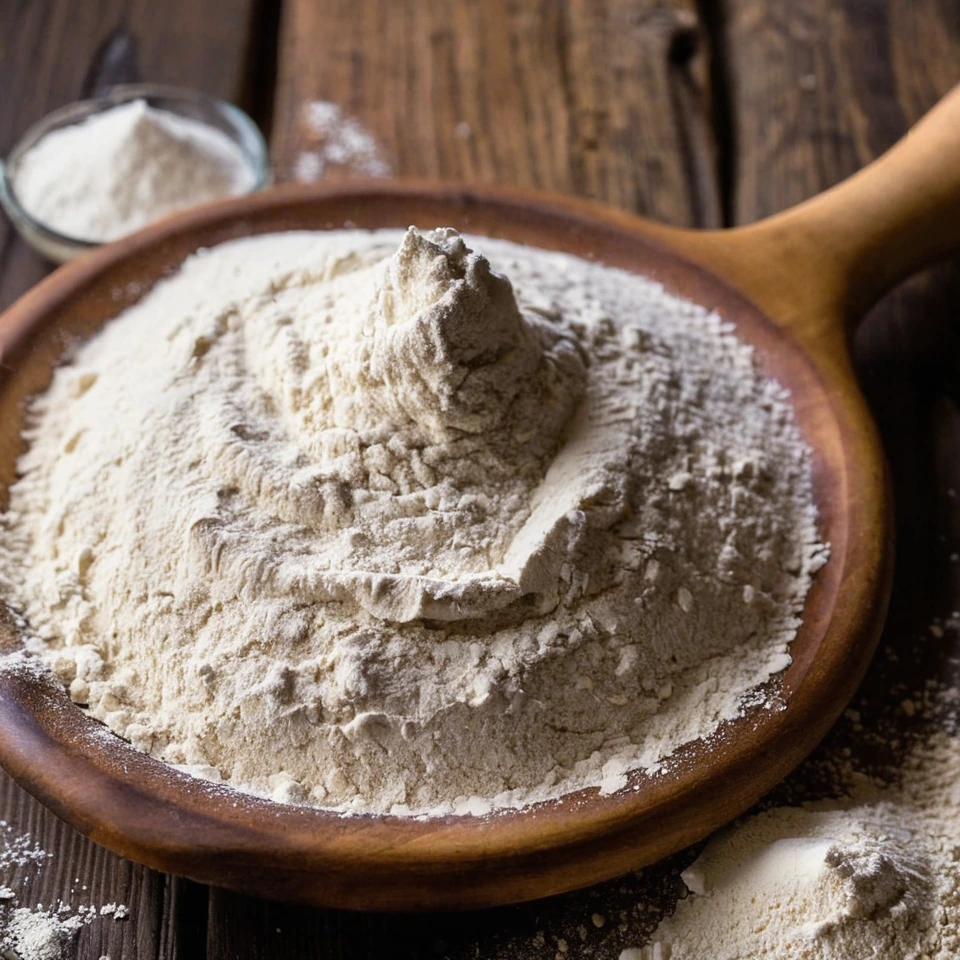
All-Purpose Flour
All-purpose flour is a versatile wheat flour that contains a moderate level of protein and gluten, making it suitable for a wide range of baking and cooking needs.
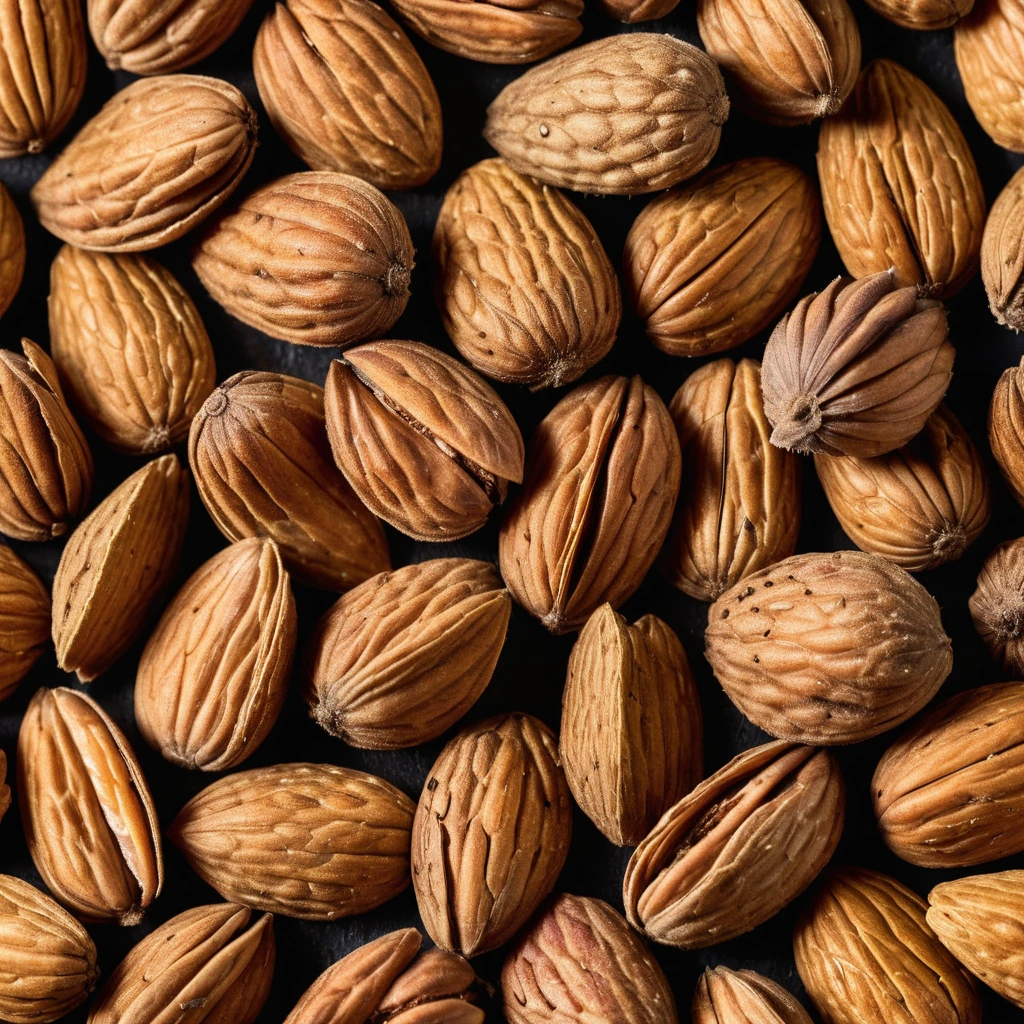
Almonds
With their golden-brown hue and delicate, edible skin, almonds are a crunchy delight. These versatile nuts boast a rich, buttery flavor that adds depth to both sweet and savory dishes.
Recipes to try

Sweet Potato, Sausage, and Egg Breakfast Hash
Rustic and hearty, this breakfast hash is a symphony of smoky sausage, tender sweet potatoes, and perfectly cooked eggs.
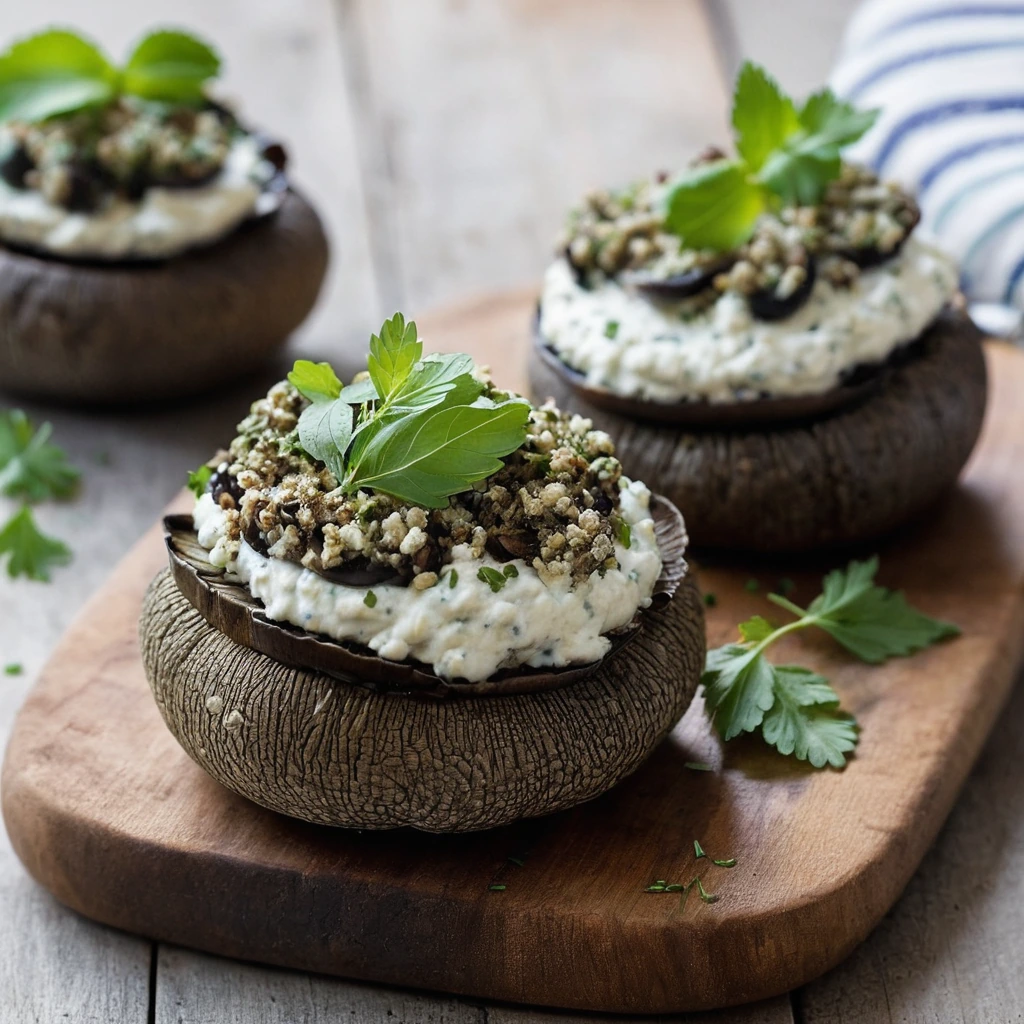
Stuffed Portobello Mushrooms with Herbed Ricotta
These earthy portobello mushrooms are stuffed with a creamy, herbed ricotta mixture, offering a satisfying vegetarian delight that's both elegant and easy.