Pan Work: Using a Splatter Screen Effectively
Achieving culinary excellence often means mastering the basics, and using a splatter screen is one such essential skill. This unsung hero of the kitchen prevents hot oil from turning your stovetop into a Jackson Pollock painting while you sear, sauté, or fry. Understanding how to use a splatter screen effectively can elevate your cooking experience, keeping your surroundings clean and your focus on the food. First, let's explore what a splatter screen is: a simple metal or silicone accessory designed to fit over your pan, allowing steam to escape while containing the rogue oil droplets that would otherwise seek freedom. When used correctly, it can protect your walls, cabinets, and even you from unwanted splatters, burns, and messes. This technique is particularly useful when working with high-heat cooking methods that tend to send oil flying. Whether you're a novice cook or a seasoned home chef, learning to harness the power of a splatter screen can transform your kitchen routine into a more enjoyable and efficient process. We'll delve into the nuances of selecting the right screen for your cookware, positioning it properly, and maintaining it for longevity. Armed with these insights, you'll be ready to tackle any recipe that calls for a little sizzle and pop, without the clean-up catastrophe.
Notes
The science behind splatter screens is simple yet effective: they create a barrier that contains oil droplets while allowing steam to escape. This prevents oil from reaching high velocities that cause it to splatter. A common mistake is using a screen that's too small or doesn't fit well, which defeats the purpose. Always ensure the screen is heat-resistant and fits your pan properly. Safety is paramount; never touch a hot screen without protection, and avoid using screens with sharp edges that could scratch your cookware. For storage, consider hanging it or placing it flat to maintain its shape. While splatter screens are dishwasher safe, handwashing can prolong their life and prevent damage from harsh detergents.
Steps
- 1 Select a splatter screen that fits snugly over your pan, ensuring it covers the entire opening.
- 2 Preheat your pan to the desired temperature before adding oil.
- 3 Once the oil is shimmering but not smoking, place the splatter screen over the pan.
- 4 Add your food gently to avoid immediate large splatters.
- 5 Use tongs or a spatula to move food, minimizing disturbances that can cause splattering.
- 6 Monitor the cooking process through the screen, adjusting heat as necessary.
- 7 Remove the screen carefully using oven mitts to avoid burns once cooking is complete.
- 8 Allow the screen to cool before cleaning it with warm, soapy water.
- 9 Dry the splatter screen thoroughly before storing to prevent rust.
Ingredients to explore

Recipes to try
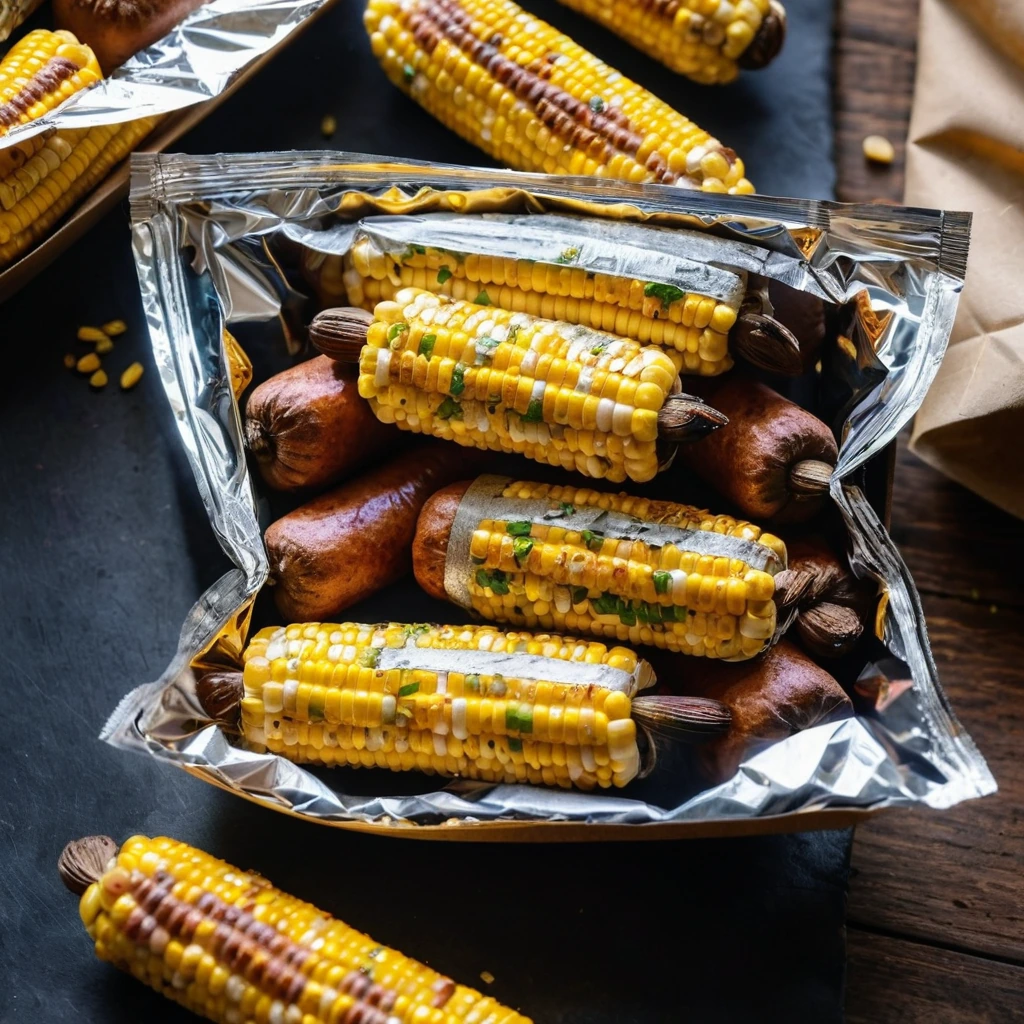
Smoky Sausage, Corn, and Potato Foil Packets
Imagine the smoky aroma of grilled sausage mingling with sweet corn and tender potatoes, all wrapped up in a neat foil packet.

Lemon Garlic Chicken and Rice Stuffed Peppers
Bright and tangy lemon garlic chicken nestled in fluffy rice, all wrapped up in juicy bell peppers for a zesty comfort meal.