Pan Work: Tenting Meat to Hold Heat Without Steaming
Tenting meat in a pan is a clever technique to keep your dish warm and juicy without turning it into a steamed mess. This method is ideal for holding meats like steaks, roasts, or chops at their ideal serving temperature while you finish up the rest of your meal. By mastering this technique, you can ensure that your perfectly cooked proteins remain succulent and flavorful, rather than overcooked or waterlogged. Unlike traditional steaming, tenting allows for air circulation, preventing condensation from forming directly on the meat's surface. The key is to use a loose cover that lets heat remain trapped while allowing excess moisture to escape. This approach is particularly useful in professional kitchens and home cooking alike, where timing is everything and you want every component of your meal to be served at its peak. Here, we delve into the science behind this method, how to execute it flawlessly, and tips for troubleshooting common issues.
Notes
The science behind tenting meat is all about balance. By creating a barrier with aluminum foil, you trap heat around the meat, keeping it warm without subjecting it to direct heat that could dry it out. The tent shape allows moisture to escape, preventing a steamy environment that could lead to a soggy surface. A common mistake is using foil that's too tight, which can cause condensation to accumulate and effectively steam the meat. To avoid this, ensure the tent is loose and airy. Safety-wise, always use oven mitts when handling hot pans and foil. For make-ahead meals, tented meat can be stored in the oven at 200°F for up to an hour. Beyond that, consider keeping it in a low oven or warming drawer to maintain quality.
Steps
- 1 Preheat your oven to 200°F.
- 2 Remove your cooked meat from the heat source and let it rest for 5 minutes.
- 3 Place the meat on a wire rack set inside a rimmed baking sheet.
- 4 Cover the meat loosely with aluminum foil, creating a tent shape.
- 5 Ensure the foil doesn't touch the meat directly to prevent steaming.
- 6 Transfer the baking sheet with the tented meat to the preheated oven.
- 7 Hold the meat in the oven for 10 to 15 minutes, depending on the size of the cut.
- 8 Check the internal temperature to ensure it remains within your desired range.
- 9 Remove the meat from the oven and let it rest for another 2-3 minutes before serving.
- 10 Adjust the oven rack position if needed to ensure even heat distribution.
- 11 Avoid peeking too often to maintain the oven's temperature stability.
- 12 For larger cuts, consider increasing the holding time but monitor closely to avoid overcooking.
Ingredients to explore
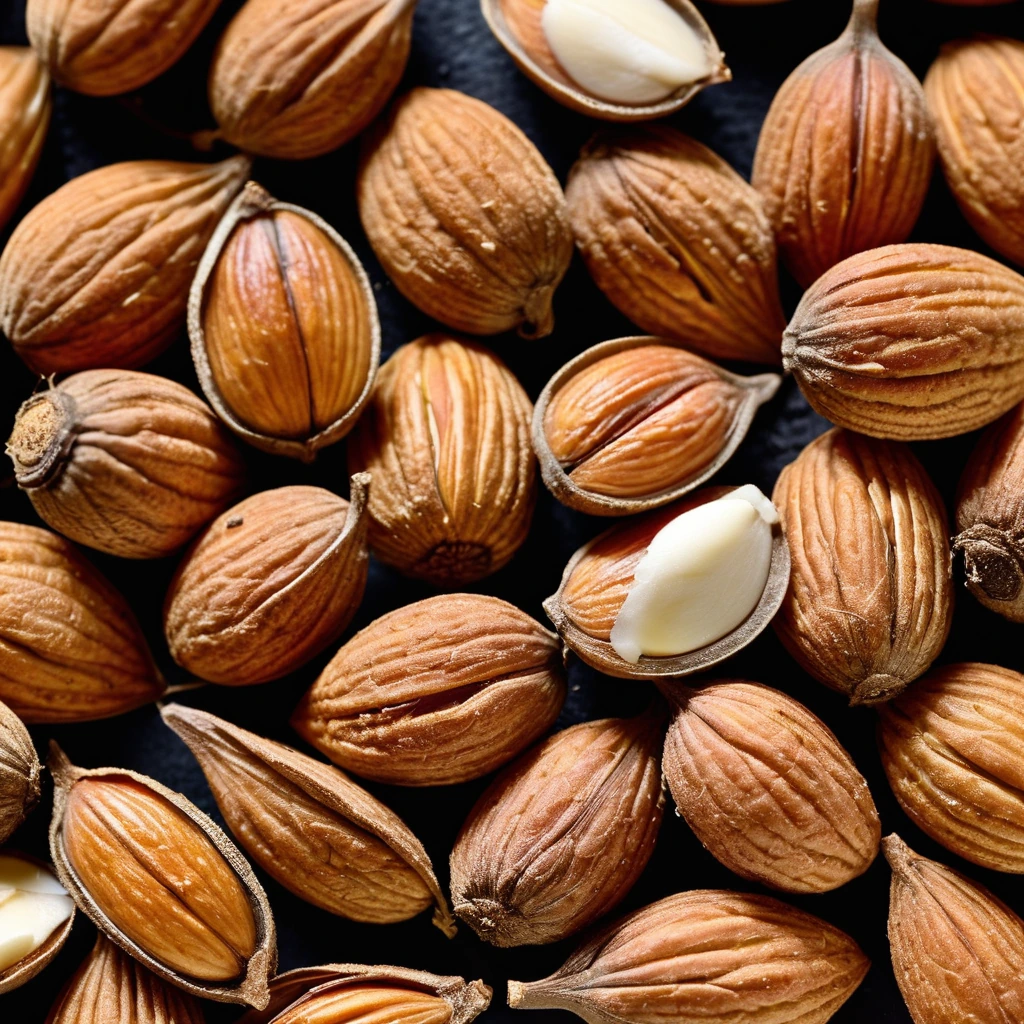
Almond Extract
A fragrant, golden elixir that captures the essence of freshly ground almonds, almond extract is a pantry staple that brings a rich, nutty aroma to your culinary creations.
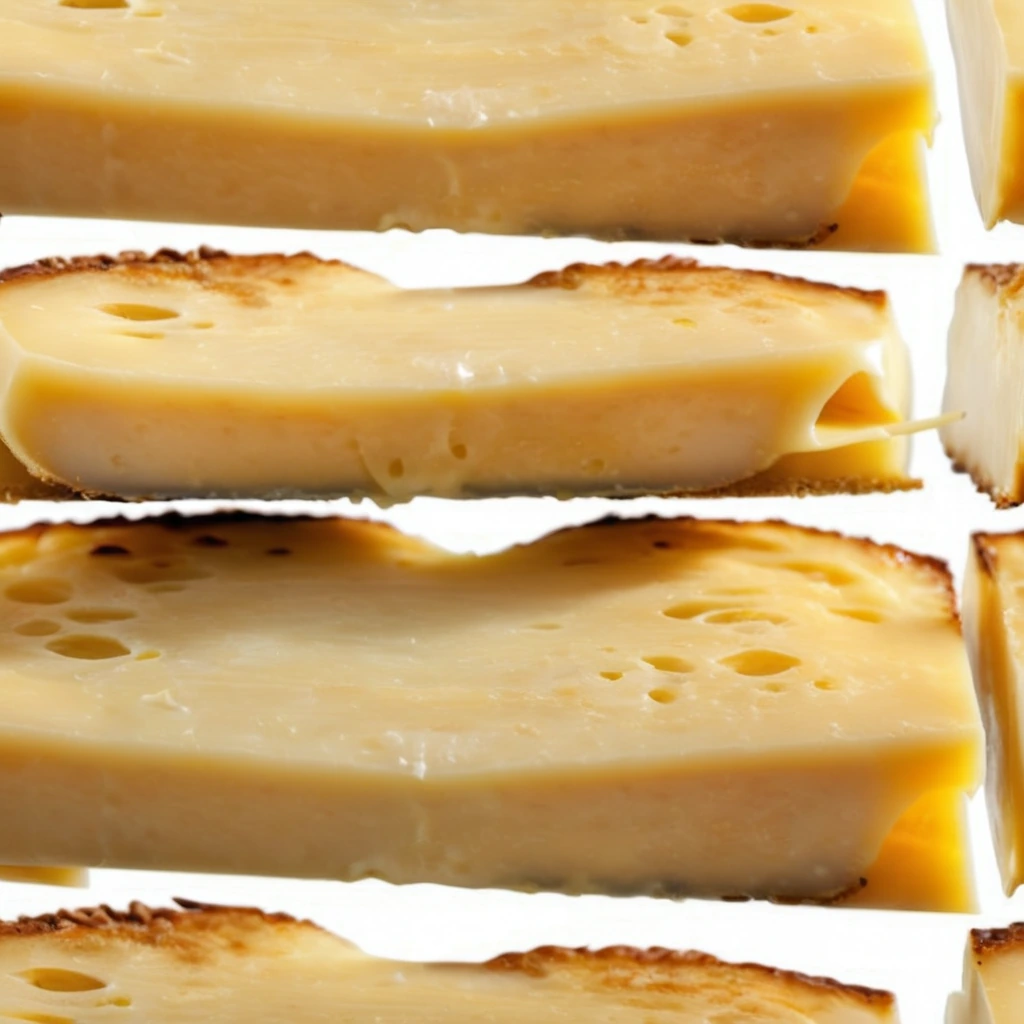
American Cheese Slices
Those iconic, perfectly pliable slices of creamy, mild American cheese. Each slice boasts a smooth, melt-in-your-mouth texture that brings comfort to any dish.
Recipes to try
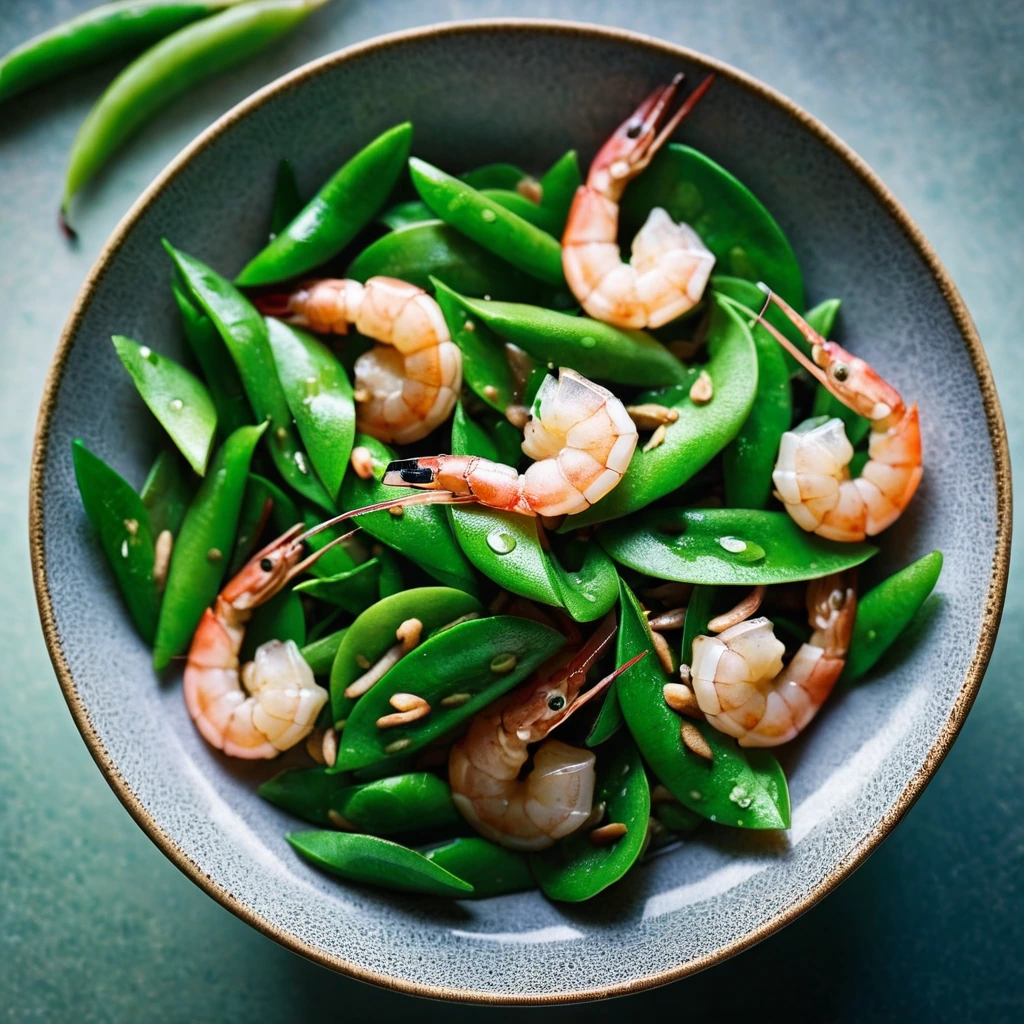
Shrimp and Snow Pea Stir Fry with Ginger
Succulent shrimp and crisp snow peas dance together in a fragrant, ginger-infused stir fry that's quick, zesty, and utterly satisfying.

Roasted Garlic and Tomato Basil Soup with Croutons
Creamy, fragrant, and bursting with roasted garlic sweetness, this soup is comfort in a bowl, crowned with golden, crunchy croutons.