Pan Work: Managing Multiple Pans on a Crowded Stovetop
Mastering the art of pan work is crucial for any home cook aiming to elevate their culinary game. When you're juggling multiple dishes simultaneously, efficient stovetop management is key. Picture this: a symphony of sizzling sounds, each pan contributing its unique melody to the grand orchestration of a meal. It's about understanding heat distribution, timing, and spatial arrangement. Start with your stovetop layout: larger pans typically go on back burners to avoid overhanging, while smaller pans can be nestled in front. Consider the cooking times of your dishes – pair pans with similar cooking durations together to streamline your workflow. Managing multiple pans isn't just about multitasking; it's about creating a harmonious kitchen environment where each pan complements the others. Learn to anticipate when each dish will need attention and prepare your mise en place accordingly. Keep your tools and ingredients within easy reach to minimize downtime. Remember, your stovetop is like a chessboard – every move counts, and planning ahead is essential for a successful culinary performance. As you become adept at this technique, you’ll find yourself cooking with a newfound confidence and efficiency, turning even the most complex recipes into delightful experiences.
Notes
Understanding how heat transfers through different materials is crucial; stainless steel and cast iron retain heat longer than aluminum. Always use oven mitts to prevent burns when handling hot pans. One common mistake is overcrowding the stovetop, leading to potential accidents or uneven cooking. To troubleshoot, ensure there's ample space between pans for airflow and maneuverability. For safety, never leave unattended pans on high heat. As for make-ahead strategies, certain dishes can be prepped and held at a warm temperature while others are being cooked. Leftovers can be stored in airtight containers and refrigerated for up to three days.
Steps
- 1 Assess your stovetop and identify the largest and smallest burners.
- 2 Place larger pans on the back burners to prevent overhanging.
- 3 Arrange smaller pans on front burners, ensuring they fit comfortably.
- 4 Group pans by cooking time to avoid congestion and timing conflicts.
- 5 Preheat each pan to the appropriate temperature before adding ingredients.
- 6 Begin cooking dishes with longer preparation times first.
- 7 Keep a close eye on each pan, adjusting heat as necessary to maintain consistent cooking.
- 8 Stir and flip ingredients promptly to prevent burning or sticking.
- 9 Use oven space for dishes that can be transferred from pan to oven.
- 10 Keep a clean, organized workspace to expedite your movements.
- 11 Monitor dishes closely as they near completion to avoid overcooking.
- 12 Use timers to keep track of different cooking durations.
- 13 Remove dishes from the stovetop in the order they finish cooking.
- 14 Clean pans promptly after use to maintain an efficient workflow.
Ingredients to explore
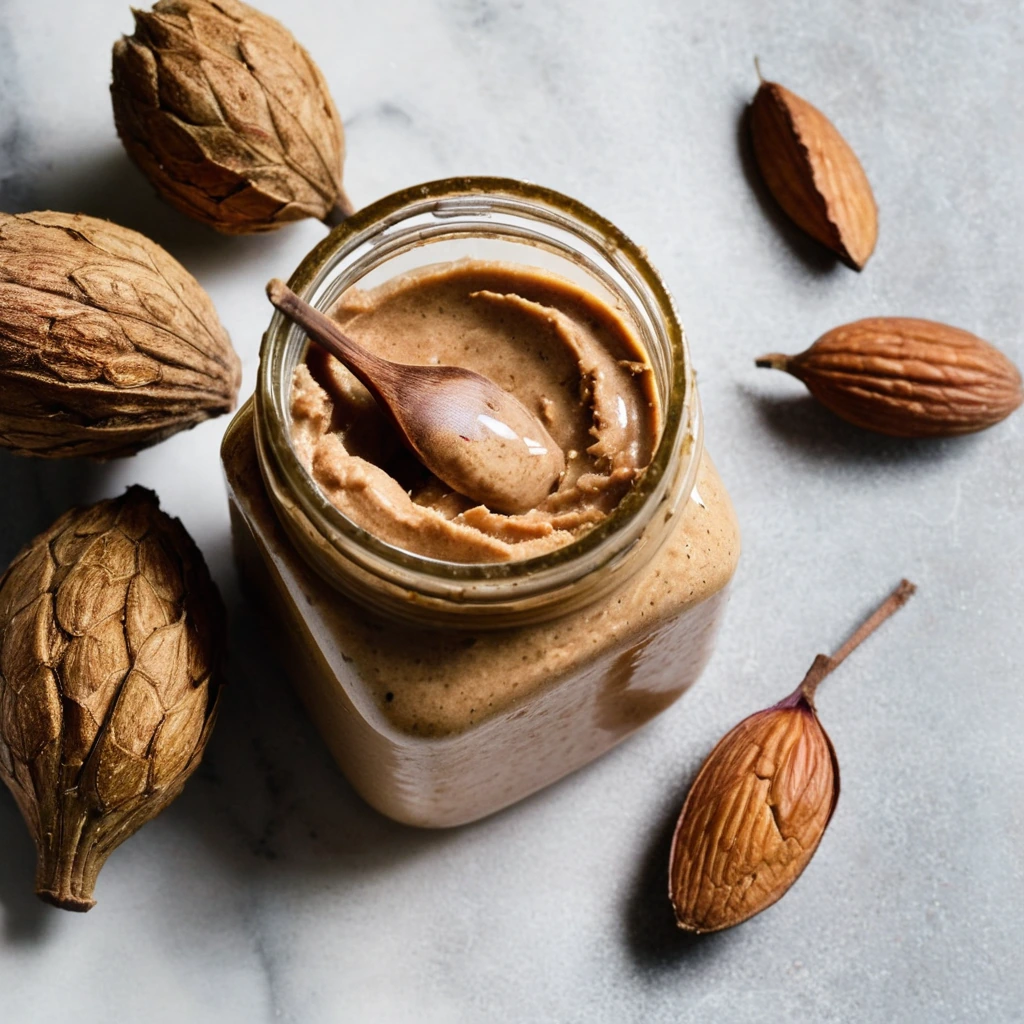
Almond Butter
A velvety, nutty spread crafted from finely ground almonds, offering a rich and satisfying flavor that's both comforting and indulgent.
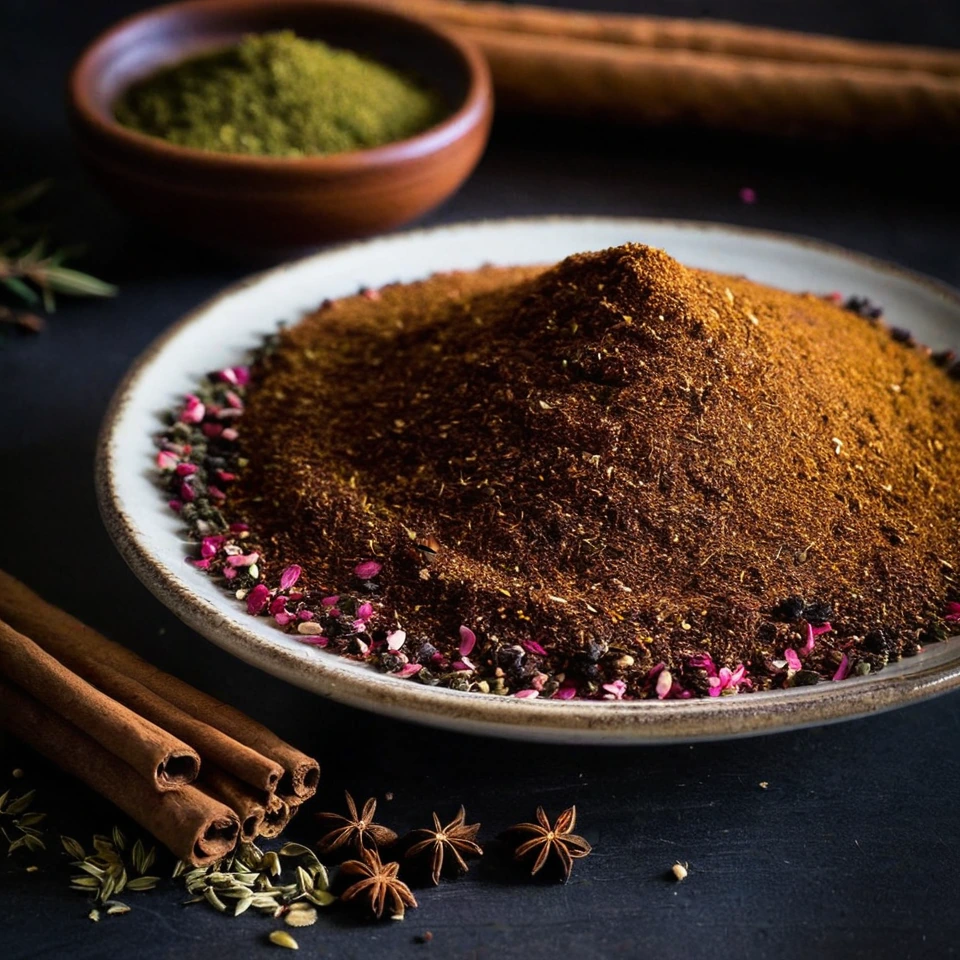
Advieh (Persian Spice Blend)
Advieh is a fragrant Persian spice blend that boasts a complex aroma of warm cinnamon, earthy cumin, and floral hints of rose and saffron. Its texture is finely ground, making it easy to incorporate into dishes. Originating from the rich culinary traditions of Iran, advieh adds depth and sophistication to both savory and sweet recipes. Its unique combination of spices reflects the historical spice trade routes that influenced Persian cuisine.
Recipes to try
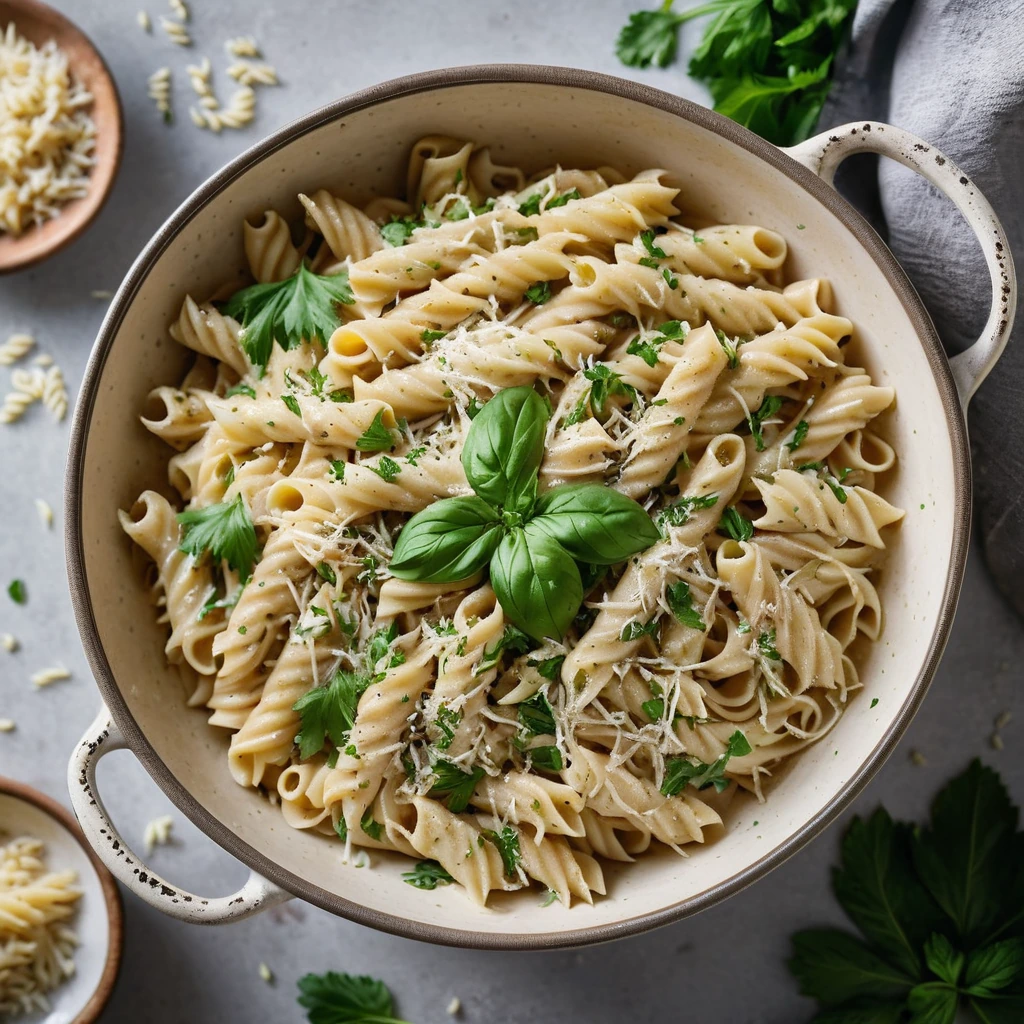
One-Pot Creamy Garlic Parmesan Chicken Pasta
Tender chicken and al dente pasta swim in a luscious, garlicky Parmesan sauce—all in one pot for a fuss-free family feast.
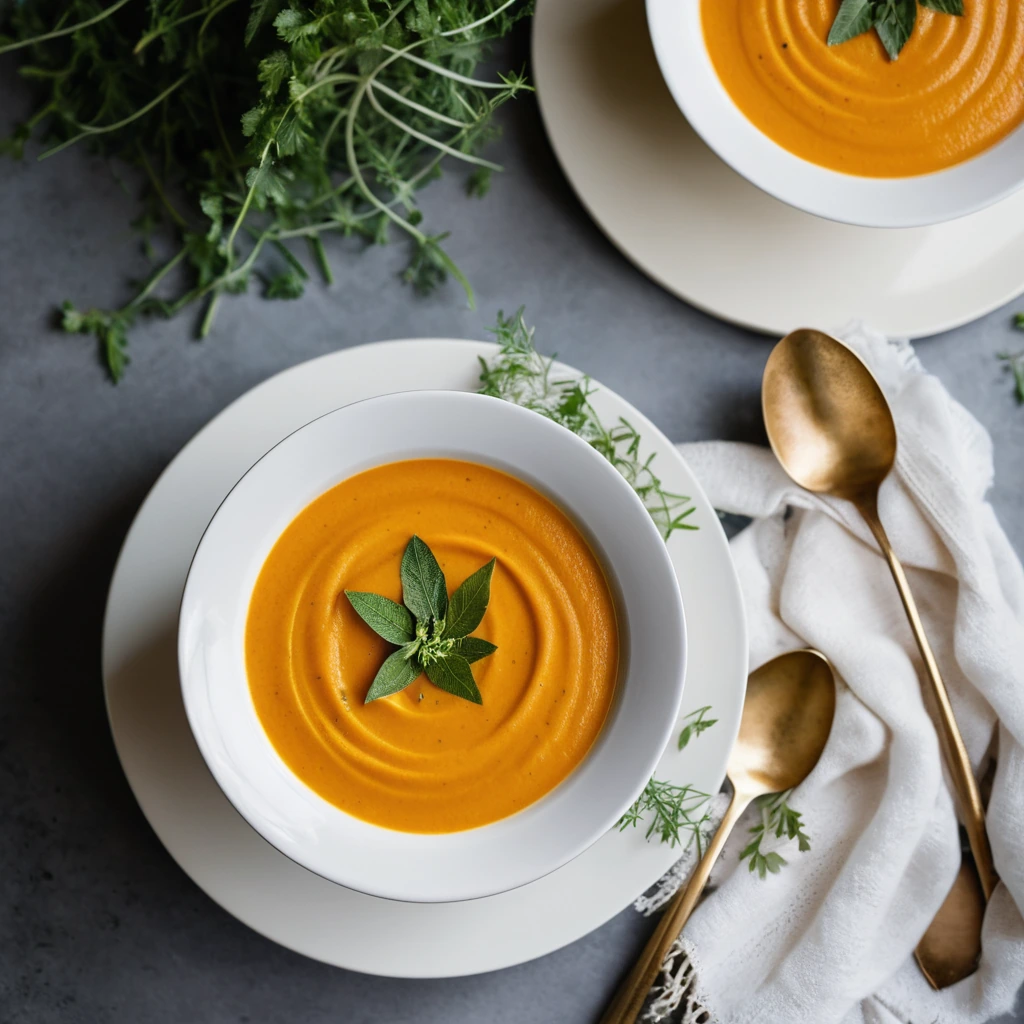
Pumpkin and Sweet Potato Bisque
Creamy and comforting, this bisque marries the earthy sweetness of pumpkin with the subtle nuttiness of sweet potato.